No one likes to deal with the discomfort of cold hands. And ladies, unfortunately you’re more prone to having this condition on a regular basis compared to your male counterparts.
While it’s difficult to cure this problem altogether, there are a few steps that you can take to relieve the severity. Keep your core body temperature high, try to stay active so the blood flow can warm you, and of course, make sure you’re got a good pair of winter gloves. To help you out in that department, we’ve listed some of our top picks below.
Special Considerations For Women
Any man who finds himself in a romantic relationship will quickly discover that women are prone to having ice cold hands. And hey, what better way to warm up than by placing them right on their significant other’s neck? (Or back, chest, sides, legs…yeah, you know how it goes.)
It’s a scientific fact that women’s hands are colder than men’s – by about 2.8 degrees Fahrenheit according to the University of Utah. But why is this? And what can women do to help them stay warm?
Blood Circulation
Your body works hard to maintain a consistent internal temperature, allowing your organs to function normally so you can stay alive and healthy. Thermoregulation is achieved by sweating to help you cool off, and shivering to help you warm up. However, when exposed to a cold environment, the blood vessels in your extremities start to shrink so that priority can be given to keeping your heart and other vital organs warm.
This is a process that happens to both genders, but for some unknown reason, it occurs faster in women. Body size and hormones are thought to play a role in this phenomenon, but it’s still mostly conjecture at this point in time. Whatever the reason, women may find mittens are more effective at keeping their hands warm, because fingered gloves are more likely to cut off blood circulation.
Body Size And Metabolism
Body size is another significant factor when it comes to understanding why women run colder than men. Due to the larger surface area to volume ratio, more heat is lost throughout the day for a smaller woman than for a bigger man.
But a more pertinent answer to this question may lie in our metabolism, which is essentially the way that we create heat in the first place. Metabolism refers to how we burn calories into energy, and by nature, this process releases a lot of “wasted” energy in the form of heat. The higher your metabolism, the more calories you burn, creating more heat to keep you warm throughout the day.
So, want to guess how higher a man’s metabolism is on average compared to a woman? I’ll give you a hint…it’s not a small number.
Generally speaking, a man’s metabolism is going to be 23% higher than a woman’s. As you might have guessed, that’s a pretty significant variation that likely accounts for much of the difference in temperature we perceive between the genders.
Women’s Winter Gloves Features
Since women have a harder time keeping their extremities warm, it’s even more important that they find gloves that actually do their job properly. When making your decision, here are a few points to keep in mind:
Waterproof
As we all know, snow is just a very cold version of water. So what happens if your gloves let this cold water soak inside and come in contact with your skin? You guessed it.
Freezing hands.
Having cold and soggy fingers is pretty miserable, even if you don’t have a hard time staying warm. That’s why it’s really important to get a pair that’s waterproof, especially if you expect your hands to come in contact with snow, like if you’re skiing, making a snowman, or enjoying a weekend of winter camping.
Breathable
On the other hand, gloves that aren’t breathable don’t allow for moisture to escape either. While you might not have to worry about snow coming in from the outside, you will have to worry about perspiration accumulating on the inside. This is just as problematic, and will only hurt you in your endeavor to keep your hands at a reasonable temperature.
Touchscreen Compatibility
Aside from keeping your hands warm, you probably want a pair of thermal gloves that are functional as well. After all, no one wants to give up the chance to snap a photo just because they’re trying to keep their hands warm!
Nowadays, most gloves are designed to be touchscreen compatible, meaning you can still use your phone like normal, even when you’re wearing your winter protection. Sure, it might be a little bulky, and you’ll probably have to push down harder on the screen than usual, but it beats taking your gloves off when you want to send a text.
Heat Packs And Battery Operated Gloves
If all else fails, and you still have trouble keeping your hands warm, you’re not out of luck just yet. Companies like Gobi Heat make gloves and other clothing items with heaters built into them, so if your hands start to get cold, just turn the heater on and you’re good to go.
If you’re looking for more of a disposable option, hand warmers may be the way to go. My fiancée suffers from Raynaud’s Syndrome, a condition that makes her hands overreact to cold temperatures, and she loves using these types of hand warmers. If you’re interested in checking them out, here are the ones that she uses:
Best Winter Gloves For Women Reviews
Tough Outdoors Women’s Gloves
Originally designed for folks taking part in cold weather sports, thesewinter gloves for women are built tough. The nylon outer shell is waterproof, but the palm area has been reinforced with synthetic leather to add another layer of protection. No water is soaking through these gloves, even if you’re on on the slopes all day shredding powder.
However, even though they’re incredibly waterproof, the back of the hand still allows for some breathability to keep your hands from getting clammy with sweat. They’re not as breathable as the gloves that I typically like to wear, but as long as you’re not doing an hour of CrossFit, you shouldn’t have any issues with it.
The addition of the wrist strap is a bonus in my opinion as well. It was put on there as a way for users to feel comfortable on the ski lift (no need to worry about them falling off part way up the hill!), but it’s not a bad way to carry them either. In the event your hands get too warm, you can take them off and let them dangle from your wrists.
Pros:
– Waterproof
– Wrist straps
– Fitted design
– Does a good job of keeping hands warm
Cons:
– Not as breathable as I’d like to see
– Can be a bit bulky
Koxly Women’s Winter Gloves
Just because it’s a unisex pair of gloves doesn’t mean that women will be disappointed in the quality ofKoxly’s hand gear. If you’re worried about getting the size right, they have a handy sizing chart on the website, but most women are fine with either a small or a medium.
Warmth isn’t an issue with these winter gloves – they’re made with a combination of polar fleece and cotton, which work well together to keep your hands toasty. As you can see from the image, there’s even a portion that extends up the wrist for added coverage.
My only hesitation with this one is the lack of waterproofing. The product itself is marketed as water and windproof, but cotton and fleece can only keep water out for so long. I actually have a pair of gloves just like these at home, and while they are arguably the warmest pair I own, I wouldn’t use them if I wanted to play in the snow. Just a tradeoff that’s worth making note of before you go ahead and buy.
Pros:
– Very warm
– Incredibly comfortable
– Added wrist coverage
– Unisex
– Fits well for many sized hands
Cons:
– Not very waterproof
The North Face Etip Women’s Winter Gloves
The North Face is well known for making quality gear, and theirEtip gloves for women are no exception. If you’re wondering what the name “Etip” is referring to, you may be pleasantly surprised to find out that these gloves are touchscreen compatible. The polyester and fleece materials will do a great job at keeping your hands warm on chilly days, without impeding your ability to use your electronics like normal. The palms are even covered with silicone to provide an extra grippy surface, so your days of dropping your phone are over.
Nearly all of the materials involved in the creation of these gloves are recycled. They may not be great for super chilly weather, but they’re so comfortable and form fitting that it’ll feel like you aren’t even wearing gloves at all! I’d mostly recommend these for women who like the idea of being able to use their phone with their gloves on, or for those who want a little extra protection on their morning run.
Pros:
– Very lightweight
– Touchscreen compatible
– Recycled materials
– Comfortable to wear
Cons:
– For cool weather, not cold weather
Marmot Women’s Fleece Gloves
Marmot has to be one of my favorite outdoor gear brands. I haven’t found anything made by them that I’ve been disappointed with, including theirwomen’s fleece gloves.
For all the gals out there, if you struggle with cold hands even in moderate, 60 degree weather, these are probably the gloves for you. As you probably know, fleece is a really warm and comfortable material, great at insulating and blocking cold temperatures. The downside, though, is that it’s a pretty absorbent material as well. As long as you’re careful about keeping them dry, they’ll do their job properly and keep your hands toasty warm.
Unlike the North Face gloves discussed above, these fleece gloves are a bit heftier. But despite the added weight, there’s really no loss of dexterity – you’ll still be able to move your finger and grip tiny items with ease.
Pros:
– Warm material
– Comfortable to wear
– Hefty and durable
– Great price for the quality
Cons:
– Pretty useless when wet
Many of the products I’ve reviewed so far have been pretty functional, but…they don’t exactly look very stylish. So, to end this list, I thought I would throw in an option that doesn’t look like you’re wearing a fuzzy animal or a black brick.Isotoner developed a sleek pair of winter gloves for women, and instead of using the traditional nylon or polyester for the outer shell, they decided to go with spandex. Yes, you read that correctly.
The spandex has been covered with a water repellant coating, so snow, ice, and rain will roll right off. They’re not as waterproof as some of the other options we’ve mentioned in this review (I certainly wouldn’t go skiing in them), but for a chic looking pair of day to day gloves, they fit the bill nicely. And don’t worry, they aren’t made solely out of spandex – the inside of these women’s gloves are lined with fleece for added warmth and comfort. There’s even a bit of faux leather on the palm, thumb, middle, and pointer finger to add a bit of grip when you want to grab something or make use of your phone.
Pros:
– Stylish design
– Warm fleece liner
– Stretchy and comfortable
– Added water repellant coating
Cons:
– Not ideal for outdoor sports
– Not as warm as some other options
Final Pro Tips
Finding a great pair of gloves is a necessity when the days start to turn cold. But sometimes a single pair of gloves isn’t enough to stave off the winter chill, especially for women who have a hard time staying warm anyway! To help you stay cozy, consider some of these pro tips that you can make use of to keep the cold at bay.
- Start Warm. Once you’ve gotten cold, it doesn’t matter if you put on a pair of fuzzy gloves on – you’re still going to be cold for awhile! Pre-empt the chill by warming yourself up in a car or building first, put your warm gloves on, and then step outside. You’ll be able to maintain that heat for longer than if you were already cold to begin with.
- Layer Properly. If you’re able to keep your core temperature high, your body won’t feel like it needs to constrict the blood vessels in your extremities to stay warm. Follow proper layering system guidelines to keep your chest and torso feeling toasty.
- Bring Backups. No matter how good your gloves are, they’ll start to get wet eventually, whether from the snow or your sweat. It never hurts to bring a pair of dry replacements to switch into when your initial pair doesn’t work anymore.
- Limit Breaks. If you’re moving around and being active, the exertion will help your body stay warm and comfortable. The moment you stop moving, though, you’ll find that it doesn’t take very long before you start to lose all of that heat you were building up. To avoid losing all of that hard earned warmth, keep your breaks to a minimum. It’s better to slow your pace than stop completely.
- Wear Gloves Suitable for the Activity. Perspiration is just as much of a problem as the snow. For activities where you’re going to work up a sweat, find a pair of low insulated, highly breathable gloves to allow moisture to escape from inside. On the other hand, if you’re just going for a gentle stroll, grab a pair of winter gloves that don’t allow for much wind or water to pass through the fabric.
The Winner
Cold hands are the bane of women all over the globe, but with proper layering and the right pair of gloves, it’s possible to relieve the discomfort they bring. While the type of hand coverings you should wear are fairly dependent on the activities you’re participating in, it’s hard to go wrong with a solid pair of waterproof, breathable gloves. Naturally, they should be well insulated as well.
It’s for these reasons that we believe the Tough Outdoors women’s winter gloves are the best option out of the ones listed. They may be a bit bulky, and not touchscreen compatible, but they’ll do a great job at keeping your hands warm in cold temperatures. And that’s ultimately what gloves are supposed to do in the first place.
This article originally appeared on Untamed Space and was syndicated by MediaFeed.org.
More from Media Feed:
Winter camping is an adventure. Here’s how to prepare
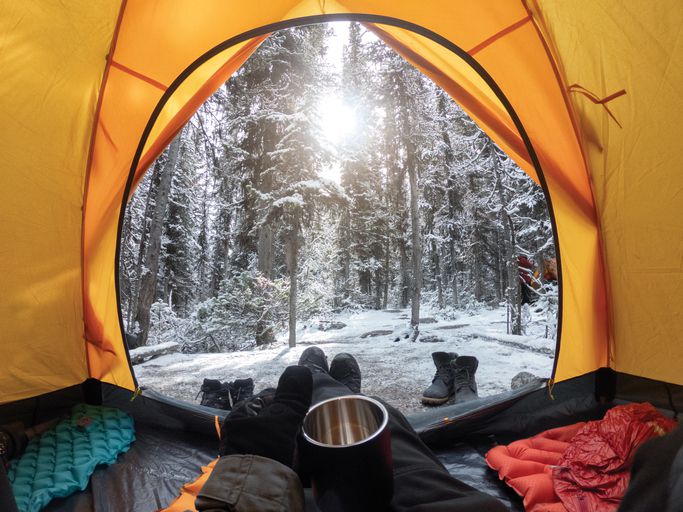
When you first think of camping, you probably visualize hot summer days and slow walks down the local trails. If there’s a river or lake nearby, perhaps you’ll even indulge in a few water sports to pass the time and enjoy the bright sunshine. All in all, the warmer months are definitely the more popular ones for campers to leave the comfort of their own home and rough it in the wild for a bit.
However, as I’m sure you’re aware, summer isn’t the only season in the year. Winter is also a great time to get out and explore, but unfortunately, many who enjoy camping during this time are labeled as diehard or crazy. I mean, camping is great and all, but it can’t possibly be worth freezing half to death for, right?
Because of thoughts like these, a great majority of outdoor enthusiasts miss out on the wonder of winter camping. Which is why we wanted to take a few minutes to talk about why it’s worth it to tackle such a harsh season, and different things you should be prepared for when you head out.
Mumemories / iStock
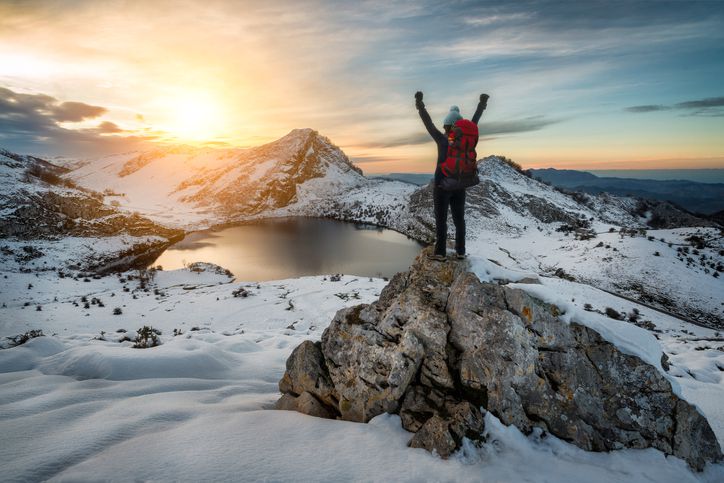
It’s an obvious question that I’m sure most of you are thinking about. The snow and ice are pretty, but treacherous, while the cold temperatures alone are enough to prevent people from wanting to spend any significant amount of time outside. For all intents and purposes, there just don’t seem to be enough pros related to winter camping to outweigh the cons.
I won’t deny, even after hearing the reasons why you should consider winter camping, many of you probably won’t be convinced. It really isn’t for everyone, and I may be a little biased as someone who grew up in Minnesota (winters are brutal), and as someone who prefers to camp in the mountains where it’s naturally colder. Winter camping is more difficult and dangerous, making it an activity that isn’t suited to most people, especially those of you who have young kids.
But, I’m sure you already have a million reasons in your head as to why you should avoid camping in the winter, and don’t need me to expound upon it any further. In that case, let’s dig into a few reasons why you should consider this extreme activity, and perhaps you’ll be convinced to try it out.
emiliozv / iStock
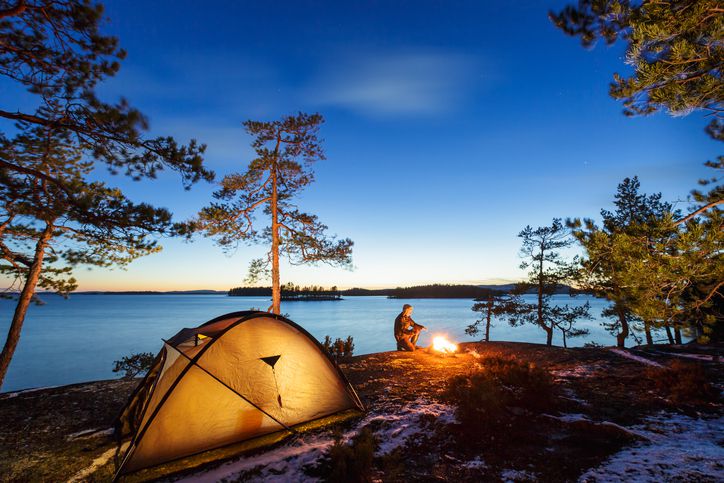
I’ve mentioned this before in a few other posts, but one of the biggest reasons why I like to camp is so I can get away from everything. That includes people. And what better time to go camping than a season that most people want to avoid being outside? Without a doubt, winter is a significantly less popular time for folks to get outside and pitch their tent, meaning that campgrounds that are normally packed full have little to no visitors. If you’re just looking for an escape, and don’t mind the colder temperatures, winter is the best time to get out and enjoy the solitude of nature.
petejau / iStock
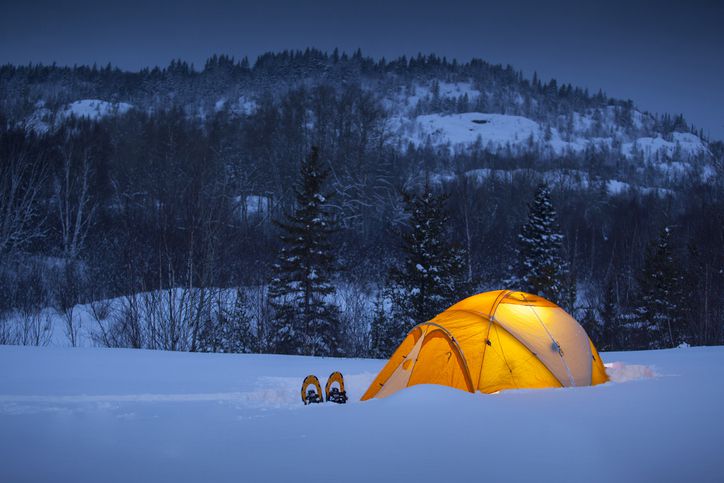
There are just some places that don’t look very attractive in the summer. Swamps, vast plains of dull grass and dirt, and other unimpressive swaths of land don’t really do much to excite that adventurous side of most people. In winter, though, everything is covered in an enchanting layer of glittering snow. With the landscape looking vastly different, locations that were once unimpressive turn into a sparkling expanse of wonder.
My point is, it’s really pretty.
As someone who’s spent a lot of time in parts of the world known for their winters, there are few things that I enjoy more than putting on my boots to hike for miles into the wilderness. The trees have lost their leaves, but the branches sparkle with frost, and the half frozen rivers seem to shine even brighter in the sunshine. Even though it’s colder, it’s hard to notice once you get the blood flowing and your body heats up. Overall, winter is my favorite time to explore the outdoors, and I think you’ll agree with me to some extent.
matdupuis / iStock
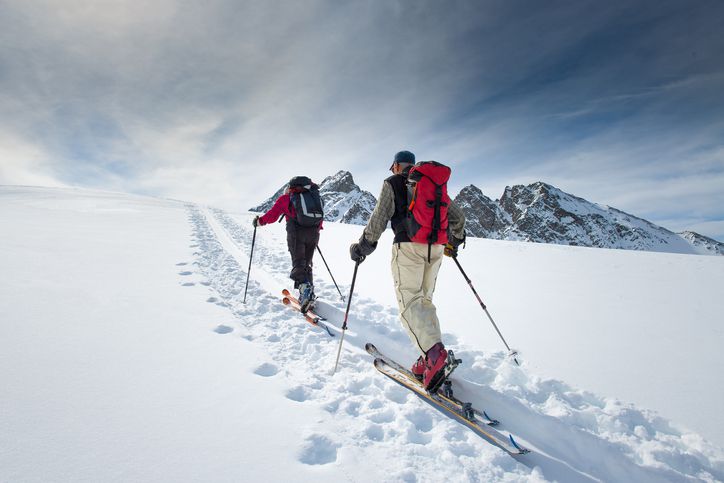
Just think of all the things you can do in the winter that aren’t possible in any other time of the year. Personally, I love to hike and cross country ski when there’s snow on the ground, but there are a lot of other options as well. Some campgrounds are close to slopes where you can downhill ski or snowboard, while hopping on a snowmobile or ice fishing is also a potential route you could take. There are a lot of different possibilities for everyone out there to enjoy, making winter camping a lot more exciting than just sitting in a cold tent with no one else around.
michelangeloop / iStock
Camping is camping, in the sense that you’ll still need a tent, sleeping bag, and other essentials. However, when you throw in freezing temperatures, nothing is as simple as it used to be. We’ll take a look at the bare minimum you’ll need to survive, as well as a few other tricks and techniques to help make your trip better than bearable.
1. Try A Tent Heater
Houses have furnaces, tents have…body heat? Doesn’t sound like a fair playing field to me. If it’s a relatively warm time during winter, you can probably get away without having any external heat source to keep you warm, especially if you’ve got a blazing campfire going. However, if it’s painfully cold outside or you just don’t have a high tolerance for any temperature below 50 degrees Fahrenheit, it might be in your best interest to get yourself a tent heater. I wrote a separate article covering everything you’ll need to know about tent heaters, which you can check out here.
2. Look Into 4 Season Tents
Your regular, run of the mill tent was probably designed for summer, since that’s when most people go camping. As such, they tend to be thinner and less insulated, because retaining heat inside is the last thing you’ll want to do. In the colder months, this feature very much works against you. If you’re actually serious about camping during the winter, I guarantee you’ll want a good 4 season tent to sleep in during the night. Though they’re heavier than your average tent, many are double layered, providing an extra barrier to trap heat inside your shelter. This will be a great help to you when it’s freezing outside.
Setting up your tent will look a little bit different as well. You’ll want to avoid pitching it on light, fluffy snow, as you’ll find yourself sinking wherever you place weight inside your shelter. Instead, take some time to pack down an area to pitch your tent, so the surface will be fairly similar to regular earth. And remember, if it ends up snowing, remove the build up on your tent as soon as possible. If you let it accumulate, the weight may cause your tent to collapse on you, and that would make for a very miserable night!
3. Sleeping Bag Liners
Hopefully you’ve got yourself a nice mummy style sleeping bag, since they are much more effective at trapping heat than rectangular models. I’ve done quite a bit of camping where the mummy bag is all I’ve had, and generally I sleep pretty well. However, there have definitely been a few occasions when I would’ve liked a little something extra to help me stay warm, which is where the sleeping bag liners come in.
Just like sleeping bags, the liners are rated for certain temperatures too, though the way it works is a little different. If your sleeping bag is rated for 40 degrees, that means you should be able to sleep in relative comfort down to that temperature. If you add a liner that’s rated for 10 degrees, you now should be able to comfortably sleep in temperatures down to 30 degrees.
4. Get Different Tent Stakes
Your average tent stakes are designed for one purpose: securing your tent to the earth. So what happens when you take the dirt away and replace it with snow? You guessed it…the stakes you normally use are far less effective. Because snow is slippery, cylindrical stakes will easily slide in and out regardless of the angle you put them in at. Stakes shaped more like a wedge will fair a little better, but still won’t be the ideal option, especially once the wind starts to pick up. Instead, you’ll need to find a product with holes in it to help trap the snow better, allowing it to stay firmly in place. For a few options to look through, check out our article on tent stakes here.
5. Dress Appropriately
Don’t count on a long sleeve shirt, pants, boots, and a coat to be enough to keep you warm. If you’re moving around a lot during the day, it’s easy to convince yourself that you don’t need many layers because the activity is keeping you warm. But once you sit or lay down, especially at night, you’ll notice that you start to get cold really quickly.
Layering your clothing is a great idea any time of the year, but it’s even more vital during the winter. The different layers serve a variety of purposes:
The base layer is designed to keep your skin dry. Any water will give you a chill, so a good base layer will have wicking properties to move sweat and other liquid away from you.
The middle layer helps keep you insulated. This will help trap your body heat, making sure you stay warm by minimizing the amount of heat that’s allowed to escape through your clothes.
And finally, the outer layer works as a repellent against wind, rain, and snow to keep the elements from soaking through and making you cold and damp.
For a more in-depth explanation of the layering system and the proper way to prepare, check out our detailed guide.
6. Other Odds And Ends
The above list will cover your most pressing needs, but there are a couple other points that are worth making. Prior to leaving, you’ll want to check the weather forecast to see what you’ll be dealing with. If there’s a blizzard that’s supposed to roll in halfway through your trip, you might want to reconsider your travel dates!
You’ll also want to plan your meals beforehand. Your body will use up extra calories in an attempt to stay warm, so you’ll want to replenish that supply by eating high calorie meals.
Be wary of avalanches. It’s a very real threat that only presents itself in the winter, so if you find yourself near the mountains, be careful. Stay far enough away from slopes that look hazardous, so that if an avalanche does occur, it won’t be able to reach your location.
Winter is also known for having high winds, so it’s even more important to find a good windbreak. Groups of trees and rock faces are great in this regard, but be careful not to set up too close to any trees that look dead or dying. If a wind gust breaks off a heavy branch and it falls on you…well, you get the point.
And finally, be sure to prepare plenty of things to do inside your tent as well. The weather can be fickle, and even though there might be plenty to do outside, sometimes you might find yourself trapped in the tent for a whole day due to bad conditions. Having something to keep yourself entertained inside the confines of your shelter will be a much needed reprieve if you find yourself in this situation.
This article originally appeared on UntamedSpace.com and was syndicated by MediaFeed.org.
AnVr / iStock
Featured Image Credit: Olga_25 / iStock.