The ’70s parenting practices we now know weren’t great for kids’ physical safety
The 1970s produced a specific kind of hazard that had nothing to do with discipline or supervision styles. These were physical, chemical, and mechanical risks baked directly into products parents had every reason to trust.
Federal safety data tells this story clearly, from CPSC recall records to public health tracking of childhood blood lead levels. Seven practices that seemed completely ordinary at the time, and the regulatory response that eventually followed each one.

Wheeled baby walkers left near stairs
Baby walkers caused more nursery-product injuries than any other item on the market, and were tied to 34 deaths since 1973, the overwhelming majority from falling down stairs. A federal safety standard requiring stair-stopping features didn’t arrive until decades later.
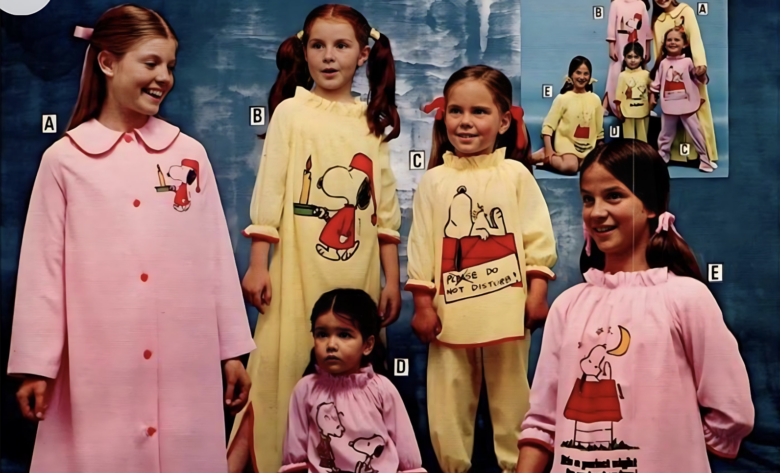
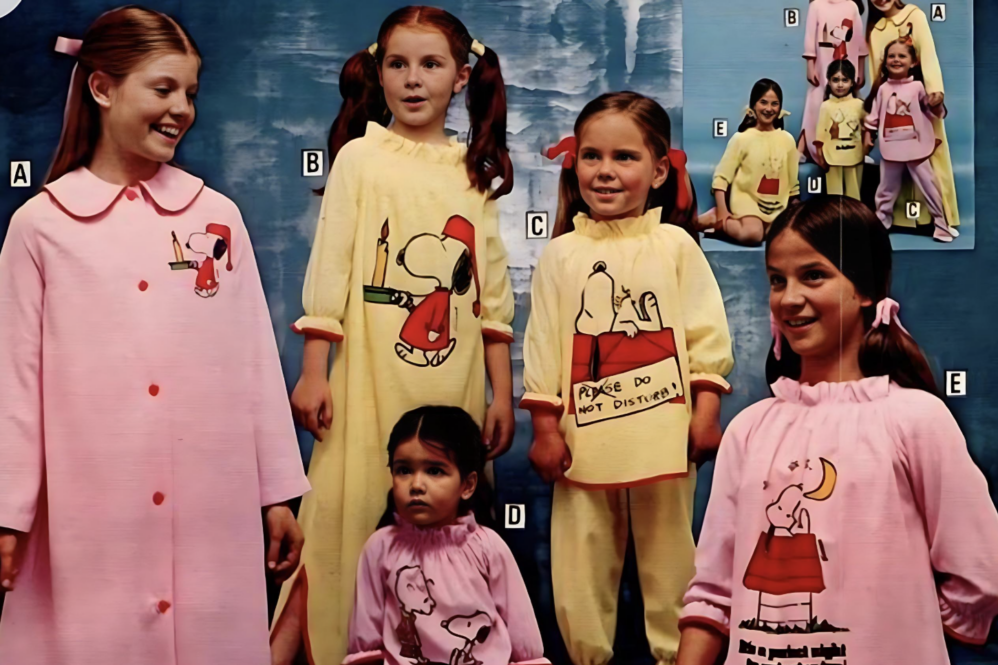
Tris-treated flammable pajamas
Federal rules in 1973 required children’s sleepwear to resist fire, and manufacturers met that standard by treating fabric with a flame retardant called Tris. Within a few years, researchers found the chemical was a likely carcinogen absorbed through skin contact, and the CPSC banned it from children’s clothing in 1977.

Lawn darts as a backyard game
Marketed as a lawn game for the whole family, lawn darts were responsible for three child deaths and an estimated 670 emergency room visits every year before the CPSC finally banned their sale in 1988.

Leaded gasoline exposure
The average American preschooler in the late 1970s carried a blood lead level of 15 micrograms per deciliter, more than four times today’s threshold for concern. The phase-out of leaded gasoline through the late ’70s and ’80s drove one of the sharpest public health improvements of the century.

Backyard pools without fencing requirements
No uniform fencing law existed for residential pools through most of the decade, and a string of child drownings eventually forced the issue. Contra Costa County, California became the first county in the nation to mandate pool fencing, after a toddler drowned there in the late 1970s.
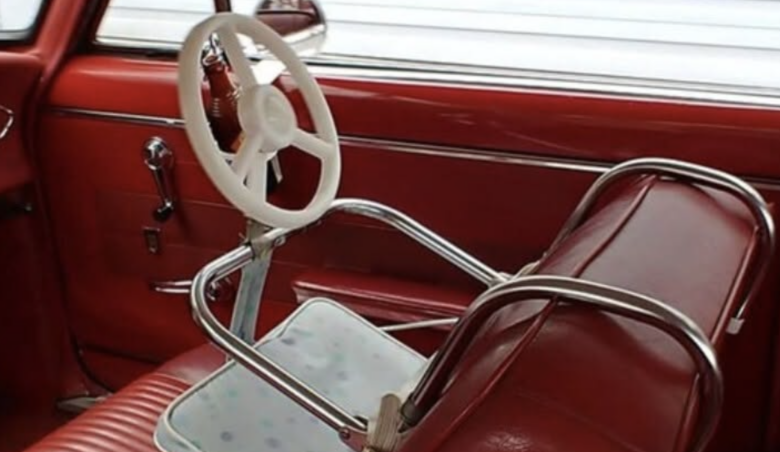
Infant car seats designed as toys, not safety devices
Long before crash-tested designs became standard, early car seats existed mainly to keep a child contained and give them a better view out the window, not to protect them in an accident. Real crash-safety design didn’t begin until Jean Ames introduced a harness-based seat in 1962, and adoption remained slow throughout the following decade.

No consistent labeling on chemical household products
Cleaning products, pesticides, and paint often carried minimal warning labels by today’s standards, if any warning label existed at all, leaving parents with little way to judge what belonged out of a toddler’s reach.
The bottom line
Nobody was being careless on purpose. Parents in the 1970s were following the safety standards that existed at the time, standards that, in hindsight, were badly incomplete. The real story here isn’t negligence. It’s how much of what counted as “safe” simply hadn’t been tested yet.
Ask us! What questions do you have about content, strategy, pop culture, lifestyle, wellness, history or more? We may use your question in an upcoming article!
Related:
- The ’40s parenting practices we now know were terrible for the kids’ brains
- The Victorian-era parenting practices that were even worse than the 1950s.
Like MediaFeed’s content? Be sure to follow us.
This article was syndicated by MediaFeed.co.