The ’50s parenting practices we now know were terrible for kids’ brains
The 1950s promised perfect families with spotless homes and well-behaved children. Modern neuroscience reveals many beloved parenting practices from this era actually damaged developing brains, creating lasting emotional and psychological harm.

Spanking as standard discipline
Physical punishment was widely accepted across American households. Research now links spanking to altered brain development, increased aggression, anxiety disorders, and behavioral problems that persist into adulthood.

Rigid cry-it-out sleep training
Parents left infants crying alone for extended periods, believing self-soothing built character. Studies show prolonged crying elevated cortisol levels, potentially affecting brain development, emotional regulation, and secure attachment formation.

Strict obedience without explanation
Authoritarian parents demanded immediate compliance without reasoning. Children learned to obey through fear rather than understanding, stifling critical thinking and independence, and creating lasting anxiety around decision-making.

Emotional suppression and stoicism
Parents actively discouraged crying, fear, or complaints, teaching children that emotions were a weakness. Boys, in particular, faced pressure to be rigid and emotionless. This suppression created adults struggling with emotional regulation, relationship intimacy, and mental health issues, requiring years of therapy to heal childhood wounds.

Limited physical affection
Avoiding “spoiling” children meant minimal holding or cuddling, particularly for infants. Research confirms that physical touch and responsive care are crucial for healthy brain development, secure attachment, and emotional well-being.

Rote memorization over play
Education emphasized drill-based learning and repetition over creative exploration. Modern neuroscience shows that play-based learning develops problem-solving abilities, creativity, and cognitive flexibility essential for adult success.

Rigid gender role enforcement
Boys and girls faced strict behavioral expectations tied to traditional roles. Boys played sports while girls learned homemaking. This rigidity limited identity exploration, self-expression, and career aspirations, particularly for girls confined to domestic preparation rather than intellectual development or professional ambitions.
Discouraging questions and curiosity
Children asking “why” faced dismissal or punishment for questioning authority. Suppressing natural curiosity hinders cognitive development, critical thinking, and confidence in independent thought, all of which are crucial for lifelong learning.
Appearance over emotional needs
Parents prioritized perfect behavior and social image over children’s feelings. Maintaining the appearance of an ideal family mattered more than addressing underlying emotional struggles. This focus on external performance created perfectionism, performance anxiety, and adults who struggled to identify and express their genuine emotional needs or seek help.
Conditional love through punishment
Love and acceptance depended on good behavior and achievement. Children internalized the belief that they were valued for performance rather than for their existence, creating deep-seated insecurity and a perpetual fear of disapproval.
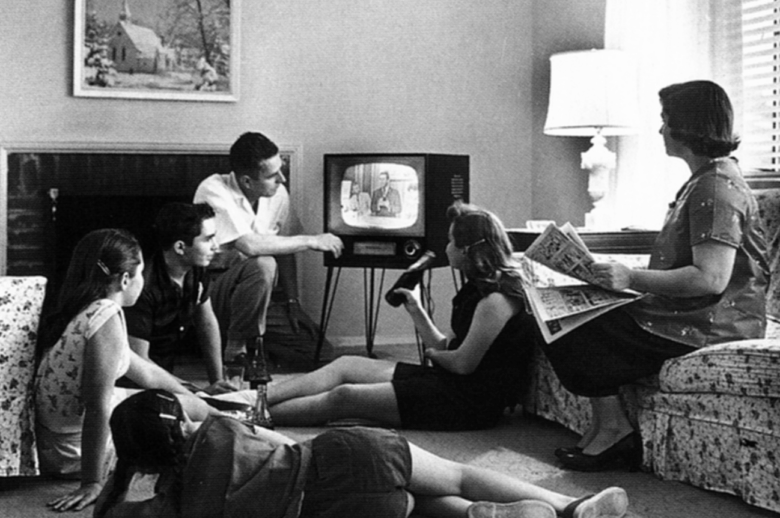
Isolation for misbehavior
Extended timeouts or room isolation taught children that their emotions made them unworthy of connection. Parents believed isolation built character and self-control. This practice contradicts healthy emotional development, which requires support during distress rather than abandonment.

Learning from the past
While 1950s parents operated with good intentions within their cultural context, modern neuroscience reveals the harm these practices caused. Today’s evidence-based approaches emphasize emotional validation, secure attachment, and nurturing as foundations for healthy brain development and lifelong well-being.
Related:
- 10 parenting habits that disappeared after the lockdown era
- Questionable parenting trends from the past
Like MediaFeed’s content? Be sure to follow us.
This article was syndicated by MediaFeed.org.