There’s no shortage of movies and TV shows about the plight of restaurant owners — their initial struggle and ultimate rise to success. But the restaurant industry can be punishing, leaving many entrepreneurs with only the effort and dashed dreams.
LendingTree analyzed the 50 largest U.S. cities to see which offers prospective restaurateurs the best shot at success. Many top spots are in once-overlooked Midwestern cities now experiencing urban renewal. The least promising cities have historically been the restaurant industry’s most competitive.
Image Credit: DepositPhotos.com.
Dining out: Still a great American pastime

Eating out has long been an American pastime — and growing. More than 1 million restaurants operate in the U.S., generating $799 billion in sales. Restaurants are expected to create 1.6 million new jobs by 2027. But despite the size and scope of the industry, it remains a challenging landscape for business owners. Changing consumer tastes and purchase behavior, as well as rising labor costs, continue to put pressure on restaurant owners, who must evolve their business models, menus and technology to keep their doors open.
However, it’s not all bad news for the industry. Restaurant sales have seen an uptick in recent years though it’s unclear if that’s due to an increased number of diners or Americans simply spending more. But a national rise in wages could motivate people to eat out more often. Either way, it creates a growing opportunity for restaurateurs. And despite commonly held beliefs that nearly all restaurants fail right away, their median life span is about 4 1/2 years.
Image Credit: DepositPhotos.com.
What we considered

To find out where prospective restaurant owners may have a better chance at succeeding, we looked at four factors within the 50 largest metros in America: Average estimated annual revenue, estimated payroll costs per employee, the
number of restaurants per 100,000 households with incomes of $50,000, and the number of restaurants per 100,000 residents aged 35-54.
Gen Xers have a greater appetite for restaurant spending than millennials or baby boomers, according to the same BLS survey. This may present an opportunity for cities dominated by this generation with relatively few restaurants.
Image Credit: DepositPhotos.com.
Most promising places to open a new restaurant

While traditional foodie destinations like New York and San Francisco are saturated with restaurants, up-and-comers have room to grow. You may not immediately think of Milwaukee and Cincinnati as foodie destinations, but they represent opportunities for new restaurant owners to find their footing. The restaurant population in these cities is less dense than in other areas while labor costs are lower, leaving room for newcomers to make a name for themselves.
Image Credit: DepositPhotos.com.
10. St. Louis

Final score: 68.7
Estimated median revenues (RPP normalized): $275,184
Avg. annual payroll per employee: $15,381
Establishments per 100K households (>$50K): 757
Establishments per 100K residents (35-54): 630
Image Credit: DepositPhotos.com.
9. Richmond, Virginia

Final score: 69.1
Estimated median revenues (RPP normalized): $299,232
Avg. annual payroll per employee: $15,221
Establishments per 100K households (>$50K): 781
Establishments per 100K residents (35-54): 634
Image Credit: Sean Pavone / iStock.
8. Hartford, Connecticut

Final score: 70.2
Estimated median revenues (RPP normalized): $472,800
Avg. annual payroll per employee: $18,119
Establishments per 100K households (>$50K): 748
Establishments per 100K residents (35-54): 685
Image Credit: DepositPhotos.com.
7. Kansas City, Missouri

Final score: 70.7
Estimated median revenues (RPP normalized): $255,120
Avg. annual payroll per employee: $16,489
Establishments per 100K households (>$50K): 709
Establishments per 100K residents (35-54): 588
Image Credit: TriggerPhoto/istockphoto.
6. Riverside, California

Final score: 71.8
Estimated median revenues (RPP normalized): $377,808
Avg. annual payroll per employee: $17,675
Establishments per 100K households (>$50K): 847
Establishments per 100K residents (35-54): 544
Image Credit: DepositPhotos.com.
5. Raleigh, North Carolina

Final score: 75.3
Estimated median revenues (RPP normalized): $356,022
Avg. annual payroll per employee: $15,396
Establishments per 100K households (>$50K): 786
Establishments per 100K residents (35-54): 600
Image Credit: Sean Pavone / iStock.
4. Louisville, Kentucky

Final score: 76.3
Estimated median revenues (RPP normalized): $360,000
Avg. annual payroll per employee: $14,979
Establishments per 100K households (>$50K): 794
Establishments per 100K residents (35-54): 600
Image Credit: traveler1116/istockphoto.
3. Minneapolis

Final score: 77.4
Estimated median revenues (RPP normalized): $293,100
Avg. annual payroll per employee: $17,094
Establishments per 100K households (>$50K): 629
Establishments per 100K residents (35-54): 574
Image Credit: StevenGaertner/istockphoto.
2. Cincinnati

Final score: 78.4
Estimated median revenues (RPP normalized): $370,944
Avg. annual payroll per employee: $14,813
Establishments per 100K households (>$50K): 757
Establishments per 100K residents (35-54): 613
Image Credit: aceshot / iStock.
1. Milwaukee
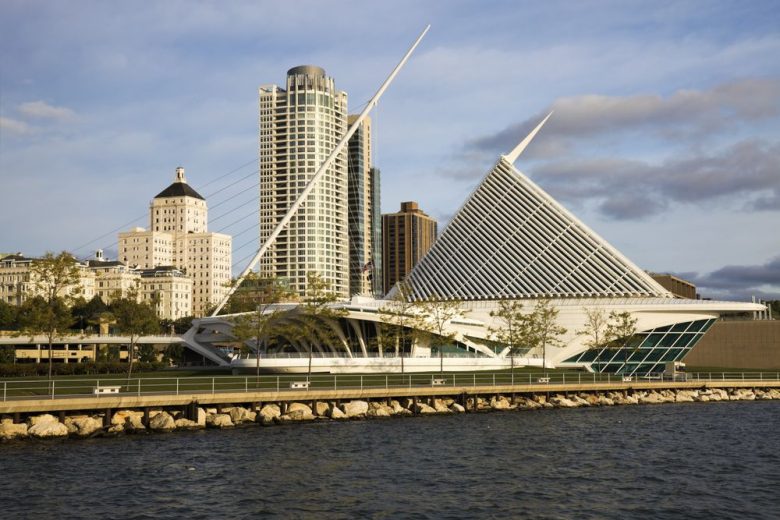
Final score: 82.5
Estimated median revenues (RPP normalized): $350,784
Avg. annual payroll per employee: $14,510
Establishments per 100K households (>$50K): 709
Establishments per 100K residents (35-54): 591
Image Credit: DepositPhotos.com.
Least promising places to open a restaurant

The lowest-ranking metros in our study are cities with world-renowned restaurant scenes. The local restaurant industry is overcrowded in these places, making it difficult for new restaurant owners to be successful.
Image Credit: DepositPhotos.com.
10. Buffalo, New York

Final score: 42.1
Estimated median revenues (RPP normalized): $152,064
Avg. annual payroll per employee: $16,309
Establishments per 100K households (>$50K): 869
Establishments per 100K residents (35-54): 735
Image Credit: mphillips007/istockphoto.
9. Miami

Final score: 41.2
Estimated median revenues (RPP normalized): $194,040
Avg. annual payroll per employee: $18,892
Establishments per 100K households (>$50K): 991
Establishments per 100K residents (35-54): 617
Image Credit: Art Wager/istockphoto.
8. Seattle

Final score: 39.1
Estimated median revenues (RPP normalized): $343,680
Avg. annual payroll per employee: $21,851
Establishments per 100K households (>$50K): 842
Establishments per 100K residents (35-54): 757
Image Credit: Lonnie Gorsline/shutterstock.
7. Los Angeles

Final score: 38.7
Estimated median revenues (RPP normalized): $355,536
Avg. annual payroll per employee: $19,634
Establishments per 100K households (>$50K): 1,036
Establishments per 100K residents (35-54): 717
Image Credit: DepositPhotos.com.
6. Portland, Oregon

Final score: 38.4
Estimated median revenues (RPP normalized): $271,308
Avg. annual payroll per employee: $19,125
Establishments per 100K households (>$50K): 916
Establishments per 100K residents (35-54): 748
Image Credit: 4nadia/istockphoto.
5. Boston

Final score: 38.0
Estimated median revenues (RPP normalized): $288,036
Avg. annual payroll per employee: $20,570
Establishments per 100K households (>$50K): 844
Establishments per 100K residents (35-54): 777
Image Credit: iStock.
4. Providence, Rhode Island

Final score: 32.9
Estimated median revenues (RPP normalized): $252,756
Avg. annual payroll per employee: $17,781
Establishments per 100K households (>$50K): 982
Establishments per 100K residents (35-54): 797
Image Credit: Sean Pavone/shutterstock.
3. New Orleans

Final score: 32.3
Estimated median revenues (RPP normalized): $251,520
Avg. annual payroll per employee: $17,426
Establishments per 100K households (>$50K): 1,069
Establishments per 100K residents (35-54): 759
Image Credit: Jorg Hackemann/shutterstock.
2. San Francisco

Final score: 24.8
Estimated median revenues (RPP normalized): $361,440
Avg. annual payroll per employee: $23,325
Establishments per 100K households (>$50K): 938
Establishments per 100K residents (35-54): 823
Image Credit: EarthScapeImageGraphy/istockphoto.
1. New York

Final score: 17.3
Estimated median revenues (RPP normalized): $224,640
Avg. annual payroll per employee: $22,581
Establishments per 100K households (>$50K): 993
Establishments per 100K residents (35-54): 791
Image Credit: DepositPhotos.com.
Financing can be an extra hurdle

In addition to the challenges brought on by location, new restaurant owners may have difficulty funding the operation as well. Obtaining financing can be challenging, especially if the owner has no previous experience owning or managing a restaurant, said Hunter Stunzi, senior vice president of small business at LendingTree.
Lenders often view restaurants as higher-risk businesses because of high turnover and failure rates, he said. Most new restaurants will have significant upfront costs, and owners usually need outside financing. Start-up costs could include:
- Leasing or purchasing a location
- Permits
- Outfitting the building for the restaurant
- Leasing or purchasing equipment
- Hiring staff
- Purchasing perishable inventory
- Marketing
All of these expenses can add up quickly. Long before buying their first commercial stove, business owners should first visit a bank to seek financing from the Small Business Administration, Stunzi said. An SBA loan could cover fixed expenses such as the location purchase and buildout. Online alternative lenders could be a good option for leasing equipment or obtaining working capital to cover inventory, marketing and payroll, he said.
Whether submitting an application to a bank or an online lender, new restaurant owners should be prepared to submit a clear business plan and a detailed description of their past experience, as well as the current management team at the restaurant. New owners would also have a better chance of approval if they have a strong personal credit profile and assets to offer as collateral on a loan.
“Any lender to a new restaurant will be very focused on the business plan and the owner’s experience,” Stunzi said.
Prospective restaurateurs can learn more about the steps to starting a restaurant here.
This article originally appeared on LendingTree.com and was syndicated by MediaFeed.org.
Image Credit: DepositPhotos.com.