When it comes to higher education, Native Americans face obstacles. Educationdata.org says that postsecondary attendance among American Indian and Alaska Native students “has been in decline since 2010.” Only 0.7% of college students identified as American Indian or Alaska Native in 2022.
“Research has found that American Indians and Alaska Natives have a much lower rate of college completion than the population as a whole,” the Department of Education’s (DOE) Federal Student Aid (FSA) says on its website.
The soaring cost of college could have something to do with this: The average annual cost of tuition at a public 4-year college is 23 times higher than in 1963. The average cost of college for in-state students at a four-year institution in 2022-23 was almost $11K. Students at private nonprofit four-year institutions paid over $39K on average.
According to the DOE, loan forgiveness (or cancellation) is generally the term used if you are no longer required to make payments on some or all of your student loans.
While there are some specific programs to help with Native American student loan forgiveness, it’s important to also research what financial aid, including scholarships and loans, is targeted toward American Indians and Alaska Natives.
(Learn more: Personal Loan Calculator)
Picking a Career With Loan Forgiveness
One very important resource: The Bureau of Indian Education provides a list of scholarships and grants available to Native American students, such as the American Indian College Fund.
Many states offer financial aid to Native American students attending college. Some individual colleges and state schools also offer free tuition and room and board to Native American students. For instance, Native American students who are Montana residents can qualify for a tuition waiver at Montana State University.
Keeping a career in mind when pursuing an education can make a big difference in financial aid and forgiveness options.
Health Services
One of the programs that gives priority to Native Americans is the Indian Health Services Loan Repayment Program. This program, part of the U.S. Department of Health and Human Services, provides funds for health professionals to help repay eligible education loans.
In 2023, the program announced an increase in the maximum annual award amount to $25,000 per year for new awards and extensions starting in Fiscal Year 2023. You can find details about the new award amount here. PDF File.
In exchange, health professionals agree to an initial two-year service commitment practicing in areas that serve American Indian and Alaska Native communities.
Priority enrollment in this program is given to American Indians and Alaska Natives. Professions across the healthcare spectrum, including behavioral health, dentistry, and dietetics, are available.
The organization says that available opportunities are based on the greatest staffing needs in Native American health facilities. Participants are also eligible to extend their contracts annually until their qualifying student debt is paid.
Public Service Loan Forgiveness
This program, offered by the DOE, is open to all qualified students, not just Native Americans. The careers that may qualify for Public Student Loan Forgiveness Program (PSLF) range from forestry and natural resources to teaching and law enforcement.
To receive loan forgiveness for work in public service, applicants must work full-time for a qualifying government agency or certain nonprofits. After 120 on-time, qualifying payments in an income-driven repayment (IDR) plan, the remainder of the student debt can be forgiven.
The Department of Federal Student Aid offers a PSLF Help Tool to start work on the Employment Certification Form to apply.
Serving as a full-time AmeriCorps or Peace Corps volunteer also counts as qualifying employment for the program. Loans that may be eligible to be forgiven under PSLF include any non-defaulted loans that you received under the Direct Loan Program from the government. Private loans are not eligible for any federal forgiveness plans.
Teacher Loan Forgiveness Program
For students interested in pursuing a career in teaching, the DOE’s Teacher Loan Forgiveness Program is key. If you teach full-time for five years straight in a low-income school or educational service agency, you might be eligible for up to $17,500 for certain subject areas.
Even if you don’t teach math, science, or special education, you could still receive up to $5,000 in loan forgiveness if you are a qualified full-time elementary or secondary education teacher.
This might be another option for Native American students looking for student loan debt forgiveness by giving back to a community in need.
To qualify, the school or educational agency must be listed in the directory, published by the DOE, for the years you were/are a teacher.
Lowering Your Student Loan Payments
While student loan forgiveness is often a great solution for debt relief, sometimes you might not qualify for career-based programs. One solution is income-driven relief (IDR) for federal student loans.
The Saving on a Valuable Education (SAVE) Plan is the newest income-driven repayment plan. Like other IDR plans, the SAVE Plan calculates your monthly payment amount based on your income and family size. In addition, the SAVE Plan has unique benefits that will lower payments for many borrowers.
The SAVE Plan lowers payments for almost all people compared to other IDR plans because your payments are based on a smaller portion of your adjusted gross income (AGI). Your payment for federal undergraduate loans could be as low as 10% of your discretionary income -– and that percentage could decrease to 5% in 2024.
The SAVE Plan has an interest benefit: If you make your full monthly payment, but it is not enough to cover the accrued monthly interest, the government covers the rest of the interest that accrued that month. This means that the SAVE Plan prevents your balance from growing due to unpaid interest.
Refinancing Student Loans
Looking to lower your monthly student loan payment? Refinancing may be one way to do it — by extending your loan term, getting a lower interest rate than what you currently have, or both. (Please note that refinancing federal loans makes them ineligible for federal forgiveness and protections. Also, lengthening your loan term may mean paying more in interest over the life of the loan.)
This article originally appeared on SoFi.com and was syndicated by MediaFeed.org.
SoFi Student Loan Refinance
If you are a federal student loan borrower, you should consider all of your repayment opportunities including the opportunity to refinance your student loan debt at a lower APR or to extend your term to achieve a lower monthly payment. Please note that once you refinance federal student loans you will no longer be eligible for current or future flexible payment options available to federal loan borrowers, including but not limited to income-based repayment plans or extended repayment plans.
SoFi Loan Products
SoFi loans are originated by SoFi Bank, N.A., NMLS #696891 Opens A New Window.
https://www.nmlsconsumeraccess.org/
(Member FDIC). For additional product-specific legal and licensing information, see SoFi.Equal Housing Lender.
Non affiliation: SoFi isn’t affiliated with any of the companies highlighted in this article.
External Websites: The information and analysis provided through hyperlinks to third-party websites, while believed to be accurate, cannot be guaranteed by SoFi. Links are provided for informational purposes and should not be viewed as an endorsement.
More from MediaFeed
States where Americans are paying the most & least for gas

As anyone who’s gone to the pump in the past couple of years knows, filling up isn’t as cheap as it used to be. Gas prices have risen in the second half of 2023, due in large part to a drop in global oil production. In early October of 2023, the average price of gas was $3.77 per gallon, according to AAA — up 60 cents from the $3.17 average at the beginning of the year. Still, that’s lower than what consumers paid in June 2022, which saw the highest recorded average of $5.03.
Fuel prices have been soaring for a few reasons. Prior to coronavirus’s arrival in the U.S. in 2020, gas cost around $2.50 per gallon. During the pandemic, as fewer Americans were driving to work or for pleasure, the price of oil plummeted.
In 2021 people started driving and flying again, and demand for gas surged. The supply couldn’t keep up, so the price of gas increased.
Prices dropped a little in early 2022 as things started getting back to normal — until late February, when Russia invaded Ukraine. The ensuing war led to a steep increase in prices as Europe, the U.S., and other countries agreed to stop buying Russian oil.
Then, in mid-2023, Russia and Saudi Arabia announced an extension of their oil production cuts, which caused prices to jump up yet again. The U.S. Energy Information Administration expects gas prices to continue rising over the rest of the year.
Although gas prices hit new highs in 2022, that wasn’t the first time gas numbers have spiked. A look back at the average national gas price in previous decades can provide some context. So can observing how state regulations affect the price of gas in your area.
Keep reading to learn more about historical gas prices, get a sense of how things have changed over time, and learn tips for finding cheap gas in your area.
mladenbalinovac/istockphoto
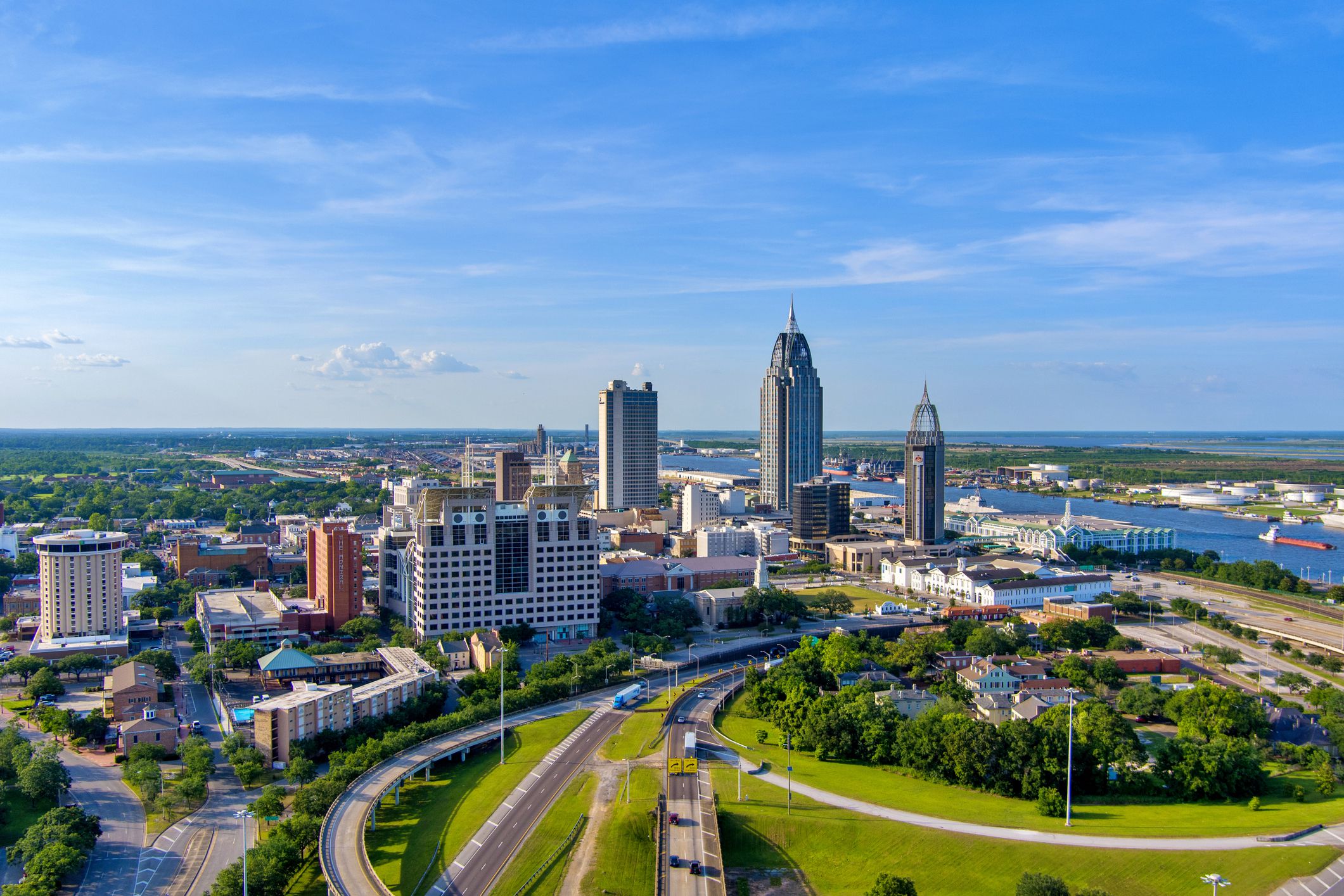
- Unleaded: $3.28
- Premium: $4.63
- Diesel: $4.29
Cavan Images/istockphoto

- Unleaded: $4.63
- Premium: $5.04
- Diesel: $4.77
chaolik/istockphoto

- Unleaded: $4.59
- Premium: $5.20
- Diesel: $4.96
Davel5957/istockphoto

- Unleaded: $3.33
- Premium: $4.11
- Diesel: $4.23
pabradyphoto/istockphoto

- Unleaded: $5.93
- Premium: $6.33
- Diesel: $6.45
Spondylolithesis/istockphoto

- Unleaded: $3.83
- Premium: $4.43
- Diesel: $4.51
lightphoto/istockphoto

- Unleaded: $3.77
- Premium: $4.71
- Diesel: $4.62
DenisTangneyJr/istockphoto

- Unleaded: $3.29
- Premium: $4.16
- Diesel: $4.29
DenisTangneyJr/istockphoto

- Unleaded: $3.52
- Premium: $4.25
- Diesel: $4.50
Kasra Keighobady/istockphoto

- Unleaded: $3.20
- Premium: $4.11
- Diesel: $4.21
SeanPavonePhoto/istockphoto

- Unleaded: $4.87
- Premium: $5.32
- Diesel: $5.83
Art Wager/istockphoto

- Unleaded: $4.11
- Premium: $4.56
- Diesel: $4.82
Sean Pavone/istockphoto

- Unleaded: $3.75
- Premium: $4.67
- Diesel: $4.32
Shelly Bychowski/istockphoto

- Unleaded: $3.52
- Premium: $4.48
- Diesel: $4.47
Sean Pavone/istockphoto

- Unleaded: $3.51
- Premium: $4.29
- Diesel: $4.30
Jacob Boomsma/istockphoto

- Unleaded: $3.56
- Premium: $4.19
- Diesel: $4.31
TriggerPhoto/istockphoto

- Unleaded: $3.37
- Premium: $4.25
- Diesel: $4.31
Thomas Kelley

- Unleaded: $3.29
- Premium: $4.03
- Diesel: $4.19
ghornephoto/istockphoto

- Unleaded: $3.74
- Premium: $4.59
- Diesel: $4.51
Sean Pavone/istockphoto

- Unleaded: $3.48
- Premium: $4.34
- Diesel: $4.40
DenisTangneyJr/istockphoto

- Unleaded: $3.73
- Premium: $4.61
- Diesel: $4.55
ivanastar/istockphoto

- Unleaded: $3.66
- Premium: $4.67
- Diesel: $4.40
pawel.gaul/istockphoto

- Unleaded: $3.69
- Premium: $4.42
- Diesel: $4.38
Davel5957/istockphoto
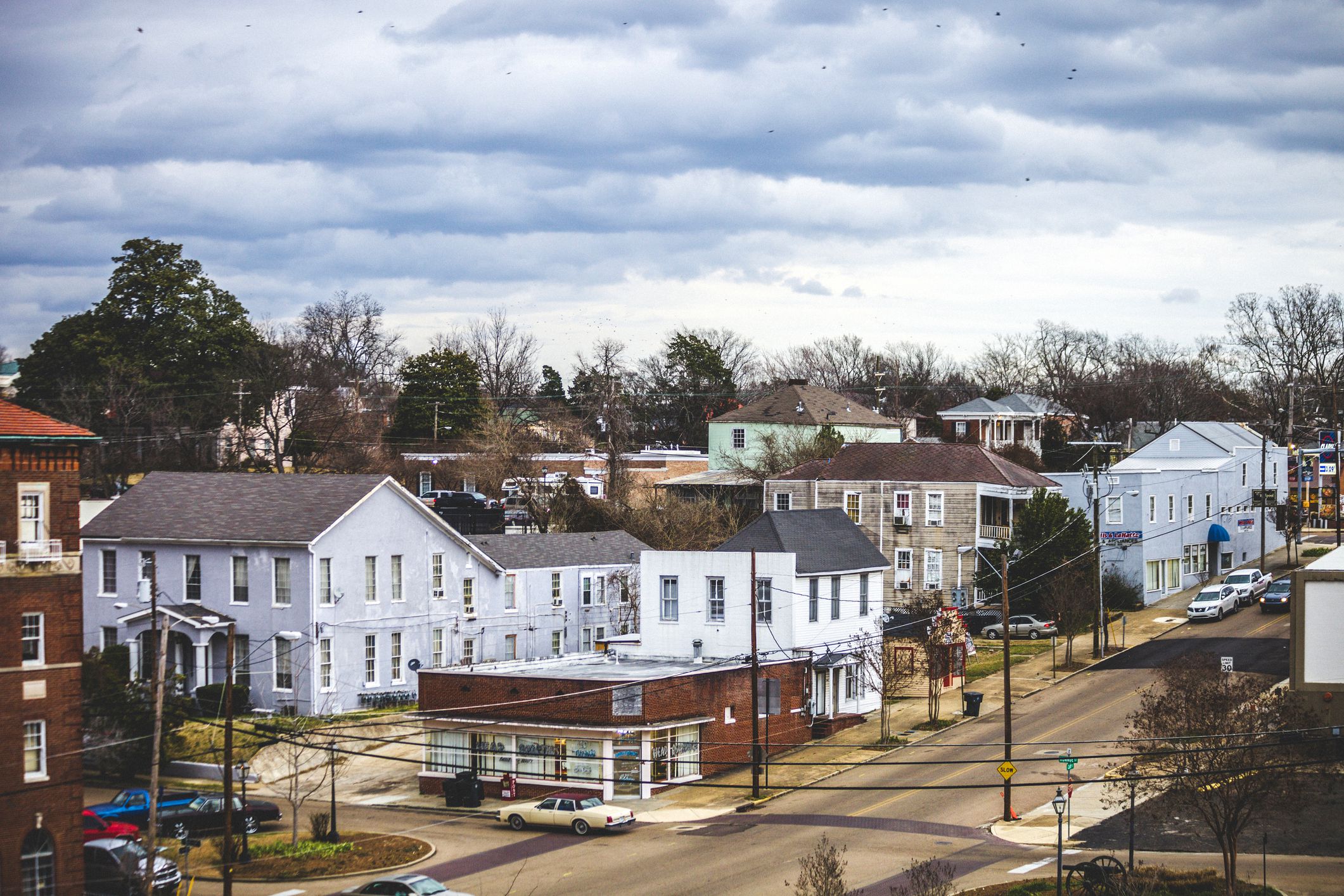
- Unleaded: $3.20
- Premium: $3.95
- Diesel: $4.11
(Learn more: Personal Loan Calculator)
peeterv/istockphoto

- Unleaded: $3.40
- Premium: $4.11
- Diesel: $4.19
Art Wager/istockphoto

- Unleaded: $4.05
- Premium: $4.63
- Diesel: $4.70
powerofforever/istockphoto

- Unleaded: $3.67
- Premium: $4.31
- Diesel: $4.30
Matt Bills/istockphoto
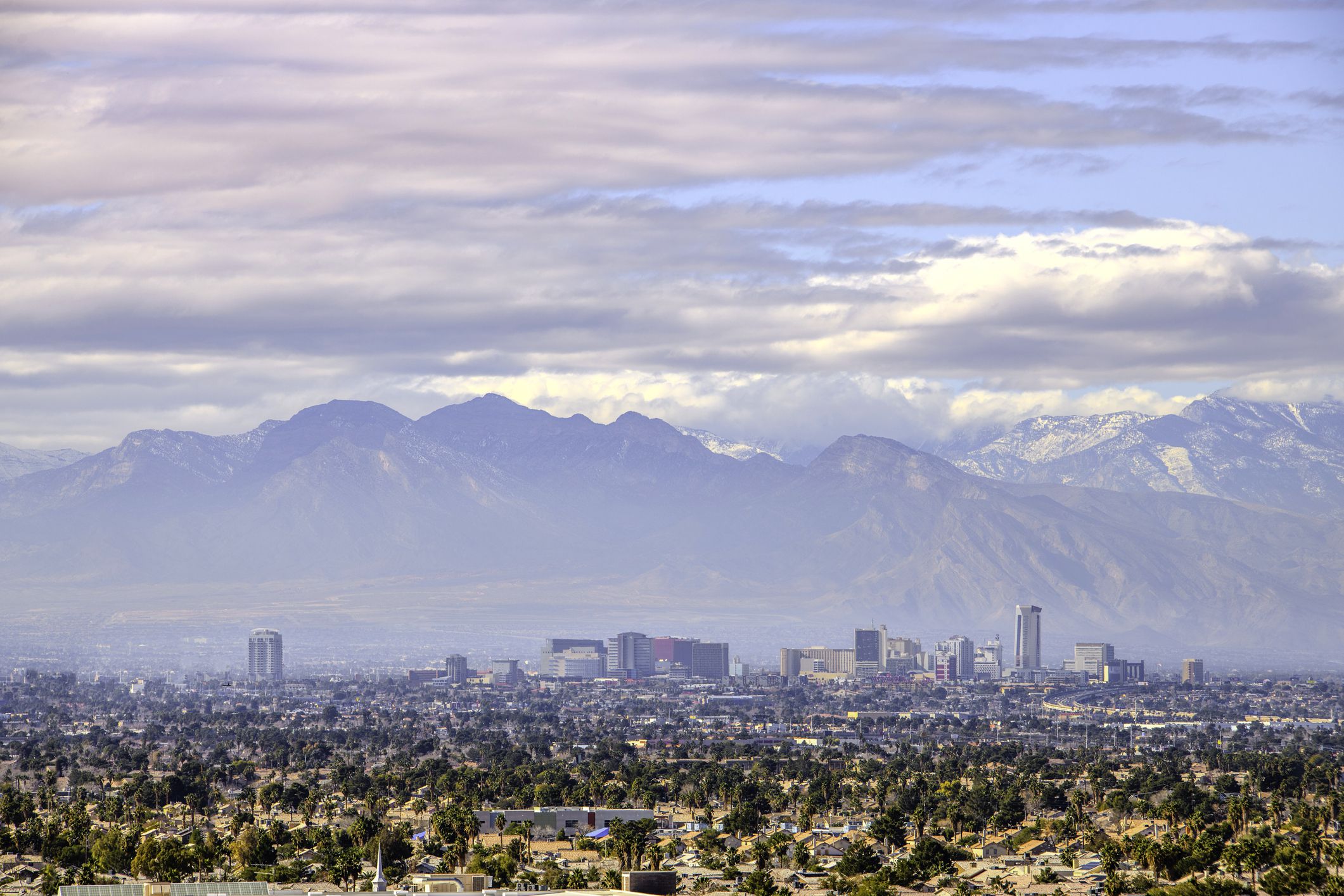
- Unleaded: $5.03
- Premium: $5.55
- Diesel: $5.25
4kodiak/istockphoto

- Unleaded: $3.64
- Premium: $4.50
- Diesel: $4.42
DenisTangneyJr/istockphoto

- Unleaded: $3.59
- Premium: $4.45
- Diesel: $4.52
Johnrob/istockphoto

- Unleaded: $3.68
- Premium: $4.33
- Diesel: $4.43
Sean Pavone/istockphoto

- Unleaded: $3.88
- Premium: $4.73
- Diesel: $4.74
TriggerPhoto / istockphoto

- Unleaded: $3.80
- Premium: $4.18
- Diesel: $4.33
Mark Howard/istockphoto

- Unleaded: $3.80
- Premium: $4.48
- Diesel: $4.41
DenisTangneyJr/istockphoto

- Unleaded: $3.35
- Premium: $4.27
- Diesel: $4.36
Sean Pavone/istockphoto

- Unleaded: $3.51
- Premium: $4.27
- Diesel: $4.22
Tiago_Fernandez/istockphoto

- Unleaded: $3.51
- Premium: $5.18
- Diesel: $5.17
BruceBlock/istockphoto

- Unleaded: $3.85
- Premium: $4.58
- Diesel: $4.82
Sean Pavone/istockphoto

- Unleaded: $3.67
- Premium: $4.64
- Diesel: $4.54
SeanPavonePhoto/istockphoto

- Unleaded: $3.27
- Premium: $4.05
- Diesel: $4.30
SeanPavonePhoto/istockphoto

- Unleaded: $3.77
- Premium: $4.40
- Diesel: $4.41
DenisTangneyJr/istockphoto

- Unleaded: $3.30
- Premium: $4.08
- Diesel: $4.27
benedek/istockphoto
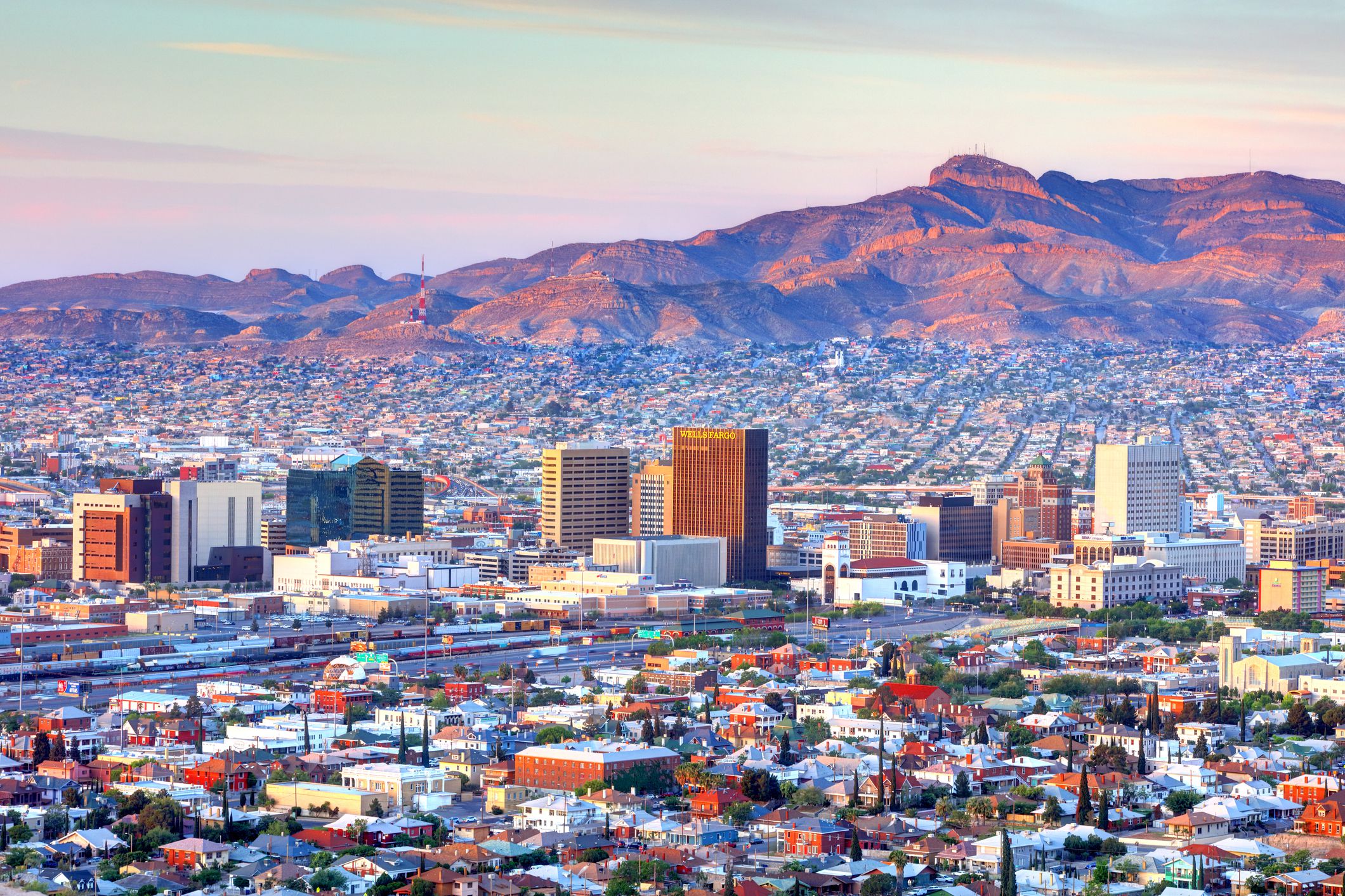
- Unleaded: $3.30
- Premium: $4.04
- Diesel: $4.09
DenisTangneyJr/istockphoto

- Unleaded: $4.09
- Premium: $4.55
- Diesel: $4.72
f11photo/istockphoto

- Unleaded: $3.79
- Premium: $4.62
- Diesel: $4.36
DenisTangneyJr/istockphoto

- Unleaded: $3.50
- Premium: $4.29
- Diesel: $5.67
ferrantraite/istockphoto

- Unleaded: $5.10
- Premium: $5.55
- Diesel: $4.32
400tmax/istockphoto
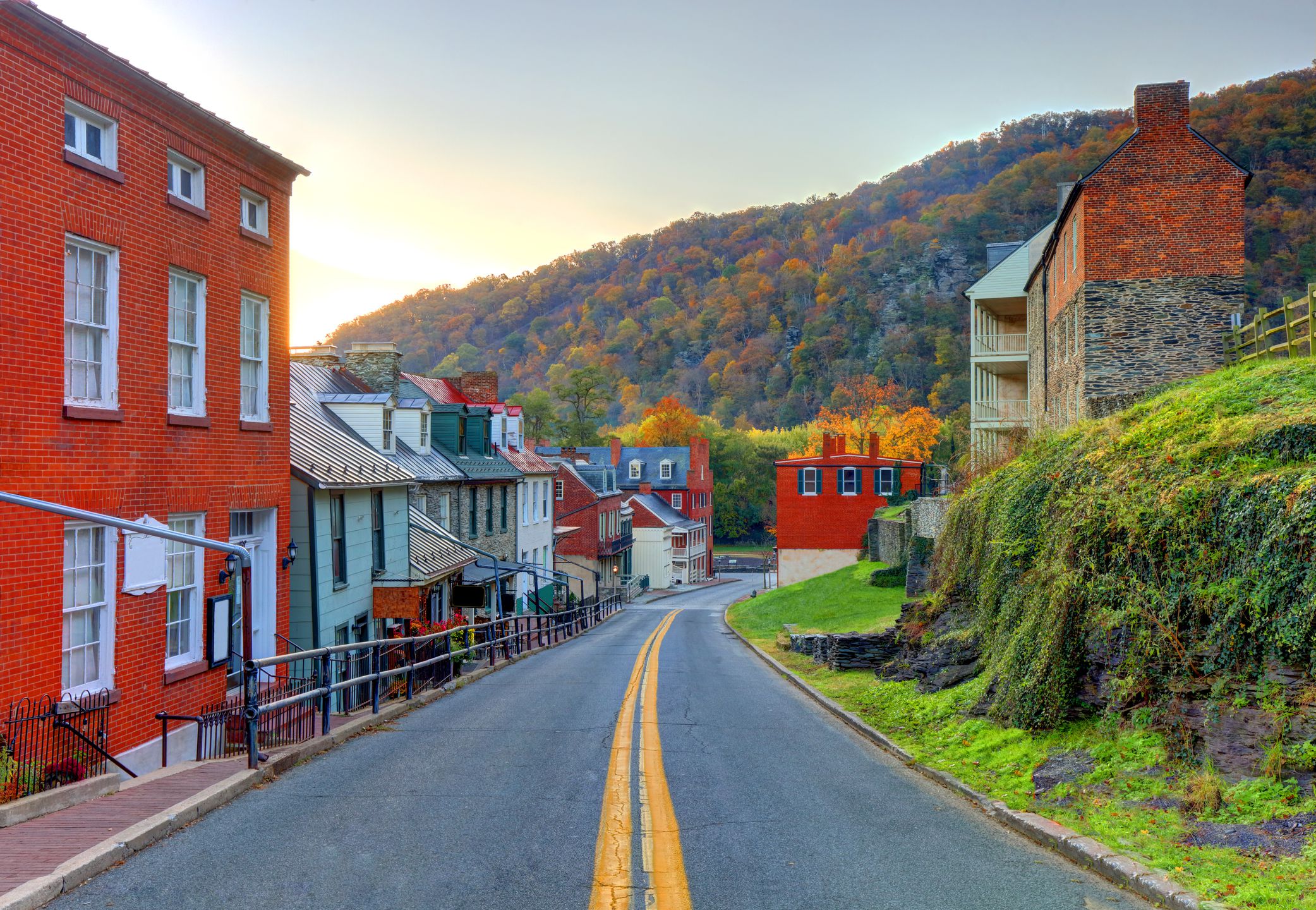
- Unleaded: $3.56
- Premium: $4.24
- Diesel: $4.32
DenisTangneyJr/istockphoto

- Unleaded: $3.41
- Premium: $4.30
- Diesel: $4.18
csfotoimages/istockphoto

- Unleaded: $3.86
- Premium: $4.41
- Diesel: $4.63
DenisTangneyJr/istockphoto
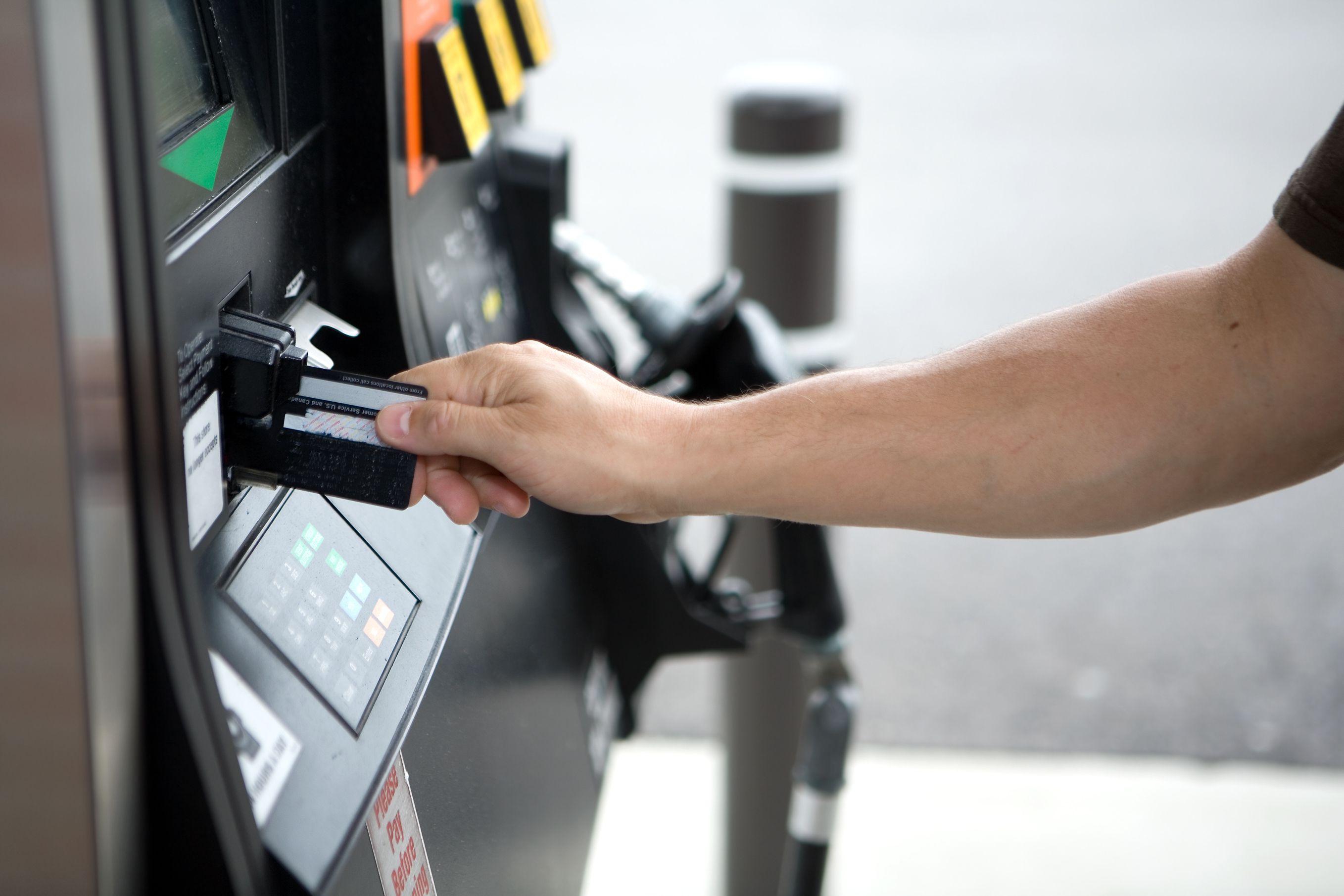
There are a few ways to find the cheapest gas in the nearby area and save money on your gas bill:
- Use an app like GasBuddy to locate the lowest nearby price. The app lets drivers search by gas type, payment type, the brand of gas station, and other factors. The app also offers cashback deals, paid subscriptions, and more.
- AAA has a gas price monitoring website that gets updated every day. Drivers can search by state and country to find the best prices.
- Both Google Maps and Waze keep track of gas prices. When you search for gas stations within their maps, the price of gas at local stations will pop up. Although one can’t filter by price or automatically see the lowest price, it’s fairly easy to look around and find the cheapest option.
- Another useful app is GetUpside. The app lets users compare gas prices near them, and also earn cash back every time they fill up their tank.
- Besides the ability to buy in bulk, one of the perks of getting a Costco or Sam’s membership is getting discounts on gas. It’s often the cheapest option for club members.
- Certain days of the week tend to have lower prices. Generally, Mondays are the cheapest, followed by Sunday, while Wednesday and Thursday are the most expensive days.
aabejon/istockphoto
Gas prices go up and down in response to a variety of global and domestic factors. But there are a few ways to source the best deals on gas and stay within your budget, including apps and membership-only retailers.
This article originally appeared on SoFi.com and was syndicated by MediaFeed.org.
SoFi’s Insights tool offers users the ability to connect both SoFi accounts and external accounts using Plaid, Inc.’s service. When you use the service to connect an account, you authorize SoFi to obtain account information from any external accounts as set forth in SoFi’s Terms of Use. Based on your consent SoFi will also automatically provide some financial data received from the credit bureau for your visibility, without the need of you connecting additional accounts. SoFi assumes no responsibility for the timeliness, accuracy, deletion, non-delivery or failure to store any user data, loss of user data, communications, or personalization settings. You shall confirm the accuracy of Plaid data through sources independent of SoFi. The credit score is a VantageScore® based on TransUnion® (the “Processing Agent”) data.
Third-Party Brand Mentions: No brands, products, or companies mentioned are affiliated with SoFi, nor do they endorse or sponsor this article. Third-party trademarks referenced herein are property of their respective owners.
Non affiliation: SoFi isn’t affiliated with any of the companies highlighted in this article.
Financial Tips & Strategies: The tips provided on this website are of a general nature and do not take into account your specific objectives, financial situation, and needs. You should always consider their appropriateness given your own circumstances.
aabejon/istockphoto

pawinp/istockphoto
Featured Image Credit: Fly View Productions/istockphoto.