Retro inventions that were way ahead of their time
Throughout history, brilliant inventors have created technologies that seemed like pure science fiction to their contemporaries, developing devices so advanced that entire societies struggled to comprehend their potential applications or significance. These visionary minds possessed an almost supernatural ability to see beyond the limitations of their era, imagining solutions to problems that most people hadn’t yet recognized existed. Their laboratories and workshops became time machines where future possibilities materialized decades before the world was ready to embrace them.
These groundbreaking inventions often failed spectacularly in their initial incarnations, not because the underlying concepts were flawed or the engineering was inadequate, but because the supporting infrastructure, economic conditions, and cultural mindset necessary to sustain them had not yet developed. The inventors found themselves caught in a temporal paradox—creating tomorrow’s solutions with yesterday’s resources while trying to convince today’s consumers to adopt revolutionary changes to their daily routines and established behaviors.
Today, as you effortlessly video chat with distant relatives, navigate unfamiliar cities using GPS, and stream entertainment directly to your devices, you are finally experiencing the future that innovative minds envisioned decades—sometimes an entire century—before their ideas became a practical reality. These early pioneers deserve recognition not just as inventors, but as prophets of technology who possessed the courage to pursue seemingly impossible dreams despite facing ridicule, financial failure, and social rejection.

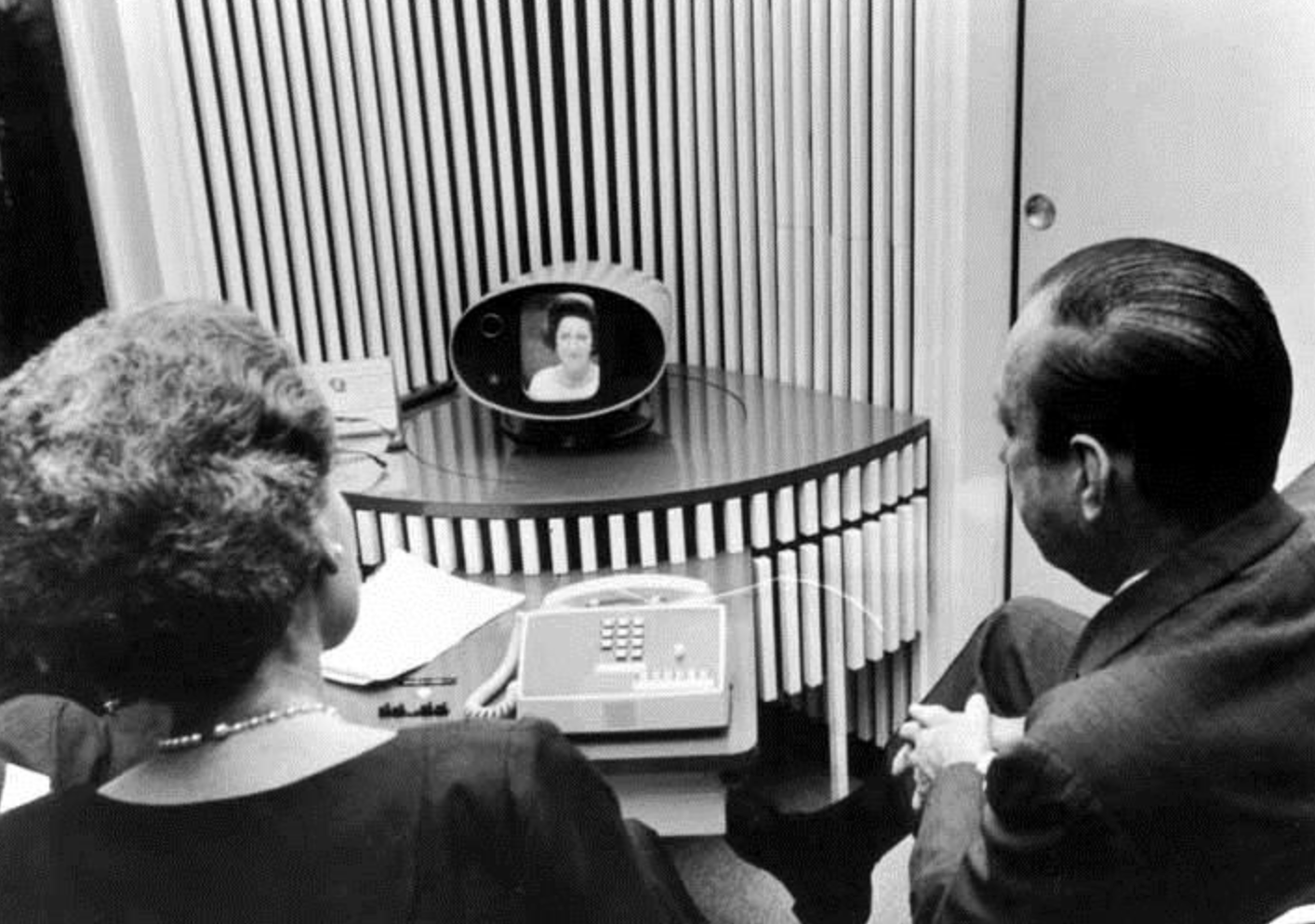
Video calling: from 1964 AT&T Picturephone to Zoom revolution
AT&T’s Picturephone made its spectacular debut at the 1964 World’s Fair in New York, promising visitors a glimpse into a future where face-to-face conversations could occur across any distance with crystal-clear video quality that would make physical presence seem unnecessary. The demonstration booths attracted enormous crowds of amazed fairgoers who watched in wonder as people conversed with others located miles away, seeing their expressions and gestures as clearly as if they were sitting in the same room. The technology represented a quantum leap beyond simple voice communication, suggesting that the barriers of geography could be eliminated through electronic innovation.
The initial failure of video calling stemmed from multiple practical obstacles that proved insurmountable for 1960s society. The service cost $160 per month (equivalent to over $1,200 in today’s currency), making it accessible only to wealthy businesses and institutions willing to invest heavily in experimental communication technology. The system required specialized phone lines and equipment, which limited availability to major metropolitan areas. Early users discovered that they felt uncomfortable being seen while talking, preferring the privacy and casual informality that voice-only conversations allowed.
The COVID-19 pandemic vindicated those early AT&T engineers by making video calling essential overnight, proving that inventors had correctly identified humanity’s fundamental need for visual connection during communication. Modern platforms like Zoom, Skype, and FaceTime succeeded where Picturephone failed by leveraging ubiquitous internet infrastructure, affordable devices, and a generation comfortable with constant digital interaction. The technology that seemed impossibly futuristic in 1964 became so commonplace by 2020 that elementary school students attended classes via video chat from their bedrooms.
GPS navigation: from 1973 military secret to Google Maps everywhere
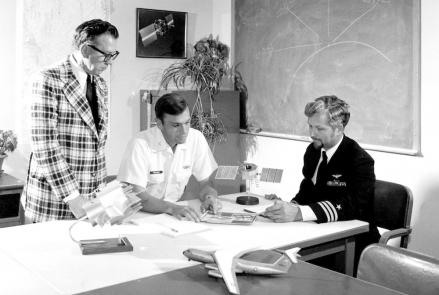
The Global Positioning System began as a highly classified military project in the early 1970s, designed primarily for missile guidance and troop navigation in hostile territory where traditional landmarks and compass readings proved inadequate. The concept seemed impossibly futuristic even to defense contractors: the idea that satellites orbiting hundreds of miles above Earth could pinpoint locations with mathematical precision challenged fundamental assumptions about navigation and geographic knowledge. Early GPS technology required room-sized computers and cost millions of dollars, making civilian applications seem completely impractical for the foreseeable future.
When GPS technology first became available to civilian users in the 1980s, the devices cost thousands of dollars, required multiple satellites to achieve basic functionality, and provided accuracy measured in hundreds of feet rather than the precise positioning users expected. The units were bulky, power-hungry, and required extensive technical knowledge to operate effectively, limiting their appeal to professional surveyors, maritime navigation, and aviation applications. Consumer adoption remained minimal because the cost-benefit analysis didn’t support purchasing expensive equipment that duplicated the functionality of paper maps and traditional navigation methods.
The transformation to ubiquitous GPS demonstrates how military innovations eventually revolutionize civilian life in ways original inventors never imagined possible. Modern smartphones provide free GPS navigation with pinpoint accuracy, real-time traffic updates, and integration with local business information, proving that the 1970s engineers correctly envisioned a future where precise location awareness would become essential to daily life. The technology that once guided intercontinental ballistic missiles now helps millions of people find coffee shops, navigate hiking trails, and coordinate ride-sharing services with casual ease.

Flat screen television: from 1964 prototype to living room standard
The University of Illinois created the first plasma display panel in 1964, producing a 12-inch orange monochrome screen that seemed like pure science fiction compared to the bulky cathode ray tube televisions that dominated American homes. The prototype demonstrated that television images could be displayed on thin, flat surfaces rather than requiring the deep, heavy tubes that made televisions massive pieces of furniture. Researchers envisioned wall-mounted displays that would transform home entertainment, but the technology required decades of development before becoming commercially viable.
Early flat screen televisions in the 1990s cost upward of $15,000, featured poor picture quality compared to traditional tube televisions, and were too expensive for average consumers to consider purchasing. The displays suffered from limited viewing angles, color reproduction problems, and reliability issues that made them suitable only for wealthy early adopters willing to pay premium prices for cutting-edge technology. Most consumers remained satisfied with their familiar tube televisions, which provided superior picture quality at a fraction of the cost of experimental flat panel displays.
Today’s massive, affordable 4K smart televisions completely vindicate those early University of Illinois researchers who believed that bulky tube televisions would eventually become obsolete relics replaced by wall-mounted displays. Modern flat screens combine superior picture quality, energy efficiency, and smart connectivity features that transform television from passive entertainment into interactive digital platforms. The technology that seemed impossibly futuristic in 1964 now seems so obvious that younger generations cannot imagine televisions any other way.

Tablet computers: from 1989 GRiDPad to iPad revolution
GRiD Systems introduced the GRiDPad in 1989 as the world’s first successful tablet computer, weighing 4.5 pounds and featuring handwriting recognition software that allowed field workers to input data without traditional keyboards. The device represented a revolutionary concept: portable computing that combined the convenience of paper notebooks with the power of digital processing and data storage. Early adopters included insurance adjusters, delivery services, and medical professionals who needed to collect information while away from traditional office environments.
The original tablet computers failed to achieve mainstream adoption because they were too heavy to use comfortably for extended periods, suffered from terrible battery life that required frequent recharging, and lacked the software ecosystem necessary to replace traditional computers for most users. The handwriting recognition technology was slow and error-prone, frustrating users who found typing faster and more reliable than writing on digital screens. The high cost and limited functionality made tablets expensive novelties rather than practical computing solutions for typical consumers.
The Apple iPad succeeded by focusing on simplicity, intuitive touch interfaces, and lightweight design that finally delivered on the original promise of comfortable computing anywhere. The iPad’s success validated the core concept that GRiD engineers had pursued decades earlier—that users wanted portable devices that combined the convenience of paper with digital capabilities. Modern tablets prove that the original vision was correct; the technology simply needed to mature until hardware, software, and user interface design could create genuinely superior experiences compared to traditional computing methods.
Voice recognition: from 1952 Bell Labs to Alexa everywhere
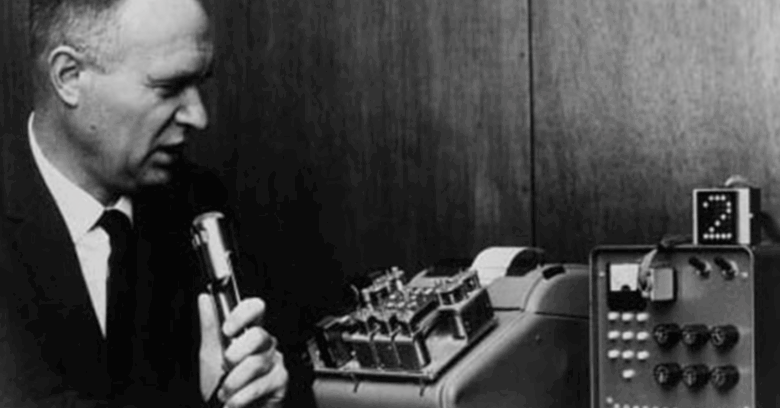
Bell Laboratories introduced the “Audrey” system in 1952, creating humanity’s first successful attempt at machine recognition of spoken language through a system that could identify spoken digits with remarkable accuracy for its era. The researchers envisioned a future where humans could communicate naturally with machines through speech rather than requiring specialized input devices or technical interfaces. Audrey represented a breakthrough in artificial intelligence research, proving that computers could be programmed to interpret acoustic patterns and translate them into digital commands.
Early voice recognition systems required extensive training periods where users had to teach the software to recognize their specific speech patterns, making the technology practical only for dedicated users willing to invest considerable time in setup and calibration. The systems worked reliably only for specific users and had error rates that made traditional keyboard input faster and more reliable for most applications. Limited vocabulary recognition and sensitivity to background noise further restricted practical applications to controlled environments with predictable speech patterns.
Modern voice assistants like Alexa, Siri, and Google Assistant achieve the dream of conversational computing by understanding natural speech patterns, learning from millions of users simultaneously, and integrating with smart home systems to control entire environments through voice commands. These systems succeeded where early voice recognition failed by leveraging cloud computing power, machine learning algorithms, and vast databases of speech patterns that enable accurate recognition across diverse accents, languages, and speaking styles. The technology that seemed impossibly complex in 1952 now seems so natural that children grow up expecting machines to respond to spoken requests.

3D movies: from 1922’s “The Power of Love” to modern cinema
“The Power of Love” premiered in Los Angeles in 1922 as the world’s first commercial 3D movie, using red and green anaglyph filters to create the illusion of depth that transported audiences into the screen action with unprecedented realism. The film demonstrated that motion pictures could extend beyond flat, two-dimensional representations to create truly immersive experiences that made viewers feel like participants rather than mere observers. The technology captured public imagination and suggested that cinema could evolve into something approaching virtual reality.
Three-dimensional movies experienced multiple cycles of brief popularity followed by commercial failure, most notably during the 1950s science fiction boom and the 1980s revival, but consistently failed due to uncomfortable glasses, significantly dimmed images, and filmmakers’ tendency to prioritize gimmicky visual effects over compelling storytelling. Audiences found the glasses cumbersome, and the viewing experience often caused headaches or eye strain. At the same time, the novelty of depth effects wore off quickly when movies relied on spectacle rather than narrative quality. The technology seemed perpetually on the verge of a breakthrough without ever achieving sustainable success.
Modern digital 3D projection systems finally delivered on the original promise through improved polarized glasses, brighter digital projectors, and sophisticated post-production techniques that create convincing depth without sacrificing image quality. Films like “Avatar” proved that 3D could enhance storytelling rather than merely providing visual gimmicks, though the format faces new challenges from streaming services and home viewing preferences. The technology that pioneered immersive cinema in 1922 continues evolving toward virtual and augmented reality applications that may finally fulfill the original vision of truly immersive entertainment.

Electric cars: from 1891 success to Tesla resurrection
In 1900, electric automobiles outsold gasoline-powered vehicles in the United States, with 28% of cars on American roads being electric-powered vehicles that were quieter, cleaner, and more reliable than their internal combustion competitors. Electric cars required no hand-cranking to start, produced no exhaust fumes, and needed minimal maintenance compared to temperamental gasoline engines that frequently broke down and required constant mechanical attention. Wealthy urban customers preferred electric vehicles for city driving, where their limited range posed no significant disadvantage.
The dominance of gasoline automobiles resulted from Henry Ford’s assembly line production methods that made internal combustion cars dramatically cheaper, combined with abundant cheap oil and the development of electric starter motors that eliminated hand-cranking disadvantages. Limited battery technology restricted electric cars to short-distance urban use, while expanding road networks and gasoline infrastructure made long-distance travel practical only with liquid fuel vehicles. By 1920, electric cars had virtually disappeared from American roads, seeming like historical curiosities rather than viable transportation alternatives.
Climate change concerns and advanced lithium-ion battery technology have vindicated the original electric vehicle concept, with Tesla’s success proving that electric cars can outperform gasoline vehicles in acceleration, efficiency, and total cost of ownership. Major automobile manufacturers now commit to fully electric lineups within decades, while governments worldwide ban internal combustion engines to combat pollution and greenhouse gas emissions. The technology that dominated roads in 1900 represents the future of transportation, proving that sometimes the earliest solutions were actually the best long-term choices.

Home shopping: from 1977 QUBE to Amazon empire
Warner Cable’s QUBE interactive television system launched in Columbus, Ohio in 1977, allowing viewers to purchase products directly through their television sets using remote control devices that seemed impossibly futuristic for the era. The system offered viewers the convenience of shopping from their living rooms without traveling to stores, comparing prices, or dealing with salespeople, representing a revolutionary concept that traditional retailers dismissed as a temporary novelty. QUBE provided early glimpses of interactive media that would eventually transform both entertainment and commerce.
The early home shopping concept failed to achieve widespread adoption because of limited product selection, high costs that made televised merchandise more expensive than store-bought alternatives, and widespread consumer distrust of purchasing items without physical inspection. Most viewers preferred traditional shopping experiences where they could examine products directly, try on clothing, and negotiate prices with salespeople. The technology seemed to solve problems that most consumers didn’t recognize as problems, making adoption rates disappointingly low for investors and technology enthusiasts.
Amazon and modern e-commerce platforms proved that the QUBE concept was fundamentally correct—people do want the convenience of shopping from home when provided with adequate selection, competitive prices, customer reviews, and easy return policies. Online retail now dominates many product categories, while traditional stores struggle to compete with the convenience and selection that digital platforms provide. The vision of home-based commerce that seemed impractical in 1977 now seems so obvious that younger generations cannot imagine shopping any other way.
Wireless headphones: from 1960s concept to AirPods phenomenon
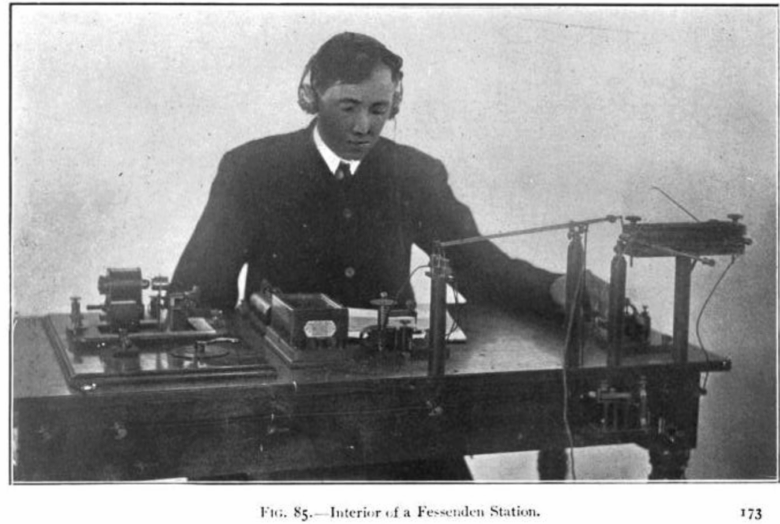
Early wireless headphones developed during the 1960s used radio frequency transmission to eliminate the need for physical connections between audio sources and listeners, but the bulky devices required large base stations and suffered from poor sound quality that made wired alternatives clearly superior. The concept appealed to users who wanted freedom of movement while listening to music or radio programs, but the technology couldn’t deliver audio quality that justified the expense and inconvenience of early wireless systems. Most consumers remained satisfied with traditional wired headphones that provided superior sound at a lower cost.
Bluetooth wireless headphones introduced in the late 1990s represented a significant technological improvement but suffered from frequent connection problems, short battery life, and high prices that limited adoption to technology enthusiasts willing to accept compromises for wireless convenience. Early Bluetooth audio compression reduced sound quality compared to wired connections, while pairing procedures were often complex and unreliable. The technology seemed promising but not mature enough to replace traditional wired headphones for most users.
Apple’s AirPods succeeded by solving all the fundamental problems that had plagued wireless headphones for decades—seamless device pairing, excellent sound quality, comfortable fit, and social acceptance of wearing them in public settings. The success of AirPods validated the original concept that users wanted freedom from wires, proving that the technology simply needed to mature until performance exceeded wired alternatives rather than requiring compromises. Modern wireless audio proves that sometimes revolutionary ideas need multiple generations of development before achieving mainstream success.
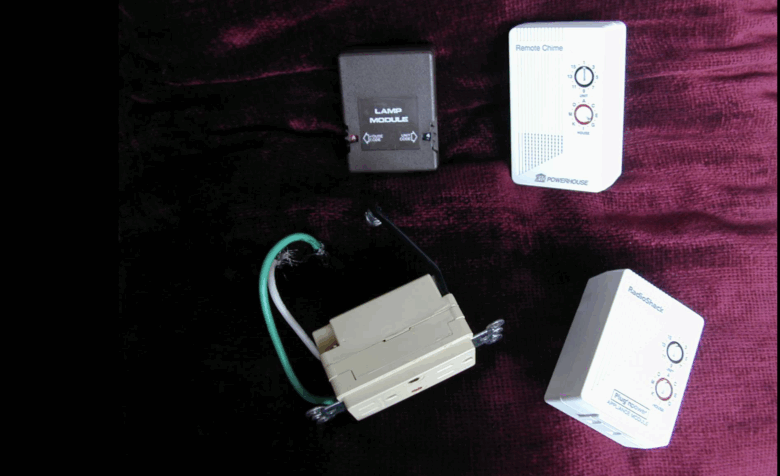
Smart homes: from 1975 X10 to modern IoT
X10 home automation technology launched in 1975, allowing homeowners to control lights, appliances, and other electrical devices using power line communication and remote controls that seemed impossibly sophisticated for the era. The system promised automated homes where residents could program lighting schedules, control temperature settings, and manage security systems through centralized controls that would make daily life more convenient and energy-efficient. Early adopters envisioned homes that would respond intelligently to occupant needs and preferences.
Early home automation systems required extensive technical expertise to install and maintain, suffered from compatibility problems between different manufacturers’ devices, and cost thousands of dollars to implement properly in average homes. The systems were unreliable, often failing to respond to commands or executing actions incorrectly, while programming interfaces were too complex for typical homeowners to master. Most consumers found traditional light switches and manual appliance controls more reliable and cost-effective than experimental automation technology.
Modern smart home devices succeed through smartphone app interfaces, cloud-based connectivity, and voice control systems that make home automation accessible to average consumers without technical expertise. Devices like smart thermostats, automated lighting, and intelligent security systems deliver the convenience and energy savings that X10 pioneers envisioned, proving that the original concept was sound but needed better user interfaces and reliable connectivity. The automated lifestyle that seemed impossibly complex in 1975 now seems natural to homeowners who expect their homes to respond intelligently to their needs and schedules.

Conclusion
Today’s technology landscape proves that inventors who seemed hopelessly ahead of their time were actually seeing the future with remarkable clarity, correctly identifying human needs and technological possibilities that wouldn’t be fully realized for decades after their initial efforts. These pioneers deserve recognition not just as inventors, but as prophets who possessed the vision and persistence to pursue seemingly impossible dreams despite facing ridicule and commercial failure.
Great innovations often require generations to reach their full potential, teaching us to value persistence and long-term thinking over immediate results while recognizing that revolutionary technologies may need decades of development before achieving widespread acceptance. The most important innovations often seem obvious in retrospect, but required exceptional foresight and determination to pursue when they first seemed impossible.
Current “impossible” technologies will likely seem completely natural to future generations, just as video calling, GPS navigation, and smart homes seem obvious to us today, proving that human ingenuity consistently creates solutions that transcend the limitations of any particular era. Check out our other technology retrospectives and innovation analysis here at MediaFeed, where we continue exploring how today’s impossible dreams become tomorrow’s everyday realities.
Related:
Like MediaFeed’s content? Be sure to follow us.
This article was syndicated by MediaFeed.org.