Real-life urban legends that turned out to be disturbing historical truths
You’ve heard at least one of these. Somebody told you the government poisoned the booze. That the Navy sprayed a city with germs. That people once ate ground-up mummies.
You nodded. You figured it was an urban legend.
Six of them are documented. We say where the records are strong and where historians still argue.
People really did eat mummies
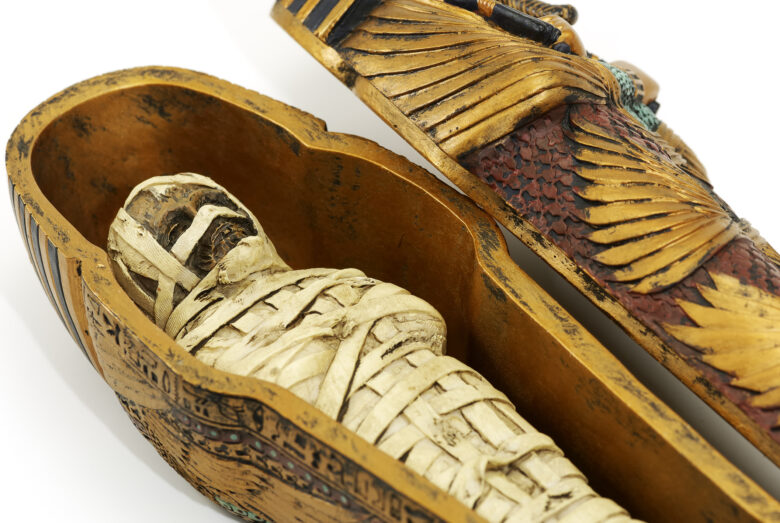
For about 500 years, Europeans swallowed powdered Egyptian mummy as medicine.
In 1586, an English merchant named John Sanderson bought 600 pounds of it and shipped it to London for the apothecaries. Francis Bacon wrote in 1626 that mummy “hath great force in stanching of blood,” per Eon.
Surgeon Ambroise Paré spoke against it in 1582. He said much of what was sold was made in France from recently dead people.
You could still buy it from Merck’s catalog in 1924.
A sin-eater was a real job
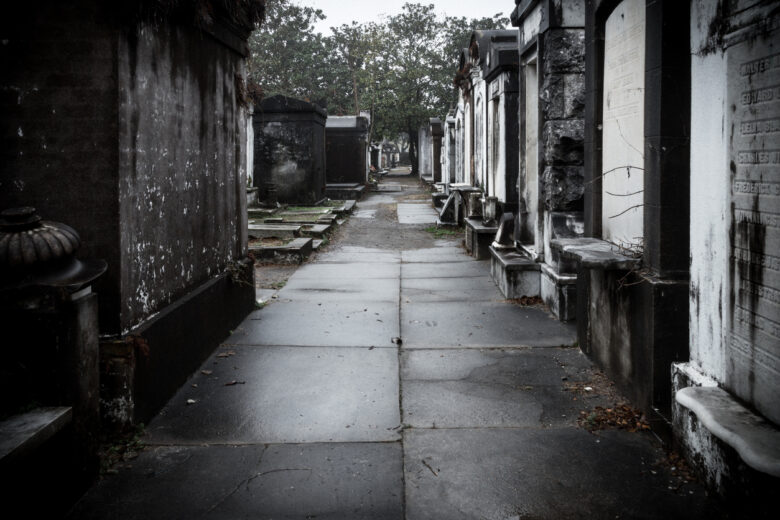
A sin-eater was paid to eat a loaf of bread, drink a bowl of beer, and take the sins of the dead.
John Aubrey described the custom in Herefordshire in the late 1600s, for sixpence, per one history. It was rare, and poorly documented. Clergy frowned on it.
Richard Munslow, a farmer in Ratlinghope, Shropshire, died in 1906 and is remembered as the last. Villagers raised money to restore his grave in 2010.
Surgeons did buy stolen bodies
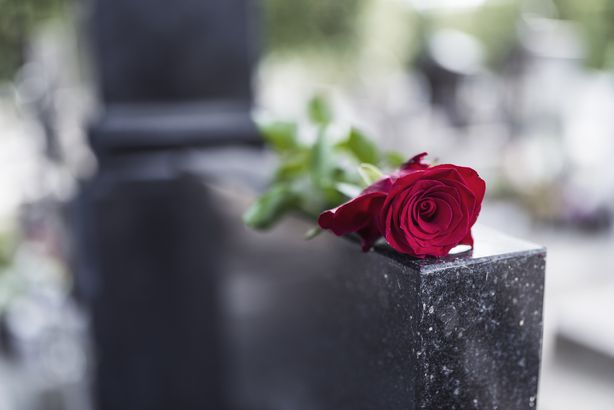
Anatomy schools needed bodies. Resurrection men dug them up.
From about 1675, dead bodies became commodities, the Public Domain Review notes. Families bolted iron cages, called mortsafes, over graves in Edinburgh’s Greyfriars. Then William Burke and William Hare skipped the digging. They killed an estimated 16 people in 1827 and 1828 and sold the bodies to anatomist Robert Knox.
Knox was never tried. Parliament’s answer was the 1832 Anatomy Act, which let the unclaimed workhouse dead go to the dissecting table.
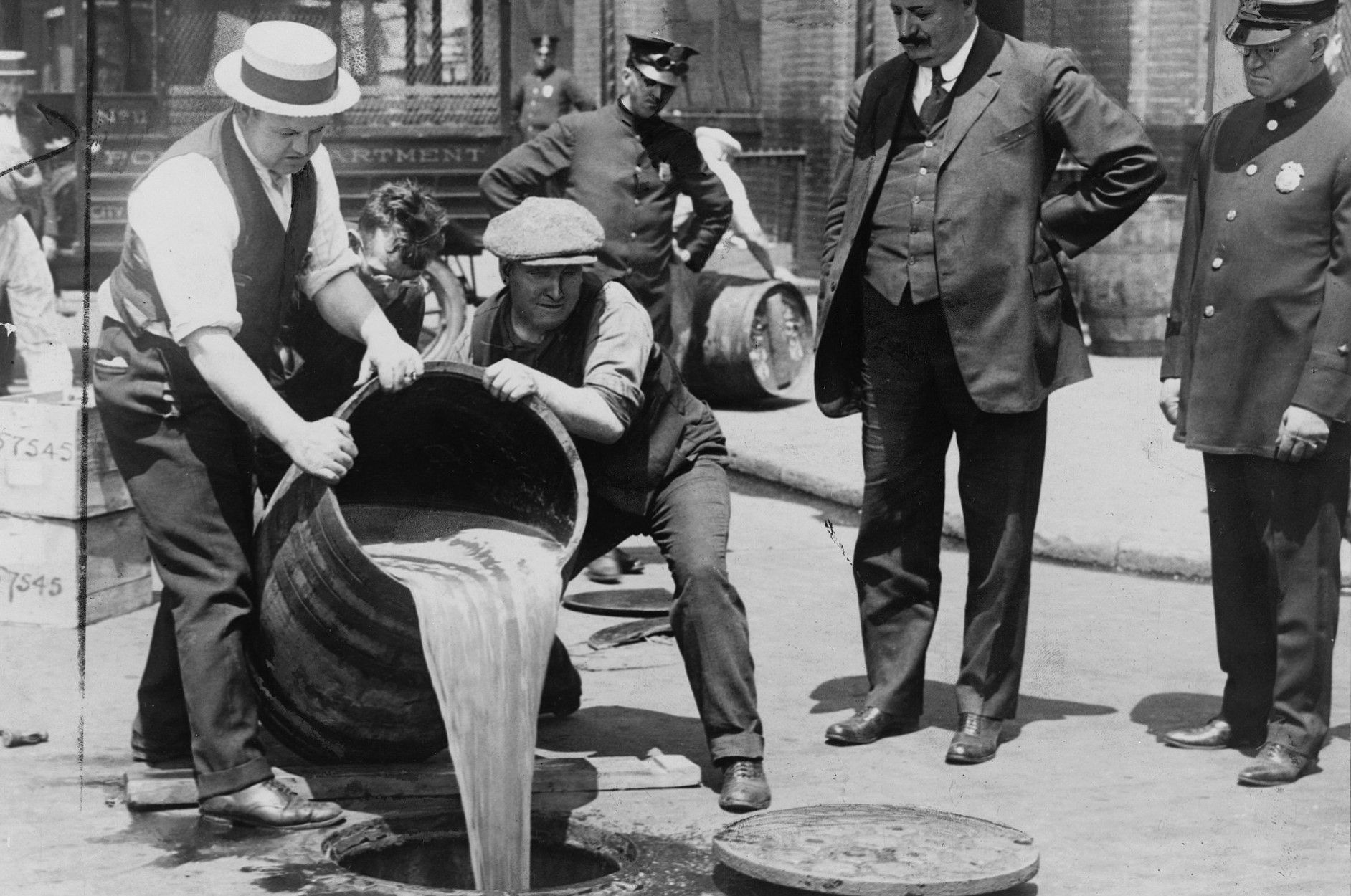
The government really did poison the booze
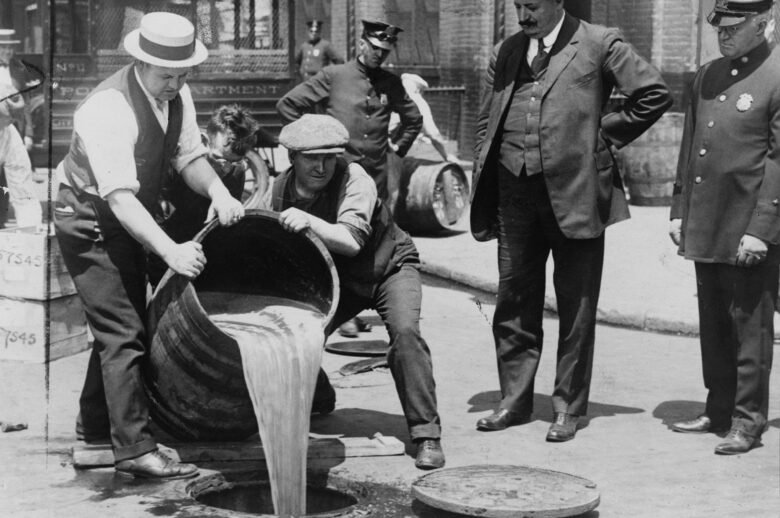
Bootleggers kept stealing industrial alcohol. So during Prohibition, federal officials ordered it made deadlier.
New York’s medical examiner, Charles Norris, called it “our national experiment in extermination.” In late December 1926, dozens of people were rushed to Bellevue Hospital.
By the end of Prohibition, an estimated 10,000 Americans had died. That’s an estimate. Snopes confirmed the policy was real.

The Navy really did spray a city with bacteria
In September 1950, a Navy ship sprayed bacteria over San Francisco. The test was secret. Residents weren’t told.
Weeks later, 11 patients at Stanford Hospital developed rare infections, and one man, Edward Nevin, died. Scientists have argued the strain matched the sprayed one.
The Army confirmed the test in 1977 Senate hearings. It said the infections were a coincidence, and Nevin’s family lost its lawsuit. A skeptical account notes all 11 patients had just had surgery.
The Joint Chiefs really did sign a false-flag plan
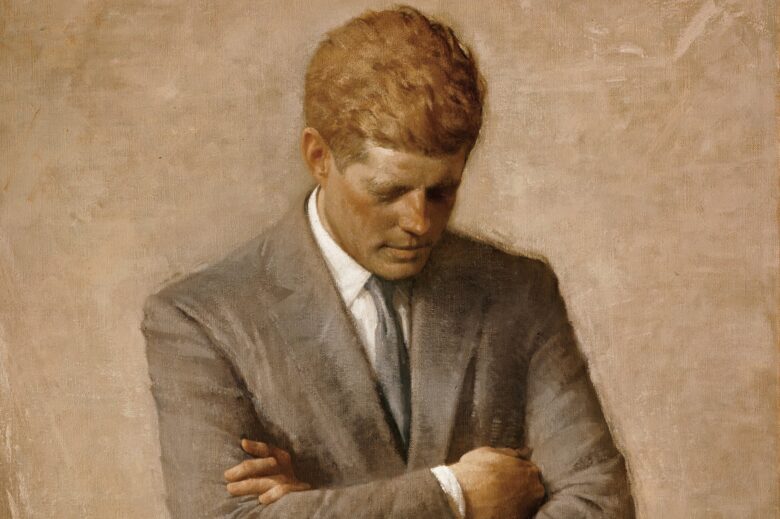
March 13, 1962. General Lyman Lemnitzer, Chairman of the Joint Chiefs, sent a proposal to Defense Secretary Robert McNamara. It called for staging terrorist attacks, to be blamed on Cuba, as an excuse to invade.
President Kennedy rejected it. Lemnitzer lost his post within months. The plan, called Operation Northwoods, stayed secret until 1997, when the Assassination Records Review Board declassified it.
It was a proposal. It was never carried out.
The bottom line
The Army confirmed Sea-Spray under oath in 1977, and the Nevin family still lost in court. The Joint Chiefs’ chairman signed Northwoods, but Kennedy rejected it.
Ask us! What questions do you have about content, strategy, pop culture, lifestyle, wellness, history or more? We may use your question in an upcoming article!
Related:
- Your cozy (or spooky!) Halloween movie, according to your horoscope
- Halloween hauntings at famous movie sets
Like MediaFeed’s content? Be sure to follow us.
This article was syndicated by MediaFeed.co.