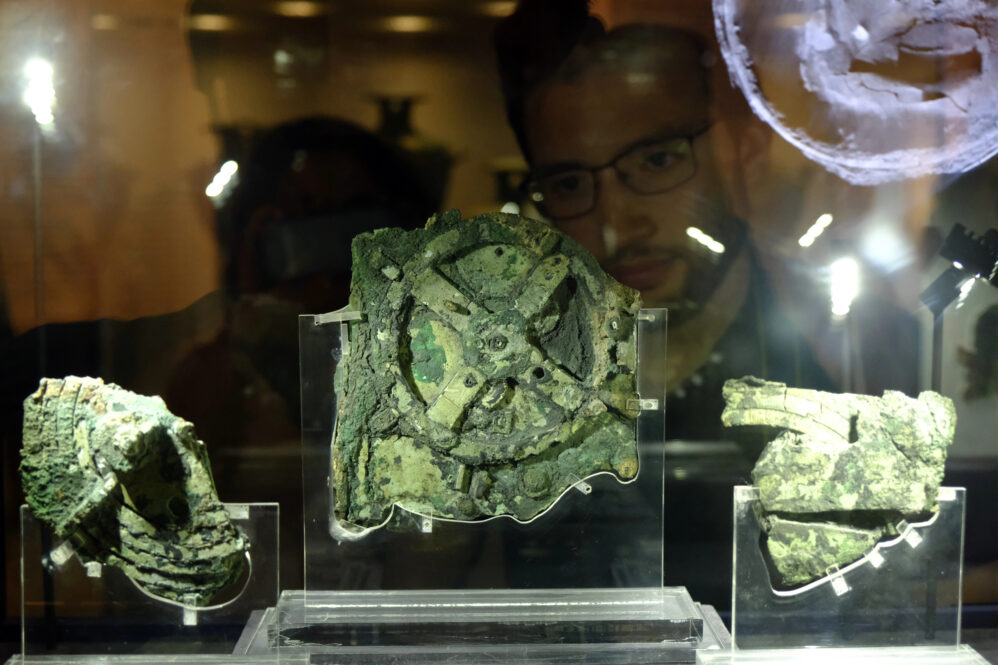
Archaeological discoveries that raised more questions than they answered
The claim spread on Instagram in early 2026: someone had cracked the Voynich manuscript. The proof was a jar. A woman had mixed menstrual blood with moon water, left it on a windowsill, and a fern-like plant had grown inside it weeks later. The manuscript, she said, had told her to do this. Her followers tried it. Some got results.
In 1859, Pasteur sealed beef broth in a glass flask with a long curved neck and left it open to the air. Nothing grew. When he snapped the neck off and let particles fall in, the broth went cloudy within days. He repeated the experiment under different conditions until the point was clear: nothing grows in a sterile environment. Spores came from somewhere outside the jar (the air, the water, the unwashed container). That part applies to jars on windowsills in 2026 as directly as it did in 1859.
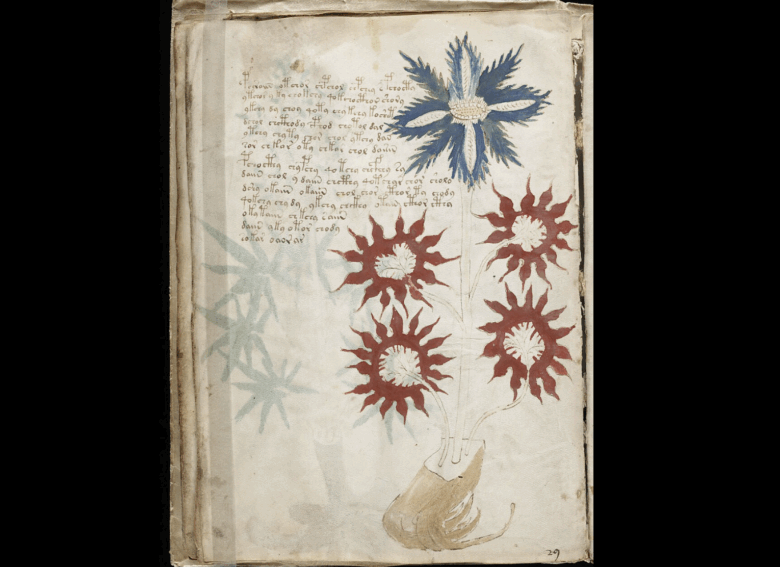
The Voynich manuscript: every serious attempt has failed
Military codebreakers after World War II spent months on it. The NSA ran it through the analytical tools available in the 1950s and found nothing. Computational linguists, cryptographers, and AI systems have since joined that list of failures. The manuscript, a 15th-century document held in the Beinecke Rare Book and Manuscript Library at Yale, is written in a script that has not been matched to any known language and draws plants that cannot be matched to any species in the historical or botanical record. Historians studying the imagery suggest it involves medieval women’s medicine and alchemy, which is a content observation, not a translation. The claim that it has been decoded is about 600 years premature.
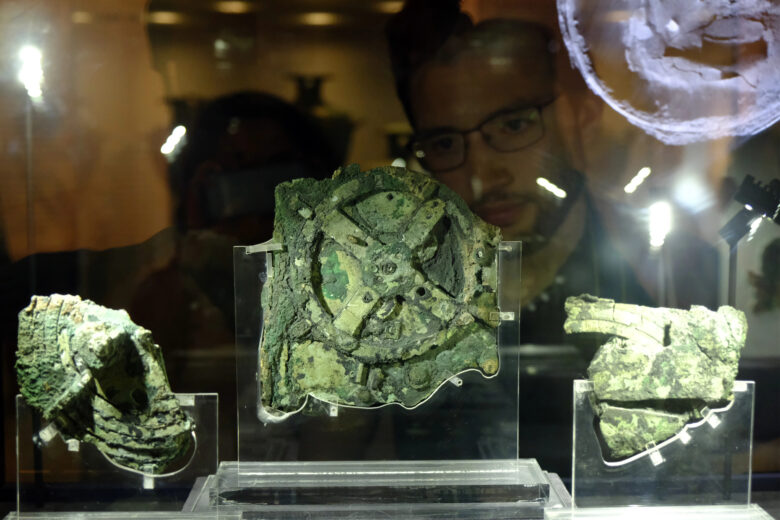
What 30 bronze gears can do
Around 1951, physicist Derek de Solla Price looked at a corroded mass recovered from a Greek shipwreck and decided to X-ray it. What Smithsonian Magazine describes as the result of that examination became one of the more uncomfortable findings in the history of ancient technology: more than 30 interlocking gears capable of tracking the lunar calendar, predicting solar eclipses, and calculating the four-year cycle of the Olympic Games. The device had been built around 100 BCE. The divers who pulled it from the seabed in 1900 thought it was a rock. It took five decades and an X-ray machine to discover it was the most sophisticated computing device to exist for another fourteen hundred years.
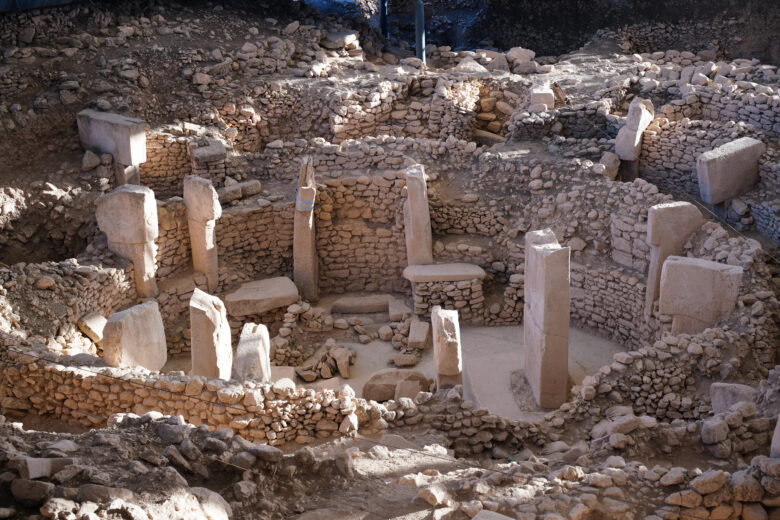
The most confusing thing about Gobekli Tepe
It is not that hunter-gatherers built a monumental stone temple complex 12,000 years ago, before agriculture, before ceramics, before metal tools. That is confusing enough. The confusing part is what happened next. Per National Geographic’s coverage, the people who built it then buried it deliberately, in an organized effort roughly equal in scale to the original construction. The site predates Stonehenge by six thousand years. The burial has no satisfying explanation after nearly thirty years of excavation.
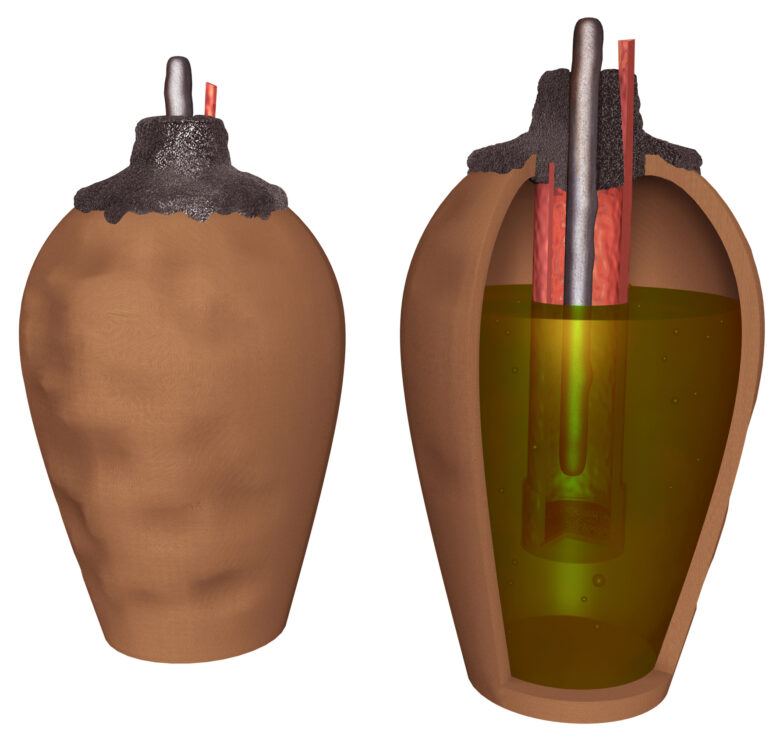
In 1940, a researcher filled the cylinder with citric acid
The needle on his voltmeter moved. The object (a clay jar containing an iron rod and a copper cylinder, found near Baghdad in 1936) had just generated an electric current. Smithsonian covered the debate that followed: was it a battery, a container for sacred scrolls, an electroplating device, or something with no modern equivalent? No consensus has formed in the eighty-plus years since that test. The object predates the theoretical understanding of electricity by at least fifteen centuries, which is why every proposed explanation feels slightly insufficient.
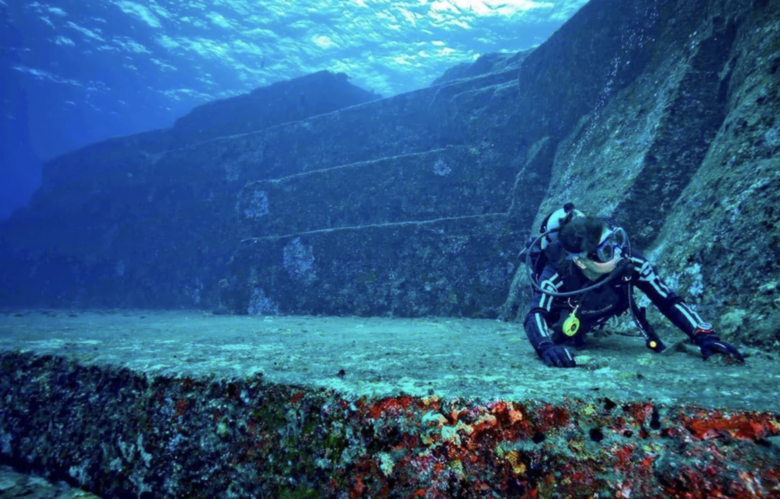
A diving instructor found right angles in the rock
In 1986, Makoto Kimura was underwater near Yonaguni Island, Japan, when he encountered flat terraces and staircase formations cut into rock at 120 feet below the surface. The formations have been covered as the center of a still-unresolved dispute between researchers who say this is a man-made structure from around 10,000 BCE, which would make it the oldest known human construction by several thousand years, and geologists who say sandstone produces right angles naturally. Atlas Obscura documents both the case for man-made origin and the geological counter-argument, noting neither side has closed the argument. Kimura has been studying the site for nearly forty years.

The bottom line
The Voynich manuscript was strange before TikTok found it. All of these were strange before anyone found them. That is the category.
Ask us! What questions do you have about content, strategy, pop culture, lifestyle, wellness, history or more? We may use your question in an upcoming article!
Related:
- Historical “discoveries” that turned out to be elaborate hoaxes
- Some of the most surprising record deals in music history
Like MediaFeed’s content? Be sure to follow us.
This article was syndicated by MediaFeed.co.