Young people and professionals who are just starting out often opt to first buy a modest home at an affordable price. It sounds like a good move, but it helps to look at buying a starter house from all angles. The decision to buy a starter home is about more than just money.
Related: Understanding property valuations
What Is a Starter Home?
A starter home is loosely defined as a smaller property that a first-time buyer expects to live in for just a few years. The home could be a condo, townhouse or single-family home. But generally, when you purchase a starter home, you anticipate outgrowing it — maybe when you get married or have a couple of kids, or because you want more amenities.
A starter house could be brand-new, a fixer-upper, or somewhere in between, but it’s usually priced right for a buyer with a relatively modest budget. In July 2021, the median listing price for a “starter” home, one with up to two bedrooms, was $297,000, according to Realtor.com.
That still might sound a little scary, but remember, that’s the median price. Depending on where you live, there may be entry-level homes selling at manageable price points. Even if you live in a larger city, the site found that buying a starter home was more affordable than renting in 24 of the 50 largest metro areas.
How Long Should You Stay in a Starter Home?
Unless you’re a big fan of packing and moving — not to mention the often-stressful process of selling one home and then buying another, or buying and selling a house at the same time — you may want to stay in your starter home for at least two to five years.
There can be significant financial reasons to stick around for a while.
Home sellers are typically responsible for paying real estate agents’ commissions and many other costs. If you haven’t had some time to build equity in the home, you might only break even or even lose money on the sale. And you will owe capital gains taxes if you’ve owned the home for less than two years and you sell it for more than you paid.
Of course, if there’s a major change in your personal or professional life — you’re asked to relocate for work, you grow your family or you win the lottery (whoo-hoo!) — you may need or want to sell sooner.
What Is a Forever Home?
A forever home is one that you expect to tick all the boxes for many years — maybe even the rest of your life. A forever home can come in any size or style and at any cost you can manage. It might be new, with all the bells and whistles, or it could be a 100-year-old wreck that you plan to renovate to fit your unique style and vision.
Your forever home might be in your preferred school district. It might be close to friends and family — or the golf club you want to join. It’s all about getting the items on your home-buying wish list that you’ve daydreamed about and worked hard for.
At What Age Should You Buy Your Forever Home?
There’s no predetermined age for finding and moving into a forever home. Some buyers plan to settle in for life when they’re 25 or 30, and some never really put down roots.
But according to data from the 2021 Home Buyers and Sellers Generational Trends Report from the National Association of Realtors Research Group, buyers in the 56 to 74 age range said they expected to live in their newly purchased home longer than buyers from other age groups. Younger buyers (ages 22 to 30) and older buyers (75 to 90) said they expected to stay put for 10 years. The median expectation for buyers of all ages was 15 years.
Benefits of Buying a Starter Home
Becoming a homeowner can bring stability to life. A starter home comes with a feeling of “good enough for now” that, for some buyers, is just the right amount of commitment without feeling stuck in the long term.
It’s also a great way to try on aspects of homeownership that renters take for granted, like making your own repairs and mowing your own yard. The larger the house, the more work it usually brings. With a starter home, you can start small.
Buying a starter home is also an investment that could see good returns down the road. While you live in the home, you’ll be putting monthly payments toward your own investment instead of your landlord’s. Depending on market conditions, you could make some money when you decide to trade up, either through the equity you’ve gained when you sell or recurring income if you choose to turn it into a rental property.
Homeowners who itemize deductions on their taxes may take the mortgage interest deduction. Most people take the standard deduction, which for tax year 2021 is:
- $25,100 for married couples filing jointly
- $12,550 for single taxpayers and married individuals filing separately
- $18,800 for heads of households
But some homeowners who itemize may be able to do better than the standard deduction.
Finally, in some states, a homestead exemption gives homeowners a fixed discount on property taxes. In Florida, for example, the exemption lowers the assessed value of a property by $50,000 for tax purposes.
Downsides of Starter Homes
While the idea of buying a home just big enough for one or two is a romantic one, the reality of finding an affordable starter home has gotten tougher. The outlook has been so bleak, especially in some larger cities, that some millennials are opting out of the starter-home market altogether, choosing instead to rent longer or live with their parents and save money.
Who can blame millennials for taking a different approach to homeownership than their parents? The older members of this generation came of age during the financial crisis of 2008-09, which included a bursting housing bubble that put many of their parents — and even some of them — underwater on a mortgage they may not have been able to afford in the first place.
Another con of buying a starter home is the prospect of having to go through the entire home-buying process again, possibly while trying to sell your starter home, too. Keeping your house show-ready, paying closing costs, going through the underwriting process, packing, moving and trying to time it all so you avoid living in temporary lodging is a big undertaking that, when compared with the relative ease of moving between apartments, can be seen as not worth the effort.
If you aren’t ready to jump into a starter home, an alternative could be a rent-to-own home.
Should You Buy a Starter Home?
If you’re tired of renting or living with your parents but don’t have the cash flow necessary for anything more than a humble abode, a starter home could be a great way to get into real estate without breaking the bank.
Before you buy any home — starter or otherwise — it’s important to sit down and crunch the numbers to see how much home you can realistically afford. Lenders look at your debt, but they aren’t privy to other regular monthly expenses, such as child care or kids’ activity fees.
You also may want to look at how much you can afford for a down payment. While a 20% down payment isn’t required to purchase a home, most non-government home loan programs do require some down payment. In addition, putting down less than 20% means you may have to pay private mortgage insurance (PMI).
The decision to purchase a starter home is about more than just money, though. You may also want to consider your future plans and how quickly you might grow out of the house, whether you’re willing to live where the affordable houses are, and if you’ll be happy living without the amenities you’ll find in a larger house.
Other factors to consider are your current state of financial health and your mental readiness for a DIY lifestyle (which includes your willingness to fix your own leaky toilet or pay a plumber.)
If you’re ready to make the leap, there are plenty of homeownership resources available to help you get started on the path to buying your starter home. Your first step might be to check out a few open houses and to research mortgages online.
The Takeaway
Buying a starter home can be a good way to get your foot in the door of homeownership, but it’s important to consider your plans for the next two to five years or more before buying a starter house.
Learn more:
This article originally appeared on SoFi.com and was syndicated by MediaFeed.org.
SoFi Loan Products
SoFi loans are originated by SoFi Lending Corp. or an affiliate (dba SoFi), a lender licensed by the Department of Financial Protection and Innovation under the California Financing Law, license # 6054612; NMLS # 1121636. For additional product-specific legal and licensing information, see SoFi.com/legal.
SoFi Home Loans
Terms, conditions, and state restrictions apply. SoFi Home Loans are not available in all states. See SoFi.com/eligibility for more information.
External Websites: The information and analysis provided through hyperlinks to third party websites, while believed to be accurate, cannot be guaranteed by SoFi. Links are provided for informational purposes and should not be viewed as an endorsement.
Financial Tips & Strategies: The tips provided on this website are of a general nature and do not take into account your specific objectives, financial situation, and needs. You should always consider their appropriateness given your own circumstances.
Third Party Brand Mentions: No brands or products mentioned are affiliated with SoFi, nor do they endorse or sponsor this article. Third party trademarks referenced herein are property of their respective owners.
More from MediaFeed:
New construction home buying tips

New homebuyers often look for a way to put a personal stamp on that just-purchased property. From choosing a bright paint color to pruning a backyard rose garden, there are plenty of ways to perk up an existing property.
Still, for some homebuyers, a new coat of paint (or fresh bed of flowers) isn’t the dream house they have in mind. Instead, they may be hunting for a home that already meets their must-include list–whether that’s a kitchen with marble counters or a house with a wrap-around porch.
For homebuyers wanting to personalize their property, buying a new construction or having a modern home built to order can afford a greater degree of customization.
According to Trading Economics, newly constructed single family homes across the US rose 17.2% in June, 2020 compared to the previous month. That’s a notable short-term increase, indicating the continued draw of a new home for many American homebuyers.
Related: Open house tips for homebuyers
Depositphotos

So, with the new construction home buying process, what are the pros and cons? As with any residential real estate purchase, there are advantages and challenges associated with buying a new construction home.
On the upside, newly constructed homes can come with brand-new amenities, warranty-backed electronics, and custom-chosen features.
However, new constructions aren’t without potential complications – including navigating higher purchase prices vs. used homes, construction red tape, advice from realtors and the intricacies of local zoning and building regulations.
Newly constructed homes can come with certain risks and certain perks that future homebuyers may want to weigh when deciding what sort of house to purchase.
DepositPhotos.com

What is a newly constructed home? Well, a newly constructed home is simply a private residence where the homebuyer is the first person (along with any family) to reside in the property.
Usually, newly constructed homes get built in one of two ways:
- The homebuyer purchases a plot of land and builds the home there from scratch (either with a professional construction firm or by themselves).
- The homebuyer purchases a recently constructed house, becoming the first resident.
Now, if the home is built on a plot of land from scratch, the future homeowner typically has some level of say in what sort of house will eventually be constructed. Typically, from-scratch new constructions fall into the following three options:
The home’s already been constructed and is bought on an “as-is” basis.
The home is partially constructed, but is customizable based on a buyer’s preference and guidance (i.e., a marble counter is added, a guest house is erected, or a full completed basement is added to the construction model.)
The property is bare bones and the new home is constructed strictly as the buyer dictates–down to the last nail and screw.
While timelines vary due to factors like cost, size of the home, custom features, and labor, most newly constructed homes are completed within seven months. That said, if enough delays occur, the new construction home buying process may take longer.
Depositphotos

Cost is a big difference between purchasing a newly constructed home and one that’s already been lived in. On average, a custom constructed home costs $315,154 to complete. And, according to the U.S. Census, the median price of new single-family houses that got sold in 2019 was $321,500.
Furthermore, according to Home Advisor, a $2,800-square-foot-home can cost anywhere from $280,000 to $560,000 to construct. Of that amount, labor comprises 40% of the home cost, with building materials, architectural designs, pricing differences in various parts of the U.S. and local ordinance (fee) costs making up the bulk of the remaining costs.
If the buyer fully custom-builds a new home, the price can rise significantly. New custom and luxury homes can cost between $200 and $500 per-foot to build. In 2019 alone, 124,000 new single-family homes were begun by contractors.
Ridofranz/istockphoto

Buying or custom-building a new construction home will be a unique experience for each homebuyer. There are some “pro and con” considerations that commonly arise with a newly built home.
Below is an overview of the advantages and risks that may influence homebuyers’ decisions whether (or not) to pursue buying a newly constructed home.
Feverpitched/istockphoto
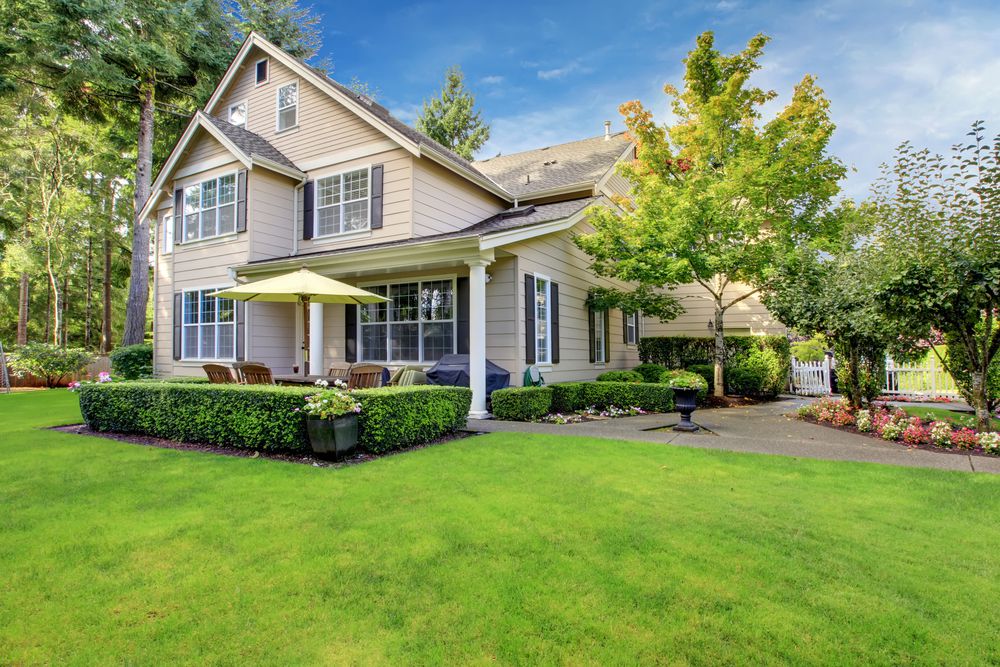
Newly constructed homes are, by definition, more modern than their previously built neighbors.
When something is new, its novelty can be a lure all of its own. Practically, new items are generally in better condition or covered by manufacturer warranties.
Everything in a newly constructed home – including, floors, doors, fixtures, windows, roofing, pipes, wiring and siding – is brand new. Homeowners get to be the first to live in a home with new construction amenities. From a homeowner’s perspective, modern reliability may be worth the higher purchase price upfront.
Additionally, with a from-scratch property, homebuyers may also be able to custom-construct their house on the precise lot of land that they want. Buying an existing home could mean having more neighbors nearby or less choice about the size or borders of the property lot.
DepositPhotos.com
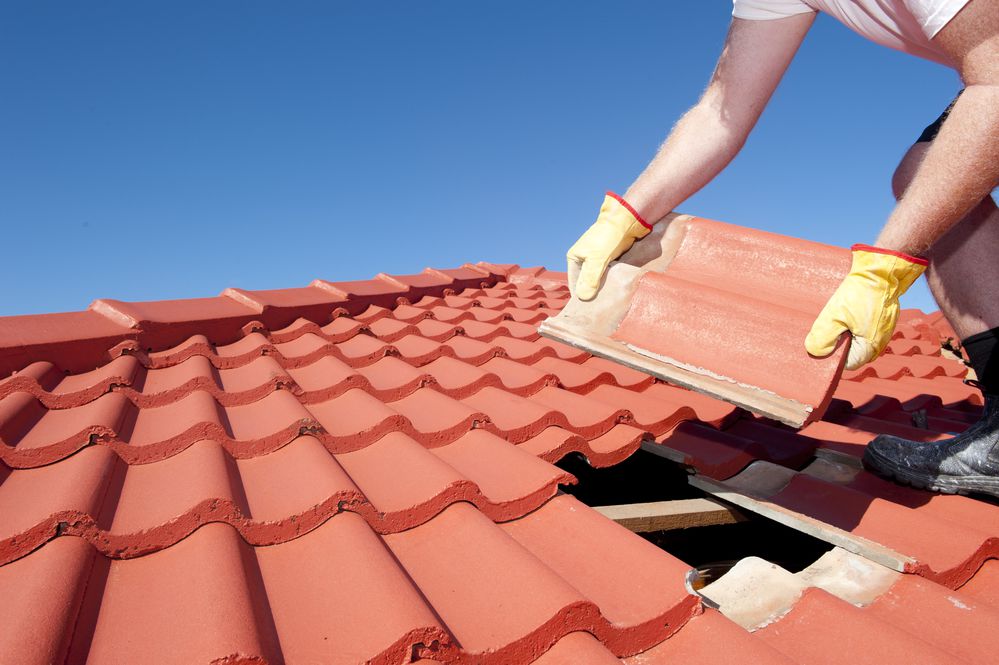
When buying a newly constructed home, most major features and components come fully guaranteed for a specific period of time with warranties to protect the homeowner’s investment.
In practice, warranties can mean that big-ticket home items – such as, HVAC units, lighting fixtures, kitchen appliances and electric garage doors – are covered for replacement or repairs during their first years in the home. (Naturally, the timetable will vary depending on the items’ specific warranties.)
Buying a home that comes with warranty-covered items could save a homeowner repair or replacement costs. Homes that were built many years ago may not come with appliances that are still covered under warranty.
DepositPhotos.com

One recent trend in homebuilding is the move toward energy efficiency or green architecture. Features like solar panels, treated windows, efficient lighting and energy-saving appliances could curb home energy expenses over the life of owning a home – all while helping to make the planet a cleaner, more sustainable place.
DragonImages/istockphoto

If a buyer opts to build a new home on an undeveloped tract of land, chances are low that a competing homeowner wants to build in that exact location at the same time. This can be especially true in more rural or remote areas, where the demand may be lower as well.
Since fewer homebuyers are generally looking for a new construction purchase on new land, there may be a lower likelihood of a bidding war erupting with other house hunters.
depositphotos.com

Working with a professional contractor, as many new homebuilding companies do, can be an advantage for a homebuyer.
For example, a local contractor may have close ties to building supply companies and hardware stores. In practice, these local business-to-business connections could translate into lower construction, installation or appliance costs.
Those who are debating whether to buy a new construction home may want to compare the bulk pricing available to companies (aka contractor-built) vs. the costs charged to individuals (aka self-built).
Deposit Photos

Buying a new home can certainly come with some advantages. And yet buying a new construction home isn’t without potential complications.
The denser a community – think a big city or large suburb – the harder it may be to build a new home. Many newly-constructed homes are built on vacant lots. Undeveloped land may be harder to come by in a dense city or popular suburb.
Moreover, local zoning regulations often regulate the size and type of new homes that can be built in residential lots. Homeowners interested in a specific city or town might want to contact the local zoning board. They can advise which rules or laws might affect the sorts of homes that can (and cannot) be built in a given community or neighborhood.
krblokhin/istockphoto

If a new construction home is not yet built, it’ll need to get pieced together before the homebuyers can move in. And when it comes to building a house from the ground up, construction delays can be a common pain point.
Inclimate weather, labor delays and obtaining building permits can all drag along how long it takes to build a new home. These delays, if they last months and months, can incur additional costs beyond the home’s listed price.
For instance, if a homebuyer needs to rent while their future house is being constructed, any delays in the construction timeline could mean extra housing expenses.
DepositPhotos.com

Building a new construction home isn’t the same as purchasing an already existing house. With the latter option, potential homebuyers can negotiate on pricing, with the expectation the seller understands there may be some wheeling and dealing.
When working with a homebuilding company, negotiating the cost of a new house may not be possible. Many builders attach a minimum price to the construction of a new home and often do not want to slide down on pricing.
DepositPhotos.com

While there is usually a starting-from price attached to newly constructed homes, upgrades and add-ons are another story. Sometimes, they’re literally a whole other story added on to the home!
Adding features like wood floors or an extra suite can make a new home feel cozier or roomier. But, such items are frequently priced on top of the original model’s “starting from” list price. Extra features can add substantial additional costs to the buying of a new construction home.
Grassetto / iStock

The new construction home buying process can be complicated and confusing.
Homebuyers who want to find a dream home that matches their vision may want to partner with a professional real estate broker or agent. How might working with a professional realtor help when buying a new construction home?
Here’s one big reason: The sales contact from the home construction company is hired to represent the seller (i.e., the builder or developer).
To even out the seller-plus-buyer equation, homebuyers may want to work with a real estate professional who can champion their interests and expectations.
DepositPhotos.com

In most cases with new constructions, the homebuyer isn’t likely to get the builder to slash the new home’s sales price.
Generally, builders or developers attach a minimum selling price to their new constructions. And, consequently, they’re often less prone to budging on sales price.
What a homebuyer might be able to do is to gain some concessions from the builder. For example, some developers or builders may offer upgrades or add-ons at a reduced price to incentivize a homebuyer to buy.
Upgrades may come in the form of a higher grade of carpet, granite countertops, a more advanced HVAC unit or higher-end kitchen appliances. One way to try to secure these amenities is to ask.
Builders may want to entice homebuyers by negotiating around the extras.
RossHelen/istockphoto

With a new home construction, unforeseen obstacles can pop up during the building process. Sometimes, builders run out of specific materials or can’t get the particular type of kitchen flooring that had been promised.
One way to prepare for unexpected changes is to tour similar, finished homes in the community. Homebuyers can research the builder’s reputation, speaking to people who’ve already purchased homes in the community.
It’s also possible to directly speak with the builder about common construction delays or predictably unpredictable costs.
DepositPhotos.com

Whether a homebuyer wants to purchase a newly constructed house or a gently lived-in property, it can be hard to navigate the financing of a home. Between saving up for a mortgage down payment and calculating closing costs, there are details to prepare for in advance of buying a home.
Some common costs when buying a new construction home might include:
- Saving up for a mortgage down payment (if not paying in full for the house)
- Setting aside money for closing costs or agents’ fees
- Budgeting for unexpected or seasonal construction delays
- Calculating the price of wanted upgrades or amenities
While some future homebuyers opt to pay for a house in cash all upfront, others may want to work with a lender to secure a home loan.
DepositPhotos.com

With ample research and professional partners, it’s possible to navigate the ins and outs of buying or building a new construction home.
This article originally appeared on SoFi.comand was syndicated by MediaFeed.org.
Learn more:
Third Party Brand Mentions: No brands or products mentioned are affiliated with SoFi, nor do they endorse or sponsor this article. Third party trademarks referenced herein are property of their respective owners.
SoFi Loan Products
SoFi loans are originated by SoFi Lending Corp. or an affiliate (dba SoFi), a lender licensed by the Department of Financial Protection and Innovation under the California Financing Law, license # 6054612; NMLS # 1121636.
SoFi Home Loans
Terms, conditions, and state restrictions apply. SoFi Home Loans are not available in all states.
External Websites: The information and analysis provided through hyperlinks to third party websites, while believed to be accurate, cannot be guaranteed by SoFi. Links are provided for informational purposes and should not be viewed as an endorsement.
Checking Your Rates: To check the rates and terms you may qualify for, SoFi conducts a soft credit pull that will not affect your credit score. A hard credit pull, which may impact your credit score, is required if you apply for a SoFi product after being pre-qualified.
Stocksy
Featured Image Credit: istockphoto/Povozniuk.