
As a business owner, you’ve probably used invoices and receipts before. They both are a record of sales and can help you track every transaction within your business and organize your payments. But are they the same thing?
While these documents have some similarities, they’re used for different purposes. This quick guide will help answer your questions about the differences between an invoice vs. receipt so you can use them appropriately within your business.
What is an invoice?
An invoice is used when a business has completed a customer’s order and needs to collect payment for the goods or services provided. As a business owner, you would send an invoice to notify a customer that payment is due.
Many service providers use invoices for B2B transactions, consulting services, and property management. They look similar to a bill and list the services and goods you provided.
For example, if you own a construction company and renovated a customer’s garage, you’ll likely send them an invoice before they pay. You’ll list the services provided, the required materials, and the payment amount.
How to write an invoice
Invoices include detailed information about the goods and services you provided.
Here’s how to write an invoice:
- Add your business name, contact information, and logo.
- Write down the customer’s name and contact information.
- Include the invoice number, the date you created it, and the date of service.
- Describe the goods or services provided, including price and quantity.
- Spell out the payment information, including payment due dates, total amount, and acceptable forms of payment.
You can also add a message to the customer at the bottom of the invoice.
What is a receipt?
A receipt is used as proof of payment when a customer makes a payment to a business for goods or services. You are required to provide a receipt after the payment is made to serve as a record of the sale. Receipts are also important supporting documents for tax season as they support the entries in your books and tax return.
Receipts outline when a transaction took place, how much the customer paid, and the payment method used, as well as the items or services the customer paid for. Receipts help both you and the customer keep track of completed payments.
Since receipts indicate proof of purchase, businesses can use them to verify a transaction in case there’s a problem with the purchase, and it needs to be refunded.
Businesses of all types use receipts and generally issue them for any completed payments. For example, after the customer pays the invoice issued for the garage renovation, you’ll then give them a receipt listing the payment information.
How to write a receipt
There are different types of receipts, from cash register receipts to email receipts. Here’s what they should include:
- Add your business name and contact information.
- Include the transaction number or order number.
- List the goods or services provided, including price and quantity.
- Note the payment date and the total amount paid, including taxes, fees, and discounts.
Some receipts will also include the customer’s contact information and payment method, as well as the return policy. Fortunately, you might not need to worry about creating a receipt as many payment tools automatically generate receipts when a customer makes a payment.
Key differences between invoices and receipts
While invoices and receipts have some similarities, they’re used at different stages of the sales process and document different information. The main differences are:
- When they’re issued: Invoices are issued before a business has received payment from a customer, and a receipt is issued after payment has been collected.
- Payment information they contain: Invoices contain information about a future payment, including how to pay for it and due dates. Receipts contain information about a completed payment, including the date and amount paid.
- How they’re used in accounting: Receipts record a completed sale, so you’ll record them as income. Invoices mean the customer still has to pay you, so you’ll record them as accounts receivable.
This article originally appeared on the Quickbooks Resource Center and was syndicated by MediaFeed.org.
More from MediaFeed:
States where Americans are paying the most & least for gas

As anyone who’s gone to the pump in the past couple of years knows, filling up isn’t as cheap as it used to be. Gas prices have risen in the second half of 2023, due in large part to a drop in global oil production. In early October of 2023, the average price of gas was $3.77 per gallon, according to AAA — up 60 cents from the $3.17 average at the beginning of the year. Still, that’s lower than what consumers paid in June 2022, which saw the highest recorded average of $5.03.
Fuel prices have been soaring for a few reasons. Prior to coronavirus’s arrival in the U.S. in 2020, gas cost around $2.50 per gallon. During the pandemic, as fewer Americans were driving to work or for pleasure, the price of oil plummeted.
In 2021 people started driving and flying again, and demand for gas surged. The supply couldn’t keep up, so the price of gas increased.
Prices dropped a little in early 2022 as things started getting back to normal — until late February, when Russia invaded Ukraine. The ensuing war led to a steep increase in prices as Europe, the U.S., and other countries agreed to stop buying Russian oil.
Then, in mid-2023, Russia and Saudi Arabia announced an extension of their oil production cuts, which caused prices to jump up yet again. The U.S. Energy Information Administration expects gas prices to continue rising over the rest of the year.
Although gas prices hit new highs in 2022, that wasn’t the first time gas numbers have spiked. A look back at the average national gas price in previous decades can provide some context. So can observing how state regulations affect the price of gas in your area.
Keep reading to learn more about historical gas prices, get a sense of how things have changed over time, and learn tips for finding cheap gas in your area.
mladenbalinovac/istockphoto

- Unleaded: $3.28
- Premium: $4.63
- Diesel: $4.29
Cavan Images/istockphoto

- Unleaded: $4.63
- Premium: $5.04
- Diesel: $4.77
chaolik/istockphoto

- Unleaded: $4.59
- Premium: $5.20
- Diesel: $4.96
Davel5957/istockphoto

- Unleaded: $3.33
- Premium: $4.11
- Diesel: $4.23
pabradyphoto/istockphoto

- Unleaded: $5.93
- Premium: $6.33
- Diesel: $6.45
Spondylolithesis/istockphoto

- Unleaded: $3.83
- Premium: $4.43
- Diesel: $4.51
lightphoto/istockphoto

- Unleaded: $3.77
- Premium: $4.71
- Diesel: $4.62
DenisTangneyJr/istockphoto

- Unleaded: $3.29
- Premium: $4.16
- Diesel: $4.29
DenisTangneyJr/istockphoto

- Unleaded: $3.52
- Premium: $4.25
- Diesel: $4.50
Kasra Keighobady/istockphoto

- Unleaded: $3.20
- Premium: $4.11
- Diesel: $4.21
SeanPavonePhoto/istockphoto

- Unleaded: $4.87
- Premium: $5.32
- Diesel: $5.83
Art Wager/istockphoto

- Unleaded: $4.11
- Premium: $4.56
- Diesel: $4.82
Sean Pavone/istockphoto

- Unleaded: $3.75
- Premium: $4.67
- Diesel: $4.32
Shelly Bychowski/istockphoto

- Unleaded: $3.52
- Premium: $4.48
- Diesel: $4.47
Sean Pavone/istockphoto

- Unleaded: $3.51
- Premium: $4.29
- Diesel: $4.30
Jacob Boomsma/istockphoto

- Unleaded: $3.56
- Premium: $4.19
- Diesel: $4.31
TriggerPhoto/istockphoto

- Unleaded: $3.37
- Premium: $4.25
- Diesel: $4.31
Thomas Kelley

- Unleaded: $3.29
- Premium: $4.03
- Diesel: $4.19
ghornephoto/istockphoto

- Unleaded: $3.74
- Premium: $4.59
- Diesel: $4.51
Sean Pavone/istockphoto

- Unleaded: $3.48
- Premium: $4.34
- Diesel: $4.40
DenisTangneyJr/istockphoto

- Unleaded: $3.73
- Premium: $4.61
- Diesel: $4.55
ivanastar/istockphoto

- Unleaded: $3.66
- Premium: $4.67
- Diesel: $4.40
pawel.gaul/istockphoto

- Unleaded: $3.69
- Premium: $4.42
- Diesel: $4.38
Davel5957/istockphoto

- Unleaded: $3.20
- Premium: $3.95
- Diesel: $4.11
(Learn more: Personal Loan Calculator)
peeterv/istockphoto

- Unleaded: $3.40
- Premium: $4.11
- Diesel: $4.19
Art Wager/istockphoto

- Unleaded: $4.05
- Premium: $4.63
- Diesel: $4.70
powerofforever/istockphoto

- Unleaded: $3.67
- Premium: $4.31
- Diesel: $4.30
Matt Bills/istockphoto

- Unleaded: $5.03
- Premium: $5.55
- Diesel: $5.25
4kodiak/istockphoto

- Unleaded: $3.64
- Premium: $4.50
- Diesel: $4.42
DenisTangneyJr/istockphoto

- Unleaded: $3.59
- Premium: $4.45
- Diesel: $4.52
Johnrob/istockphoto

- Unleaded: $3.68
- Premium: $4.33
- Diesel: $4.43
Sean Pavone/istockphoto

- Unleaded: $3.88
- Premium: $4.73
- Diesel: $4.74
TriggerPhoto / istockphoto

- Unleaded: $3.80
- Premium: $4.18
- Diesel: $4.33
Mark Howard/istockphoto

- Unleaded: $3.80
- Premium: $4.48
- Diesel: $4.41
DenisTangneyJr/istockphoto

- Unleaded: $3.35
- Premium: $4.27
- Diesel: $4.36
Sean Pavone/istockphoto

- Unleaded: $3.51
- Premium: $4.27
- Diesel: $4.22
Tiago_Fernandez/istockphoto

- Unleaded: $3.51
- Premium: $5.18
- Diesel: $5.17
BruceBlock/istockphoto

- Unleaded: $3.85
- Premium: $4.58
- Diesel: $4.82
Sean Pavone/istockphoto

- Unleaded: $3.67
- Premium: $4.64
- Diesel: $4.54
SeanPavonePhoto/istockphoto

- Unleaded: $3.27
- Premium: $4.05
- Diesel: $4.30
SeanPavonePhoto/istockphoto

- Unleaded: $3.77
- Premium: $4.40
- Diesel: $4.41
DenisTangneyJr/istockphoto

- Unleaded: $3.30
- Premium: $4.08
- Diesel: $4.27
benedek/istockphoto

- Unleaded: $3.30
- Premium: $4.04
- Diesel: $4.09
DenisTangneyJr/istockphoto

- Unleaded: $4.09
- Premium: $4.55
- Diesel: $4.72
f11photo/istockphoto

- Unleaded: $3.79
- Premium: $4.62
- Diesel: $4.36
DenisTangneyJr/istockphoto

- Unleaded: $3.50
- Premium: $4.29
- Diesel: $5.67
ferrantraite/istockphoto

- Unleaded: $5.10
- Premium: $5.55
- Diesel: $4.32
400tmax/istockphoto

- Unleaded: $3.56
- Premium: $4.24
- Diesel: $4.32
DenisTangneyJr/istockphoto

- Unleaded: $3.41
- Premium: $4.30
- Diesel: $4.18
csfotoimages/istockphoto

- Unleaded: $3.86
- Premium: $4.41
- Diesel: $4.63
DenisTangneyJr/istockphoto
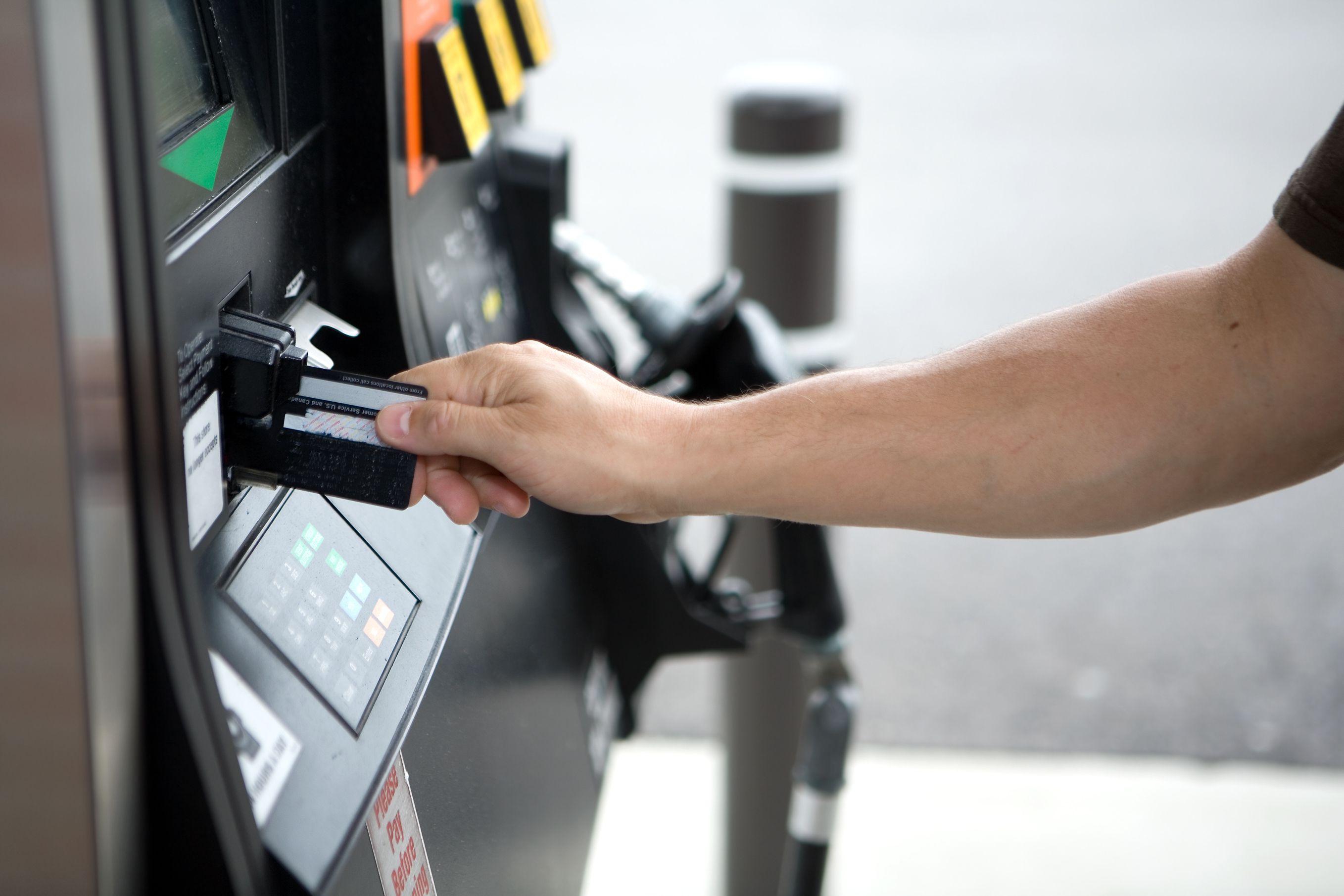
There are a few ways to find the cheapest gas in the nearby area and save money on your gas bill:
- Use an app like GasBuddy to locate the lowest nearby price. The app lets drivers search by gas type, payment type, the brand of gas station, and other factors. The app also offers cashback deals, paid subscriptions, and more.
- AAA has a gas price monitoring website that gets updated every day. Drivers can search by state and country to find the best prices.
- Both Google Maps and Waze keep track of gas prices. When you search for gas stations within their maps, the price of gas at local stations will pop up. Although one can’t filter by price or automatically see the lowest price, it’s fairly easy to look around and find the cheapest option.
- Another useful app is GetUpside. The app lets users compare gas prices near them, and also earn cash back every time they fill up their tank.
- Besides the ability to buy in bulk, one of the perks of getting a Costco or Sam’s membership is getting discounts on gas. It’s often the cheapest option for club members.
- Certain days of the week tend to have lower prices. Generally, Mondays are the cheapest, followed by Sunday, while Wednesday and Thursday are the most expensive days.
aabejon/istockphoto
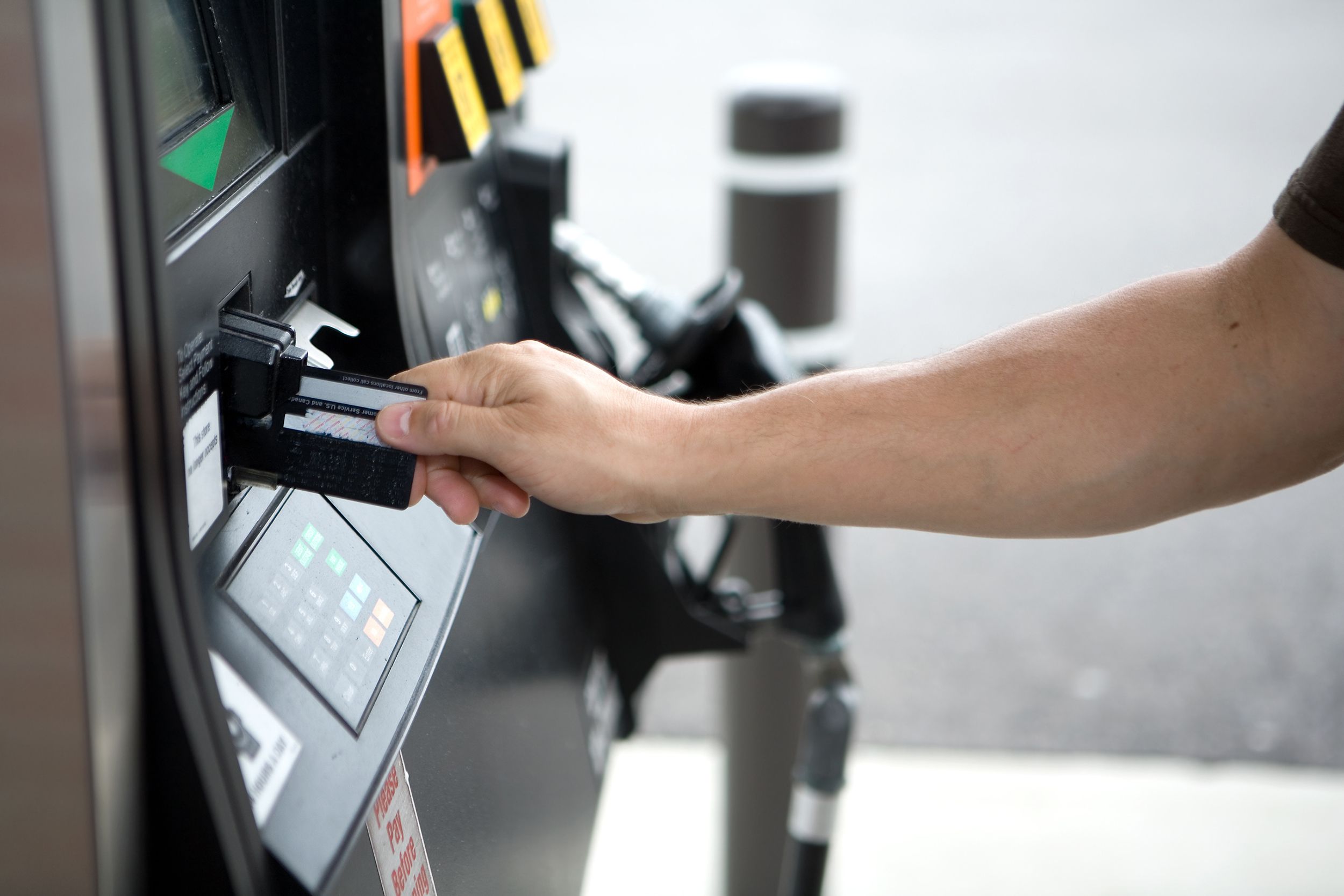
Gas prices go up and down in response to a variety of global and domestic factors. But there are a few ways to source the best deals on gas and stay within your budget, including apps and membership-only retailers.
This article originally appeared on SoFi.com and was syndicated by MediaFeed.org.
SoFi’s Insights tool offers users the ability to connect both SoFi accounts and external accounts using Plaid, Inc.’s service. When you use the service to connect an account, you authorize SoFi to obtain account information from any external accounts as set forth in SoFi’s Terms of Use. Based on your consent SoFi will also automatically provide some financial data received from the credit bureau for your visibility, without the need of you connecting additional accounts. SoFi assumes no responsibility for the timeliness, accuracy, deletion, non-delivery or failure to store any user data, loss of user data, communications, or personalization settings. You shall confirm the accuracy of Plaid data through sources independent of SoFi. The credit score is a VantageScore® based on TransUnion® (the “Processing Agent”) data.
Third-Party Brand Mentions: No brands, products, or companies mentioned are affiliated with SoFi, nor do they endorse or sponsor this article. Third-party trademarks referenced herein are property of their respective owners.
Non affiliation: SoFi isn’t affiliated with any of the companies highlighted in this article.
Financial Tips & Strategies: The tips provided on this website are of a general nature and do not take into account your specific objectives, financial situation, and needs. You should always consider their appropriateness given your own circumstances.
aabejon/istockphoto

pawinp/istockphoto
Featured Image Credit: andresr/istockphoto.