Pantry staples that could be sabotaging your sleep
Everyone already blames coffee. What gets missed is an entire shelf of ordinary pantry items sitting right next to it, working against sleep through mechanisms unrelated to caffeine.
A late-night snack rarely gets the same scrutiny as a cup of coffee, mostly because none of these foods come with a warning label the way caffeine does. Some spike blood sugar and let it crash a few hours later. Others raise body temperature or blood pressure right when both should be dropping. A few just sit heavy in the stomach, turning digestion into a competing priority against actually falling asleep. None of it looks dangerous sitting in a pantry, which is exactly why it rarely gets questioned.
Six of the more common culprits, and what they’re actually doing behind the scenes.
Aged cheese is basically a stimulant with a rind on it
Cheddar. Parmesan. Gouda. Anything sharp enough to carry real flavor builds up tyramine during the aging process, and tyramine triggers a release of norepinephrine, the exact hormone responsible for raising alertness and heart rate at the moment a body needs to be winding down.
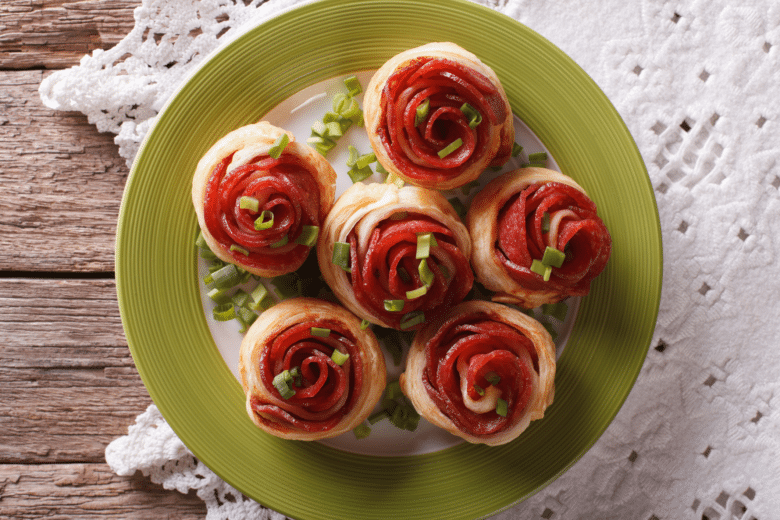
The charcuterie board has the same problem, twice over
Pepperoni, salami, bacon, ham, all the meats that pair naturally with aged cheese, share its exact tyramine issue. They go a step further too, tightening blood vessels and raising blood pressure right when sleep depends on both dropping.
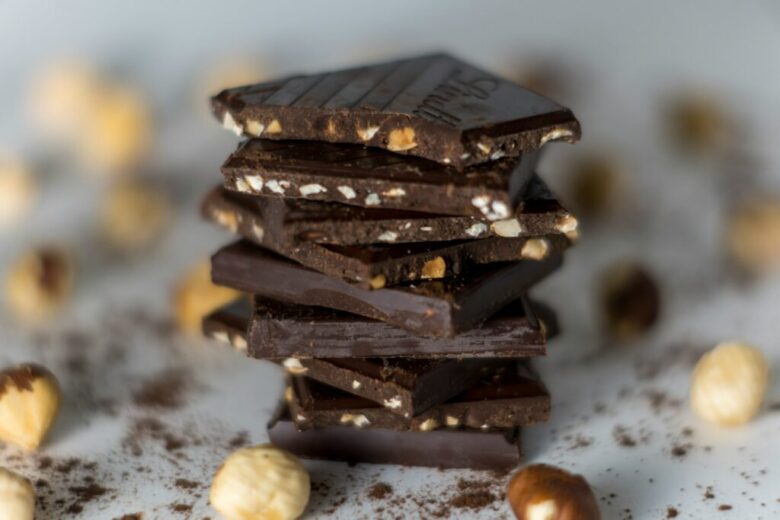
Two stimulants, not one
That’s what’s actually in a square of chocolate: caffeine and theobromine, present even in small amounts. Together they interfere with reaching deeper sleep stages and can cut into REM sleep specifically, a real effect even in people who don’t consider themselves caffeine-sensitive.

Hot sauce heats the body at exactly the wrong moment
Capsaicin raises core temperature right when sleep onset needs the opposite. It’s also a documented acid reflux trigger, and reflux only gets worse the second a body goes horizontal.
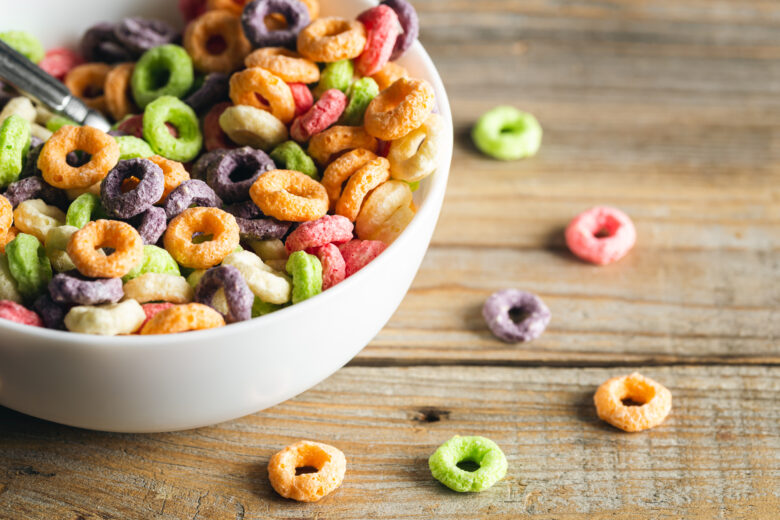
A bowl of sugary cereal at 10 p.m. sets off its own alarm a few hours later
Blood sugar spikes fast. What goes up has to come back down, and the crash triggers cortisol release to compensate. Cortisol’s job is to wake the body up. Not exactly the goal at bedtime.
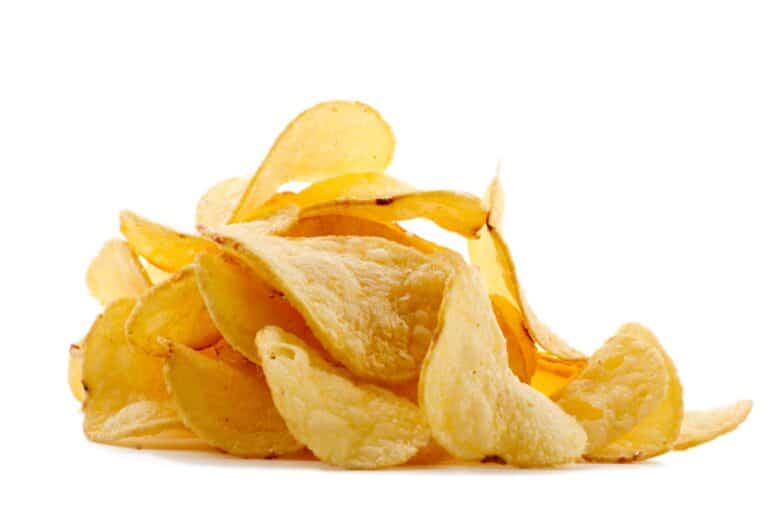
Salt does two things wrong, not one
A late-night bag of chips contributes to lighter, more disrupted sleep on its own, according to research out of the European Society of Endocrinology. Then it dehydrates. That combination is how a chips habit turns into a 3 a.m. trip to the kitchen for water.

The bottom line
None of these foods are bad choices at the right hour. The fix isn’t cutting anything out. It’s moving the cheese plate, the chocolate, and the chips earlier into the afternoon instead of reaching for them an hour before bed.
Ask us! What questions do you have about content, strategy, pop culture, lifestyle, wellness, history or more? We may use your question in an upcoming article!
Related:
- 10 healthier fast food orders that are actually worth trying
- These 15 healthy foods are way more popular than they are tasty.
Like MediaFeed’s content? Be sure to follow us.
This article was syndicated by MediaFeed.co.