This article was reviewed by Lynn Marie Morski, MD, JD.
Key Takeaways:
- Ozempic may help improve testosterone levels in people with overweight or obesity by helping them lose weight, but this is still under investigation.
- Many of the studies linking Ozempic to improved testosterone levels lack long-term follow-up, so the long-term effects on testosterone still aren’t well understood.
- Ozempic doesn’t directly improve testosterone levels and is unlikely to affect testosterone levels in people at a healthy weight.
Testosterone levels are an important marker of men’s health. Testosterone is influenced by many factors, including your metabolic health, genetics, and the medications you take.
Diabetes and weight loss medications like Ozempic® have rapidly gained in popularity in recent years. Many men are curious if there’s a connection between Ozempic® and testosterone levels, whether positive or negative.
The highest-quality evidence to date suggests that GLP-1 receptor agonists like semaglutide (the active ingredient in Ozempic®) may increase testosterone levels in men with overweight or obesity, primarily because significant weight loss can improve hormonal balance. These medications are unlikely to boost testosterone in people who are at a healthy body weight.
Here, learn more about the connection between all medications containing semaglutide and testosterone levels.
What Is Ozempic®?
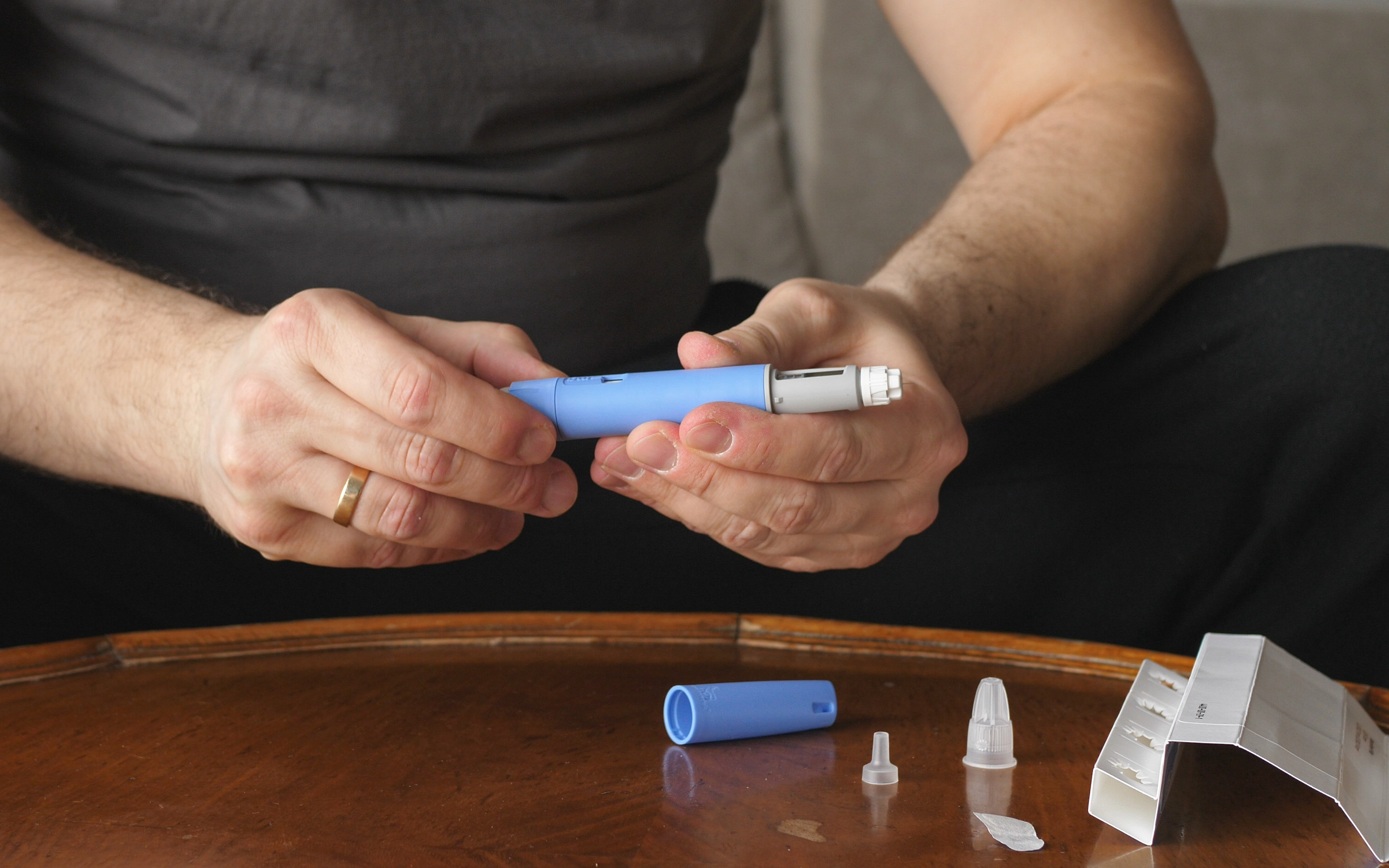
Ozempic® is a brand-name medication that contains the active ingredient semaglutide and is administered as a weekly injection. Semaglutide more broadly fits into a class of medications called GLP-1 receptor agonists and is also sold under the brand names Wegovy® and Rybelsus®.
GLP-1 receptor agonists work by mimicking the hormone GLP-1 naturally produced by cells that line your gut. It mainly helps aid blood sugar control and weight loss by:
- Lowering blood sugar by increasing insulin release and reducing liver glucose production
- Slowing stomach emptying and helping control glucose spikes after eating
- Reducing appetite
Semaglutide medications were originally developed to help people with type 2 diabetes manage their blood sugar. People with type 2 diabetes have problems with insulin sensitivity, meaning that they have to produce too much insulin to keep their blood sugar in a healthy range.
Since then, semaglutide has also been used to help with weight loss in people who don’t have diabetes. Ozempic® is currently FDA-approved to help manage diabetes, but it’s frequently prescribed off-label for weight loss in people who have overweight or obesity. Off-label means a medication is prescribed for something other than what it’s FDA-approved to treat.
Another brand of semaglutide, sold under the name Rybelsus®, is available as oral tablets. The brand Wegovy® has been FDA-approved specifically for helping treat obesity or overweight that’s causing at least one complication.
Does Semaglutide Raise or Lower Testosterone?
Semaglutide medications primarily help manage diabetes or weight loss. By itself, it doesn’t have any properties that directly enhance testosterone levels, but it’s plausible that it could indirectly benefit testosterone by helping treat overweight or diabetes.
Obesity is a substantial risk factor for low testosterone. People with obesity often develop problems with the production of luteinizing hormone from the anterior pituitary gland. This hormone tells the testes to produce testosterone.
There are many factors that contribute to the development of low testosterone in people with obesity, such as increased leptin in the blood (which may reduce activity of cells in the testicles) and increased conversion of testosterone into estrogen.
In general, lower levels of testosterone are linked to higher body weight.
Likewise, low testosterone (medically known as hypogonadism) is also associated with type 2 diabetes, which in turn commonly coexists with obesity.
Weight loss in general (even through lifestyle changes alone) is consistently associated with improvements in testosterone levels in people with obesity.
Current Evidence Linking Ozempic® and Improved Testosterone
In theory, weight loss drugs may help you maintain a healthy body weight, and by extension, improve testosterone levels.
The current evidence that taking Ozempic® may help improve testosterone levels in men who have overweight or obesity looks promising, but more evidence is needed to understand the connection or potential long-term benefits.
In one of the largest reviews of studies to date, researchers examined the effects of GLP-1 receptor agonists (such as Ozempic®) on testosterone and semen in 371 men across seven studies.
The research found that GLP-1 receptor agonists were an effective treatment for increasing total testosterone, especially among men with obesity and metabolic dysfunction, such as those with diabetes.
The researchers also noted improvements in sperm count, motility, and shape.
Similarly, in a small 2025 study, researchers found semaglutide (the active ingredient in Ozempic®) was associated with improved total testosterone levels and semen parameters among 25 men with diabetes and obesity.
Semaglutide and ED
All medications come with the risk of side effects. Side effects among men taking Ozempic® are generally infrequent and mild, but it’s still important to monitor for them.
In a 2024 study, researchers examined the effect of semaglutide on the arousal of more than 3,000 men without diabetes but who had obesity.
The researchers found that men taking semaglutide had increased rates of ED or new use of PDE-5 inhibitors (a class of medications for arousal that includes Viagra® and Cialis®) compared to men who had never taken semaglutide.
It’s worth noting that the overall rates of ED were still relatively low in both the semaglutide and control groups at 1.47 percent and 0.32 percent, respectively.
Interestingly, men taking semaglutide were also more likely to develop low testosterone compared to the control group, who didn’t receive semaglutide. But again, the rates were low in both groups at 1.53 percent and 0.80 percent.
It’s worth noting that these findings don’t mean semaglutide caused low testosterone, as there could be other variables leading to increased rates among men taking medications compared to those who weren’t.
Semaglutide Effects on Fertility
Semaglutide may help improve markers of fertility, especially among men with diabetes. These markers include:
- Sperm shape
- Sperm motility
- Testicular function
- Hormonal signaling
However, it’s important to remember that current research on the subject is limited, and more research is needed to fully understand semaglutide’s link with fertility.
In a small 2024 study, researchers examined the effect of semaglutide and testosterone replacement therapy (TRT) on 25 men between the ages of 46 and 60 with type 2 diabetes and obesity.
The researchers found that at baseline, the men had poor sperm parameters, in the bottom 5 percent compared to the general population. After 24 weeks of treatment, there was a 2 percent increase in the percentage of sperm with a normal shape in the group that received semaglutide. The group that received semaglutide had more normally shaped sperm, better sperm concentration, and higher total sperm than the TRT group.
Some research has raised concerns about the potential negative effects of semaglutide on egg quality in women. Some women may decide to wait to try these weight loss drugs until more research comes out if they want to have children.
Semaglutide and Testosterone Replacement Therapy (TRT)
TRT involves taking a synthetic form of testosterone to replace your body’s natural supply. This can have several benefits, such as helping you:
- Maintain muscle mass
- Build muscle and lean mass
- Maintain energy levels
- Improve intimacy drive
- Improve overall health
- Improve mood and overall wellness
The potential benefits of TRT are still being studied. Combining TRT with GLP-1 medications may be appropriate for some men, but it’s important to talk to a specialist in endocrinology about the safety and potential risks before you do so.
If you’re already taking semaglutide or TRT, it’s important to tell your healthcare provider before starting other medications.
You can talk to a healthcare provider through our telehealth portal to see if you may be a good candidate for semaglutide or TRT without needing to go into a clinic in person.
Lifestyle Strategies to Support Testosterone Levels
Many factors influence your testosterone levels, including your genetics and lifestyle habits. You can’t change your genetics, but you can change your behavior.
Some general ways to support normal testosterone levels include:
- Prioritizing getting at least 7 hours of quality sleep each night
- Exercising regularly, especially with strength training
- Maintaining a healthy body fat percentage
- Eating enough healthy fats and protein
- Getting adequate vitamin D (through sun exposure or supplementation as advised)
- Managing stress through mindfulness, breathing, or relaxation techniques
- Avoiding excessive alcohol consumption
- Avoiding or quitting smoking
Bottom Line
Testosterone is an important hormone for maintaining endocrine function, quality of life, and overall well-being. Ozempic® and other medications that contain semaglutide may help improve testosterone levels in men who have overweight or obesity by aiding weight loss. They’re unlikely to improve testosterone in men at a healthy weight who don’t have diabetes.
It’s best to talk to a healthcare provider before trying to use semaglutide to treat low testosterone levels. They can advise you about the potential side effects and help you create a sustainable treatment plan for weight management and balancing your hormones.
FAQs
Does Ozempic® increase testosterone levels?
Ozempic® doesn’t directly increase testosterone, but it can help with weight loss and blood sugar management. These effects may help men who have overweight or obesity increase their testosterone levels.
How do I know if my testosterone levels are low?
You can measure your testosterone levels with a blood test. We offer at-home testosterone testing kits, so you can test at home and have a medical professional evaluate your results without going into a clinic.
What else can I do to increase testosterone?
Making lifestyle changes such as losing weight, exercising regularly, getting plenty of sleep, and eating a balanced diet can help support healthy testosterone levels. If these aren’t enough to improve your testosterone, your doctor may recommend TRT.
Related:
Like MediaFeed’s content? Be sure to follow us.
This article originally appeared on Hims.com and was syndicated by MediaFeed.org.