Our favorite karaoke songs from the ’70s: What did we miss?
Karaoke has a hierarchy, and the 1970s sit near the top of it. The decade produced songs with outsized choruses, singable melodies and the kind of emotional range that makes a crowded bar suddenly feel like a concert. The songs people reach for at karaoke almost always come from this era.
Here are the ones you keep going back to.

“Bohemian Rhapsody” by Queen (1975)
Lucky Voice their most-picked karaoke song every single year. Six minutes, four movements, at least three vocal registers and a set of operatic exchanges that require either a group or extraordinary commitment from a single performer. Nobody performs this correctly. Nobody cares. The moment when the operatic section collapses into the driving guitar outro is the reason people queue it at midnight.
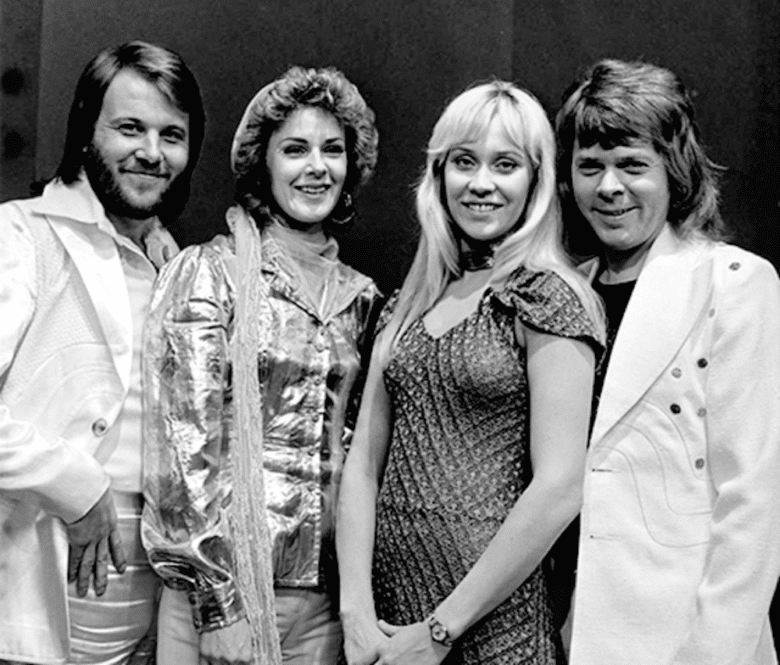
“Dancing Queen” by ABBA (1976)
StemSplit confirms that ABBA’s 1976 disco anthem consistently ranks among the top five karaoke songs worldwide. The lyrics are easy, the melody carries itself and the chorus lands hard enough to bring in the whole room. It is the rare song that works equally well as a solo, a duet or a chaotic group performance by people who have never rehearsed together.
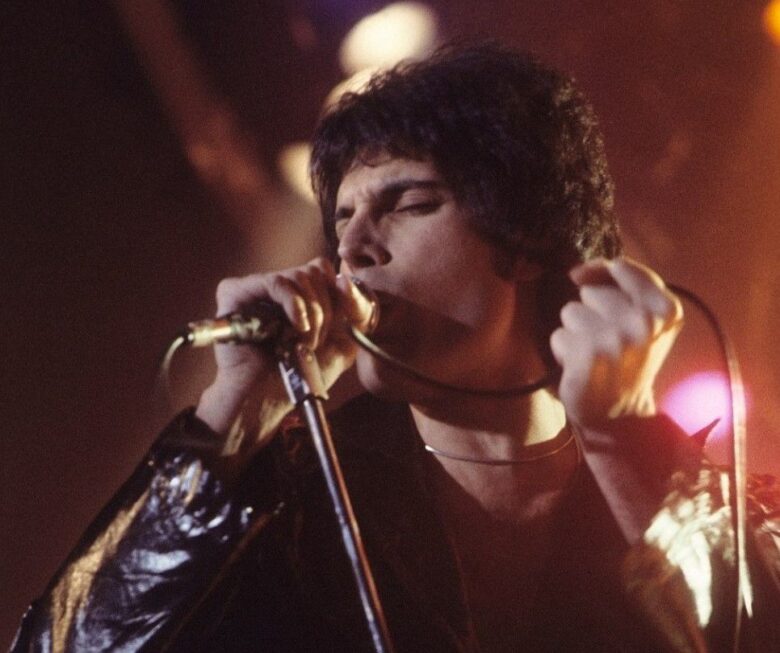
“Don’t Stop Me Now” by Queen (1979)
Freddie Mercury at his most physically demanding. The verses escalate relentlessly, the tempo accelerates and the performance requires complete commitment or it falls apart entirely. Old School Yard that Queen dominates any list of karaoke classics, and this song is its most deceptively difficult entry. People queue it confidently. It humbles them quickly. They love it anyway.
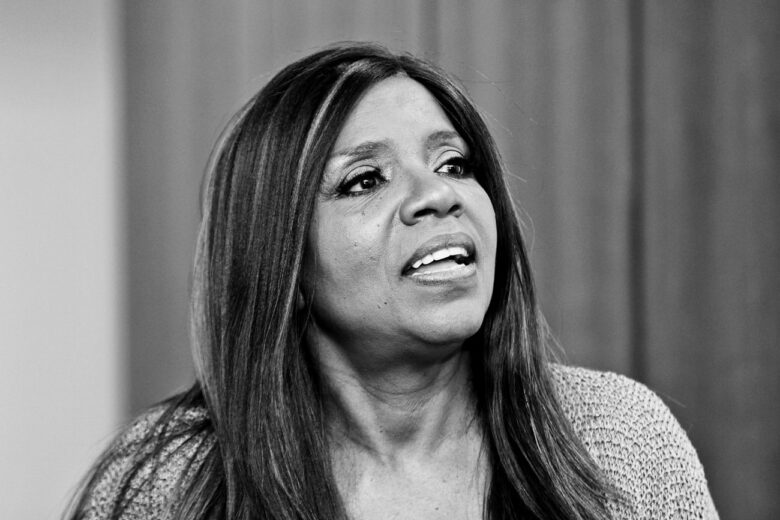
“I Will Survive” by Gloria Gaynor (1978)
The definitive breakup anthem. The opening is deceptively slow and conversational, which lures people into thinking they can handle it before the tempo shifts and the song becomes a declaration. Lucky Voice lists it among the all-time most requested songs in their venues. The crowd usually knows every word. The performer benefits from that fact more than they realize.

“We Are the Champions” by Queen (1977)
Written specifically to be sung by audiences rather than by Freddie Mercury at them, this is karaoke before karaoke had a name. StemSplit notes that songs with built-in audience participation are the most reliable karaoke choices, and this one requires no prompting. The final chorus, particularly the sustained final note, is the moment every performer has been building toward since they grabbed the microphone.
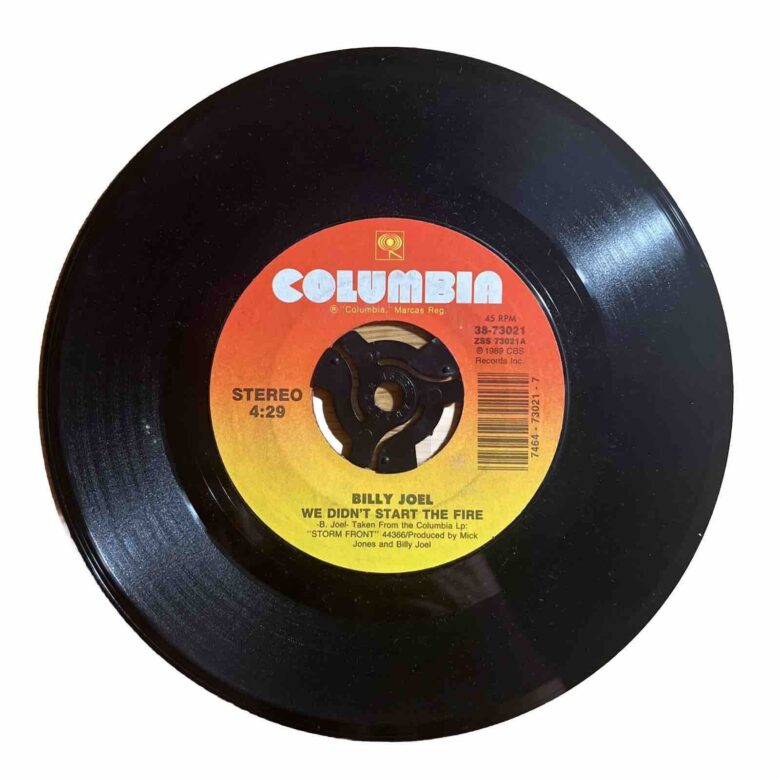
“Piano Man” by Billy Joel (1973)
The waltz rhythm makes it structurally unique in a karaoke lineup dominated by four-four time. Old School Yard ranks it among the most beloved karaoke standards precisely because the storytelling structure rewards a performer who inhabits it rather than just shouting it. The harmonica interlude is a practical gift to anyone whose voice needs thirty seconds to recover.

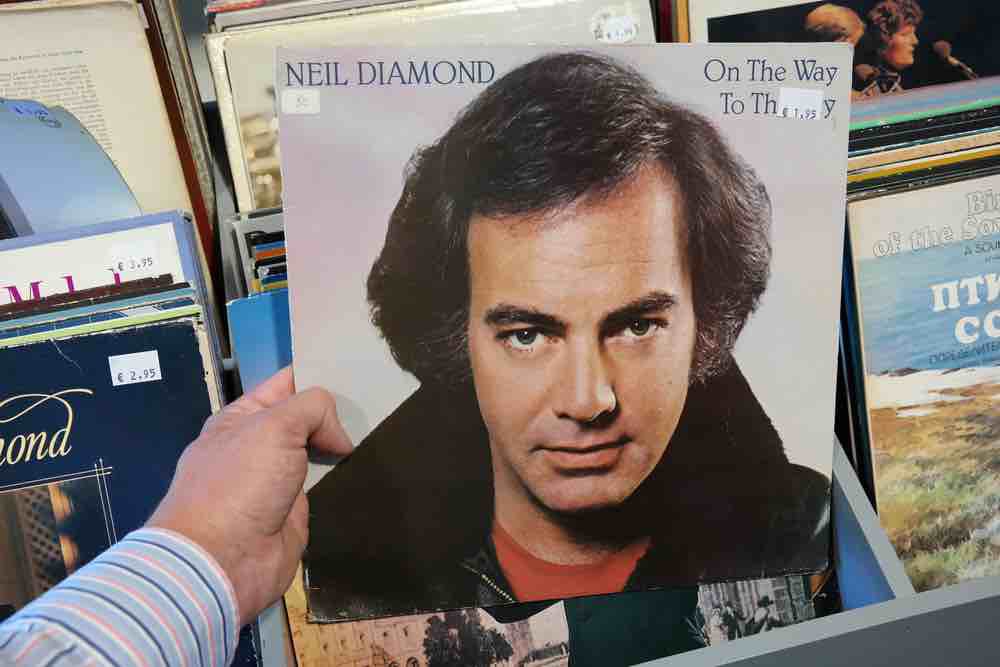
“Sweet Caroline” by Neil Diamond (1969/70s karaoke staple)
Technically released in 1969, but its karaoke life belongs entirely to the 1970s-onward singalong culture. StemSplit confirms it as the ultimate failsafe song, the one you queue when confidence is low and the room needs to be on your side. The “Ba ba baaa” is performed by the audience. The crowd does half the work. It remains the most forgiving song on any karaoke machine.

The bottom line
The 1970s gave karaoke its backbone. Big choruses, universal emotional territory, melodies that lodge in the brain and stay there. The songs on this list have been performed thousands of times in bars, private booths and living rooms. They have been performed badly and beautifully and everything in between. None of that has diminished them. That is the whole point.
Ask us! What questions do you have about content, strategy, pop culture, lifestyle, wellness, history or more? We may use your question in an upcoming article!
Related:
- The most controversial song the year you were born: Gen X edition
- The most controversial songs of the ’60s: Do you agree?
Like MediaFeed’s content? Be sure to follow us.
This article was syndicated by MediaFeed.co.