Only people who grew up in the ’80s can name all 12 of these household objects
Joseph Pedott sold two of the decade’s most recognizable jingle-backed household objects: “ch-ch-ch-Chia” and “clap on, clap off.” One of them started as a friend’s joke.
The other objects below have people attached too: a Disney engineer who put a cassette player in a bear, four Texas Instruments engineers working on a $25,000 budget, and a Hungarian architecture professor with a classroom model.
Twelve slides follow, in no particular order. Every object is real, and every detail links to its origin.
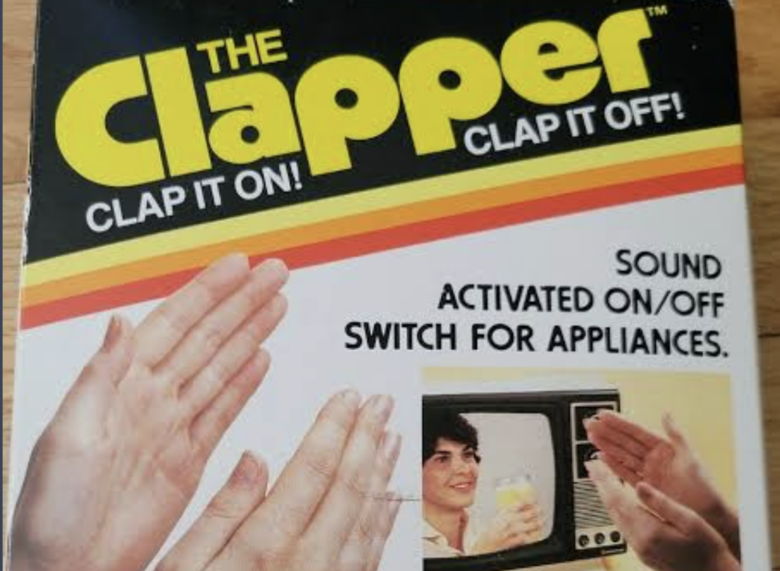
The Clapper’s first name was worse
Futronics sold it as the Great American Turn-On and went bankrupt in 1980. Pedott’s company bought the product, and by 1985 he’d renamed it the Clapper. “It didn’t work,” Pedott said of the original. The improved version still had trouble with barking dogs, though some owners trained their pets to do it on purpose.
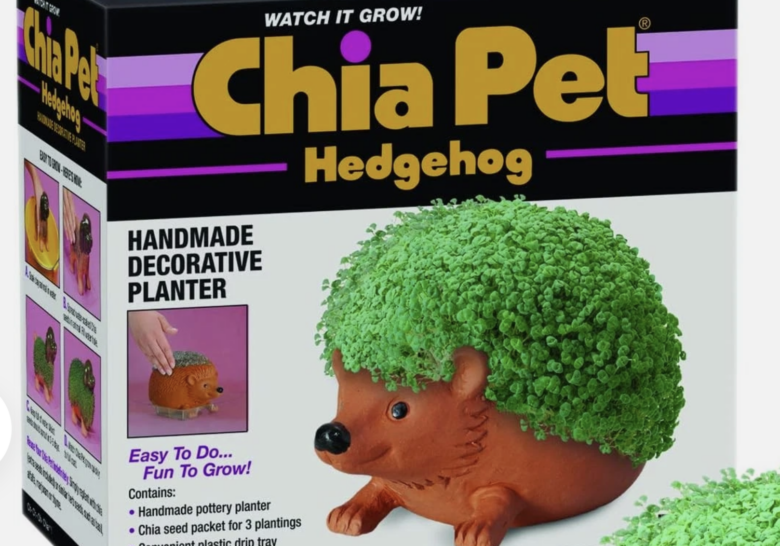
The Chia Pet
Pedott first saw one at a Chicago housewares show in 1977, imported from Oaxaca, Mexico, and negotiated the rights from the importer, Walter Houston. The terra-cotta ram became the first widely distributed version in 1982. The jingle came free: a friend jokingly stuttered it at him, and Chia Pets went on to top 25 million in U.S. sales.
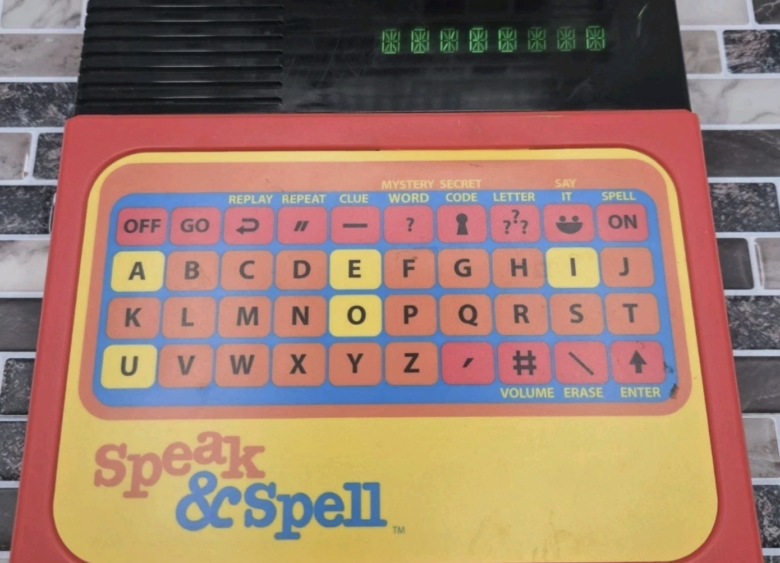
The orange toy E.T. hacked
Four Texas Instruments engineers, Paul Breedlove, Richard Wiggins, Larry Brantingham, and Gene Frantz, spent a $25,000 budget on the Speak & Spell, which TI announced in June 1978. The chip inside was the first single-chip speech synthesizer. In 1982, an alien used one to phone home, and Depeche Mode named its 1981 debut album after it.
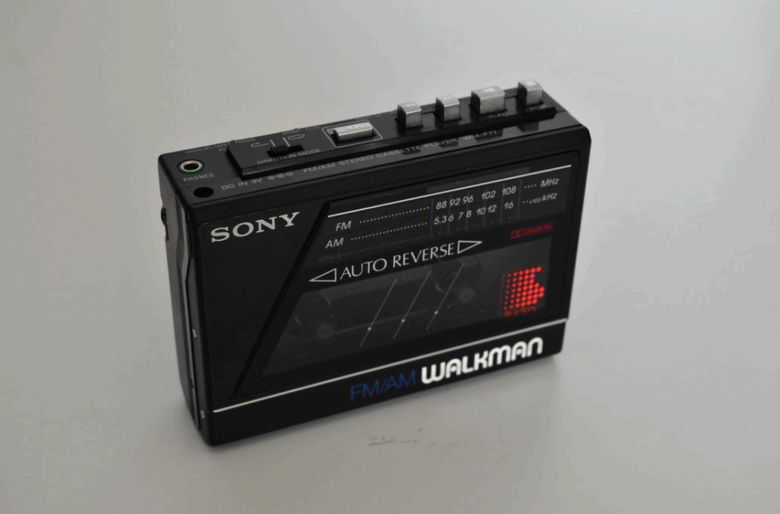
Sony’s chairman hated the name
Akio Morita didn’t like “Walkman,” but advertising had already gone out and changing it would have been too expensive. Engineer Nobutoshi Kihara had removed the recording function from a Pressman recorder to build it for cofounder Masaru Ibuka, who wanted music on long flights. It went on sale on July 1, 1979, and in the U.S. it was first sold as the Soundabout.
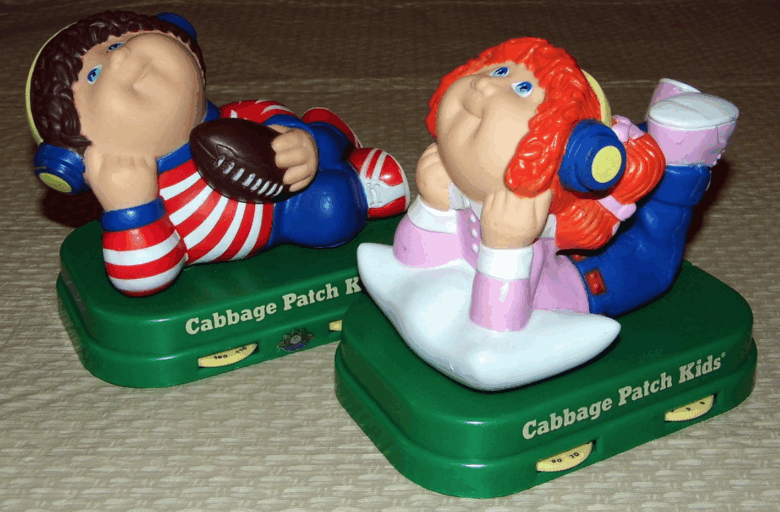
Why did kids have to adopt a doll?
Because that was the point of the Cabbage Patch Kid. Artist Xavier Roberts first sold his handmade dolls as The Little People, for an adoption fee, and each doll that Coleco mass-produced came with a birth certificate and adoption papers. The 1983 holiday season sparked the so-called Cabbage Patch Riots, and counterfeit dolls stuffed with industrial rags surfaced.
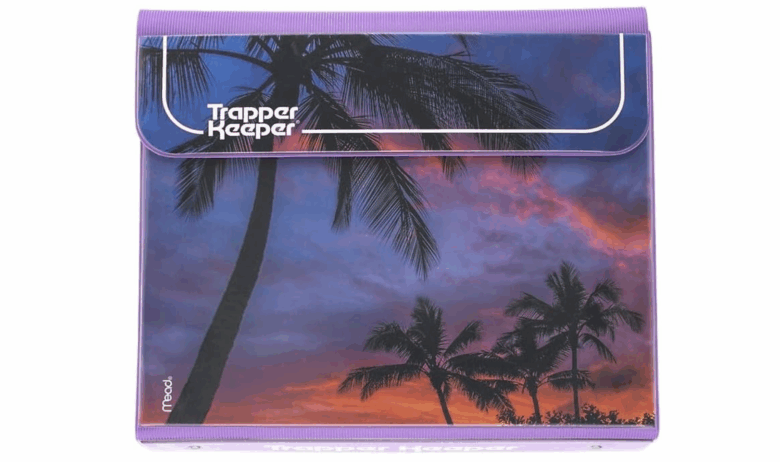
$4.85 for the binder, 29 cents for the folders
That was the price when Mead rolled the Trapper Keeper out nationally in 1981, after the first batch sold out in a Wichita, Kansas, test market in August 1978. Designer Bryant Crutchfield had slipped a feedback card into each binder offering a free replacement, and roughly 1,500 came back. “It was no accident,” he said of the product. It went on to sell more than 75 million.
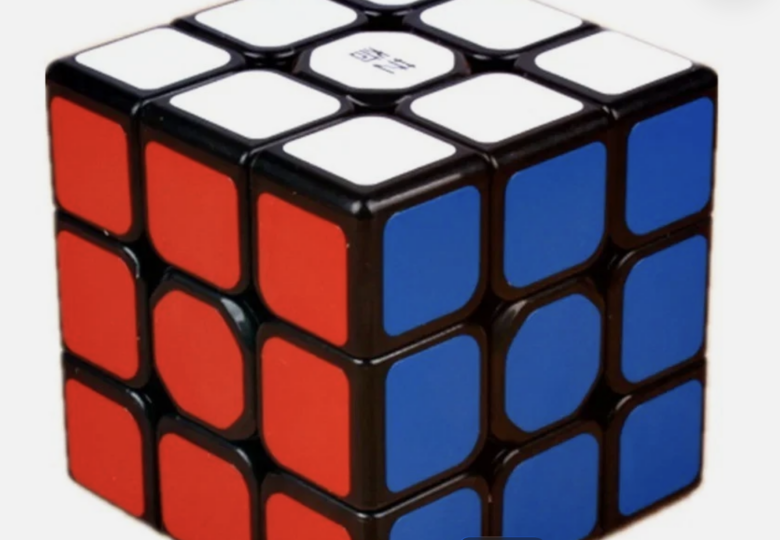
One hundred million in two years
Ernő Rubik, a Hungarian design professor, built his first cube in 1974 and called it the Magic Cube. Marketer Tom Kremer spotted it at the 1979 Nuremberg Toy Fair, and Ideal Toy launched it worldwide in 1980. Within two years, they sold 100 million.
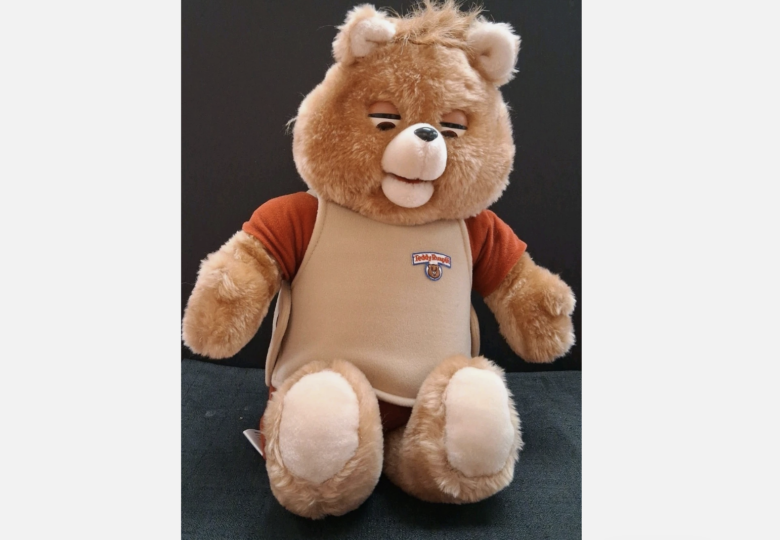
A bear with a cassette player in his back
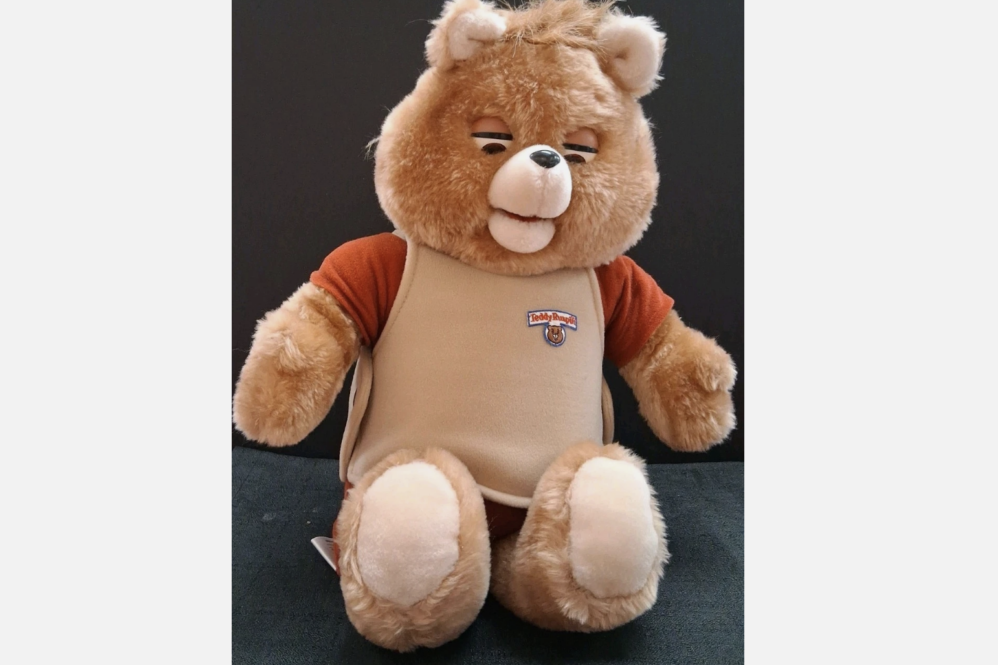
Ken Forsse, a Disney engineer, realized a two-track cassette could do two jobs at once: one track carried the voice, the other the signals that moved the bear’s eyes and mouth. Worlds of Wonder sold 41,000 Teddy Ruxpins in the first 30 days of 1985. The company went bankrupt in 1988.
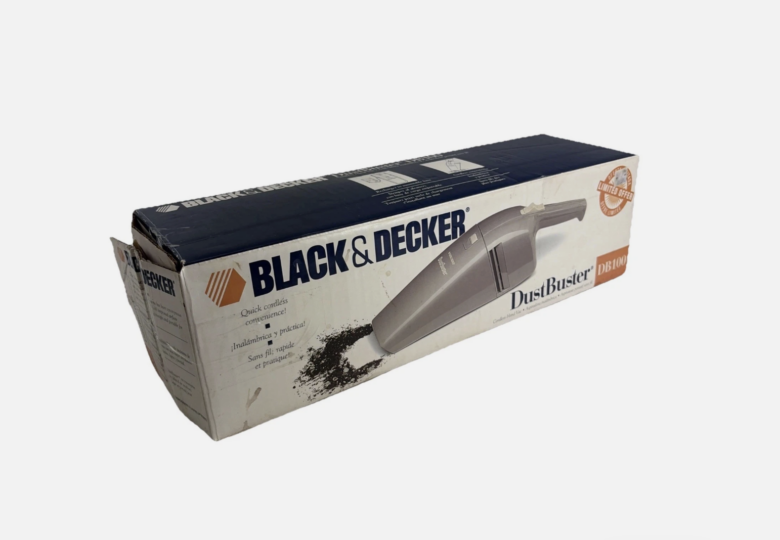
A moon drill in your kitchen
Black & Decker’s Dustbuster arrived in January 1979, and designer Carroll Gantz gave it a dustpan shape and an almond beige that wouldn’t look out of place in a kitchen. The company had built a cordless lunar drill used on the Moon starting with Apollo 15 in 1971. By 1985, the Dustbuster was selling 7 million units a year.
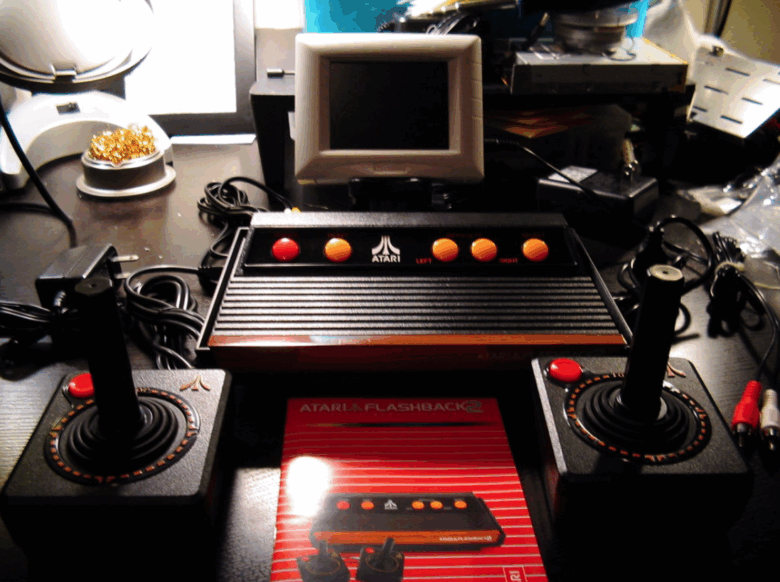
Two joysticks, two paddles, one cartridge
That’s what came in the box with the original Atari VCS, later renamed the Atari 2600, and Sears sold it as the Video Arcade. Nolan Bushnell had sold Atari to Warner Communications in 1976 for $28 million to fund it. The console ended up selling about 30 million.

“Be kind, please rewind”
Video stores charged a fee if you skipped the step, and the sticker begged you to be kind. In 1993, a video magazine editor asked repair experts what the worst thing you could do to your VCR was, and the most common answer was regularly rewinding rentals. Standalone rewinders existed to save the VCR’s heads.
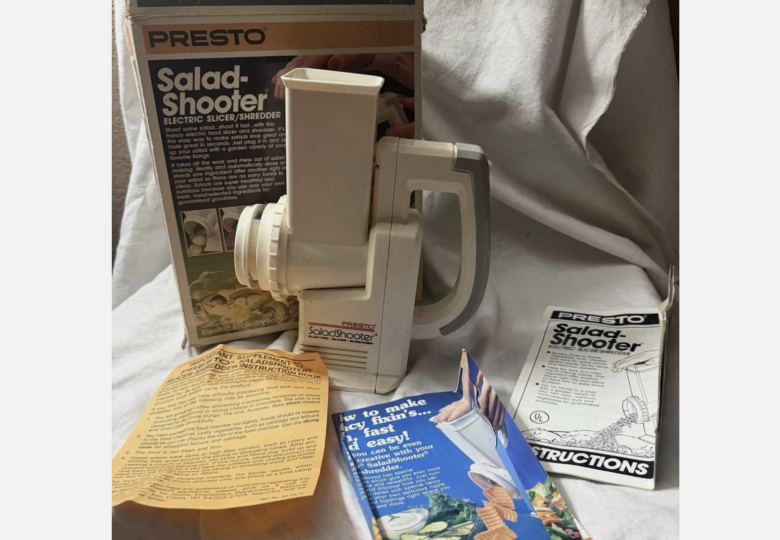
The Salad Shooter
Presto introduced it in 1988, when consumers wanted less fat and more fresh vegetables. The pitch was “point and shoot”: slice or shred straight into the bowl, and the name quickly became a household word. A Professional version followed in 1990.

The bottom line
Several of these started as someone else’s idea: a failed gadget, a moon drill, a friend’s stutter. The rest just sold.
Ask us! What questions do you have about content, strategy, pop culture, lifestyle, wellness, history or more? We may use your question in an upcoming article!
Related:
- Historical “discoveries” that turned out to be elaborate hoaxes
- Some of the most surprising record deals in music history
Like MediaFeed’s content? Be sure to follow us.
This article was syndicated by MediaFeed.co.