Only people who grew up in 1964 can name all of these household objects
On February 9, 1964, 73 million people watched the Beatles on “The Ed Sullivan Show,” roughly a third of the country.
What followed was a year of new stuff. Some of it went on the kitchen counter, some in the toy box, some on the turntable, and some into the desk drawer.
Ten of those things are hiding in the headings below. Each heading is a clue, and the name comes right after it. Count honestly. Seven or more, and you were there.
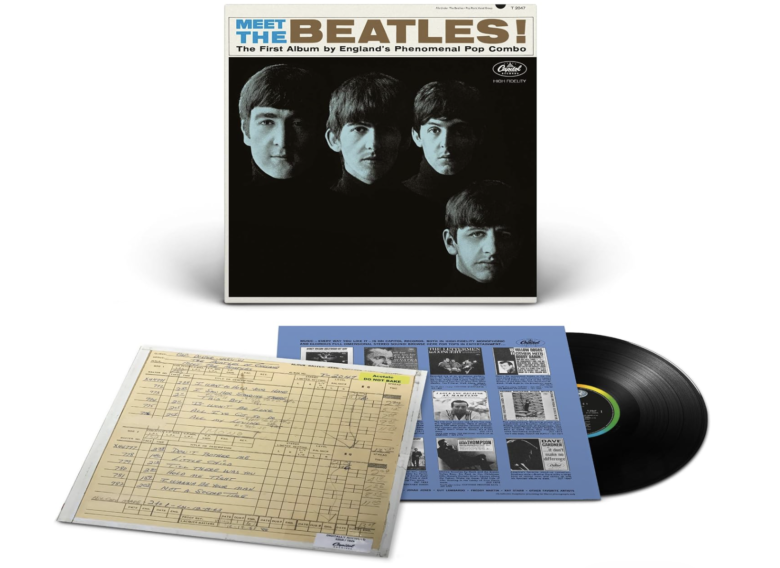
The record that introduced America to four mop-tops
Capitol released “Meet the Beatles!” on January 20, 1964, the band’s first album on the label. It reached No. 1 on February 15 and stayed there for eleven consecutive weeks. Vee-Jay Records beat Capitol to the punch by ten days with its own album.

A “movable fighting man” in a box
Hasbro called G.I. Joe “America’s Movable Fighting Man.” Executive Don Levine didn’t think it smart to call it a doll, and coined the term action figure. The figure stood 11½ inches tall and had 21 moving parts, the Strong Museum says. In its second year, sales reached $36 million.
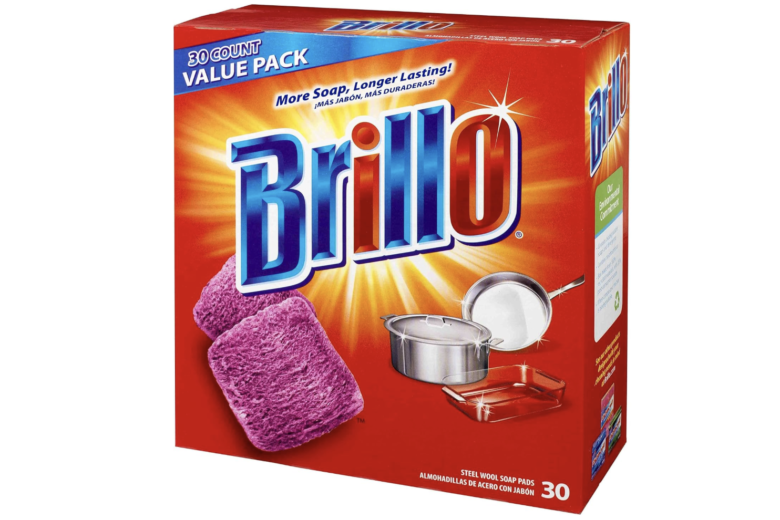
A cardboard box that became art
Designer James Harvey drew the Brillo soap-pad box in 1961. On April 21, 1964, he walked into New York’s Stable Gallery and found Andy Warhol’s wooden copies on display. Harvey laughed it off that night, and even chatted with Warhol. Later, he complained in print.

A toaster pastry with no frosting
Pop-Tarts debuted in 1964 in four flavors: strawberry, blueberry, brown sugar cinnamon, and apple-currant. All four were plain on top. After a Cleveland test, Kellogg’s raised its first national shipments from 10,000 cases to 45,000, and the whole run sold out, Bill Post recalled, Mental Floss reports. Frosting arrived in 1967, once Kellogg’s figured out how to keep it from melting in the toaster.
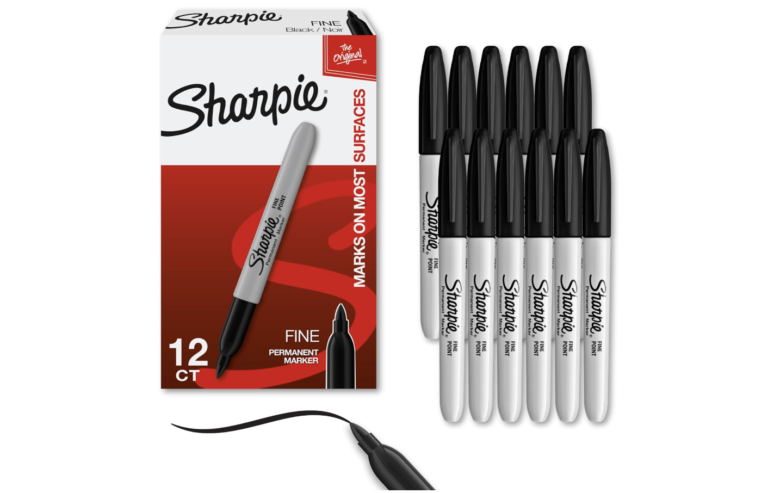
A marker that wrote on almost anything
Sanford Ink Company launched the Sharpie in 1964. It was a fine-tipped felt pen with indelible black ink, and Sanford’s own history calls it the first pen-style permanent marker. Newell bought Sanford in 1992, nearly three decades later.
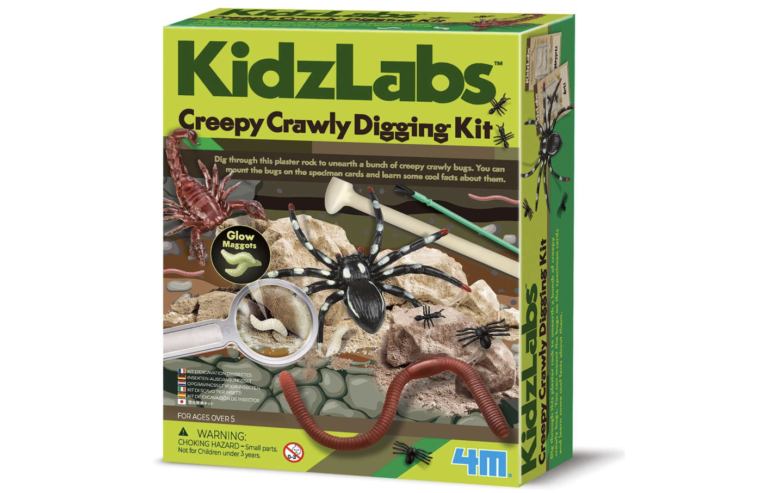
A hot plate that cooked bugs
Mattel introduced The Thingmaker: Creepy Crawler Set in 1964. Kids poured liquid “Plastigoop” into metal bug molds and heated them on an open electric hot plate. It sold well enough that Mattel followed with Maker-Paks like Fighting Men, Creeple People, and Fright Factory.
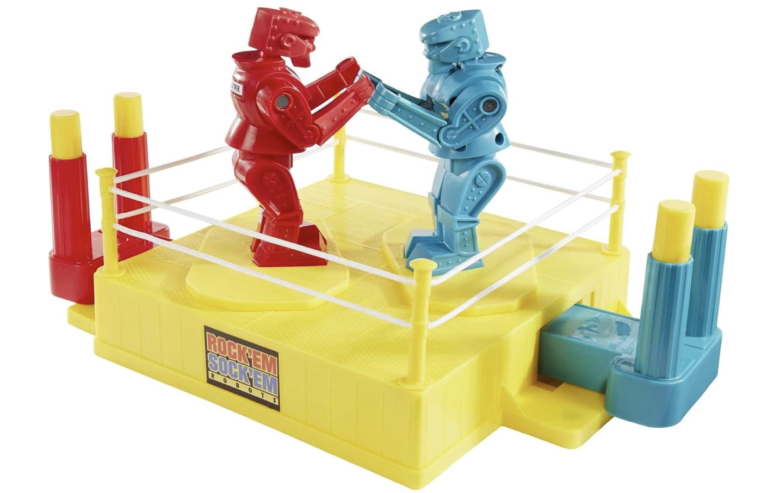
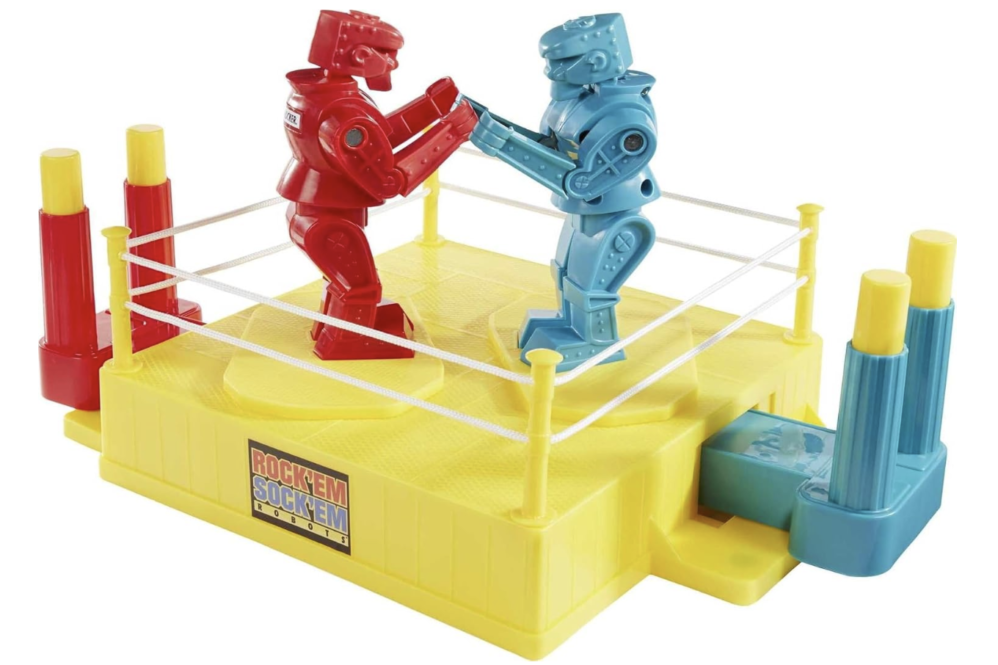
Two boxers with spring-loaded heads
Marvin Glass and Associates designed Rock ’Em Sock ’Em Robots, and Marx Toys put them in stores during the 1964 season. The box gave them a backstory. The Red Rocker hailed from Soltarus II and weighed 375 pounds. The Blue Bomber, from Umgluck, weighed 382.
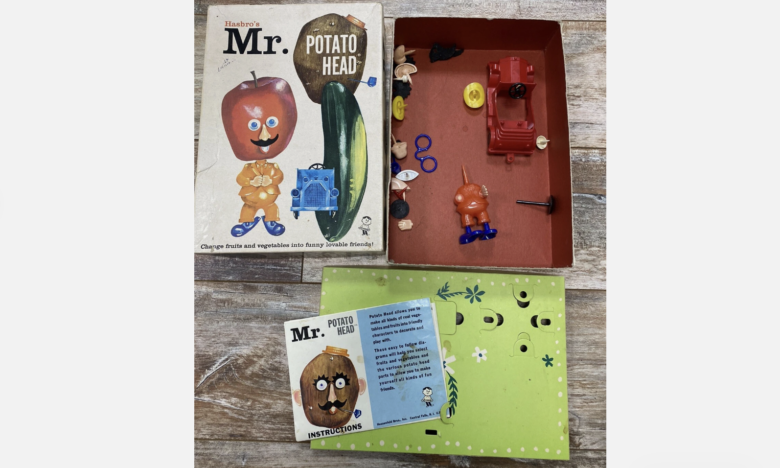
A potato with a plastic body
George Lerner invented Mr. Potato Head in 1952, with plastic parts you pushed into a real potato. The toy sold over $4 million worth of parts in its first year. In 1964, after complaints and new government safety rules, Hasbro added a plastic potato body.

A refrigerator that matched everything
General Electric introduced its Coppertone brown appliances in 1964. Avocado followed in 1966, and Harvest in 1968. The colors were darkened around the front edges to match the Danish modern look, Retro Renovation notes.
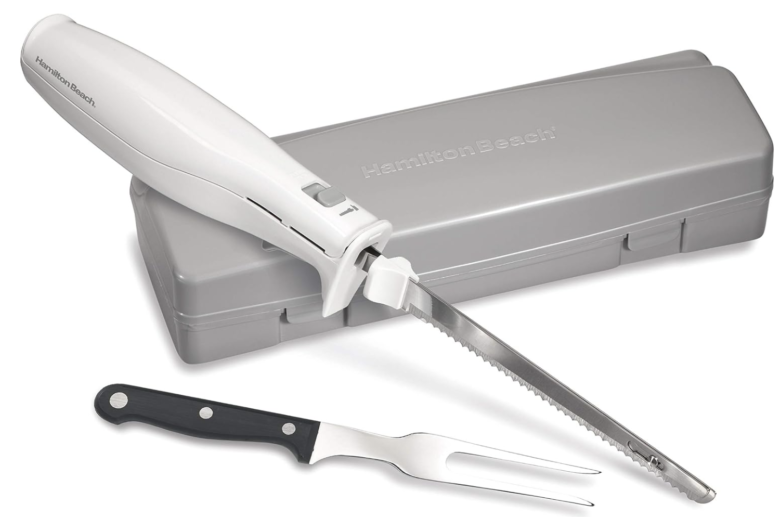
A carving knife with a cord
Jerome Murray patented an early version of the electric knife in 1964. By 1971, about one in three U.S. families owned one, Chowhound reports. It mostly came out at Thanksgiving.
The bottom line
“Meet the Beatles!” reached No. 1 on February 15, 1964, and stayed there for 11 weeks. Hasbro’s G.I. Joe sold $16.9 million in its first year and $36 million in its second.
Ask us! What questions do you have about content, strategy, pop culture, lifestyle, wellness, history or more? We may use your question in an upcoming article!
Related:
- Household rules from the ’40s that sound unbelievable now
- 8 places and discoveries where exploration has limits
Like MediaFeed’s content? Be sure to follow us.
This article was syndicated by MediaFeed.co.