
Medical tests you might be taking that are actually unnecessary
Nine major physician groups got together in 2012 and did something unusual: they publicly listed tests their own specialties ordered too often. The resulting Choosing Wisely campaign has since grown to include more than 80 medical societies and over 700 recommendations, all built around a genuinely uncomfortable admission that more testing doesn’t automatically mean better care.
This article is for general information only and isn’t medical advice. Whether a specific test is necessary depends on individual risk factors a doctor is best positioned to evaluate.
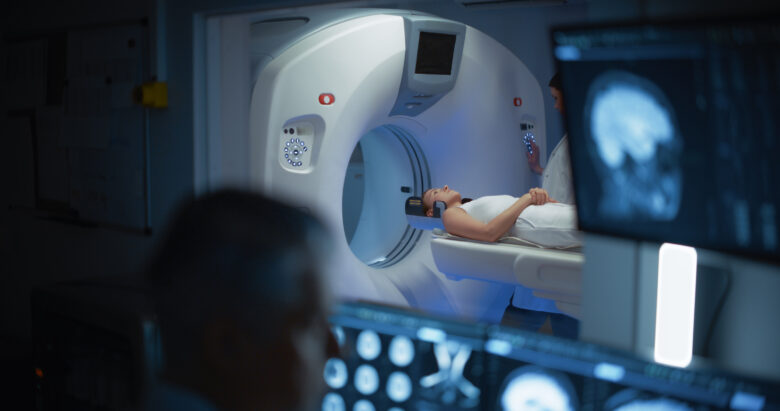
A brain scan after a routine fainting spell
CT and MRI scans get ordered reflexively after a fainting episode, and research reviewed by the American College of Physicians found no improvement in patient outcomes from brain imaging when there’s no evidence of a seizure or other neurological symptoms during the exam.
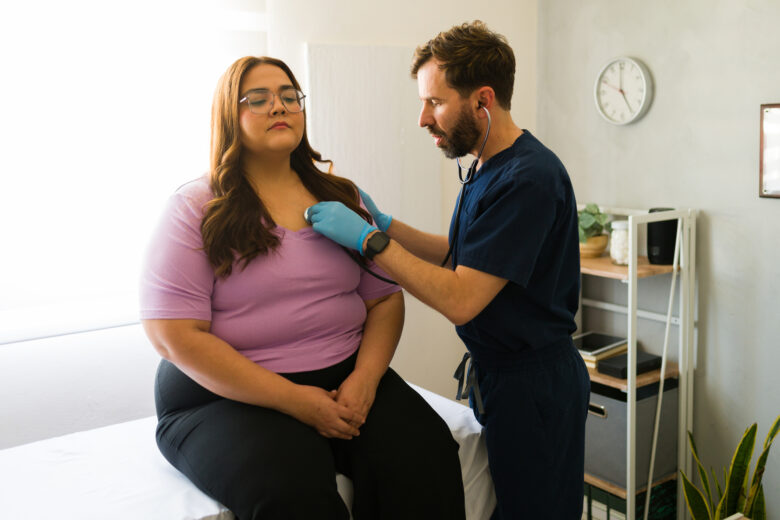
Cardiac stress testing with no symptoms present
The American College of Cardiology specifically flagged this: stress tests and advanced cardiac imaging shouldn’t be ordered routinely for patients with no signs of heart disease, no major risk factors like diabetes, and no upcoming heart-related surgery that would justify the screening.
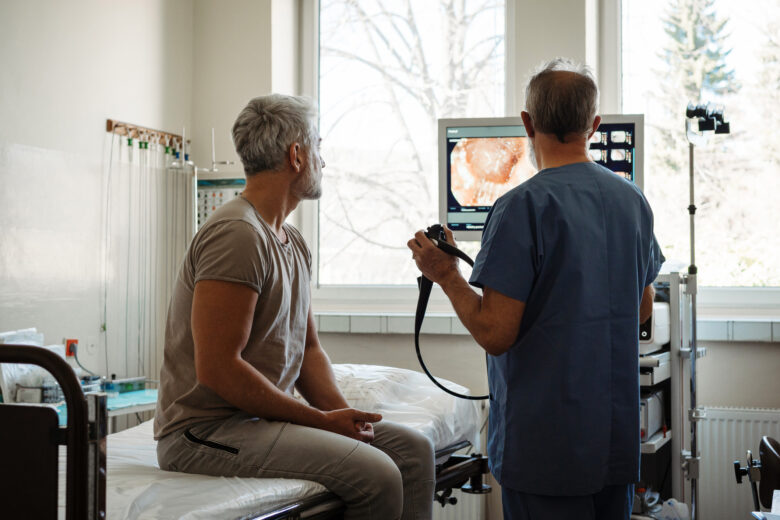
A colonoscopy repeated too soon after a clean result
Low-risk patients with no family history of colon cancer don’t need another screening for a full ten years after a high-quality colonoscopy comes back negative, according to the American Gastroenterological Association’s own guidance.
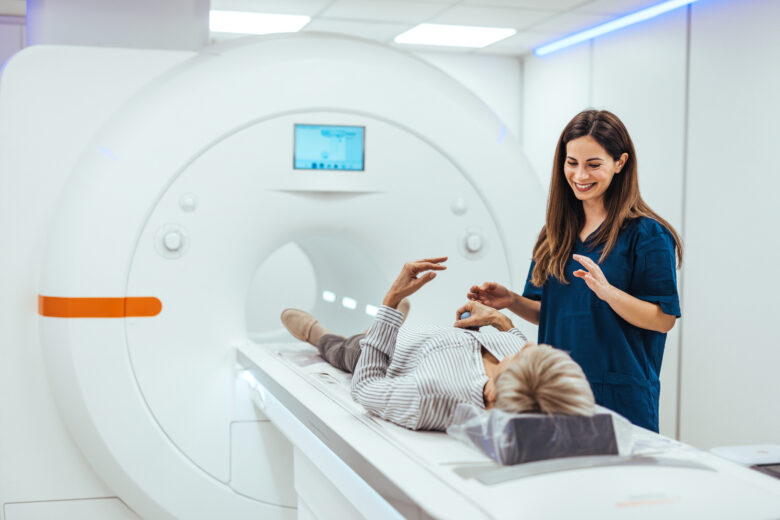
A CT scan for an ordinary sinus infection
Imaging and antibiotics both get reached for far more often than allergy and immunology specialists say is warranted. The American Academy of Allergy, Asthma & Immunology specifically cautions against ordering CT scans or prescribing antibiotics indiscriminately for sinus symptoms that usually resolve on their own.
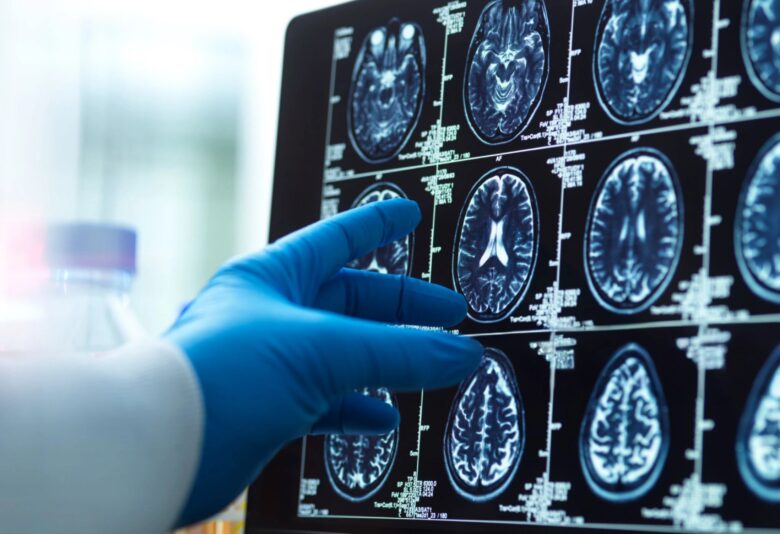
An MRI for a headache or ordinary lower back pain
Neurologists have flagged these two specifically as chronically overused, and the numbers back it up. Following Choosing Wisely guidance, imaging for headaches dropped from 14.9 percent of cases to 13.4 percent, a real shift produced simply by doctors and patients having a more direct conversation about whether the scan would actually change anything.

The bottom line
None of these tests are useless in every situation, and that’s really the whole point of the campaign. Context decides whether a given test helps or just adds cost and risk, which is exactly the conversation worth having before agreeing to one automatically.
Ask us! What questions do you have about content, strategy, pop culture, lifestyle, wellness, history or more? We may use your question in an upcoming article!
Related:
- At-home lab tests promise answers—but do they deliver?
- Grandma’s remedies meet modern medicine: health apps that actually work
Like MediaFeed’s content? Be sure to follow us.
This article was syndicated by MediaFeed.co.