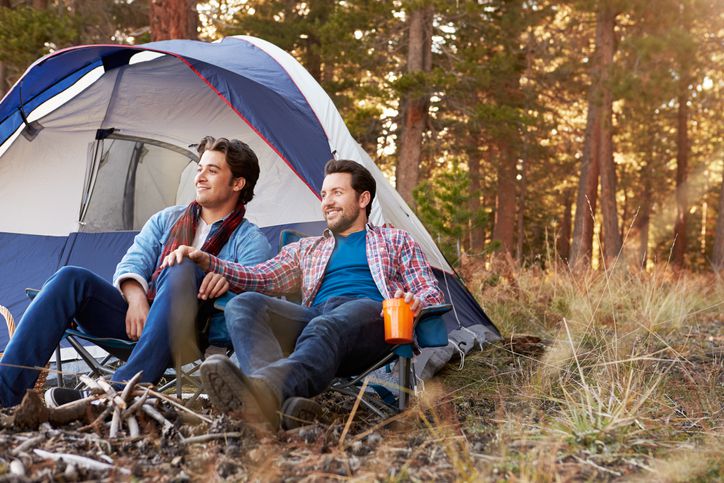
There are few things more relaxing and peaceful than a walk through the forest or a night under the stars. And with all the new technology constantly being made and put into outdoor gear, the wilderness is no longer just a place for people in great shape who don’t mind some extreme discomfort.
Because so many folks like to escape to the countryside, taking measures to preserve the landscape is becoming more and more important. To get you pointed in the right direction, the Leave No Trace 7 principles are a great place to start, if you want to figure out what you can do to lessen your impact on the environment.
The History Of LNT
Though the idea of being good stewards of the land isn’t new, Leave No Trace is a relatively fresh concept, with its birth taking place between the 1960s and 1970s. During these two decades, outdoor equipment became more widely available, and the technology was significantly improved upon. Gas stoves were developed, in addition to synthetic tents and sleeping pads, making the outdoors more accessible to a wider variety of folks.
With the new influx of so many visitors, National Park officials began teaching about the importance of having a minimal effect on the land. And in 1987, “Leave No Trace Land Ethics” was officially coined.
LNT principles are crucial for outdoorsman to follow, in order to preserve the natural beauty of the land around us. However, many folks tend to overlook certain steps (not properly disposing of waste, starting fires in unsafe areas, etc.) either because it takes too much efforts, or they think it won’t have a very big impact.
But what happens when everyone starts to behave this way?
For example, in 2019, 41.76 million people went camping in the US. Now, imagine if every one of them started a campfire outside of a designated fire ring, didn’t dig a hole to bury their bathroom business, and took items from the land around them. Would the wilderness look different after a couple of years?
Absolutely.
At the very least, there would be substantially more wildfires each year, and more bacteria spreading into water sources from human waste. Sure, it might be a pain to dig a hole every time you need to go number 2, and you won’t always be able to have a cozy campfire at night, but the long term benefits make it worth a little discomfort.
Backcountry LNT
Typically, when you hear people referring to the 7 principles of LNT, they’re talking about the backcountry. However, there are also 7 principles of LNT for the frontcountry as well. Many of the points are quite similar, but I feel it’s important to make a distinction between the two of them.
For now, we’ll cover the backcountry principles, and then briefly discuss frontcountry later in the article.
1. Leave What You Find
Most people like to escape into the wild to take in all of the natural beauty. And by definition, natural beauty is…well…natural.
The principle of “leave what you find” is essentially asking you to keep things as you found it – no trench digging, no hammering nails into trees, no cutting live branches, and so on. When making camp, try to leave your surroundings as unchanged as possible, so that the next people who pass through will barely be able to notice you were there at all.
Naturally, you can still feel free to move rocks that will dig into your back during the night, and perhaps build your own fire ring if it’s permitted. However, anything more extreme than this should be avoided for the sake of keeping the landscape as untamed and untouched as you can.
2. Plan Ahead And Prepare
Poorly prepared people tend to make bad decisions when faced with extreme circumstances, and that’s especially true when it comes to camping. If you didn’t pack for the nighttime chill, you may take measures that damage your surroundings in an attempt to warm up (such as starting a fire that’s too big, without a proper way to put it out, and possibly made of fuel that should have remained untouched).
Being prepared for whatever comes you way is the best course of action anyway, whether or not you’re actually concerned about your environmental impact. To make sure you have everything you need, do some prior research about the weather forecast, climate, and terrain to make sure you’re ready for whatever may come. In terms of gear, take a look at our comprehensive camping checklist for a visual way to ensure you’re properly equipped. You can find that here:
If you believe you’ll be travelling through a less popular location where trails might not be well marked, bring proper navigational gear as well. A good map and compass are timeless companions that show you the way to go without marking up your surroundings with paint, rock cairns, and flags.
3. Respect Wildlife
When possible, try to avoid directly confronting any wildlife. If you want to take pictures, make use of the zoom lens on your camera instead of inching your way closer to the creatures. They’ll appreciate the consideration, and so will you if the animal happens to be something dangerous, like a bear.
Never feed the wildlife either, as this can potentially harm them, and disrupt their natural behavior. Along those lines, store your food properly when you aren’t using it, so that they can’t get into it when you’re not looking. Though most commonly used as a way to keep bears away from your campsite, hanging your food at a safe height or locking it in a bear box is useful for keeping foxes, rodents, and other animals away as well.
Pets also have a way of antagonizing the local wildlife. If you plan on bringing your dog, make sure you keep a tight rein on them; otherwise, it’s probably not a bad idea to just leave them back home.
4. Dispose Of Waste Properly
Waste can refer to either trash or human excrement. Both are unpleasant to deal with, and both can negatively impact the environment if they aren’t properly taken care of.
Trash is pretty straightforward – if you pack it in, pack it back out again. Littering is a great way to destroy the natural ecosystem, damage plant life, pollute water sources, and create hazards for wildlife. If you plan on creating a lot of trash during a time when you won’t have access to refuse bins, shove a trash bag into your backpack that you can fill up later. It won’t be fun to bring it back out with you again, but it’s a lot better than leaving it in the middle of nowhere.
Some people like to burn their trash, but I strongly discourage this behavior. Many of the items that you burn will release toxic fumes in the process, which is bad news for you and everything else around you. Not to mention, plastics don’t burn. Instead, they melt down into a disgusting clump that will end up contaminating anything it touches, potentially killing a few animals that try to eat it.
Human waste (fecal matter in particular) also needs to be properly managed. Doing your business in any random place can allow bacteria to find its way into the local water source, harming the aquatic life and anything that might drink from there. But aside from that, there’s also the risk that the next group of campers coming through will accidentally step in it, or make camp on or around it. Which, frankly, is pretty disgusting.
When nature calls, dig a hole 6-8 inches deep and at least 200 feet away from any water source or campsite. When you’re done, cover it back up again, and make sure you bring a container that will allow you to pack out your toilet paper as well. Always do a bit of research on local regulations before you head out, because there are some campsites that require you to pack out your waste too (such as locations along the river in the Grand Canyon).
5. Be Careful With Fire
Who could imagine spending a night outside without the warmth and light of a crackling campfire after the sun goes down? They’re a timeless classic, and go hand in hand with some of our favorite campsite activities, like telling stories and making s’mores.
Unfortunately, though, campfires are one of the most destructive rituals out there. Roughly 90% of all wildfires are caused by humans, whether from intentional acts of arson, equipment malfunction, or… unattended campfires.
To help reduce the damage created by campfires each year, consider using a camp stove for cooking instead. If you absolutely need to make a fire, use established fire rings or fire pans, and be sure to keep it small. You should only be using sticks that can fit in your hand and be broken easily, and have a means for putting it out quickly if it starts to get out of hand.
6. Travel And Camp On Durable Surfaces
The main premise of this point is to make as little impact on the environment as possible. If you walk and make camp on established trails and campsites, you’re less likely to damage some of the more pristine areas around you. If there aren’t really any trails or campsites available, make use of well compacted ground, rock, and areas relatively free of vegetation.
When it comes to lakes and streams, keep the 200 foot rule in mind. This is always the minimum distance you should keep between your campsite and the water source, to help prevent the spread of bacteria and other contaminants. Try to keep your campsites small, and do your best to avoid damaging any of the wildlife in the process of setting up. Dry grass, gravel, rock, and snow make ideal places to pitch your tent while having minimal impact on the land.
7. Be Considerate Of Others
We all know the golden rule: “Do unto others as you would have them do to you.” Being considerate of others is less about minimizing the impact you’re having on the land, and more about allowing everyone to enjoy the wilderness equally.
Sure, you might like blasting your tunes out of your wireless speaker, but what about your camping neighbors who were looking forward to hearing the crickets chirp and the wind rustle through the leaves? Instead of using a speaker, pop in some ear buds to listen to music, or turn it off and enjoy the sounds of nature yourself.
Respect the space of other trail users. When you encounter other outdoor enthusiasts, make sure you give them enough space to pass by comfortably. Take breaks and make camp away from well populated trails and other visitors – they didn’t decide to go nature watching just to catch a glimpse of you making dinner for the evening!
Frontcountry LNT
As mentioned above, there’s a separate list of principles when talking about LNT in the frontcountry. The points are very similar to what we just covered, though, so I won’t get into too much detail with them.
- Know before you go: Don’t forget food, water, and sufficient clothing for where you’re going. Check your map often so you don’t get lost, and keep track of daylight. Do some research prior to arrival, so you have a sense of what to expect in order to stay safe and have a fun time!
- Stick to trails and camp overnight right: Stick to designated trails to protect plant life – once you’ve stepped on a flower or tree, it may not come back again. Respect private property, and camp in established campgrounds. Avoid digging trenches and building structures for your campsite, as these things can cause serious damage to the land.
- Stash your trash and pick up waste: Bring a trash bag for your garbage, so you can pack out whatever you pack in. Use bathrooms and outhouses when available, otherwise dig a hole away from water sources and other well populated areas to bury your poop.
- Leave it as you find it: Treat wildlife with respect. Don’t go hacking, carving, sawing, or peeling anything unnecessarily, as these actions can kill the plants and ruin the sights for others. Leave natural and historical figures alone to keep them pristine for the next people who pass by.
- Be careful with fire: Make a fire only when necessary, and even then, only build one in an established fire ring or pit. Keep it small and manageable, and always have a way to put it out quickly if you need to. For cooking purposes, use a camp stove.
- Keep wildlife wild: Human food isn’t healthy for animals, and feeding them creates bad habits. Leave them alone, store your food properly, and only take photos from a distance so you don’t startle or antagonize them.
- Share our trails and manage your pet: Make sure to have fun, but don’t do anything at the expense of other’s enjoyment. Yield to others on the trail, keep a tight rein on your pets, and let the sounds of nature prevail over the noise created by your talking or music playing.
Final Thoughts
Nature is more accessible than ever before, allowing millions of people to visit some of the most beautiful places on Earth each year. But with the increased number of visitors, maintaining the “natural” part of nature can quickly become a monumental undertaking.
The Leave No Trace principles were designed to keep our favorite landmarks looking the way they did a hundred years ago. If we don’t all do our part to preserve and maintain what we have, it’s possible that it will be a shadow of its former glory later in our lifetimes. At the very least, our kids won’t be able to appreciate it in the same way that we are able to right now. Do your part by following LNT procedure, and help keep our natural resources looking untamed.
This article originally appeared on Untamed Space and was syndicated by MediaFeed.org.
More from MediaFeed:
Camping in Utah is the best. Here’s where to go

Utah is a paradise for outdoor enthusiasts. The vast amount of unpopulated land is home to sport lovers of all kinds. From hiking to climbing to off-roading, it truly is a playground for those who find joy in being outside.
This is especially the case when it comes to camping. From famous locations like Moab and Zion to some lesser known destinations, there’s an option for anyone who wants to escape into the wild. So let’s dive in and take a look at our nine favorite places to pitch a tent in Utah.
evenfh / iStock
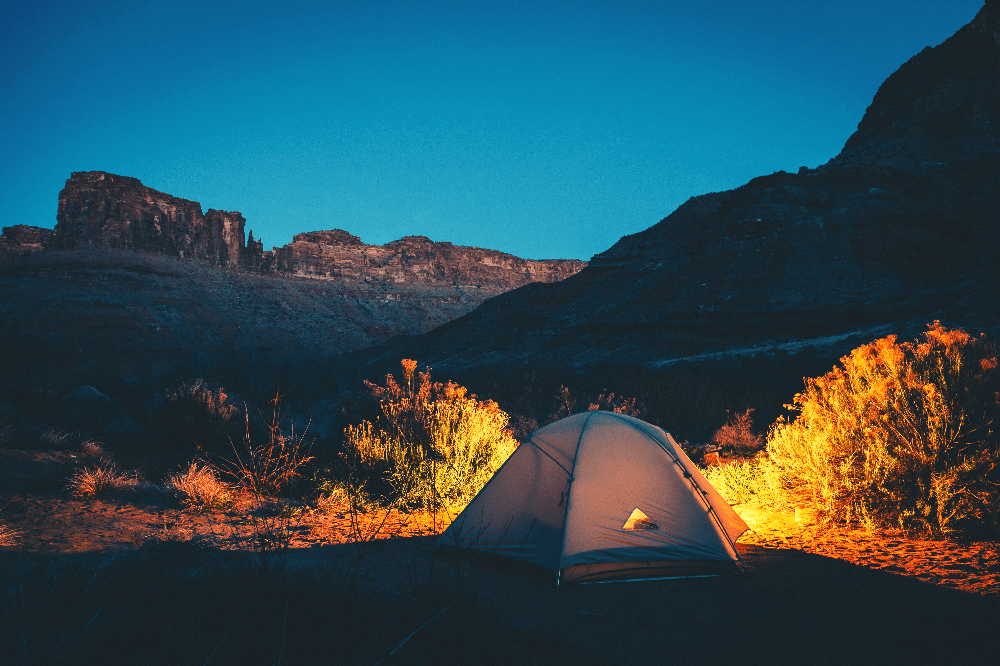
Moab is one of my favorite places to visit in Utah. It’s remote and is home to some of the most incredible sandstone features you’ll find in the entire country. However, despite how far away it is from any other form of civilization, Moab is a surprisingly large and bustling oasis.
This is most likely due to the presence of Arches National Park, Canyonlands National Park and the eternally photogenic Dead Horse Point. And in addition to the endless amount of tourists, this town also attracts plenty of outdoor enthusiasts.
The desert landscape, punctuated by sheer cliffs and deep canyons, is the perfect playground for campers, climbers, off road vehicles, cliff jumpers, hikers, mountain bikers, and so much more. If you enjoy the outdoors at all, you’ll love it in Moab.
But we’re here to talk about camping. Personally, I like the Kayenta Campground because of its close proximity to Dead Horse Point, as well as the entrance to the Canyonlands.
But honestly, it’s hard to go wrong when choosing a campsite in this area. There are plenty of options, all with stunning vistas. Consider setting up along the banks of the Colorado River with a view of the famous Wall Street, named as such because of the dozens of climbing routes all lined up next to each other.
Or perhaps you’d rather spend the night at Devil’s Garden, the only campground inside of Arches National Park. If that’s more your cup up tea, make sure to book your reservation well in advance, as it does have a tendency to fill up fast!
Unsplash
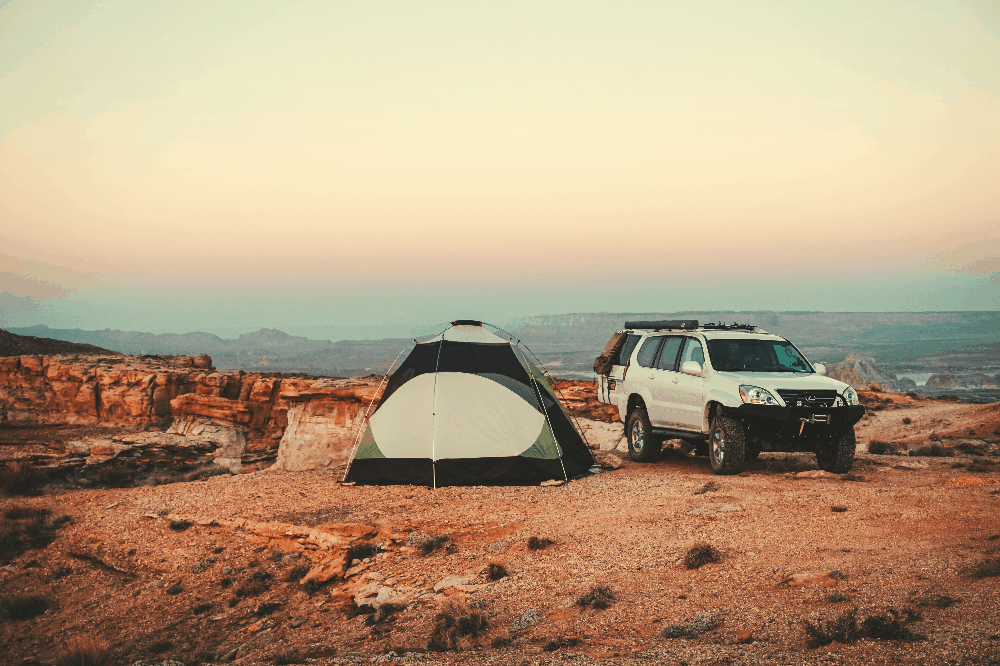
Located in southern Utah, Lake Powell is a stunning body of water that resides within Glen Canyon. Perhaps ironically, Lake Powell isn’t actually a lake – it’s a reservoir that was created about 65 years ago to help regulate the water flowing to the drier states of Wyoming, Colorado, New Mexico, Arizona, California, Nevada and, of course, Utah.
In recent times, it’s been a hot conversation topic among environmentalists who want to drain the “lake” due to disruption of the local flora and fauna, among other reasons. But even so, I think we can all agree that it’s a stunning place to set up camp for the night.
Lone Rock Beach is a stunning place to pitch your tent. It’s a popular location, due to being one of the few places on Lake Powell where you can almost drive straight to the water’s edge. From the parking lot, it’s a short walk to the beach, where you can set up camp. The water is beautiful, and you’ll have a hard time not being amazed by the incredible sandstone monolith that gives this beach its name.
Marine vehicles are welcome here, whether you have a motor boat or a kayak. Aside from allowing you to enjoy the water, Lone Rock Beach also offers the only designated ATV area in Glen Canyon. And it’s a close drive to other scenic hotspots, like Antelope Canyon across the border into Arizona.
Unsplash
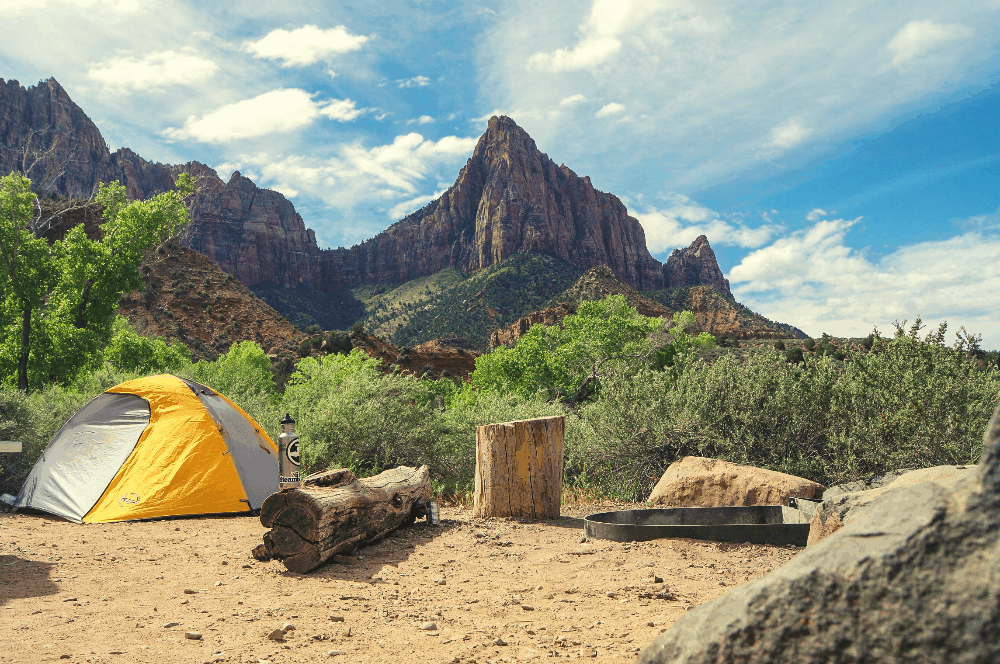
Arguably the most famous place in Utah (perhaps second only to the Great Salt Lake), there was no way Zion National Park wasn’t going to make this list. Whether you’re an avid hiker or rock climber, I’m sure the call of Zion has tugged at your heart on more than one occasion.
In fact, many of the 2,000 foot sandstone cliffs are home to world renowned, big wall climbing spots. And Angel’s Landing, a short 2.2 mile hike, can appear deceptively easy. Don’t let the distance fool you – this hike is considered one of the most dangerous in the world due to the loose rock and sheer cliffs.
But if you decide to risk it and go all the way to the top, you’ll be rewarded with one of the most incredible views of the canyon and the Virgin River below. We like it so much that it made our pick for the best hike in this state!
There are three campgrounds in Zion for you to choose from: South, Watchman, and Lava Point. Both South and Watchman are inside of Zion Canyon, while Lava Point is about a one hour drive from the canyon, up on the Kolob Terrace Road.
Personally, I prefer the locations within the canyon for a couple of reasons. First, the sights are absolutely incredible when you wake up in the morning, seeing the sun land on the red rock around you. Second, you’re pretty close to the town of Springdale, so civilization is close at hand if there’s anything you need.
Unsplash

Ever heard of a hoodoo? Yeah, I hadn’t either, until I discovered Bryce Canyon. In case you’re wondering what they are exactly, hoodoos are irregular columns of rock that shoot up toward the sky. And Bryce Canyon has the highest concentration of them found anywhere on earth.
The canyon isn’t really a canyonmas much as it is a series of amphitheaters dug out of the edge of the high plateau. Perhaps surprisingly, the elevation can get as high as 9,000 feet, making the hiking a bit more difficult than it otherwise would be.
Thankfully, most of the famous sights (Bryce Point, Inspiration Point, Sunset Point and Sunrise Point) are all within a few miles of the parking lot. The hiking in the area is still worth doing, though, if you feel acclimated enough to give it a try.
There are two campground for you to choose from in this area: North and Sunset. Both are in close proximity to the visitor center and the Bryce amphitheater with the biggest difference between them being how you reserve your spot. Sunset accepts reservations on a 6 month rolling basis during peak season, while North is a first-come, first-served location.
Unsplash
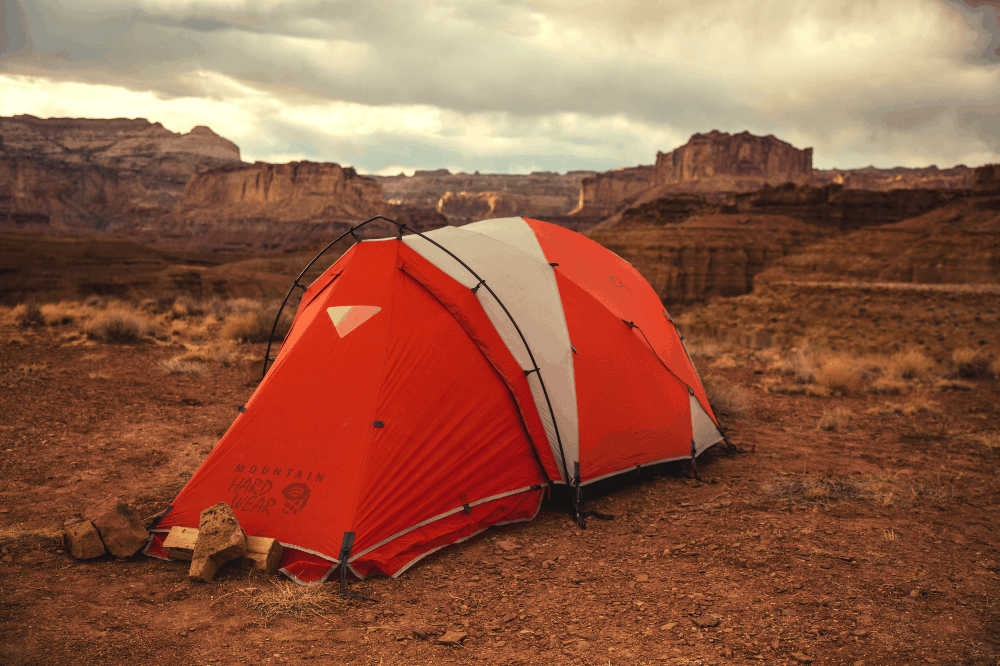
A very long time ago, a tremendous geological upheaval created a rock dome that rose high above the land around it. Over the years, wind and water erosion chipped away at it until it became a beautiful jumble of buttes, pinnacles, canyons and mesas. This land feature is what we now refer to as the San Rafael Swell.
Some people might visit this site and think it’s nothing special. After all, Utah is full of sandstone features, making the Swell something … average. But while that’s absolutely true, I still believe that you’ll enjoy a trip here over many of the other hot spots that can be found across the state.
And the reason for that is the fact that this location is still relatively undiscovered by the majority of tourists looking to snap a few pics of the stunning views. So if you’re looking to enjoy the traditional Utah panoramas without as many folks to block your view, you’ll love it here at the Swell.
This is a dispersed campground set on BLM land. As such, it’s a first-come, first-served setup with no reservations necessary. The good news is that you can just kind of go wherever you want to set up camp, but make sure you come prepared with lots of supplies. The desert is a scorcher during the summer days, and it can be hard to find shade, so having plenty of water is an absolute must. Consider bringing a tent fan along as well for some extra air circulation.
Unsplash
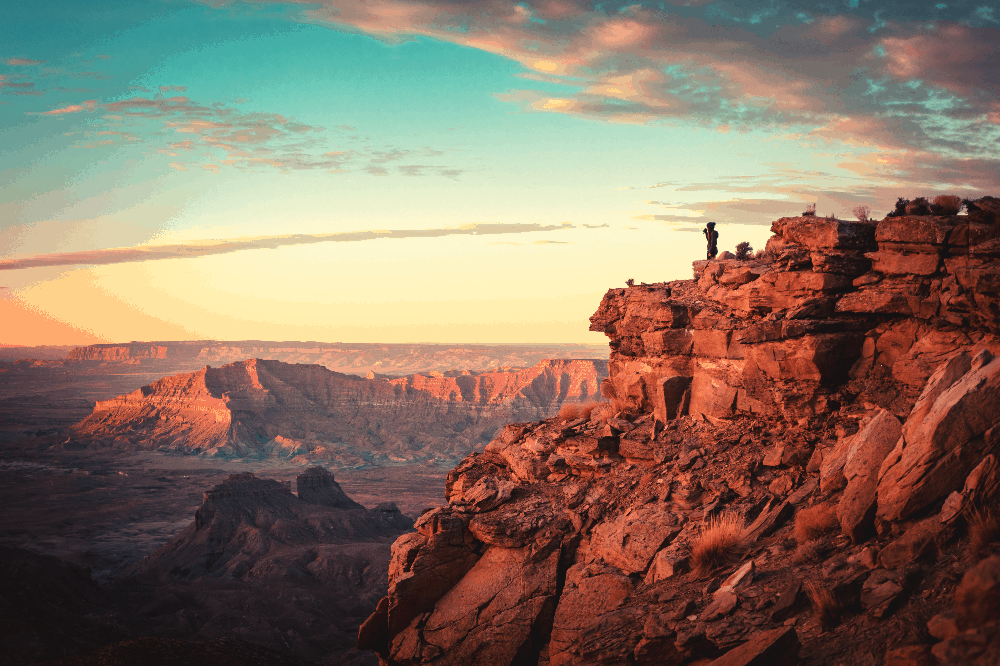
Remember how we talked about Lake Powell above? The Lone Rock Beach that I mentioned is on the far southern shore of the lake, so considering the massive size of this body of water, it only seemed fitting to talk about Bullfrog. Located more on the north side of Lake Powell, Bullfrog was named after a unique rock formation found on the western side of Mount Ellsworth.
Bullfrog is a popular place for folks to stop because of the marina and fishing opportunities found here. It’s pretty common to see houseboats floating down the river with a few kayaks popping up here and there. And while it’s certainly no Moab when it comes to hiking and other outdoor activities, there are plenty of trails through canyons and across other scenic landscapes.
The Bullfrog RV park and campground has 80 concrete padded sites for you to set up camp for the night. Reservations are required, and there’s a $30 fee to access the campground. If you’re looking for a free option where you can get away from the crowds, consider grabbing your tent and setting up on the BLM land alongside Hwy 276 or the Burr Trail.
Unsplash

Not all of Utah is a desert wonderland, as you might have come to expect from the locations listed above. There are miles and miles of vast wilderness in various parts of the state, sporting green forests, high mountain peaks, and stunning glacial lakes. High Uintas Wilderness is one such place.
The wilderness itself encompasses 456,705 acres of land in northeastern Utah. While many portions of this landscape definitely still have that desert vibe, it’s much more full of life than the southern reaches of the state.
Here, you’ll find Utah’s highest mountain peaks, stunning blue lakes, countless hiking and horseback riding trails, and enough rock climbing and fishing opportunities to satisfy your outdoor cravings. All in all, if you enjoy nature to even the smallest degree, you’ll love it here.
There are a couple of established campgrounds that you can choose from, such as Trial Lake. However, I’m a fan of the primitive camping opportunities that abound along the edge of the dirt roads in the area. It’s a great way to get some privacy, which is probably why you came out to this part of the world to begin with.
Unsplash
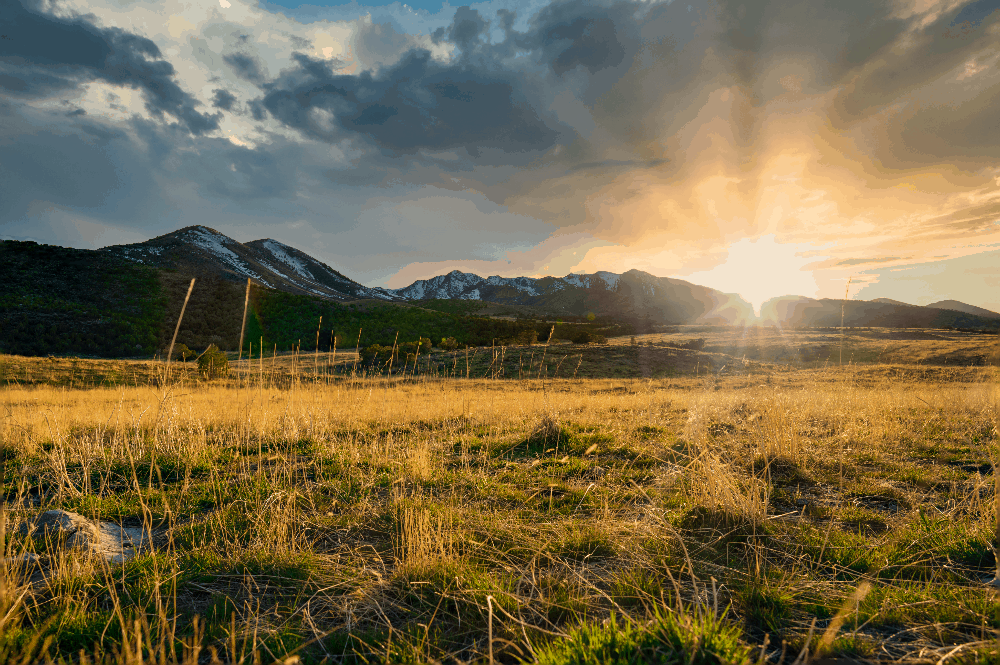
Deriving its name from an Indian word, Wasatch National Forest refers to a location found low among the high mountains. The entire forest is quite large, taking up residence in 3 states (Utah, Wyoming and Idaho), especially now that it was combined with the Uinta Wilderness.
There are many locations that can feel quite remote, and others that are a mere handful of miles from Salt Lake City, making it a very “urban” natural sanctuary. If you’re more of a city person who enjoys spending time in nature without getting too far removed from civilization, you’ll love it here.
There are quite a few campground close to the big city, but my personal favorite is Albion Basin in Alta. It often remains closed until July, due to the large amounts of snow that like to stick around late into the year.
However, once the ground has cleared out, the view of the wildflowers and surrounding mountains are unbeatable. Don’t be surprised if you see a few moose or mountain goats roaming around next to the stream that cuts through the basin, or on the face of Devil’s Castle.
As always, I’m quite partial to dispersed camping if I have the opportunity to do so. The national forest is a great place to set up camping (almost) wherever you want to go, so you can escape the crowds and immerse yourself in nature. Remember not to make camp within a couple hundred feet of water sources, and avoid areas where the vegetation will limit your travel.
Unsplash

If you thought Wasatch National Forest was a city lover’s dream come true, just wait until you check out Antelope Island. A mere 42 miles from the town of Ogden, and just as close to Salt Lake city as the crow flies, you don’t have to drive far to escape the city lights. While not completely surrounded by water anymore, Antelope Island is a stunning peninsula that juts right out into the Great Salt Lake.
To get the most out of your time here, grab a bike or a horse to explore the vast expanse of land. And since the lake is so close by, who could resist a dip in the extremely salty water?
Whether you want to swim, kayak, or just sit on the beach, there are many ways to enjoy the massive lake. Make sure you don’t forget to keep a camera on you at all times either, as it’s common to see free-ranging bison, mule deer, antelope, big horned sheep and many other desert animals.
There are a handful of campgrounds located on Antelope Island, but they can be a little spendy and there aren’t any water or electrical hookups. I recommend (again) going with the dispersed camping option. There are plenty of flat and comfortable stretches of land that would make for the perfect place to lay back to look at the stars before falling asleep.
Unsplash

If you’ve visited Utah or are fortunate enough to call it home, we want to hear what your favorite camping spots are! We recognize that this is a big state with an endless number of idyllic camping opportunities that we weren’t able to include in this article.
This article originally appeared on Untamed Spaceand was syndicated by MediaFeed.org.
johnnya123

R.M. Nunes/ istockphoto
Featured Image Credit: monkeybusinessimages / istockphoto.