Live alone? Here are 15 things you should have
Living alone offers independence and freedom today. However, it means being your only safety net. Twenty-eight percent of adults aged sixty and over live alone. Being prepared ensures you handle situations.
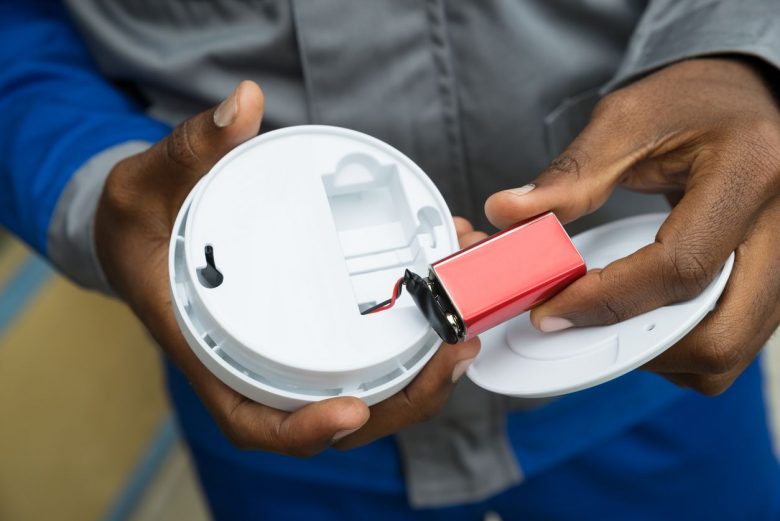
Working fire extinguisher and smoke detectors
Fire extinguishers should be handy, especially in kitchens, and alarms must have batteries. When you live alone, you don’t have anyone else to alert you. Keep carbon monoxide alarm monitoring areas.

Comprehensive first aid kit
A well-stocked first aid kit helps you respond to injuries. Include adhesive bandages, sterile gauze, medical tape, hydrogen peroxide, antibiotic ointment, and pain relievers. Add tweezers and cold packs.

Emergency contact list
Save emergency contacts in your phone and create a physical list for your fridge. Don’t rely on memory, which fails during crises. Include emergency services, your doctor, neighbors, and family.

Three-day emergency supply kit
Emergency responders may not reach you for seventy-two hours after disasters. Include one gallon of water per person per day, non-perishable food, a battery-powered radio, a flashlight, batteries, and a multitool.

Home security system
Security systems monitor for intruders, keeping you safe. Smart video doorbells let you see and talk to visitors remotely. Motion-sensor lights near entries can illuminate potential break-ins.

Quality deadbolts and smart locks
Ensure all doors and windows have sturdy locks and consider deadbolts. Smart locks let you lock remotely if you forgot. Check locks twice when coming or going.
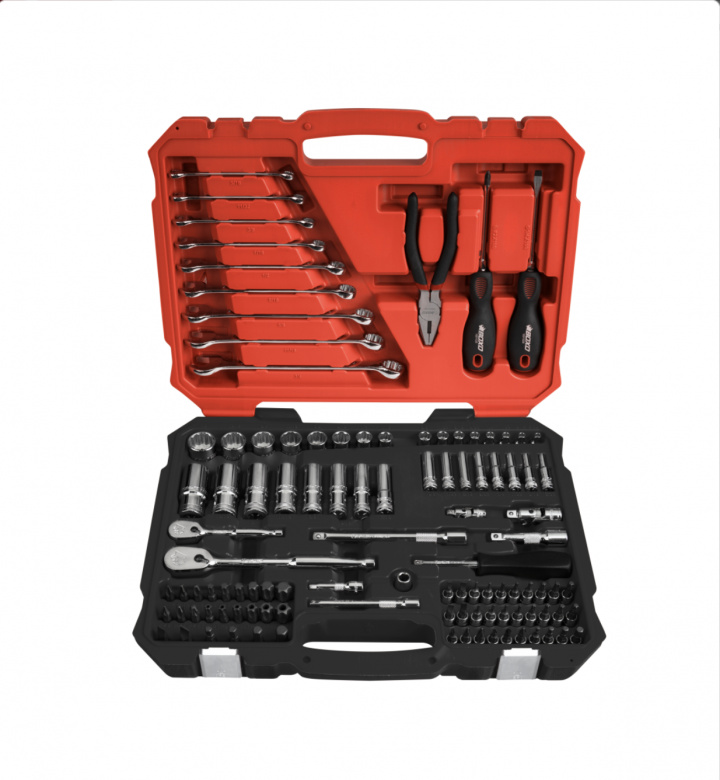
Basic tool kit
Invest in a basic tool kit to address repairs. Include hammer, screwdrivers, wrench, pliers, tape measure, and flashlight. Household maintenance falls to you.

Check in buddy system
Having someone who knows you’re okay each day is crucial. Your buddy should have your house key and alarm code.

Personal safety alarm
Personal safety alarms provide security at home or outdoors. They emit loud warnings calling attention and notifying bystanders.
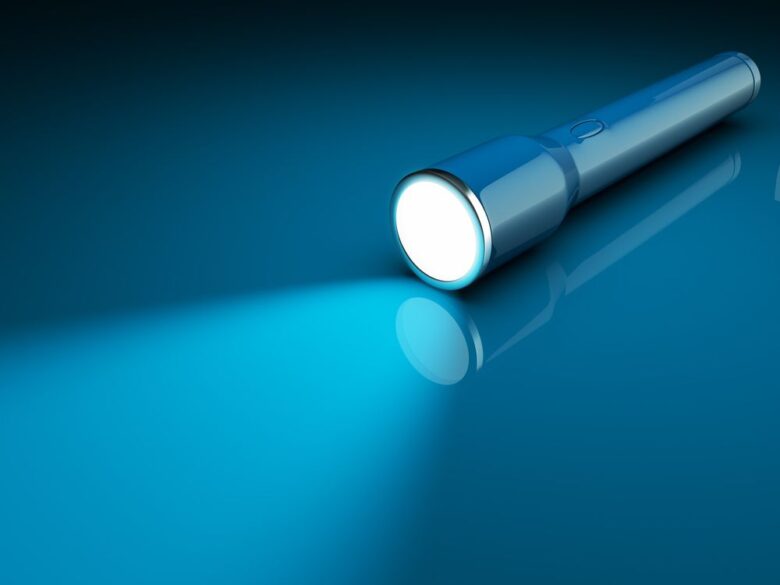
Flashlight with extra batteries
Keep flashlights accessible with fresh batteries. Check flashlights regularly and replace expired supplies. Power outages are more challenging alone.

Spare key with a trusted person
You will probably lock yourself out, so give someone nearby a spare key. Connect your buddy with your keyholder neighbor.
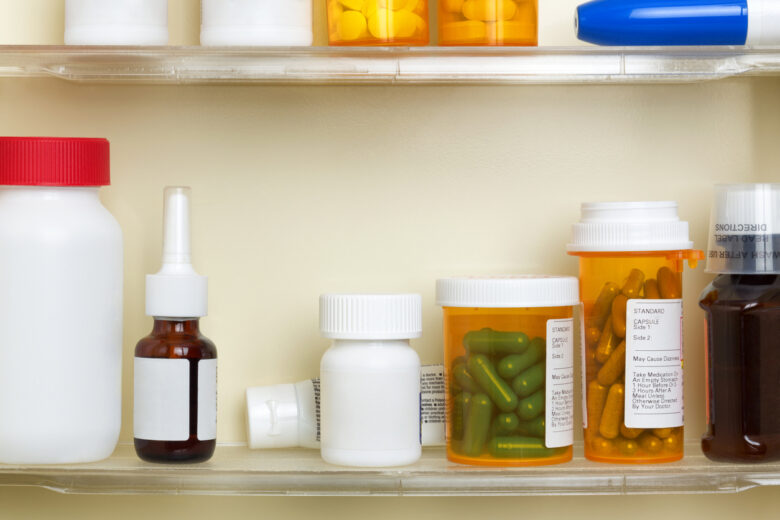
Fully stocked medicine cabinet
Keep over-the-counter medications for common ailments. Store prescription medications in kits with a three-day supply.

Fire escape ladder for upper floors
If you live above the first floor, keep escape ladders near windows. Over 53 percent of accidents occur at home. You need alternative exit routes.

Reliable communication device
Keep cell phone and charging cables accessible with backup batteries. A battery-powered radio enables emergency broadcasts during outages.
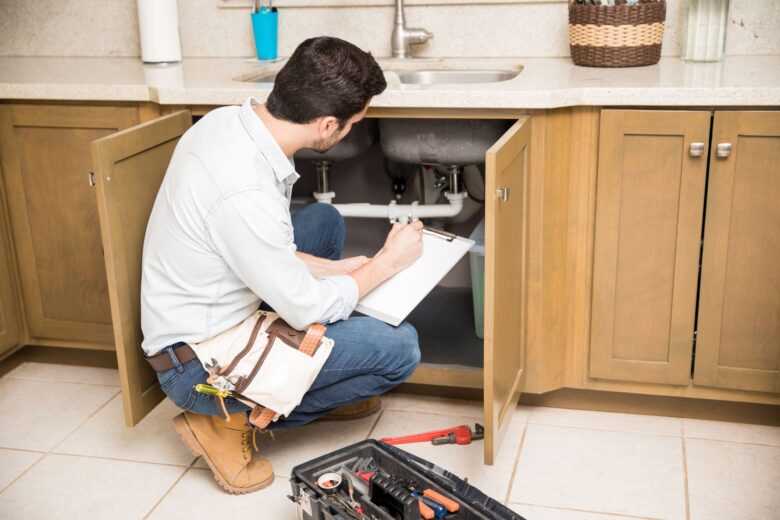
Plumbing essentials and drain tools
Living alone means handling clogged drains yourself. Keep zip-it drain tools, plunger, and Drano ready. Simple fixes prevent expensive plumber calls.

Wrap up
Living alone doesn’t mean being unprotected. These essentials create safety nets. Taking precautions helps deter intruders and enables effective response. Review readiness regularly.
Ask us! What questions do you have about content, strategy, pop culture, lifestyle, wellness, history or more? We may use your question in an upcoming article!
Related:
- Retirement costs no one warns you about until it’s too late
- How to save cash if you’re worried about tariffs & recessions
Like MediaFeed’s content? Be sure to follow us.
This article was syndicated by MediaFeed.org.