If you’re in the market for a home, the thought of building your own house may have crossed your mind. Not only does building your own home take you out of the rat race of bidding for a home in a seller’s market, but you get the luxury of building your dream house to spec.
Building a home comes with a multitude of costs, including labor, materials, and land. The costs of all of these elements have risen in recent years along with everything else. The good news is that inflation slowed in 2023 and is expected to continue easing in 2024.
Let’s dive into how much you can expect to spend on building a home today.
Average Cost of Building a House
The cost to build a house (not including land) can range anywhere from $42,000 to $900,000-plus depending on the type and size of the house, where you build it, and how you choose to customize the home. On average, it costs around $329,000 to build a house in the U.S.
When calculating how much it will cost to build a house, you’ll want to consider how many bedrooms you’ll need, since this will impact the square footage and ultimate cost.
On average, building a new house costs $150 per square foot. Here’s a look at the average cost of building a house based on size.

Typical Costs Associated With Building a Home
The lion’s share of your home building expenses will consist of land, labor, and materials. And, depending on market conditions when you decide to build a home, these costs can vary widely. Building a home can take many months and cost hundreds of thousands of dollars. In most cases, these expenses aren’t paid out in one lump sum, and you’ll find yourself having to budget over several months.
If you’re thinking of building a house and want to figure out how to properly allocate your funding over the life of the construction project, it’s a good idea to split the home construction project into individual segments. For ease of understanding, we’ve split construction costs into three phases:
- Preparation costs
- Construction costs
- Post-construction costs
Preparation Costs
Preconstruction costs include the land, the initial costs to assemble a team for the construction project, and fees for permits and reviews that must be completed before you’re approved to proceed.
This phase can take several weeks to months. The timing will usually depend on the time to obtain all zoning and permit approvals as well as the availability of contractors.
Purchasing the Land
Before you can build a home you’ll typically need to buy a plot of land, which can range anywhere from $3,000 to $150,000 depending on the size of the lot and the location.
If you already own the land where you want to build the house, you’ll save a significant amount of the total cost of your new home build.
Water & Sewer Inspection
Local ordinances will require professional inspections of water and sewer lines before you break ground. Not only is this mandatory, but it’s also a good idea to ensure that everything is in good working order to avoid costly future problems with your water and sewer lines.
Getting utility connections professionally inspected can run around $8,400.
Architect and Home Planning Fees
Hiring an architect to create a plan for your home can run around 10% of the total cost to build the home. The cost can range anywhere from $2,000 and $20,000 depending on the complexity of your intended home and the local market. Homebuyers interested in smaller or simpler home plans can cut costs by buying pre-designed stock blueprints for as little as $500 or considering a prefabricated home.
Getting Permits & Approvals
Building a new home requires a building permit and other approvals. The cost of obtaining a building permit varies widely but averages from $1,200 to $2,000, depending on your municipality.
Getting the proper permits and zoning approvals is usually one of the most time-consuming parts of the home-building process. Working with your construction team to obtain these permits as early as possible will help to avoid delays.
Construction Costs
Construction costs encompass all the expenses of breaking ground, constructing the framework, and erecting the structure, as well as paying for all the materials and labor.
Erecting the structure and ensuring that all of the utilities are hooked up can take months, depending on how complex your home plan is. To mitigate the possibility of delays, most home construction projects begin in the spring and (ideally) plan to wrap up before the end of fall.
Excavating and Laying the Foundation
If the land hasn’t already been prepared for building, you’ll need to have it cleared, or excavated. This can cost around $2,300. After that, the crew can lay the foundation, which can be as simple as a concrete slab or involve building out a basement, which increases the cost. On average, a foundation costs around $4 per square foot. The average foundation for a new home runs around $8,900.
Putting Up the Frame
The frame of your home makes up its skeletal structure and is vital to its structural integrity. Framing costs will vary widely based on the size of the property, choice of materials, and the market costs for obtaining the materials.
On average, you can expect to pay between $7 and $16 per square foot for framing. The average cost to frame a new house ranges from $20,000 to $50,000.
Installing Electrical
The average cost of installing an electrical system in a new home ranges between $7,000 and $13,000.
This includes the cost of hiring licensed electricians, having them install wiring, outlets, switches, and electrical panels throughout your new home to code. The cost depends on your area, the power needs of your home, and whether you choose to install any bells and whistles like backup generators or solar panels.
Installing Plumbing
The average cost of installing a plumbing system in a new home ranges from $1,500 to $17,500.
Licensed plumbers will install piping throughout your home and connect it to the public water and sewer system. Like the rest of your construction expenses, your plumbing expenses will vary depending on the size of your property. It will also depend on how many water hookups you’ll need, the plumbing materials used (PVC pipes cost much less than copper), and the water capacity of the system you choose to install.
Installing HVAC System
Installing a new heating, ventilation, and cooling (HVAC) system in your home can run anywhere from $5,000 to $34,000. The cost of a system that can adequately heat your house during the winter and cool it during the summer can vary widely. Generally the larger your home, the more expensive your system is likely to be.
Installing the Insulation, Drywall, and Flooring
Insulation, drywall, and flooring can significantly add to the cost of building a home. These costs break down as follows:
- Insulation: $3,000 to $10,000
- Drywall: $2.25 per square foot or $15,550 on average
- Flooring: $1 per square foot for synthetic materials (like laminate); $10-plus per square foot or for natural solid hardwood plank
Proper insulation of your home will go a long way toward ensuring that it retains heat in the winter and stays cool in the summer. Installing drywall and flooring gives shape to your home and a canvas with which you can begin to paint.
Expect costs for all three services to fluctuate with the size and location of your home. While drywall costs remain fairly consistent, insulation and flooring costs can vary by geography. If you choose to go with tiles and hardwood flooring in sections of your home, expect to pay a premium for it, especially when compared with linoleum or vinyl.
Roofing
The installation of a brand-new roof costs an average of $8,500, but will depend on the type of roofing material you choose. The standard roofing material is asphalt shingles, which costs around $1.50 to $5.50 per square foot (including installation).
Doors, Windows, and Finishing the Exterior
Finishing the exterior of your new home involves installing siding, trim, windows, and doors. We’ve broken down these average costs as follows.
- Doors: $250 (interior doors); $400 to $3,500 (exterior doors)
- Windows: $150 to $1,500 (depending on the style and window type)
- Exterior siding: $2 to $9 per square foot
- Trim: $1,500
Single-pane windows and doors with cheap weather stripping are more likely to leak cold air in the winter, contributing to higher heating bills. Expect to pay extra for solid timber doors, double-paned windows, and high-tech garage door systems.
Post-Construction
Now that you’ve got your structure in place, it’s time to install the cosmetic finishes that will make your home shine. This includes paint, appliances, lighting, and home fixtures.
This stage is your chance to brand your home with a personality of its own.
Kitchen, Bathroom, & Light Fixtures
Plumbing fixtures include sinks, toilets, tubs, showers, and faucets, and all together can run you around $5,000. Lighting fixtures for a new home can range anywhere from $2,000 to $12,000.
These expenses can vary based on the size of your home, how many bathrooms you have, and the quality and materials of your chosen fixtures.
Painting
The cost of labor and paint required to finish the interior of a new home will depend on the size of the home and whether you choose to paint the interior of your home yourself or hire painters. If you opt to DIY, you could spend as little as $300. If you hire a professional, the cost to paint a house could run as high as $28,000 for a large home with a lot of molding and trim.
Keep in mind that higher-quality paint is usually thicker and lasts longer than cheaper brands.
Countertops and Cabinets
Costs of countertops and cabinets can range from $100 to $1,230 per linear foot depending on materials, quality, and finish.
Expect to pay up for premium options like granite countertops and kitchen islands when compared with basic materials like wood, concrete, and composite. You’ll also typically pay more for custom products than you will for stock items.
Appliances
Appliances like cooking ranges, refrigerators, and washing machines/dryers can cost $3,000 to $15,000-plus total depending on the features you want for each machine.
Just a refrigerator can cost as little as $500 for a basic unit to upwards to $12,000 for a commercial-grade model designed for residential homes. The installation of these machines is fairly straightforward, so expect most of the costs to be for the appliances themselves.
Landscaping
Landscaping work for a brand-new home costs an average of $8,200.
These costs will need to be paid if you don’t want your property to sit on top of a dirt patch. Ground will need to be moved and your lawn will need to be properly seeded to ensure that it comes in green and even in the spring. These costs can be higher still if you want to add flower beds, new trees, or hedgerows.
If you want the help of a landscape architect to create an outdoor space with curb appeal, expect to pay $70 to $150 per hour.
Driveway
Putting in a new driveway can cost about $4,400. This expense can vary, however, depending on the size of your driveway and whether you opt for gravel or paved. A gravel driveway may cost one-third of what a fully paved driveway costs.
Other Factors That Can Affect the Cost of Building a House
There are a number of additional factors you’ll want to keep in mind when building a home, as they may influence your input costs and long-term home value. They include your chosen area, the size of the house, and market temperature and trends.
Real Estate Trends
These are market-driven trends that you have little to no control over as a homebuyer. They include mortgage rates, the balance between home supply and demand in your area, and the general direction of home prices near you.
Overall, rising mortgage rates tend to hurt demand, as higher rates increase borrowing costs for prospective homebuyers. Your borrowing costs could rise as well if your home building project gets delayed.
Demand and home prices in your area will affect land values as well as the potential growth in your home’s value after you complete construction. Rising home values may drive up the expense of your home building project, and indirectly drive up land costs in your area.
Living Expenses and Emergency Costs
According to the U.S. Census Bureau, an owner-built home can take nearly 12 months to complete. While you’ll likely have budgeted your home building costs over that period, make sure to factor in your living expenses as well.
You’ll need to ensure you’ve budgeted enough to feed and house your family for months, with money to spare, should the build be delayed. Construction projects can be delayed for any number of reasons; uncooperative weather is a common one.
In some instances, things like spikes in fuel costs and construction materials can cause unexpected budget increases, particularly if you’re planning on building in a particularly remote area. Getting work crews and building materials out there can cost time and money; expect to be billed for that time.
This article originally appeared on SoFi.com and was syndicated by MediaFeed.org.
SoFi Loan Products
SoFi loans are originated by SoFi Bank, N.A., NMLS #696891 (Member FDIC). For additional product-specific legal and licensing information, see SoFi. Equal Housing Lender.
SoFi Mortgages
Terms, conditions, and state restrictions apply. Not all products are available in all states. See SoFi for more information.
*SoFi requires Private Mortgage Insurance (PMI) for conforming home loans with a loan-to-value (LTV) ratio greater than 80%. As little as 3% down payments are for qualifying first-time homebuyers only. 5% minimum applies to other borrowers. Other loan types may require different fees or insurance (e.g., VA funding fee, FHA Mortgage Insurance Premiums, etc.). Loan requirements may vary depending on your down payment amount, and minimum down payment varies by loan type.
Financial Tips & Strategies: The tips provided on this website are of a general nature and do not take into account your specific objectives, financial situation, and needs. You should always consider their appropriateness given your own circumstances.
More from MediaFeed:
The best US cities to live in (& yes, you can afford to buy a house there)

People love to rank cities. The most livable, the fastest-growing, and even the top places for food trucks.
But as affordability becomes an increasing concern for first-time home buyers, how about the places that best combine good-paying jobs with affordable homes?
While not an easy combination to find these days, we combed through a list of more than 400 U.S. cities to pick out the hidden gems.
Here are the best-performing cities where you can still afford to buy a house.
EvgeniiAnd/istockphoto
Earlier this year, the Milken Institute published its perennial list of Best-Performing Cities in the U.S. The rankings look at economic “performance” indicators like job growth, wage growth, and high-tech job concentration, as well as “opportunity” indicators like broadband access and housing affordability.
Well-known tech hubs like Austin, San Jose, and Seattle predictably rank within the top tier for economic performance. However, their out-of-this-world housing costs put homeownership out of reach for the average earner. So, we scoured the rankings for lesser-known cities offering a rare combination of economic vitality and affordability.
Among the 400 cities included in the report, we found seven large cities and 12 small cities that scored within the top 50 for overall economic performance, while also ranking in the top 100 for housing affordability within their size category.
In addition to the data provided by the Milken Institute, which shows wage growth and housing affordability rankings ending in 2020, we turned to the U.S. Bureau of Labor Statistics (BLS) to find the most recent year’s wage information. We also pulled from Zillow’s Home Value Index to display the current typical home price for each area, as of August 2022.
Finally, we pored over dozens of resources and data points to find out what makes these 19 cities great places to live and work.
Large Cities
DepositPhotos.com

- Best-performing cities ranking: 47 (-26 from 2021)
- 5-year job growth ranking: 47
- 5-year wage growth ranking: 59
- Housing affordability ranking: 91
- Average weekly wages: $1,436
- Typical home price: $383,153
Coming in at 7th on our list is the sprawling city of Atlanta. Even after dropping 26 spots in Milken Institute’s performance rankings this year, Atlanta remains well within the top 50 for both 5-year job growth and short-term wage growth. Average weekly pay in the city grew an impressive 7% in 2021, and the city also ranks 35th for high-tech job concentration.
While the typical home price in Atlanta is slightly higher than the national median of $356,026, wages are also above the national mean — keeping homes relatively affordable.
Atlanta’s stable job market has attracted a growing number of millennials, which now make up 25% of the city’s population. The city is perennially on the list of the country’s fastest-growing metros. Ranked the 95th best place to live in the U.S., Atlanta also has a world-class food scene, great hiking and biking along the beltline, attractions like a world-famous aquarium and Botanical Gardens, and plenty of destinations for shopping, arts, culture, and entertainment.
Deposit Photos

- Best-performing cities ranking: 45 (+91 from 2021)
- 5-year job growth: 66
- 5-year wage growth ranking: 73
- Housing affordability ranking: 28
- Average weekly wages: $1,022
- Typical home price: $207,472
Lubbock, Texas places 6th on our list of hidden gems. Home to Texas Tech, Lubbock boasts a young, talented workforce that draws plenty of employers to the city. Milken Institute ranked the city #45 on its list of best-performing cities in 2022, a jump of 91 spots from last year’s ranking.
In addition to ranking 3rd among all large cities for broadband access, Lubbock has also made strides in short-term job and wage growth (placing 27th and 39th in those categories, respectively). The city’s diverse economy holds job opportunities in education, healthcare, manufacturing, agriculture, and trade.
Drawing a growing number of millennials, Lubbock offers an array of affordable homes for first-time buyers. Typical home prices in the city range right around $207,000.
Leaflet / Wiki Commons

- Best-performing cities ranking: 40 (-5 from 2021)
- 5-year job growth: 33
- 5-year wage growth ranking: 77
- Housing affordability ranking: 78
- Average weekly wages: $1,483
- Typical home price: $329,047
Fifth on our list is Fort Worth-Arlington, TX, which ranks 40th for overall economic performance but also has a surprisingly affordable cost of living for a city of its size. While an easy distance from the hustle and bustle of nearby Dallas, the typical home in Fort Worth-Arlington costs more than $60,000 less.
And, the Fort Worth-Arlington area has plenty to offer in its own right. The area is home to several universities, including the University of Texas at Arlington and Texas A&M University School of Law. It also houses multiple museums and art galleries, the Texas Rangers, the Dallas Cowboys, and — for the intelligentsia among us — Mensa International.
Chad Hill/iStock

- Best-performing cities ranking: 26 (+54 from 2021)
- 5-year job growth ranking: 99
- 5-year wage growth ranking: 83
- Housing affordability ranking: 52
- Average weekly wages: $1,117
- Typical home price: $273,957
Lincoln’s strong economy and reasonable home prices put it at No. 4 on our list. In 2022, it climbed 54 positions to nab the 26th spot on Milken Institute’s list of best-performing cities. Home to both the University of Nebraska and Nebraska Wesleyan University, this thriving college town ranks 4th among large cities for broadband access. It also boasts high marks for short-term wage growth (up 6% in 2021) and a rising share of high-tech GDP.
Apart from a strong economy, Lincoln’s generous park space, cool eateries, and hip art scene offer the city’s notably friendly residents a great quality of life. In fact, Livability ranks Lincoln the 54th best place to live in the U.S.
Deposit Photos
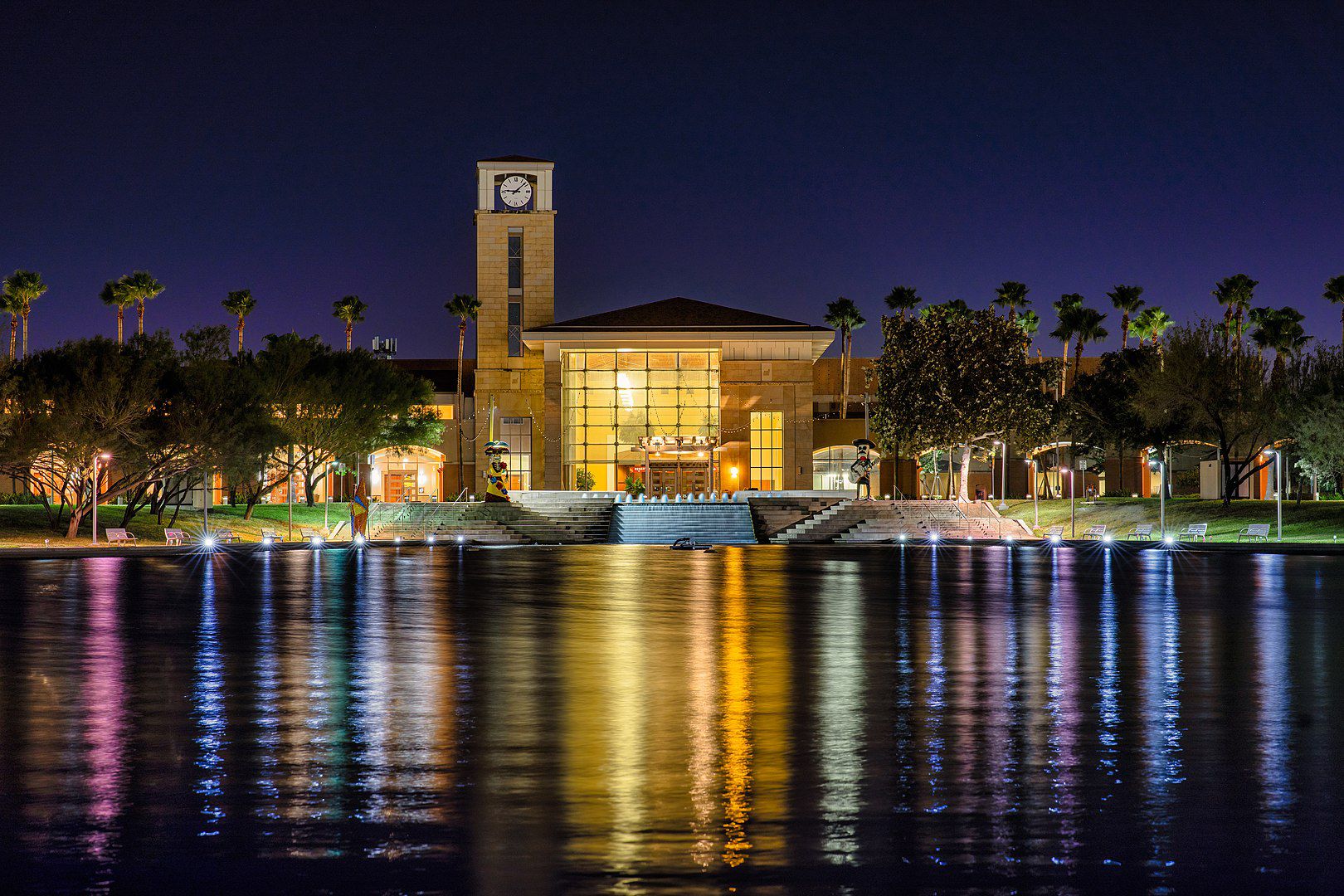
- Best-performing cities ranking: 18 (+85 from 2021)
- 5-year job growth ranking: 34
- 5-year wage growth ranking: 82
- Housing affordability ranking: 18
- Average weekly wages: $1,117
- Typical home price: $273,957
Coming in third on our list is fast-growing McAllen, Texas. It made the second-largest leap of any large city on the Milken list, advancing 85 slots from 2021 to 2022. The city — which ranked particularly well for short- and long-term job growth (25th and 34th, respectively) — was bested only by Lubbock, TX, which rose 91 slots in 2022.
While McAllen is known primarily as a border town, the vibrant bicultural city has a lot to offer. Located approximately 70 miles from the Gulf coast along the U.S./Mexico border, the city is popular for both water sports and bird watching. McAllen’s shopping scene also draws visitors from both sides of the border to winter there every year. To top off its list of charms, McAllen currently ranks #138 among U.S. News’ Best Places to Live.
Arbo.lifestyle/ Wikipedia

- Best-performing cities ranking: 12 (-2 from 2021)
- 5-year job growth ranking: 21
- 5-year wage growth ranking: 28
- Housing affordability ranking: 56
- Average weekly wages: $1,413
- Typical home price: $308,218
After leaping 49 spots on the Milken list to achieve a top-tier ranking in 2021, Huntsville, AL, dropped two spots to settle into 12th place in 2022. The drop in ranking was partly driven by poor job growth during the second year of the pandemic. However, the city still ranks near the top for 5-year job and wage growth, making it one of the 20 fastest-growing cities in the U.S.
With those factors in mind, we put Huntsville second on our list of hidden gems.
With 40% of the adult population holding a bachelor’s degree or higher, Huntsville boasts the highest percentage of college graduates in its state. It’s also a well-known aerospace hub. Major employers include the Redstone Arsenal (i.e., “the Pentagon of the South”), Boeing, and Northrop Grumman.
Among top-performing large cities, Huntsville is by far the most affordable for housing, ranking 56 out of 200. The city’s typical home price of $308,218 is well below the national median, while weekly wages are fairly on par with the national average of $1,418. The city also has a growing list of amenities, including a great restaurant and craft brewery scene. As of 2022, Huntsville stands in the top spot among U.S. News’ Best Places to Live.
Sean Pavone / istockphoto

- Best-performing cities ranking: 8 (+7 from 2021)
- 5-year job growth ranking: 9
- 5-year wage growth ranking: 18
- Housing affordability ranking: 94
- Average weekly wages: $997
- Typical home price: $312,863
Our top city is Fayetteville, which best combines economic vitality, good jobs and housing affordability. The Milken study ranked seven cities ahead of it, but they didn’t make our list due to their home prices. Known as the birthplace of Walmart, this quiet city has experienced a tremendous transformation over the past several years — and that growth is expected to continue through the next several decades.
Fayetteville’s rising prestige is owed in part to strong performances across wage, job, and tech growth. However, the home of the University of Arkansas also has great amenities — including a lively arts, festival, and food scene. Nestled in the Ozarks, Fayetteville is a natural fit for outdoor enthusiasts who can take advantage of an abundance of state parks, green spaces, and walking trails. With a little something for everyone, Fayetteville currently ranks 7th among U.S. News’ Best Place to Live.
Top small cities
Brandonrush / Wiki Commons

- Best-performing cities ranking: 50 (+6 from 2021)
- 5-year job growth ranking: 52
- 5-year wage growth ranking: 59
- Housing affordability ranking: 11
- Average weekly wages: $1,400
- Typical home price: $306,526
Number 12 on our list of affordable high-performing cities is Rochester, MN. For a city of just over 117,000, it has a surprisingly high concentration of high-tech jobs, ranking 24th in this category out of 200 small cities on Milken Institute’s list.
Major employers in Rochester include the Mayo Clinic, Rochester Public Schools, and IBM. With employers across a variety of industries providing a steady stream of decent jobs, Rochester ranks well for both long-term job and wage growth.
It’s also a great place to live! The scenic midwestern city has inviting outdoor spaces, as well as a thriving foodie scene complete with restaurants, breweries, farmer’s markets, and wineries. Residents can drink in the city’s culture at multiple theaters, museums, and art galleries or attend a full calendar of concerts and sporting events held at the Mayo Civic Center each year. With all that Rochester has going for it, Livability ranked this hidden gem the 3rd best place to live in U.S.
SamWagnerTimelapse/iStock

- Best-performing cities ranking: 47 (+20 from 2021)
- 5-year job growth ranking: 61
- 5-year wage growth ranking: 84
- Housing affordability ranking: 40
- Average weekly wages: $976
- Typical home price: $218,917
Coming in at 11th on our list is Jefferson City, MO. Ranked 40th among small cities for housing affordability, the typical home in Jefferson city costs $218,917. The state capital of Missouri, “Jeff City” boasts an unemployment rate of just 3.3%. Many of the city’s jobs are within the state government, which serves as the area’s largest employer. While job growth has slowed somewhat over the past 12 months, the city ranked among the top 20 for job growth in the year leading up to the pandemic. Top industries in Jefferson City include government, education, and healthcare.
Residents of Jefferson City praise the town’s schools, restaurants, walking trails, and historic downtown. The city also gives off a friendly vibe, with several community events and festivals held throughout the year.
Sean Pavone/iStock

- Best-performing cities ranking: 41 (+88 from 2021)
- 5-year job growth ranking: 55
- 5-year wage growth ranking: 37
- Housing affordability ranking: 44
- Average weekly wages: $1,319
- Typical home price: $236,538
Situated along the Michigan border, Elkhart-Goshen, IN, is a small city experiencing massive job growth. In terms of job creation, only eight other small cities outperformed Elkhart-Goshen in 2021. Bolstered by equally strong wage growth (weekly wages increased 8.2% between 2020 and 2021), this town of 52,000 rose 88 spots on Milken Institute’s list of best-performing small cities in 2022.
Many jobs in Elkhart-Goshen revolve around manufacturing, agriculture, and biomedical technology. Its business-friendly climate has made it the home base of three of the top five RV manufacturers in the nation.
With the typical home price sitting at $236,536, the city ranks 44th in terms of housing affordability. Better yet, its overall cost of living is nearly 20% below the national average, with future job growth projected at 53.70%, compared to 22.51% for the country overall.
William Reagan / iStock
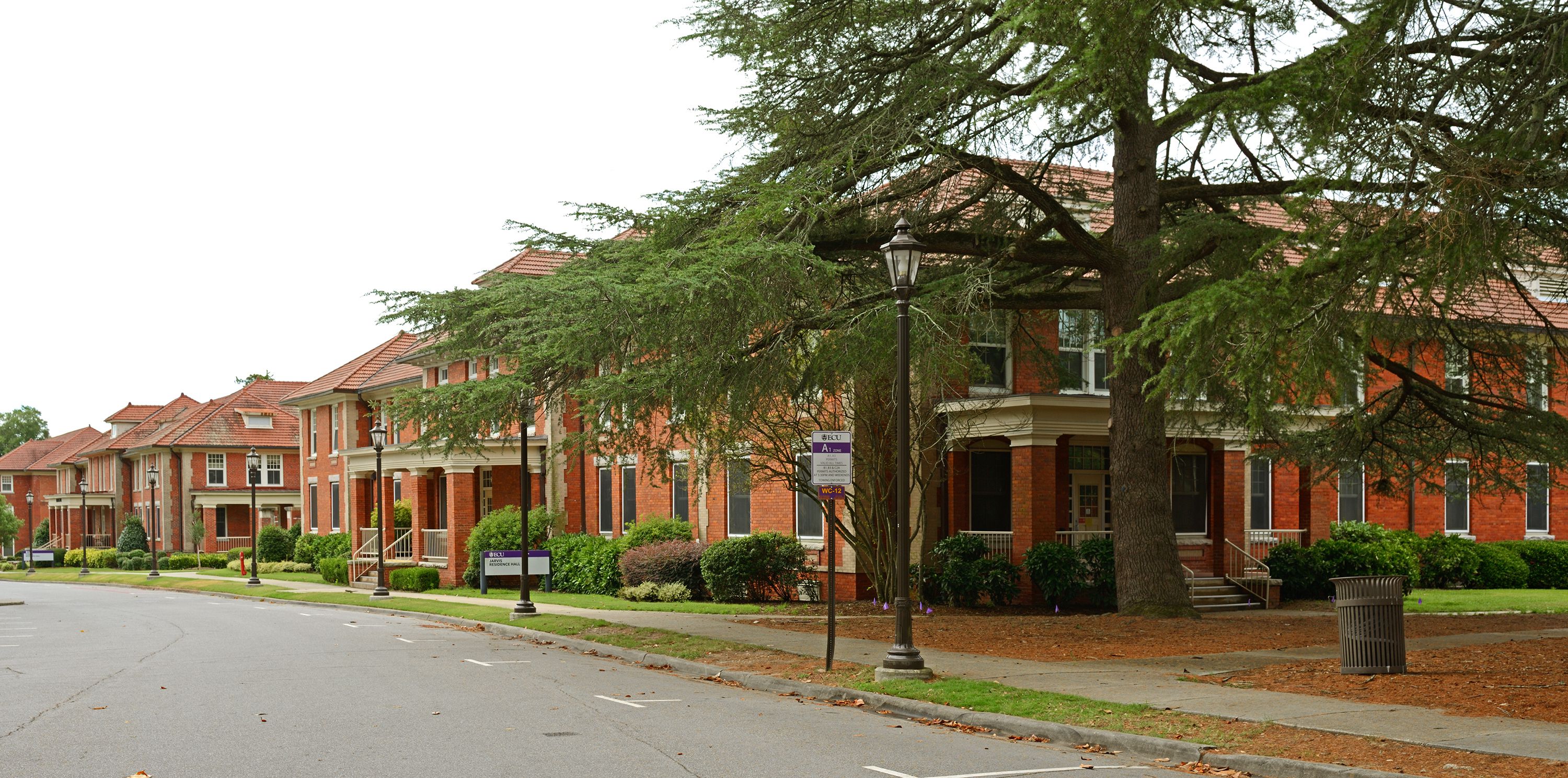
- Best-performing cities ranking: 40 (+14 from 2021)
- 5-year job growth ranking: 63
- 5-year wage growth ranking: 81
- Housing affordability ranking: 98
- Average weekly wages: $1,106
- Typical home price: $307,550
Greenville, NC, is yet another college town rounding out our list. The Milken Institute places Greenville’s economic performance at 40th among small cities. With major employers including Vidant Medical Center, East Carolina University, Thermo-Fisher Scientific, and DSM Pharmaceuticals, the city also ranks in the top 20 for both high-tech job concentration and high-tech GDP.
With a price tag of $307,550, the typical home in Greenville is slightly more expensive than in other small cities on our list. However, the local schools also tend to be above average. And while Greenville hasn’t yet made it to the ranks of the country’s best places to live, it still has plenty to offer. Locals frequently shout out Greenville’s walking trails, local restaurants, and live college sports as highlights of living there.
ValerijaP/iStock

- Best-performing cities ranking: 38 (+71 from 2021)
- 5-year job growth ranking: 118
- 5-year wage growth ranking: 63
- Housing affordability ranking: 54
- Average weekly wages: $1,196
- Typical home price: $236,343
Coming in at 8th on our list, Ames, IA is the quintessential college town. Iowa State University is both the city’s largest employer and a center of community activity, drawing residents to stroll along the scenic campus and cheer on its celebrated football team. Not surprisingly, Livability ranks Ames as the 2nd best college town in the U.S.
With the typical home in Ames costing $236,343, and average weekly wages sitting at just under $1,200, Ames ranks 54th for housing affordability and 34th for economic performance overall. The town’s friendly feel and quaint historic district — boasting great food and live music — puts it among the nation’s best places.
Raivena / Wiki Commons

- Best-performing cities ranking: 34 (+2 from 2021)
- 5-year job growth ranking: 86
- 5-year wage growth ranking: 97
- Housing affordability ranking: 37
- Average weekly wages: $1,033
- Typical home price: $190,597
Located about 60 miles south of Chicago, is Kankakee, IL, which ranks 7th on our list for affordability and 34th among small cities for economic performance. The small city earned particularly high marks from the Milken Institute for its growing tech sector, placing in the top 20 for high-tech job concentration, as well as short- and long-term high-tech GDP growth.
While overall job and wage growth haven’t quite kept pace with other cities on this list, Kankakee’s low home prices keep it affordable. A typical home in the area costs $190,597, and its suburbs — including Bradley, Bourbonnais, and Manteno — are known as great areas to raise a family.
Top industries in Kankakee include healthcare, education, and manufacturing. The city also has a robust number of manufacturing jobs. And when you’re ready to leave work behind and have some fun, you’re less than an hour’s drive from the big-city amenities on offer in Chicago
gnagel/iStock
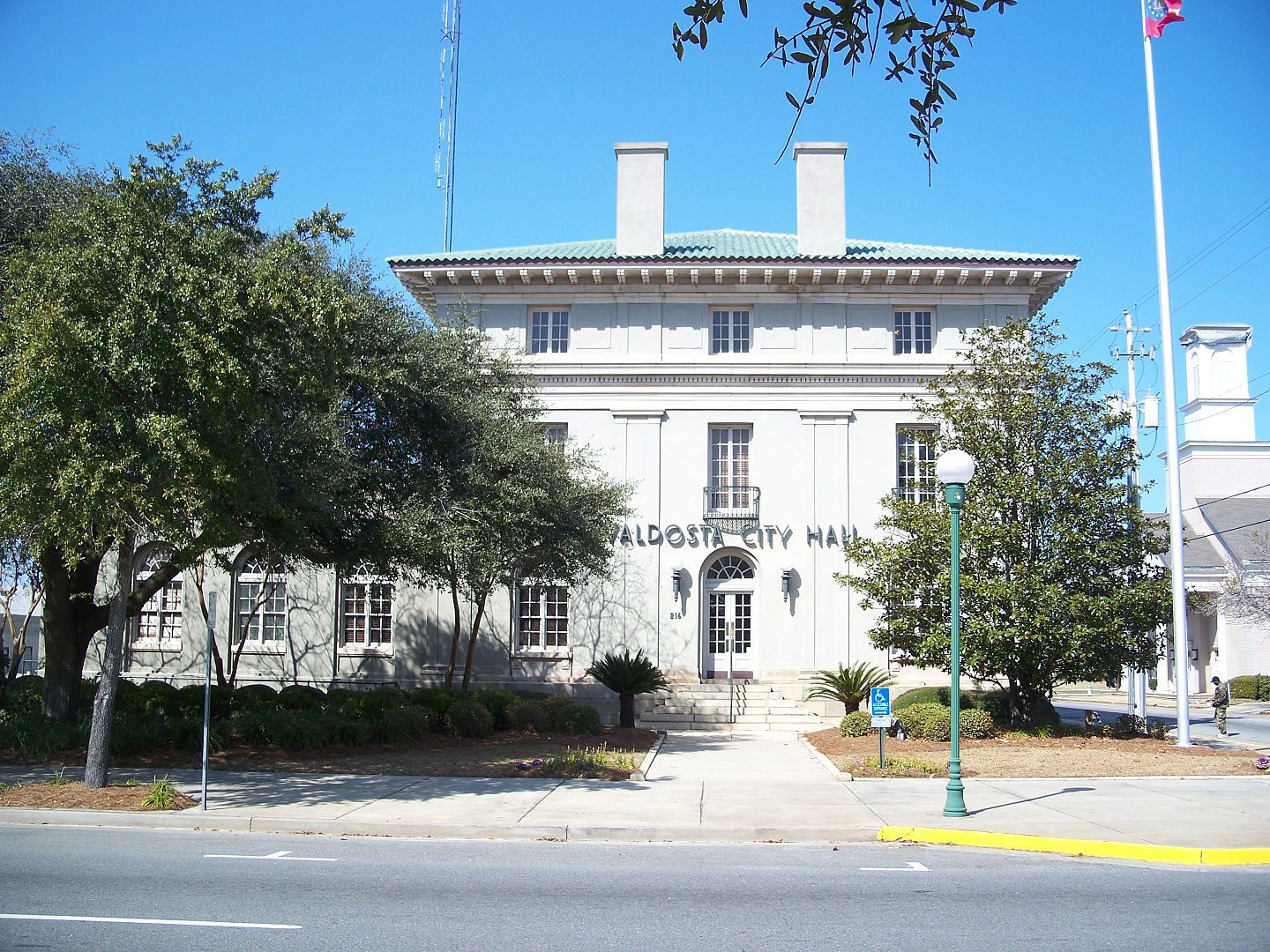
- Best-performing cities ranking: 29 (+24 from 2021)
- 5-year job growth ranking: 72
- 5-year wage growth ranking: 45
- Housing affordability ranking: 99
- Average weekly wages: $887
- Typical home price: $181,786
Sixth on our list of the most affordable, top-performing cities is Valdosta, GA. Rising 24 spots in the Milken Institute’s rankings since 2021, Valdosta currently ranks 45th for long-term wage growth and 72nd for long-term job growth.
Known as Azalea City for the colorful blooms that thrive there during the spring, Valdosta is home to the picturesque Valdosta State University. The quiet college town also houses Moody’s Air Force Base, which is by far its largest employer. The base and university combined employ about a fifth of the city’s 56,000 residents.
While not known for its culture or nightlife, Valdosta does have its fair share of restaurants, coffee shops, and historic charm. Many residents say Valdosta’s quiet vibe and low cost of living make it a good place to raise a family. While wages are lower than other cities on our list, the average home there costs just $181,786.
Ebyabe / Wikipedia
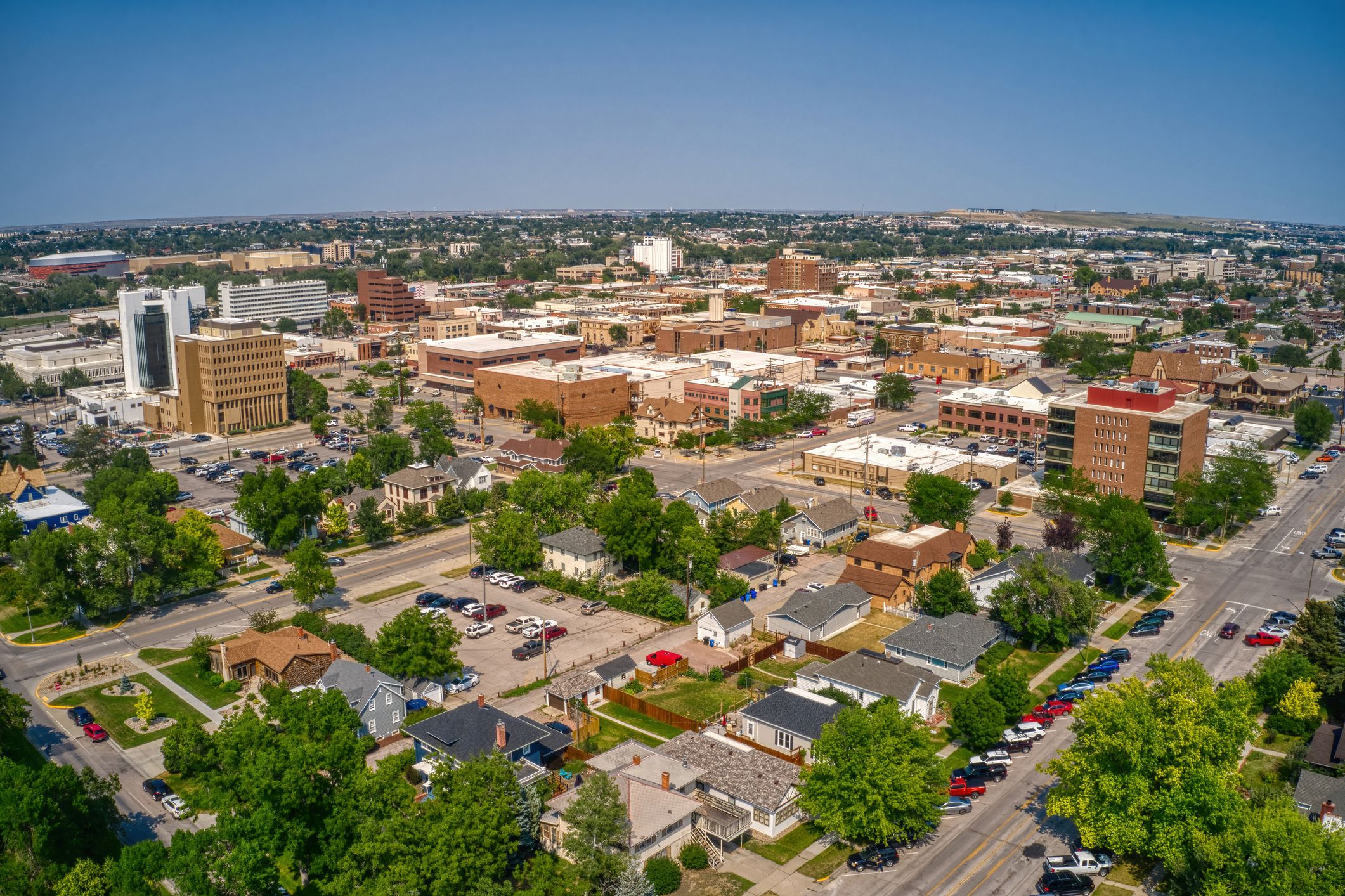
- Best-performing cities ranking: 28 (+82 from 2021)
- 5-year job growth ranking: 69
- 5-year wage growth ranking: 34
- Housing affordability ranking: 97
- Average weekly wages: $1,043
- Typical home price: $202,075
Situated between Badlands National Park and Black Hills National Forest, Rapid City, SD, has both amazing outdoor amenities and a healthy job market. Ranking 5th on our list for affordability, the city rose 82 slots in the Milken Institute’s economic performance rankings in 2022. Among small cities, the scenic locale placed 34th for 5-year wage growth and 69th for 5-year job growth.
With a population of 76,500, Rapid City has more than 5,000 residents employed by its excellent healthcare system. Rapid City also has a strong military presence, with Ellsworth Airforce Base and the National Guard ranking among its top employers.
While the Milken Institute puts Rapid City in the 97th slot for housing affordability, the typical home price of $202,097 is still well below the national median. Average wages for Rapid City residents currently sit at $1,0423 per week, after rising 5.9% in 2021 — higher than the national median of 4.5%.
Jacob Boomsma/iStock
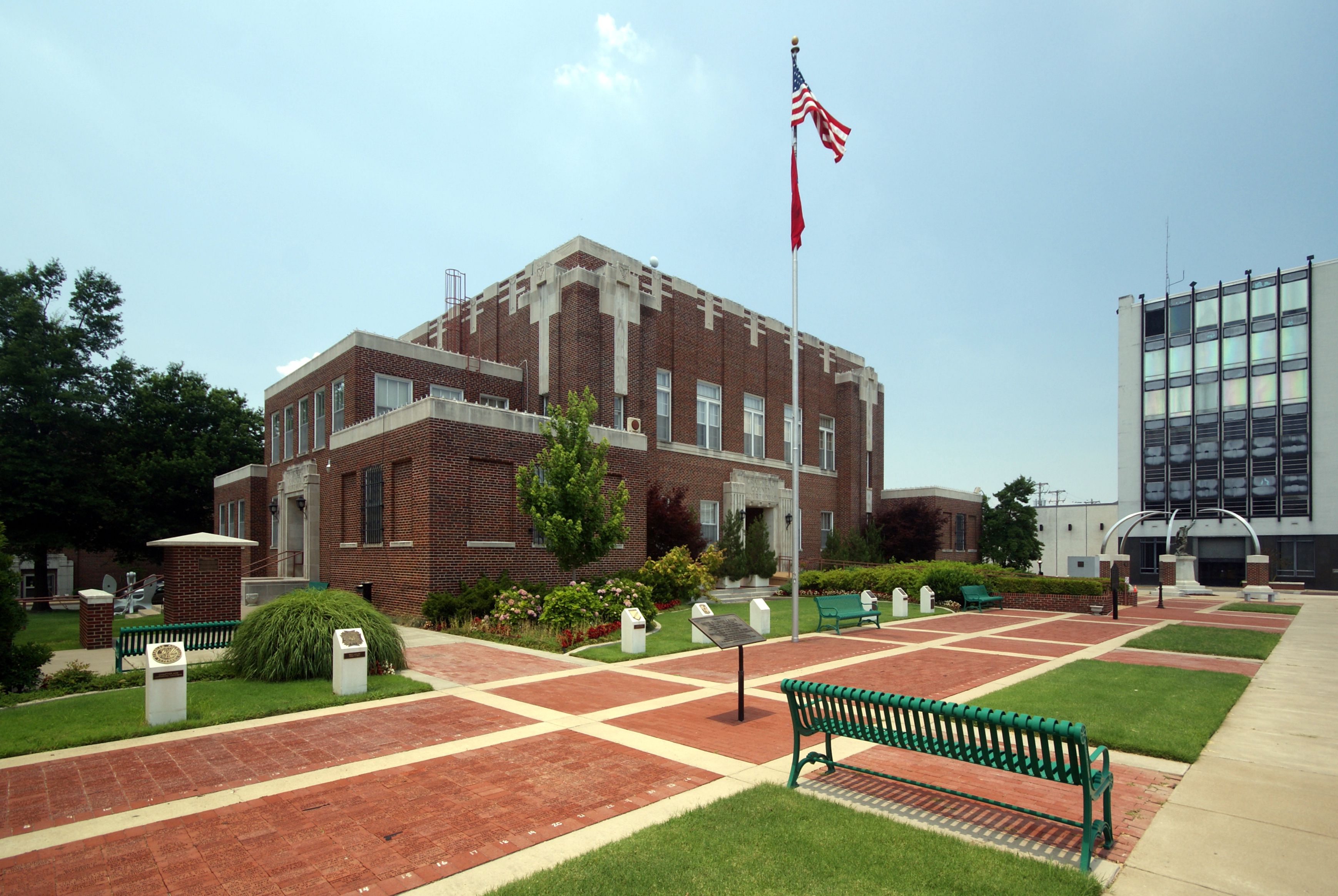
- Best-performing cities ranking: 26 (-12 since 2021)
- 5-year job growth ranking: 12
- 5-year wage growth ranking: 14
- Housing affordability ranking: 87
- Average weekly wages: $977
- Typical home price: $183,121
Located about 70 miles northwest of Memphis, TN, Jonesboro, AR, is a lively college town anchored by Arkansas State University. A quickly growing economy coupled with stable home prices place it 4th on our list of smaller-sized hidden gems.
While average wages in Jonesboro grew at a rate of 7% in 2021, home prices have remained well below the national median. The typical home in Jonesboro costs just $183,121.
Placing near the bottom for high-tech jobs on Milken Institute’s list, Jonesboro still ranks an impressive 12th among small cities for 5-year job growth and 14th for 5-year wage growth. ASU serves as the city’s 2nd largest employer, and many residents also find employment in healthcare and education.
Outside of work, Jonesboro locals can enjoy a football game at ASU’s Centennial Bank Stadium or explore more than 650 acres of gorgeous scenery along the hiking/biking trails at Craighead Forest Park. Residents also have easy access to Memphis’s food and culture scene, including famed tourist attractions like the National Civil Rights Museum and Graceland.
BOB WESTON/iStock

- Best-performing cities ranking: 24 (+87 from 2021)
- 5-year job growth ranking: 77
- 5-year wage growth ranking: 65
- Housing affordability ranking: 88
- Average weekly wages: $1,140
- Typical home price: $202,075
Located along the Texas panhandle, Amarillo, TX, is a stone’s throw from the popular Palo Duro Canyon State Park, aptly nicknamed the “Grand Canyon of Texas.” If you’re looking for a job here, you’re likely to find one. The city’s 3.1% unemployment rate is well below the 3.7% national average.
While Amarillo ranks 24th overall on Milken Institute’s list of best-performing small cities, it ranks particularly well for affordability. The typical home price is just over $200,000. For the sake of comparison, Missoula, MT, the next highest-performing small city on Milken Institute’s list, has a typical home price of $592,180. Wages in Amarillo are also growing at a faster-than-average annual rate of 7.1%, as of Q4 2021. The average earner takes home $1,140 a week.
While the vibe in Amarillo is definitely up-and-coming, for now, the city’s relative lack of amenities and higher-than-average crime rate keep it off most lists of best places to live.
Tiago_Fernandez/iStock

- Best-performing cities ranking: 18 (+20 from 2021)
- 5-year job growth ranking: 73
- 5-year wage growth ranking: 21
- Housing affordability ranking: 63
- Average weekly wages: $1,029
- Typical home price: $282,523
Home to the well-regarded Indiana University, Bloomington, IN, climbed 20 spots in 2022 to rank 18th overall among the Milken Institute’s list of best-performing small cities.
Bloomington ranks particularly well in high-tech concentration (4th among small cities) and annual wage growth (up 7.7% in 2021). With more than 30% of the 85,000-person population having a master’s degree or higher, the city’s highly educated workforce finds ample employment in education and health care.
However, life in Bloomington also includes a healthy amount of leisure and play. With a charming urban/suburban feel — and plenty of lakes, forests, and parks surrounding the city center — Bloomington ranks 92nd on Livability’s top 100 best places to live in 2022.
Yahala / Wikimedia Commons

- Best-performing cities ranking: 9 (+97 from 2021)
- 5-year job growth ranking: 60
- 5-year wage growth ranking: 77
- Housing affordability ranking: 27
- Average weekly wages: $1,110
- Typical home price $185,891
With a typical home price of just $185,891, Champaign-Urbana is by far the most affordable for housing to make into the Milken Institute’s top 10. After climbing a staggering 97 spots in 2022, the city finds itself joining the ranks of much pricier locales like Logan, UT, Coeur d’Alene, ID, and Bend, OR. That places it in our top spot among small cities for affordable hidden gems.
Home to one of the largest public research universities in the nation, Champaign-Urbana has strong ties to the tech industry. The university, which serves as the area’s largest employer, is also home to 60 active startups.
While typical weekly wages in Champaign-Urbana fall short of the national average, the city’s affordable housing market makes buying a home there attainable. As an added perk to the city’s strong economy, Livability placed Champaign-Urbana among the 100 Best Places to Live in America in both 2020 and 2021.
Jacob Boomsma / iStock
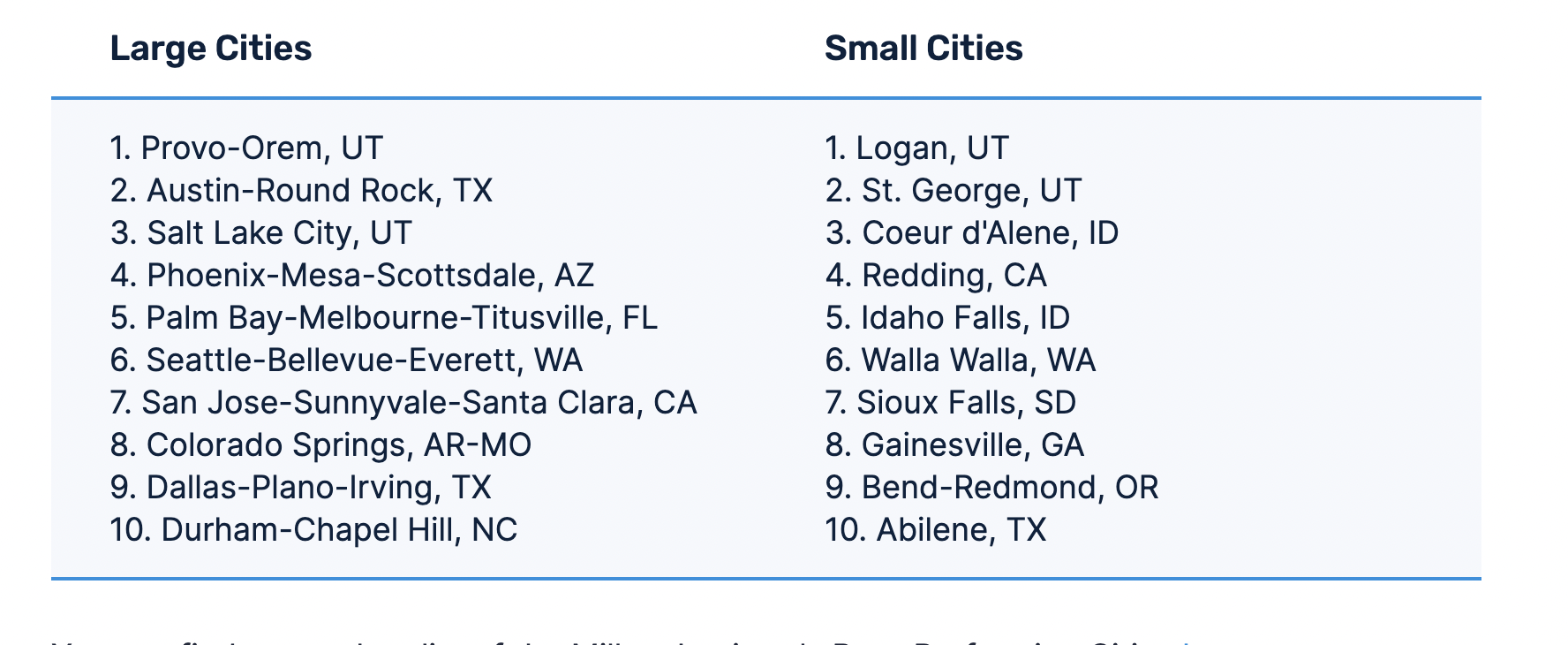
While our list focuses on affordability, the Milken Institute gauges a wider range of factors — including broadband access and the number of high-tech industries in the region — to produce its annual rankings. Notable cities that ranked at the top economically but didn’t make it onto our list due to affordability include the following.
This article originally appeared on Listwithclever.com and was syndicated by MediaFeed.org.
listwithclever.com

Great US vacation spots where you could happily retire
- Science says this ‘70s rock hit is the catchiest song of our time
- 20 incredible movies so disturbing we never want to see them again
Like MediaFeed’s content? Be sure to follow us.
perinjo / istockphoto
Featured Image Credit: photovs/istockphoto.