How to use AI to save big at the grocery store
Grocery prices have reached unprecedented levels, with food inflation affecting consumers more significantly than almost any other expense category in recent years. The average American family now spends over $7,700 annually on groceries, representing a significant increase from pre-pandemic levels that shows no signs of slowing down. That familiar feeling of dread at the checkout line has become a shared experience as routine purchases that once cost $100 now easily exceed $150, forcing families to make difficult choices between eating well and staying within budget.
The paradox facing modern shoppers involves wanting to maintain healthy, varied diets while managing increasingly tight food budgets that seem to shrink with each grocery trip. Traditional money-saving strategies, such as clipping coupons and comparing store flyers, have become time-consuming tasks that many busy families struggle to maintain consistently. However, artificial intelligence has emerged as a powerful tool for smart grocery shopping, offering automated solutions that can dramatically reduce food expenses without requiring extensive time investment or extreme couponing expertise.
AI-powered grocery tools fall into several categories, including price comparison apps, smart shopping list generators, coupon optimization services, and budget tracking systems that work together to maximize savings opportunities. This comprehensive approach involves three phases: AI-powered planning before you leave home, real-time decision support while shopping, and post-purchase analysis to optimize future trips and identify missed opportunities.

Dynamic price tracking and comparison
AI-powered price tracking applications automatically monitor grocery prices across multiple local stores, creating comprehensive databases that update in real-time as retailers change their pricing structures. These systems extract pricing information from store websites, digital flyers, and promotional materials to provide accurate and current price comparisons that would be impossible for individual shoppers to compile manually.
The key to maximizing savings lies in focusing on per-unit price comparisons rather than just advertised sale prices, as package sizes and quantities can vary significantly between stores and brands. AI systems excel at calculating and comparing these per-unit costs automatically, revealing savings opportunities that aren’t immediately obvious from promotional materials while tracking items users purchase most frequently for significant annual savings.
Basket
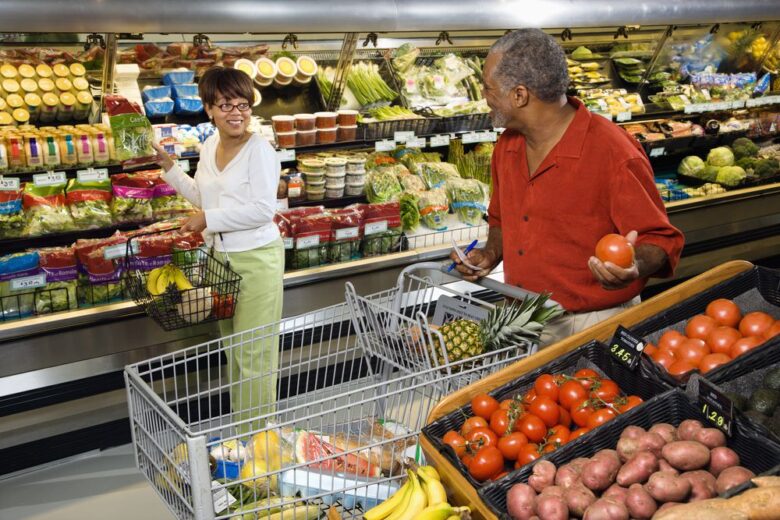
Basket operates as a comprehensive price comparison platform that aggregates grocery prices from major retailers to help users identify the lowest costs for their shopping lists. The application allows users to input their regular grocery items and automatically displays which local stores offer the best prices for each product, eliminating the need to check individual store apps or websites.
The platform provides running totals for entire shopping lists across different stores, allowing users to determine whether splitting their shopping between multiple retailers would result in meaningful savings. Basket also tracks price trends over time, helping users understand whether current prices represent good deals or if they should wait for better promotions.
Flipp
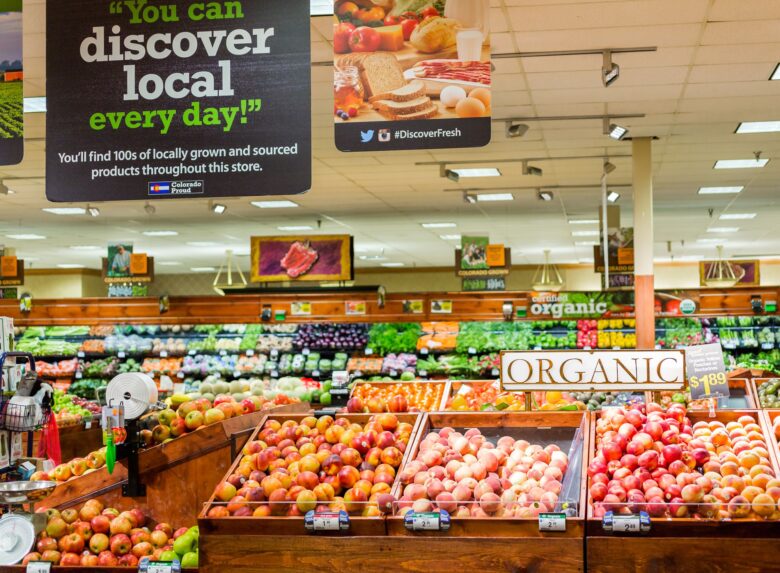
Flipp specializes in digitizing and organizing store flyers and promotional materials, using AI to make this information searchable and actionable for everyday shoppers. The application allows users to search for specific products across all available flyers in their area, instantly showing which stores are offering the best current promotions.
The platform’s shopping list feature integrates with promotional pricing to help users plan purchases around current sales and special offers. Users can add items to their lists, and Flipp will automatically highlight which stores are currently offering the best prices or promotions for those products while providing price-matching information.
Predicting sales and coupon optimization
Advanced AI systems analyze shopping patterns, seasonal trends, and retailer pricing cycles to predict when specific products will go on sale before official promotional materials are released. These predictive algorithms examine historical pricing data, inventory cycles, and promotional patterns to identify optimal purchasing windows for various product categories.
Integration between digital loyalty card programs and AI-powered coupon services automates the process of finding and activating relevant digital coupons before shopping trips. Case studies demonstrate substantial savings potential, with some users reporting 20-30% reductions in grocery expenses by purchasing primarily predicted sale items and optimizing their shopping timing around promotional cycles.

“Use it up” recipe generation
AI-powered recipe generation applications analyze current household inventory, focusing particularly on items approaching expiration dates, to suggest meal plans that prioritize using existing ingredients before purchasing additional groceries. These systems access comprehensive recipe databases and use ingredient substitution algorithms to create meal suggestions based on what users already have available.
The financial impact of reducing food waste through systematic inventory management can be substantial, as the average American household discards approximately $1,500 worth of food annually. AI-powered “use it up” systems help capture this value by ensuring that purchased ingredients are consumed rather than wasted, effectively improving the return on investment for grocery purchases.
Smart substitution suggestions
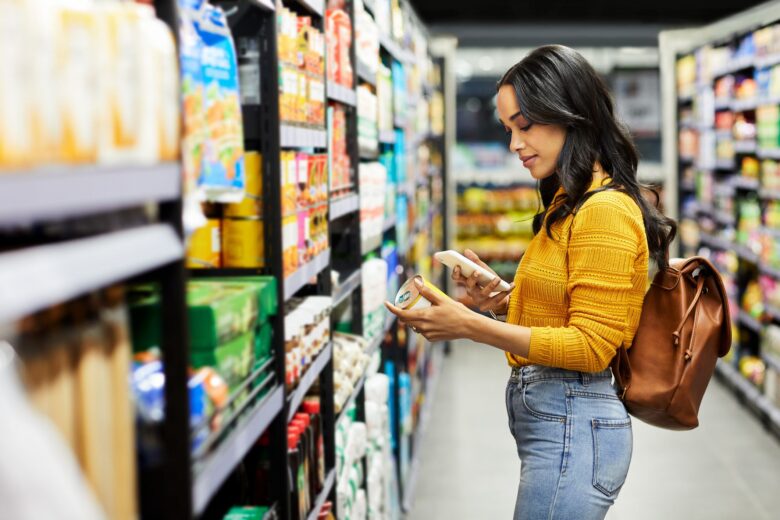
Mobile applications equipped with image recognition and barcode scanning capabilities provide instant alternatives to name-brand products, suggesting cheaper store-brand or generic options along with quality ratings and user reviews. When users scan name-brand items, the AI immediately displays comparable alternatives, along with detailed information on price differences, ingredient comparisons, and user satisfaction ratings.
The focus on impulse buy prevention addresses one of the most significant factors in grocery budget overruns, as unplanned purchases can easily add 20-40% to shopping trip totals. By providing immediate alternatives and savings calculations, these AI systems help shoppers make deliberate decisions rather than defaulting to familiar but expensive options.

Real-time budget monitoring
Smart shopping list applications that connect to pricing databases provide running totals of shopping trip costs, updating automatically as users check off items or add new products to their carts. These systems use current pricing data to calculate predicted totals throughout the shopping experience, helping users stay within predetermined budget limits.
When users add expensive impulse items or exceed their budget parameters, these applications provide immediate alerts along with suggestions for non-essential items that could be removed to stay within spending limits. The real-time feedback helps prevent checkout surprises and allows shoppers to make adjustments throughout their shopping trips rather than discovering budget overruns at the register.

Receipt analysis and audit
Post-purchase analysis applications scan grocery receipts and compare actual paid prices with the lowest available prices tracked by AI monitoring systems, providing “missed opportunity” reports that help users identify better deals for future reference. Some applications identify hidden rebate opportunities or cashback offers that can be applied retroactively, assisting users in recovering money from completed purchases.
The educational value of receipt analysis helps users develop better shopping instincts and recognition of good deals versus regular pricing. Over time, users become more skilled at identifying genuine savings opportunities and avoiding promotional pricing that isn’t actually competitive, replacing guesswork with informed decision-making based on actual spending patterns.

Personalized price drop alerts
AI systems that learn users’ regular purchasing patterns can provide customized alerts when staple items reach predetermined price thresholds, ensuring that users never miss opportunities to stock up on essentials at optimal prices. These systems track individual shopping histories to identify products that users purchase consistently, then monitor prices across multiple retailers to provide timely notifications when favorable pricing becomes available.
Strategic purchasing based on price drop alerts can result in substantial savings on household staples, particularly for families with predictable consumption patterns who can plan their purchases around optimal pricing cycles. Users report average savings of 15-25% on regularly purchased items by timing their purchases to coincide with price alerts rather than shopping based on immediate need.

Optimizing shopping patterns
AI analysis of individual shopping patterns can identify correlations between shopping timing and average savings, helping users understand when they typically achieve the best deals and when they tend to overspend. These systems analyze historical purchase data to determine optimal shopping days, times, and store combinations that consistently result in lower total costs.
Understanding personal shopping patterns also helps users recognize and avoid situations that typically lead to overspending, such as shopping when hungry, rushed, or during peak periods of high activity. The AI can identify environmental factors that correlate with higher spending and suggest strategies for maintaining budget discipline during challenging shopping conditions.

Conclusion
AI technology offers comprehensive solutions to the primary challenges facing grocery shoppers, including food waste, suboptimal pricing, and time-consuming deal hunting, which often prevents people from accessing available savings. The systematic approach of AI-powered shopping tools addresses each stage of the grocery shopping process from initial planning through post-purchase analysis, creating multiple opportunities for cost reduction without requiring extreme couponing or lifestyle changes.
AI doesn’t eliminate the need for thoughtful shopping decisions. Still, it provides unprecedented competitive advantages against rising food prices by automating research, tracking, and analysis tasks that would be impractical for individual shoppers to perform manually. Download one AI-powered shopping application today and track your savings over the next month to experience firsthand how technology can reduce grocery expenses while maintaining food quality and dietary preferences.
Related:
- How to find everything you need without getting scammed
- 6 steps to train an AI model to do whatever you want
Like MediaFeed’s content? Be sure to follow us.
This article was syndicated by MediaFeed.org.