Our pets deserve top-notch medical care. That’s why when the veterinarian bills are sizable, it can be stressful. How to pay for this on top of all the other expenses you’re juggling?
The need is starkest when it’s for a necessary surgical procedure. While costs vary widely depending on the animal’s age, the type of surgery, and the severity of the condition, the average costs of surgical procedures for dogs and cats ranges between $500 and $3,000.
Moreover, a tumor removal can run as high as $5,000, and repairing a fractured bone can cost twice that, depending on the complexity of the surgery.
There are ways to cope with serious expenses for your pet. Read on to learn about how to afford your pet’s vet bill.
Image Credit: FatCamera/istockphoto.
7 Ways to Pay for Pet Surgery & Urgent Care

America definitely loves animals. Seventy percent of U.S. households, or about 90.5 million families, own a pet. The ideas and strategies on this list are not meant to cover check-ups and best-practice preventive care for your pet. It’s for the unfortunately necessary surgeries and treatments. When a major expense hits unexpectedly, these are the paths to find payment, even if you’re stretched on funds.
Image Credit: Sergo2/istockphoto.
1. Pet Insurance: Sometimes Overlooked?
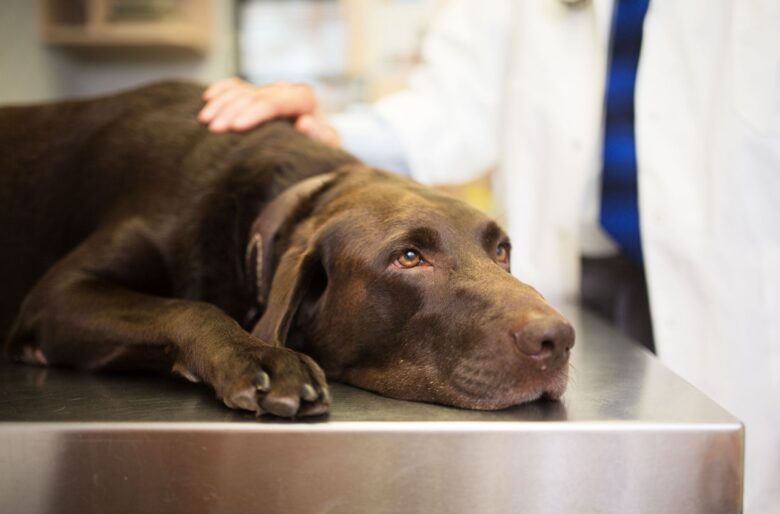
Some people may not realize that insurance exists for animal companions just as it does for humans. These policies can help save you from surprise costs when your cat or dog has an emergency, whether it’s an accident or an illness.
Pet Insurance typically provides reimbursement (up to a certain percentage) for health expenses that are covered by the policy. It’s important to study the plans carefully — some cover illnesses and accidental injuries, while others reimburse for injuries only. And not every policy covers vaccinations.
The average cost of a health insurance policy for a dog, injuries and accidents, is from $40 to $60 a month. For a cat, the average policy runs from $20 to $35 a month.
Image Credit: THEPALMER/istockphoto.
2. Loans for Vet Bills

What if it’s too late to sign up for insurance with the crisis already arrived? If you need a specific amount of money in a lump sum — and quickly — to pay for a costly procedure for your pet, a personal loan is an option.
There are no bank loans specifically set aside for pet surgery or emergency vet loans per se. A personal loan can be used for many things, medical care for pets included. And the amount of a personal loan can differ widely, from a few hundred dollars to tens of thousands.
One of the pluses of a personal loan is, if you are approved, you can receive the money quickly, even within hours.
To be approved, lenders typically require a strong credit score, income history, and, if necessary, collateral for the loan. Interest is part of the repayment.
Image Credit: monkeybusinessimages/istockphoto.
3. Charities for Pet’s Urgent Care

Some people may be wondering, “Fine, but what am I supposed to do if I can’t afford pet health insurance and I’m in no position to get a personal loan?”
There are charitable organizations that provide financial assistance to pet owners in urgent need of help. Some organizations focus on specific breeds or medical conditions. A few that provide assistance are Paws 4 a Cure, the Pet Fund, the Brown Dog Foundation, and the American Veterinary Medical Foundation. Also, the Humane Society website has a state-by-state “Pet Help Finder,” in which you can search for low-cost care.
These charity groups may work to match pet owners with veterinarians who will treat the animals no matter the fee. With some research, it is possible to find low-cost or even free veterinary care for low incomes. If possible, contact nonprofit organizations after your pet’s diagnosis, but before any procedure takes place. Most organizations will decline to reimburse you for bills that have been paid.
Another option: the Humane Society says, “If your animal requires emergency veterinary care and you can’t afford treatment, contact nearby veterinary colleges to see if they have any emergency assistance programs.”
Image Credit: carlosrojas20/istockphoto.
4. Credit Cards for Pet Surgery

Most vets will accept credit cards for payment. Some people might want to set aside a credit card for their veterinarian bills, particularly a no annual fee credit card that comes with a 0% APR.
Another approach is to obtain a credit card created specifically for animal care. The CareCredit card, which is for pets, includes medical expenses. This card can be used for routine veterinary appointments, grooming services, and emergency pet care, which covers a variety of surgeries and treatments. Not every veterinarian accepts it, so that will need to be researched. Also, stay on top of when the intro period ends for the card and make timely payments.
Image Credit: glegorly/istockphoto.
5. Crowdfunding for Animal Emergencies

It is very possible to use a crowdfunding platform to pay for hefty veterinary bills. Donation crowdfunding relies on numbers of people to contribute money to a cause they believe in or a need that they want to help meet. Friends could pitch in to help, but this might be a cause that resonates with strangers too.
You can create a fundraiser page for your pet on GoFundMe or another website and then spread the word on social media. There is even a crowdfunding platform called Waggle that is specially for “pet families in need.”
Image Credit: Hispanolistic/istockphoto.
6. Savings Account for Pet Care

To set aside a savings account for possible pet surgeries requires a certain amount of planning. However, it’s an unavoidable fact that as our pets age, they will require medical care. Money that’s kept in a high-yield online savings account, growing in size over the years, could come to the rescue. And it would be preferable to taking out a loan because you won’t have to pay interest or fees.
Image Credit: Kunakorn Rassadornyindee/istockphoto.
7. Negotiate With Your Vet

It’s worth a shot to ask your vet if they can work with you to reduce the cost of your pet’s surgery. If you’re a client in good standing, your vet may be able to work out a weekly or monthly payment plan. Some veterinarians also work with third-party billing services, such as VetBilling, which allow you to pay over time.
Image Credit: SeventyFour/istockphoto.
The Takeaway
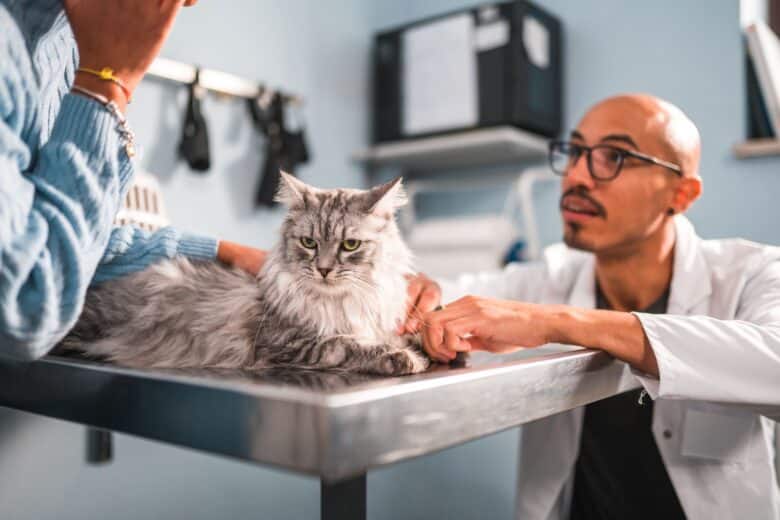
An unexpected medical bill for your pet’s surgery or urgent treatment can be a shock to your budget. But there are more than a few ways to finance health care for your pet, from a credit card to a personal loan to a crowdfunded appeal, if your budget is stretched thin. And there are charities that exist specifically to help pet owners in need.
Learn More:
This article originally appeared on SoFi.com and was syndicated by MediaFeed.org.
Please understand that this information provided is general in nature and shouldn’t be construed as a recommendation or solicitation of any products offered by SoFi’s affiliates and subsidiaries. In addition, this information is by no means meant to provide investment or financial advice, nor is it intended to serve as the basis for any investment decision or recommendation to buy or sell any asset. Keep in mind that investing involves risk, and past performance of an asset never guarantees future results or returns. It’s important for investors to consider their specific financial needs, goals, and risk profile before making an investment decision.
The information and analysis provided through hyperlinks to third party websites, while believed to be accurate, cannot be guaranteed by SoFi. These links are provided for informational purposes and should not be viewed as an endorsement. No brands or products mentioned are affiliated with SoFi, nor do they endorse or sponsor this content.
Communication of SoFi Wealth LLC an SEC Registered Investment Advisor
SoFi isn’t recommending and is not affiliated with the brands or companies displayed. Brands displayed neither endorse or sponsor this article. Third party trademarks and service marks referenced are property of their respective owners.
Communication of SoFi Wealth LLC an SEC Registered Investment Adviser. Information about SoFi Wealth’s advisory operations, services, and fees is set forth in SoFi Wealth’s current Form ADV Part 2 (Brochure), a copy of which is available upon request and at www.adviserinfo.sec.gov. Liz Young is a Registered Representative of SoFi Securities and Investment Advisor Representative of SoFi Wealth. Her ADV 2B is available at www.sofi.com/legal/adv.
Image Credit: AzmanL/istockphoto.
More from MediaFeed

4 ways travel credit cards can really save you big on your next vacation
Image Credit: Prykhodov/istockphoto.