One of the richest men in the world spends a couple bucks on breakfast every morning at a fast-food joint. Sometimes it’s about $2.50 if he’s not feeling particularly prosperous, and it might even go a few pennies above $3 if the markets are looking good.
No matter what happens though, he has a limit, he sticks to it, and day after day, he steadily picks up some sausage patties when things are down and treats himself to a bacon, egg, and cheese if he’s feeling prosperous. He’s steady. He likes routine. And his approaches to investing reflect it. He’s the Oracle of Omaha.
That man is, of course, Warren Buffett, chairman, and CEO of Berkshire Hathaway.
His breakfast frugality has been chronicled time and time again as a testament to his “steady as she goes” approaches to investing that put him third on Forbes’ 2019 list of the richest people in the world, with a net worth of $82.5 billion.
And it’s not just breakfast. Buffett drives a sensible car, a Cadillac, and he still lives in a home he bought in the 1950s for $31,500.
Some say Buffett is a cultural phenomenon. His annual letter to shareholders of Berkshire Hathaway is read far and wide by investors and professionals in the finance and investing industries, and everyday people looking for some investment advice from Warren Buffett.
The annual shareholders meeting of Berkshire Hathaway in Omaha, Nebraska, has been dubbed the “Woodstock of Capitalism” and is attended by thousands, including one father and son team in 2019 who wore business suits plastered with photos of Buffett.
Buffett has built Berkshire Hathaway into an investment powerhouse with original shares, the ones from 1964, trading at $271,950 per share as of June 2020. Yep, that’s over $300,000 a share.
If you were around in 1964 and had some of Buffett’s foresight and invested in Berkshire Hathaway back then, you’d be sitting on a pretty tidy sum of cash (a $10,000 investment then would be worth more than $240 million now).
You can probably see why Buffett earned the nickname the Oracle of Omaha. Buffett’s story mirrors the fundamentals of his approach to investing: Invest for the long term, buy the business, not the stock and buy stuff you know about.
Related: A beginner’s guide to investing in your 20s
Before the Oracle: Warren Buffett’s early days
Buffett was born on Aug. 30, 1930, in Omaha to a stockbroker who would turn politician and a stay-at-home mom. It was the start of the Great Depression and the Buffetts weren’t immune, with his mother going so far as to skip meals. Still, a young Warren Buffett had a nose for numbers and was reportedly always on the lookout for new ways to make money.
An often-told story from this time goes that Buffett would buy a six-pack of soda and sell the bottles, sometimes door-to-door, individually for a profit. It was just one of his childhood money-making strategies.
At the age of 11, though, he got his first taste of the stock market.
In 1942, Buffett spent $114.75, a sum he’d been saving since age 6, on three shares of Cities Service preferred stock. He wrote in the 2018 letter to shareholders of the moment, “I had become a capitalist, and it felt good.”
The price of that stock fell from $38 a share to $27. Buffett held onto it and sold his shares as soon as they reached $40.
Naturally, the price rose to $200 not long after and Buffett may have learned a lesson that he continues to preach about holding onto stocks for the long term and avoiding quick profits.
This was just the beginning of Buffett’s education.

Where you live in retirement can have a big impact on your annual expenses. While the average annual cost of living in the U.S. is $51,624, that figure can fluctuate significantly — from nearly double that amount in the most expensive state to just under 90 percent in the least expensive. Consider the average retirement age in each state and your life expectancy, and you’re looking at a sizable amount of money needed to cover your retirement years.
Of course, Social Security can help cover those expenses, but knowing when you’re eligible to take those benefits and how to maximize them when you do can help to ensure your financial comfort. Likewise, knowing how states tax Social Security benefits can help you decide which states are the most financially attractive. As you think about moving or potentially downsizing in retirement, you need to weight how much it costs to retire by location.
For help with your retirement planning, consider working with a fiduciary financial advisor. Find an advisor who serves your area today (Sponsored).
DGLimages

To put this list together, we looked at data compiled by HowMuch.net, based on figures from the Bureau of Labor Statistics along with cost of living and life expectancy data.
The yearly figure needed for retirement comes from the BLS’ 2018 Consumer Expenditure Survey. The expenditures HowMuch considered were those of the age group “65 years or more.”
To obtain the total amount required for a comfortable retirement, HowMuch used IHME-based life expectancy figures published by National Geographic. They then subtracted the average retirement year published on MoneyTalks to the previous figure and multiplied it by the state-adjusted yearly expenditures, to obtain the total amount required to retire.
DepositPhotos.com

According to the data, the average American retirement age is 64 and the average life expectancy is 78.6 years, meaning retirees need an average of $904,000 to cover their living expenses in retirement.
Here’s a look at the data in every state, including the average retirement age, cost of living, annual expenses, life expectancy and total amount needed to cover retirement costs. We’ve ranked it from least to most expensive.
Rawpixel/istockphoto

Average retirement age: 63
Cost of living index: 0.86
Average annual expenses: $44,758
Life expectancy: 74.5
Retirement funds needed: $617,661
DepositPhotos.com

Average retirement age: 64
Cost of living index: 0.89
Average annual expenses: $45,894
Life expectancy: 76
Retirement funds needed: $660,870
istockphoto

Average retirement age: 62
Cost of living index: 0.89
Average annual expenses: $46,049
Life expectancy: 75
Retirement funds needed: $712,832
istockphoto

Average retirement age: 62
Cost of living index: 0.87
Average annual expenses: $45,016
Life expectancy: 75.4
Retirement funds needed: $723,859
DepositPhotos.com

Average retirement age: 62
Cost of living index: 0.88
Average annual expenses: $45,274
Life expectancy: 75.4
Retirement funds needed: $728,010
DepositPhotos.com

Average retirement age: 65
Cost of living index: 0.90
Average annual expenses: $46,255
Life expectancy: 78.2
Retirement funds needed: $732,681
istockphoto

Average retirement age: 66
Cost of living index: 0.98
Average annual expenses: 78.1
Life expectancy: 78.1
Retirement funds needed: $738,337
RiverNorthPhotography

Average retirement age: 62
Cost of living index: 0.92
Average annual expenses: $47,339
Life expectancy: 75
Retirement funds needed: $738,492

Average retirement age: 65
Cost of living index: 0.91
Average annual expenses: $47,236
Life expectancy: 78.5
Retirement funds needed: $765,223
f11photo/istockphoto

Average retirement age: 63
Cost of living index: 0.88
Average annual expenses: $45,584
Life expectancy: 77.1
Retirement funds needed: $771,281
eyecrave

Average retirement age: 63
Cost of living index: 0.92
Average annual expenses: $47,597
Life expectancy: 76.6
Retirement funds needed: $776,788
istockphoto

Average retirement age: 62
Cost of living index: 0.94
Average annual expenses: $48,320
Life expectancy: 75.4
Retirement funds needed: $776,987
istockphoto

Average retirement age: 63
Cost of living index: 0.96
Average annual expenses: $49,507
Life expectancy: 76.2
Retirement funds needed: $784,197
SeanPavonePhoto

Average retirement age: 63
Cost of living index: 0.91
Average annual expenses: $46,720
Life expectancy: 77
Retirement funds needed: $784,891
DepositPhotos.com
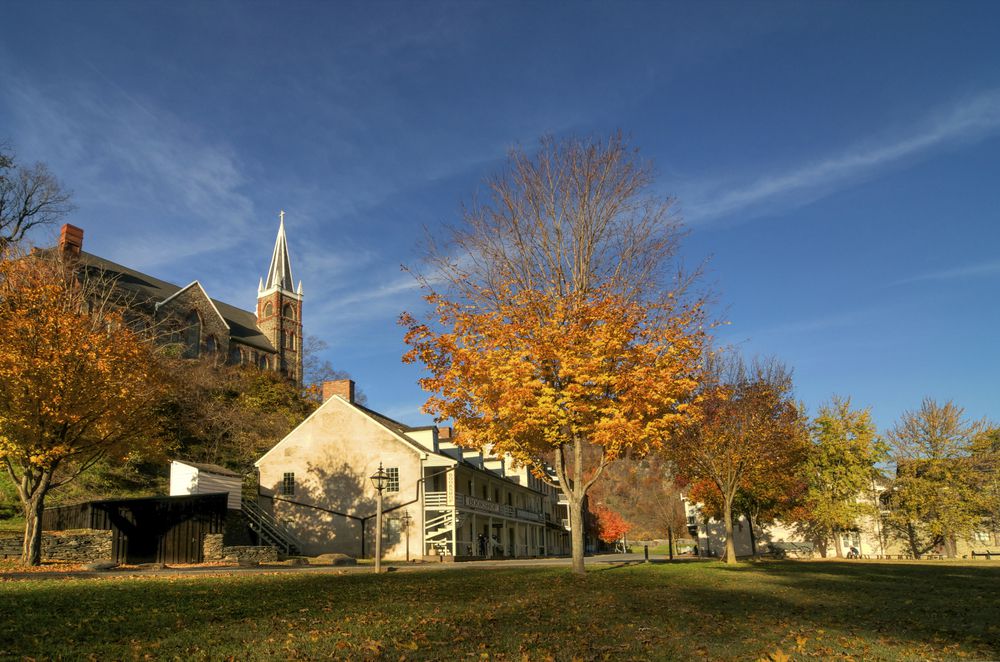
Average retirement age: 61
Cost of living index: 0.92
Average annual expenses: $47,546
Life expectancy: 74.8
Retirement funds needed: $787,357
DepositPhotos.com

Average retirement age: 63
Cost of living index: 0.91
Average annual expenses: $46,771
Life expectancy: 77.2
Retirement funds needed: $796,984
istockphoto

Average retirement age: 65
Cost of living index: 0.92
Average annual expenses: $47,649
Life expectancy: 79.1
Retirement funds needed: $806,220
nameinfame

Average retirement age: 65
Cost of living index: 0.92
Average annual expenses: $47,494
Life expectancy: 79.4
Retirement funds needed: $820,698
JoeChristensen

Average retirement age: 65
Cost of living index: 0.98
Average annual expenses: $50,850
Life expectancy: 78.5
Retirement funds needed: $823,764
DenisTangneyJr/istockphoto

Average retirement age: 64
Cost of living index: 0.96
Average annual expenses: $49,404
Life expectancy: 77.9
Retirement funds needed: $824,062
AnujSahaiPhotography

Average retirement age: 64
Cost of living index: 1.05
Average annual expenses: $54,205
Life expectancy: 76.9
Retirement funds needed: $839,096
istockphoto

Average retirement age: 64
Cost of living index: 0.99
Average annual expenses: $51,005
Life expectancy: 78
Retirement funds needed: $856,876
DepositPhotos.com
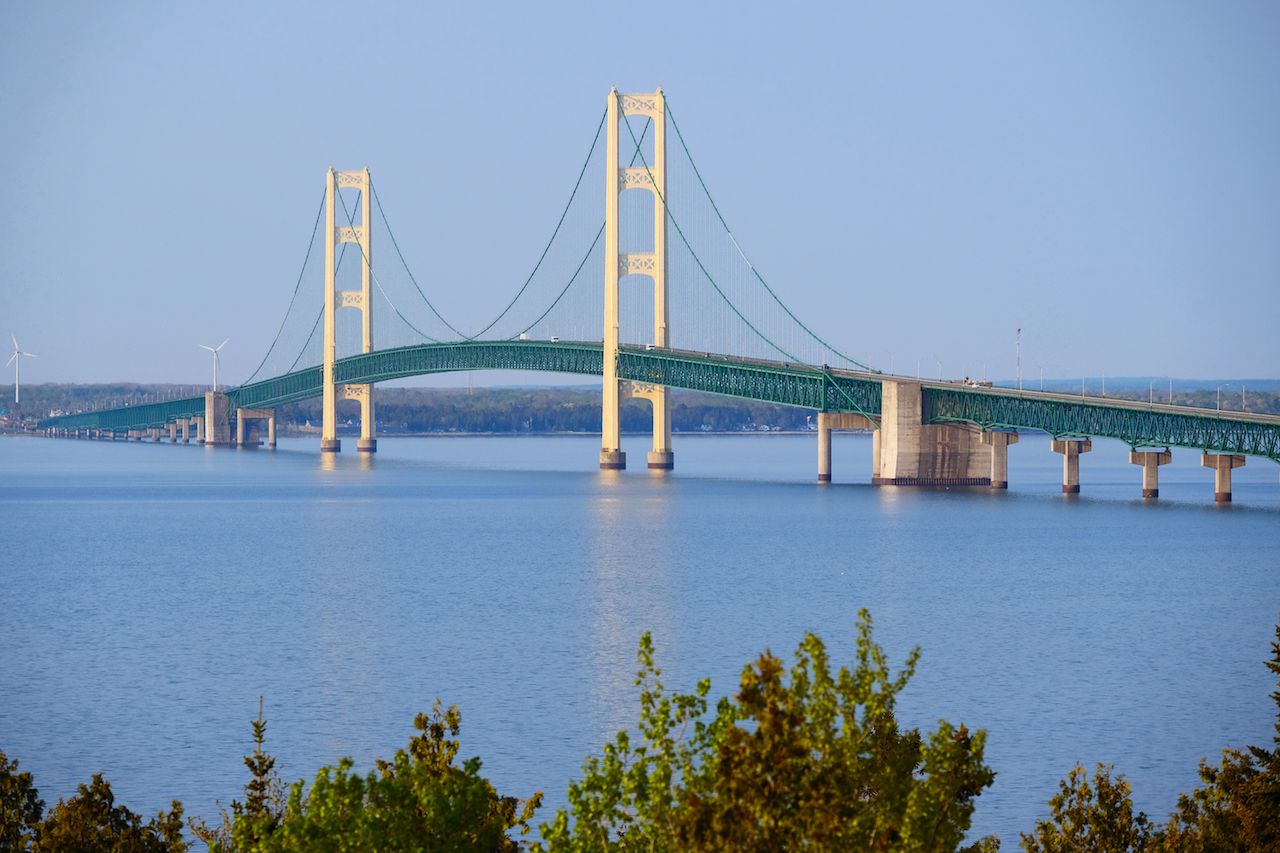
Average retirement age: 62
Cost of living index: 0.89
Average annual expenses: $46,203
Life expectancy: 77.6
Retirement funds needed: $864,929
haveseen

Average retirement age: 63
Cost of living index: 0.94
Average annual expenses: $48,733
Life expectancy: 77.8
Retirement funds needed: $865,499
Sean Pavone / istockphoto

Average retirement age: 64
Cost of living index: 0.94
Average annual expenses: $58108
Life expectancy: 79
Retirement funds needed: $871,620
DepositPhotos.com

Average retirement age: 65
Cost of living index: 0.98
Average annual expenses: $50,850
Life expectancy: 79.3
Retirement funds needed: $872,580
InSapphoWeTrust

Average retirement age: 64
Cost of living index: 0.95
Average annual expenses: $49,043
Life expectancy: 79
Retirement funds needed: $882,770
Pixabay.com

Average retirement age: 62
Cost of living index: 0.91
Average annual expenses: $47,184
Life expectancy: 77.6
Retirement funds needed: $883,291
Davel5957

Average retirement age: 65
Cost of living index: 1.01
Average annual expenses: $52,295
Life expectancy: 79.1
Retirement funds needed: $884,833
Sherry Smith
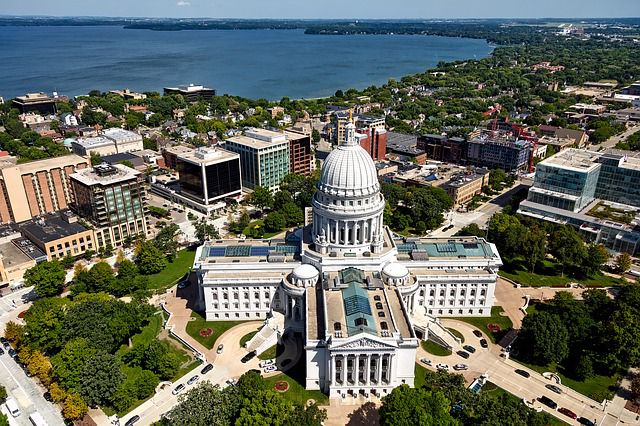
Average retirement age: 64
Cost of living index: 0.96
Average annual expenses: $49,714
Life expectancy: 79.5
Retirement funds needed: $924,679
Pixabay.com

Average retirement age: 64
Cost of living index: 0.99
Average annual expenses: $51,159
Life expectancy: 79.1
Retirement funds needed: $927,008
Getty
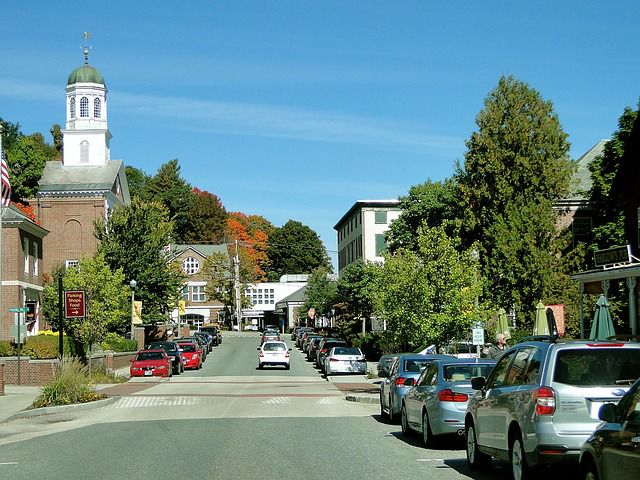
Average retirement age: 65
Cost of living index: 1.08
Average annual expenses: $55,960
Life expectancy: 79.1
Retirement funds needed: $946,850
Pixabay.com

Average retirement age: 65
Cost of living index: 1.06
Average annual expenses: $54,670
Life expectancy: 79.9
Retirement funds needed: $977,496
istockphoto

Average retirement age: 65
Cost of living index: 1.02
Average annual expenses: $52,605
Life expectancy: 80.7
Retirement funds needed: $991,075
Scruggelgreen

Average retirement age: 63
Cost of living index: 1.01
Average annual expenses: $52,140
Life expectancy: 79.1
Retirement funds needed: $1.01 million
Elzbieta Sekowska/shutterstock

Average retirement age: 63
Cost of living index: 1.07
Average annual expenses: $55,289
Life expectancy: 78.2
Retirement funds needed: $1.01 million
DepositPhotos.com

Average retirement age: 63
Cost of living index: 1.09
Average annual expenses: $56,373
Life expectancy: 77.9
Retirement funds needed: $1.01 million
Pixabay.com

Average retirement age: 67
Cost of living index: 1.62
Average annual expenses: $83,683
Life expectancy: 77.1
Retirement funds needed: $1.01 million
Sean Pavone

Average retirement age: 65
Cost of living index: 1.21
Average annual expenses: $62,413
Life expectancy: 79.3
Retirement funds needed: $1.07 million
randydellinger/istockphoto

Average retirement age: 64
Cost of living index: 1.10
Average annual expenses: $56,890
Life expectancy: 79.9
Retirement funds needed: $1.08 million
4nadia

Average retirement age: 65
Cost of living index: 1.17
Average annual expenses: $60,348
Life expectancy: 79.9
Retirement funds needed: $1.08 million
” DonLand”

Average retirement age: 63
Cost of living index: 1.17
Average annual expenses: $60,555
Life expectancy: 78
Retirement funds needed: $1.09 million
istockphoto

Average retirement age: 65
Cost of living index: 1.30
Average annual expenses: $67,214
Life expectancy: 78.8
Retirement funds needed: $1.11 million
Pixabay.com

Average retirement age: 66
Cost of living index: 1.34
Average annual expenses: $69,279
Life expectancy: 79.9
Retirement funds needed: $1.15 million
Pixabay.com

Average retirement age: 65
Cost of living index: 1.25
Average annual expenses: $64,736
Life expectancy: 80.5
Retirement funds needed: $1.20 million
aimintang

Average retirement age: 65
Cost of living index: 1.29
Average annual expenses: $79,852
Life expectancy: 80
Retirement funds needed: $1.25 million
concoll.edu

Average retirement age: 61
Cost of living index: 1.29
Average annual expenses: $66,956
Life expectancy: 77.7
Retirement funds needed: $1.34 million
DepositPhotos.com

Average retirement age: 63
Cost of living index: 1.33
Average annual expenses: $68,712
Life expectancy: 79.2
Retirement funds needed: $1.36 million
DepositPhotos.com

Average retirement age: 64
Cost of living index: 1.35
Average annual expenses: $69,847
Life expectancy: 80.8
Retirement funds needed: $1.41 million
Eloi_Omella

Average retirement age: 64
Cost of living index: 1.39
Average annual expenses: $86,171
Life expectancy: 80.9
Retirement funds needed: $1.45 million
istockphoto

Average retirement age: 66
Cost of living index: 1.92
Average annual expenses: $119,004
Life expectancy: 81.5
Retirement funds needed: $1.84 million
Tips for retirement planning
Need help planning for retirement? You can use free retirement calculators to help you start planning at any age.
Additionally, a financial advisor can help you work out the details of your retirement plan. SmartAsset’s free tool matches you with up to three financial advisors who serve your area, and you can interview your advisor matches at no cost to decide which one is right for you. If you’re ready to find an advisor who can help you achieve your financial goals, get started now. (Sponsored)
This article originally appeared on SimplyWise.com and was syndicated by MediaFeed.org.
Pawel Gual

monkeybusinessimages / istockphoto
A quick trip to college before business
Buffett didn’t want to go to college. He’d graduated from high school at 16 in 1947 and his dad talked him into an undergraduate program at the Wharton School of Business at the University of Pennsylvania.
He left after a couple years, then finished up his degree at the University of Nebraska. He applied to Harvard Business School but was rejected before ultimately ending up studying economics at Columbia University as a graduate student.
It was as a graduate student that Buffett had his first encounter with a company that would become a key part of the Berkshire Hathaway portfolio: Government Employees Insurance Company.
You probably know it as GEICO.
Buffett was 20 and it was 1951. He was a student of investor Benjamin Graham. This was a big deal for Buffett because he’d read Graham’s book “The Intelligent Investor” at age 19 and called it “by far the best book on investing ever written.” This was Buffett’s first exposure to value investing, a strategy that would become a hallmark of his career.
Buffett was such a big fan of Graham’s that when he found out that Graham was a chairman at GEICO, he hopped a train from New York to Washington, D.C., to learn everything he could about the company, already developing his practice of digging into businesses he was interested in.
There was only one person working that Saturday. It happened to be the man who would one day become CEO of GEICO, Lorimer “Davy” Davidson.
Buffett peppered him with questions and said of the encounter, “Davy had no reason to talk to me, but when I told him I was a student of Graham’s, he then spent four or so hours answering unending questions about insurance in general and GEICO specifically.”
Buffett would make his first purchase of GEICO stock that same year. He’d eventually buy a controlling stake in 1995, making GEICO a subsidiary of Berkshire Hathaway.
Again, there he is playing the long game and sticking to what he understands, tenets of the Warren Buffett strategy of investing.
Partnership and the rebirth of Berkshire Hathaway
Buffett went back to Omaha in 1956 and started his first partnership with seven investors and $105,000. Buffett himself invested $100.
You could say the partnership was a success. In 13 years, the value of the partnership would balloon to $105 million in assets in 1969. That was the same year Buffett decided to shut the partnership down and take on the role of chairman at a little company called Berkshire Hathaway.
Currently, No. 4 on the Fortune 500, Berkshire Hathaway’s roots are a little humbler than its current revenue figures.
The company was actually a textile company that Buffett thought he could turn a profit on. He bought his first shares at the age of 32 for $7.50 apiece on Dec. 12, 1962.
Buffett initially didn’t intend to own the company, but when he felt slighted by the folks in management, he started buying as much stock as he could. He bought so much that by 1965 he had a controlling interest and could fire the people he felt shorted him.
Over the years, Buffett would become more involved with the financial side of the business, using it as a holding company to invest in stocks and other companies he felt were undervalued while the textile side of the business fell by the wayside.
Even though Buffett wanted to stay in textiles, the mills were sold and that side of the business officially closed up shop in 1985.
When the textile arm of the business was gone, Buffett put his investment strategies into place to grow the Berkshire Hathaway portfolio by acquiring companies he knew about, that were undervalued and that he could hold for the long term.
On the way to Woodstock — Buffett’s investment strategies in practice
The value of value and the value of a moat
Buffett’s move to buy Berkshire Hathaway was exemplary of his strategy of value investing that “seeks to maximize returns by finding stocks that are undervalued by the market.”
Buffett looks for undervalued companies with stock that he can hold for the long term in order to see a return on his investment.
He returns to his first stock purchase to demonstrate this principle in the 2018 letter to Berkshire Hathaway stockholders. “If my $114.75 had been invested in a no-fee S&P 500 index fund, and all dividends had been reinvested, my stake would have grown to be worth (pre-taxes) $606,811 on January 31, 2019.”
That would have been a good return on investment, had young Buffett been able to invest in an index fund all those years ago. As Buffett once said, “Someone’s sitting in the shade today because someone planted a tree a long time ago.”
Another factor Buffett uses to evaluate a business’s value is something he calls a “moat.” He said about 20 years ago at a shareholder meeting, “We think in terms of that moat and the ability to keep its width and its impossibility of being crossed as the primary criterion of a great business.” The moat here is a company’s ability to keep competitors at bay, their unfair advantage in the marketplace.
Buffett keeps it simple and buys companies he understands
Buffett likes to buy stock in companies that make sense to him. Remember that trip he took to D.C. to investigate GEICO? That’s classic Buffett, and it’s advice he passes along to investors whether they’re just starting out or taking a fresh look at an established portfolio.
He’s compared the process of buying stock in a company to buying a house. “Buy a stock the way you would buy a house. Understand and like it such that you’d be content to own it in the absence of any market,” he said.
Along with understanding the companies he invests in, Buffett takes a deep look at management. He wrote in the 2018 letter to shareholders just how important this is. “In our search for new stand-alone businesses, the key qualities we seek are durable competitive strengths; able and high-grade management.”
Buffett looks at how these managers have dealt with shareholders in the past and ensures they’re not going to follow industry trends just for the sake of following industry trends.
Buffett invests rationally, and more advice from the Oracle of Omaha
Buffett’s letters are widely read because of his undeniable success … and because he has an ability to make complex financial and investing advice seem simple and digestible.
He parcels out investing advice, evaluations of his company and the broader financial landscape in the country in a quotable way every year. The guy just has a way with words.
One of his often-quoted pieces of advice is, “Be fearful when others are greedy, and greedy when others are fearful.” Basically, Buffett tries to avoid reacting to short-term volatility, to go with the herd. If a stock he’s holding drops a little, it might be a sign that other folks are being fearful, and Buffett might pick up more shares.
Tight on time to research and purchase stocks? Not sure what companies you understand? Buffett recommends index funds. “If you like spending 6-8 hours per week working on investments, do it.
If you don’t, then dollar-cost average into index funds. This accomplishes diversification across assets and time, two very important things.”
Then there’s the simple nugget of advice where Buffett’s wit and way with words really shine through: “Rule no. 1: Never lose money. Rule no. 2: Never forget rule No.1.”
“Don’t ask the barber if you need a haircut”
That’s another slice of wisdom from the Oracle of Omaha. He’s not one to trust the forecasters, prognosticators or experts who claim to have all the answers about where the market is going in the short term.
But he is one to trust his experience and diligent research. Which is probably what makes Buffett’s strategies and advice seem appealing. He can make it seem possible for the average person to understand something as complex as stocks and investing.
From his early days selling soda door-to-door to that first purchase of stock when he was 11 years old, Buffett has spent a lifetime learning and developing investment strategies.
He even started investing in tech companies recently, something that he admitted not having a great deal of familiarity with in the past. Proving that an oracle in his 80s can still learn a few new tricks.
Learn more:
External Websites: The information and analysis provided through hyperlinks to third party websites, while believed to be accurate, cannot be guaranteed by SoFi. Links are provided for informational purposes and should not be viewed as an endorsement.
Financial Tips & Strategies: The tips provided on this website are of a general nature and do not take into account your specific objectives, financial situation, and needs. You should always consider their appropriateness given your own circumstances.
Third Party Brand Mentions: No brands or products mentioned are affiliated with SoFi, nor do they endorse or sponsor this article. Third party trademarks referenced herein are property of their respective owners.
SoFi Invest
The information provided is not meant to provide investment or financial advice. Investment decisions should be based on an individual’s specific financial needs, goals and risk profile. SoFi can’t guarantee future financial performance. Advisory services offered through SoFi Wealth, LLC. SoFi Securities, LLC, member FINRA/SIPC. The umbrella term “SoFi Invest” refers to the three investment and trading platforms operated by Social Finance, Inc. and its affiliates (described below). Individual customer accounts may be subject to the terms applicable to one or more of the platforms below.
This article originally appeared on SoFi.com and was syndicated by MediaFeed.org.
Featured Image Credit: DepositPhotos.com.