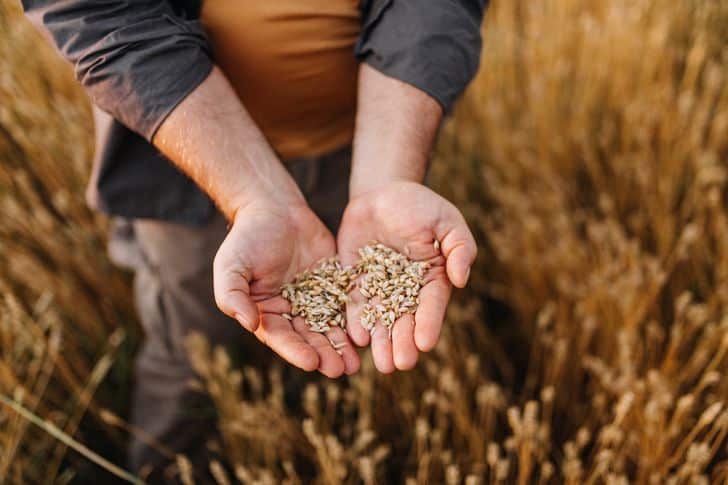
During the pandemic, many turned to gardening as a refuge. According to a survey, while many did it because they were concerned about food access and food security, others also said it was mainly a way to feel less isolated and depressed, and as a way to grow food for the community.
So many people turned to “pandemic gardening” that seed companies couldn’t keep up with the demand. During this time, the practice of saving seeds also started growing in popularity, but why is it important?
The process of saving seeds has been practiced for thousands of years, particularly in Indigenous communities relying on crops not just for food, but for social and cultural purposes. It has and still is not only an investment in future harvests, but a critical lifeline to the environment, food security, and the preservation of cultures.
A staggering 93% of seed varieties have been lost to what’s popular over the past century due to industrial agriculture and agrochemical companies and multinational corporations who now own the rights to a large share of the world’s seeds. This has been putting local relational foodways under threat, making seed saving and seed sovereignty emerge as a critically important part of our future.
Before we get into more details, here are some facts:
Facts
● Seed saving is beneficial for agricultural biodiversity, which is essential to a healthy ecosystem, and a healthy nutritionally dense, sustainable food supply.
● 93% of seed varieties have been lost to what’s popular over the past century due to industrial agriculture and the fact that monopolies from agrochemical companies and multinational corporations who now own the rights to a large share of the world’s seeds.
● Four corporations now control 60% of global proprietary seed sales.
● According to the Food and Agricultural Organization, 75% of the current global food supply can be traced back to only 12 plants and five animal species.
● Focusing on just a few foods makes our food system less resilient to threats such as disease, pests, and climate change.
● Seed sovereignty is the right of farmers to save, use, exchange, and sell their own seeds and addresses the ownership of seeds while a large majority of them are property of corporations, which threatens many farmers and Indigenous communities’ ability to save local seeds that have existed in their communities for centuries.
Seed saving and biodiversity
While saving seeds is important in terms of farmers being able to grow a particular crop in the future, seed saving is also a critical move in terms of not letting certain varieties of grains, fruits, vegetables and flowers die out.
In 1903, there were 500 varieties of lettuce — now there are 36. The same steep decline goes for squash, sweet corn, tomatoes, cucumbers, and other vegetables.
As 93% of seed varieties have been lost due to industrial agriculture, the corporate monopoly on the seed industry, and catastrophic events, certain seeds are currently endangered as 30 different crop species supply 90% of what we eat.
@gardenmama40 Seed saving tips #garden #seedsaving #seed #gardentok #homestead #growingfood #selfsufficient #howto #didyouknow #learnontiktok #learn #gardenmama40 #fyp #backyardgardening #growingzone6a ♬ Intro – The xx
Relying on a small number of crop varieties makes the food system vulnerable to droughts, pests, and diseases.
Now as climate change worsens, crop failures are expected to increase. Crop diversity plays an integral role in addressing this issue, since diverse crops have qualities that possess resilience and the ability to adapt to adverse conditions.
Seeds & capitalism
The rise of industrial agriculture in the 1800s pushed farmers to grow a high volume of crops for profit, which has ultimately been at the cost of the environment, reportedly destroying the health of soils and costing public health of humans and wildlife with the increasing need for toxic pesticides and chemical fertilizer.
Until the past few decades, the development and distribution of seeds in the U.S. was part of the public sector and enacted by hundreds of small seed-breeder businesses (often family run), which acted as distributors of publicly developed seed varieties. Now peasant seeds, which is the term used for seeds processed by farmers, have been displaced by industrial seeds.
In 1970, the Plant Variety Protection Act granted companies a certificate ownership of seeds, which was followed by the 1980 Supreme Court case Diamond v. Chakrabarty that allowed seeds patent protections, prevented several farmers from saving seeds, and kept breeders from using patented seeds to breed new plant varieties.
Seed breeding is now largely done at public universities or private laboratories, and corporations produce easy-to-grow genetically modified seeds that produce high yields but provide results for only one harvest, forcing farmers to buy new seeds annually. These four corporations — Bayer, Corteva, ChemChina, and BASF — control 60% of the world’s seed supply. Usually, with Bayer and Corteva, buyers must sign agreements that prohibit them from saving seeds from their crops to exchange or resow the following year. Doing so would violate intellectual property law.
Right now as biodiversity is more necessary in our warming world, industrial agriculture and these monopolies on seeds that aren’t climate adaptable are increasingly detrimental to the environment and food security.
Mariam Mayet, director of the African Center for Biodiversity in South Africa, told DW that she wants exceptions to seed legislation to allow for farmers’ autonomy to preserve Indigenous agriculture that is “the bedrock to ensure ecological integrity, sustainability of nature, biodiversity, landscapes, and ecosystems.”
Other seeds that can be saved
Despite these monopolies, others still sell and share seeds that can be saved, such as organic seed companies that sell seeds free of GMOs and chemical pesticides. It should be noted that hybrid seeds, a cross between two plants of the same species or type and cross-pollinated by hand, can also not be saved.
Organic seeds are known to be stronger, disease resilient, and able to thrive in adverse conditions.
Heirloom seeds possess the same qualities. Heirloom seeds are particularly special, because they are passed down through generations and consist of crop varieties that have existed for more than 50 years. To retain its original traits from one to the next, heirloom seeds must be open-pollinated by insects, birds, the wind or other ways, and produce plants with the most characteristics of their parent plant with the capacity to produce higher yields.
Many of these seeds come with uniquely intimate stories about the people, cultures and places from all over the world, some of which could’ve been lost to time if it weren’t for seed banks preserving some of these seeds.
Indigenous seed sovereignty
Up until the past two centuries or so, seed saving was the norm in Indigenous communities, with seedkeepers within those communities taking on the task of passing seeds and their stories down from one generation to the next.
“As many varieties of these crops exist, so do the variety of traditional stories and cultures surrounding them,” Shiloh Maples told Life and Thyme, adding that “the practices of seed keepers also make them historians and cultural memory-keepers, passing on the stories of how Indigenous peoples and their plant kin have evolved through millennia together on this shared landmass.”
Maples is the Upper Midwest regional coordinator for the Indigenous Seed Keepers Network, whose mission is to support the growing Seed Sovereignty Movement across Turtle Island (North America) by providing resources, training, organizing, and advocacy on seed policy issues, while creating the foundation for ethical seed stewardship. It also helps tribal communities protect their seeds from patenting and bio-piracy.
Seed Sovereignty is the right of a farmer to save, use, exchange, and sell his or her own seeds.
Seed rematriation
Currently, seed rematriation is one of the most important efforts toward seed sovereignty. An intergenerational movement led by Indigenous women, who have traditionally been the caretakers of seeds, it’s the process through which seeds are returned to their origins and ancestral grounds, and have been returning to communities from vaults of public institutions, seed banks, and universities and seedkeepers’ collections and of elders.
The need for rematriation is due to 16th century colonization when Indigenous people were violently displaced from their land and foodways. In addition to the consequences of forced assimilation, it is believed that some seeds and their stories have been lost forever, but current projects are bringing what’s left to where they belong.
Some of the rematriation efforts have been taken on by the Seed Savers Exchange, an Iowa-based nonprofit that preserves heirloom plant varieties through regeneration, distribution, and seed exchange, and has been working with Indigenous farmers and Indigenous communities to return seeds into production.
In 2018, the Seed Savers Exchange and the Native American Food Sovereignty Alliance established an agreement to collaborate in which 25 native varieties of corn, beans, and squash would go back to tribal communities. The process has brought together Native farmers and seed keepers and stakeholders from other seed-rematriation projects happening in regional seed banks, museums, and universities to develop a framework for others wishing to also engage in this process.
This process not only revives and ensures their traditional foodways for generations to come, but revives ancestral knowledge and begins to repair some of the trauma from the forced disconnect.
“Our seeds are our relatives,” Maples explains. “They’re living beings, so we need to treat them with the utmost respect.”
Policy
In 2018, the United Nations codified the right to seed in a Declaration on the Rights of Peasants and Other People Working in Rural Areas. The legal document grants small landowners and agricultural laborers protection over conservation activities for rural people to “maintain, control, protect, and develop their own seeds and traditional knowledge.” It also says there is a state obligation to support peasant seed systems and promote their use of seeds and biodiversity.
As many individuals and organizations continue to fight for public access, still many nations and governments, particularly the United States, protect enterprise and give the upper hand to corporate monopolies of seed and plant materials, which threaten small farmers, breeders, and researchers who want to save and share important seeds. Most of the laws created to regulate commercial seed exchange do not address free sharing of seeds.
In February 2022, Nepal began a new seed policy that favors hybrid seeds, but also enables local seed companies to conduct research and release new varieties, expands local production on hybrid and non-hybrid seeds, and supports the nation’s food security by increasing the seed and varietal replacement rate.
The Organic Seed Alliance, a nonprofit in Port Townsend, Washington, is helping to push for U.S. policy changes with an accessible roadmap for policymakers to help resist privatization of seeds and increase investments in public plant breeding as a climate change solution, as well as support ecological seed production by expanding organic seed acreage, among several other things.
Seed banks and libraries are also popping up all over the world to help bring greater access, education, and conservation of seeds.
Seed banks
Seed banks store seeds to protect their biodiversity for the future. There are around a thousand around the world, with the largest in the tundra near the Arctic Circle in Svalbard, Norway. Said to contain 13,000 years of agricultural history, this bank, which has been dubbed the “doomsday vault,” is in place to abate localized threats to other gene banks and is a backup system for global plant resources.
The idea was conceived by Cary Fowler, a former executive of Crop Trust, an international food security nonprofit in Germany. It was enacted after the UN’s International Seed Treaty in 2001.
The seeds in the vault are of wild and old varieties not in use. But the genetic diversity in the vault could provide DNA traits to develop new strains to adapt to regional challenges such as higher temperatures or new pests or diseases.
Sussex, England, has an underground seed bank at the Royal Botanical Gardens, containing more than 2.4 million seeds from around the world. The seed bank in Fort Collins, Colorado, is said to contain 850,000 plant seeds and materials.
A few others that have more focused varieties are the International Potato Center in Lima, Peru; the International Rice Institute in the Philippines; and the International Institute for Tropical Agriculture in Nigeria.
Other seed saving initiatives
There are other organizations that have dedicated their mission to conserving seed biodiversity. This is a select group from several around the world.
Based in Iowa, this nonprofit founded in 1975 is one of the largest nongovernmental seed banks in the U.S., and conserves heirloom plant varieties. It does so through seed exchange, regeneration, and distribution. Organizers are passionate about connecting generational stories behind the seeds in an effort to preserve culture and have a seed saver’s exchange, at which gardeners and seed stewards can swap rare varieties of seeds.
Alliance of Native SeedKeepers
North America’s foremost Indigenous source for rare heirloom non-GMO vegetable, flower, and herb garden seeds, this alliance seeks to grow sovereignty through a seed revolution with a vision of Indigenous communities living with the security of food, health, culture, environment, unity, and justice.
Amsterdam’s Action for Solidarity, Equality, Environment, and Diversity Europe campaigns for the preservation of cultural and biological diversity and supports the sovereignty of individuals and communities while exploring alternatives to the industrial food system. It provides training and knowledge sharing with various partners worldwide.
Hawai’i Public Seed Initiative
Founded in 2010 by The Kohala Center on Hawai’i Island, this initiative works with communities, farmers, and gardeners across the archipelago to select, grow, harvest, store, and improve seed varieties that thrive in Hawai‘i. It conducts research, education, and outreach programs to identify and conserve seed varieties in Hawai’i’s climates. Workshops held across the islands gather together hundreds of farmers and gardeners in the region.
This international organization in Germany funds the world’s largest seed banks through an endowment fund to ensure the conservation and availability of crop diversity for food security all over the globe. The organization also works to develop government conservation strategies. The organization’s website provides a wealth of resources for policymakers, educators, partners, and students.
Seed libraries
Hundreds of seed libraries exist across the globe as an exchange, or to give out seeds (typically for free) to share in communities to promote gardening and farming for food security and biodiversity. Many focus on local and heirloom varieties and are in public libraries, college libraries, botanical gardens, and other places.
Some seed libraries, such as one in Mystic, Connecticut, also have a garden where the community can plant food, something that empowers community resilience. Many others hold workshops, events, and other educational programming to help educate about seed sovereignty, seed saving, and urban agriculture.
During the pandemic, teenager Alicia Serratos created the 3 Sisters Seed box as a Girl Scout project that turned into a movement and involved sending out seed starter kits to have at least two seed libraries in each state. Seed Savers Exchange donated heirloom seeds, while Community Seed Network mapped locations.
While many libraries were closed during that time, some offered curbside pickup.
How You Can Save Seeds
Maybe you’d like to start trying to save seeds yourself? Here are some tips and basics.
● The Seed Savers Exchange advises starting with easy crops such as peas, beans, lettuce, and tomatoes. These are annual, self-pollinating, and reliable seed producers.
● Grow enough plants. Some crops have a hard time producing seeds when other crops are around.
● Seed maturity is incredibly important. Harvesting seeds when they are too immature means they will not store well or germinate.
● Growing plants to save seeds is not the same as growing them to eat, because when certain crops, such as lettuce, are able to yield mature enough seeds to harvest, the rest of the plant wilts and tastes bitter. Growing a few extra plants for seeding purposes is recommended. There are some exemptions such as squash and pumpkins that we eat those in full maturity.
● Modern Farmer says not to save hybrid variety seeds. Marked F1 on packages, these are cross-bred varieties. The only way to reproduce a hybrid plant is to cross the two original parents — otherwise it will grow a plant with random traits. Better to stick with heirloom varieties.
Wet seeds versus dry seeds
Sometimes seeds are classified by their processing method, which is either wet or dry. Dry seeds come from pods, husks, or ears, as opposed to wet, which come from inside the fruit, like with tomatoes, cucumbers, peppers, and squash.
Processing dry seeds involves winnowing, which is separating heavier and lighter components with wind or blowing air, like husk from a seed. It also involves threshing, which is removing seeds from plants and breaking down the plant material. This can be done by hand or in larger operations with machines.
With wet seeds, much of the seeds are in amniotic sacs. Since these are designed to retain moisture, you can’t just spread them out to dry (unless you want them to grow immediately); a fermentation process to remove the pulp from the seed is needed for seeds that you store for future harvests.
Seeds can be separated by size, shape, and weight.
Storing seeds
Seeds can be stored in tightly sealed glass containers or in small paper packets together in a container. Seeds should be kept at a dry and cool temperature between 32 degrees and 41 degrees Fahrenheit. Refrigerators or freezers could be ideal for storage. Some seed types can be stored in basements below 55 degrees.
Moisture and temperature management are critical so seeds don’t decay or sprout prematurely. When putting seeds into plastic or paper bags, it’s important to try to remove as much air as possible and check for moisture.
Using silica gel packets, powdered milk, or rice in storage vessels helps trap moisture that makes its way into your containers and provides added protection.
This article originally appeared on EcoWatch and was syndicated by MediaFeed.
More from MediaFeed:
- The creepiest unsolved mysteries in America
- Ranch dressing, root beer & other fave foods that foreigners hate
- The most breathtaking hikes in America
Like MediaFeed’s content? Be sure to follow us.
Yes, you can have a vegetable garden in a small space!

You don’t have to settle for that little potted basil plant on your windowsill; any small outdoor space can be transformed into a beautiful, productive vegetable garden. You can even turn a fire escape into a fresh-food oasis. Even just a 10-by-10 plot can grow a hundred pounds of produce if you plan ahead and maximize your space.
Industrial agriculture has wide-reaching environmental consequences, from water and air pollution to energy use and environmental degradation. In 2019, total greenhouse gas emissions from agriculture in the United States accounted for 10% of total national emissions, an increase of 12% since 1990.
By cutting out the need for transportation, packaging and refrigerating, growing your own vegetables – even just a few plants – can significantly lower your environmental impact. It can also save you money on expensive store-bought produce; spending a few dollars on supplies and a few minutes of maintenance a day will sow weeks’ worth of produce in time.
Gardening does, however, require some planning, especially when working with a smaller space. During these final cold winter weeks, making preparations for your new garden is a great reminder that spring is just around the corner. Here’s how to get started.
ASIFE / iStock

Facing that wall of seed packets at the garden store can be overwhelming. Instead of grabbing at random, choose plants that will thrive under the conditions you can offer and yield a bountiful harvest.
nzfhatipoglu / iStock

Choose plants that will still have a high yield when grown in small spaces: pole and runner beans, tomatoes, cucumbers, beets, peppers, peas, kale, zucchini, lettuce and salad leaves will produce without abundant room. Pick vegetables that will continue producing all season long as well, like bell peppers, squash and tomatoes, instead of crops that can only be harvested once, like corn and carrots. Peas and beans will also keep producing after picked, as will many leafy greens like spinach, kale, romaine lettuce, Swiss chard and arugula.
Patrick Daxenbichler/istockphoto

Trellised, climbing plants grow vertically and maximize your space. Stakes, fencing, caging, or trellises will guide vining plants upward, or tie string to a trellis along one side of a raised bed and stretch it across the plot for plants to grow up.
Vining squash and cucumbers normally take up a lot of space, but trellis them correctly, and they’ll rocket upwards. Peas and beans – like Kentucky Blue Pole Beans, for one – grow quickly and plentifully. Pole beans varieties are better than bush beans for growing vertically, and don’t spread out as much.
Vaivirga / iStock

While normal varieties will often do just fine in a smaller space, many crops have compact or dwarf varieties as well. That way, you can still enjoy the produce you like without taking up as much space. Look for varieties labeled as “tiny,” “compact,” “dwarf,” “baby,” “patio” or other phrases evoking a smaller size.
upheaval

Before choosing your crops, consider how much sunlight your yard gets on an average day. Vegetables generally need 6-8 hours of sunlight a day to grow and produce successfully. If you’re unsure of your sun exposure, record a video of your yard or balcony to see the patterns of sunlight and how it casts across the space (keeping in mind that it changes a bit throughout the season). Watch which sections have light for the longest, paying attention to any shade cast by trees, fences, buildings, etc. If your whole space gets shade, consider root vegetables (potatoes, carrots), which only need about four hours of sunlight, and leafier crops (kale, lettuce, chard, spinach), which can tolerate less sun.
FotoDuets / iStock

Once you know which crops you want, order seeds, or plan where you will get transplants when it’s time to plant. Seeds might sell out closer to the start of growing season, so make sure you have what you need ahead of time.
Михаил Руденко/ istockphoto

Creating a sketch of your garden will help keep you focused and realistic about what can fit in your space.
Gajus / iStock

Keep your expectations small for the first year. A 6′-by- 6′ plot can provide plenty of vegetables and is a good starting point for a beginner gardener; a 20′-by-25′ (500 sq. ft.) bed can yield enough vegetables for a family of four during the productive summer months, so a smaller space is perfectly adequate.
Knowing how much sunlight you have, choose a spot in your yard to prep for planting. Sketch out the dimensions and consider how many plants you can reasonably grow (five vegetables for a 6′-by-6′ plot is advisable), keeping in mind the spacing required for your chosen crops. If you have room for multiple rows, leave a foot or two of space as a path to walk between them.
Bobex-73/istockphoto
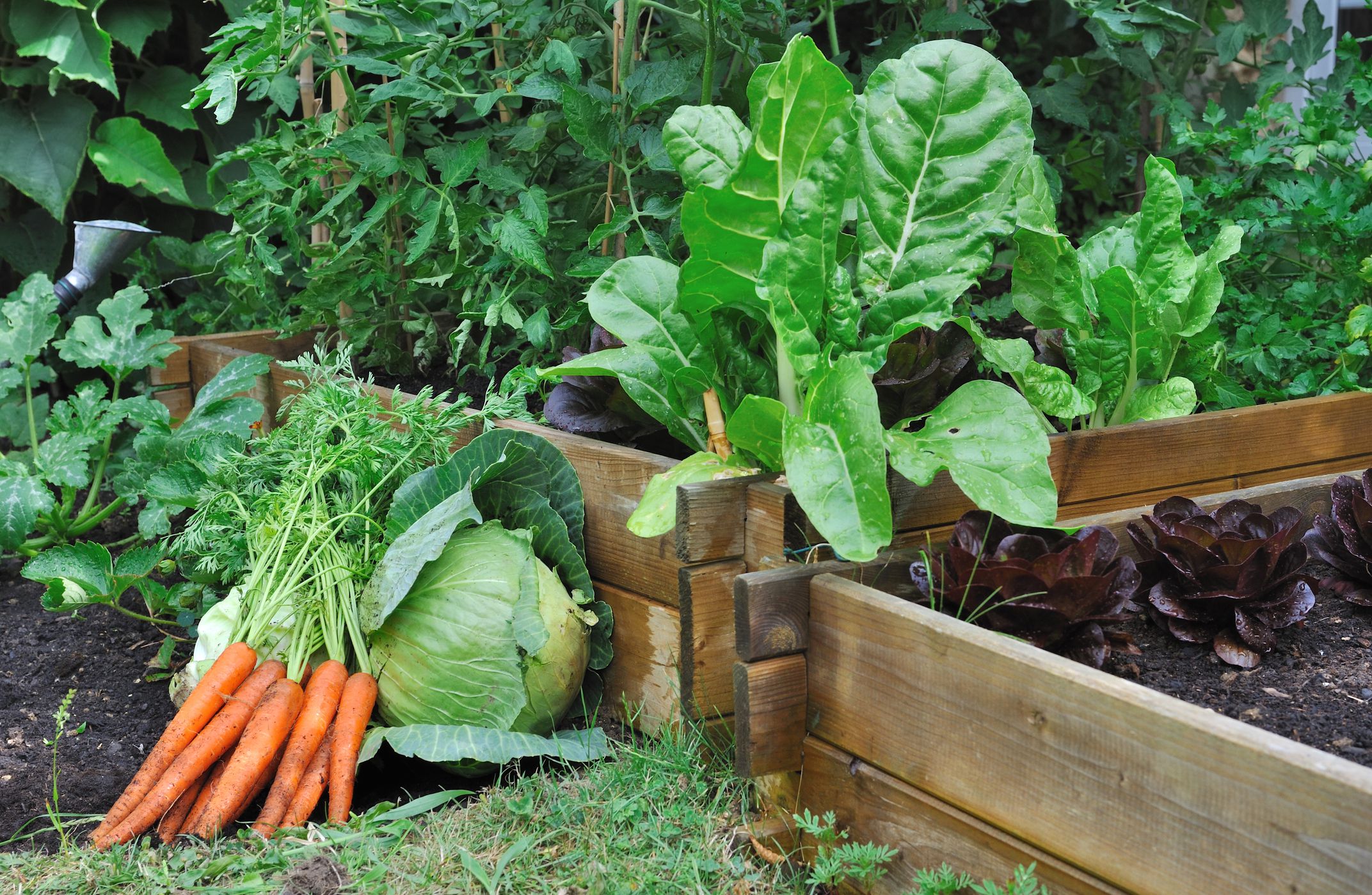
Building raised beds is another option for small spaces, especially if you don’t have healthy soil, or any soil at all. The soil in raised beds also heats up quicker in the spring, making them a good option for colder climates. You won’t need to waste space on pathways for walking through the rows either.
Growing in raised beds also gives you the option of rounding the soil to create more space. For example, if plot is 6′ across and you form the soil into a gentle arc, you can make as much as 7′ available for growing. While an extra foot doesn’t seem like a lot, the cumulative extra space can allow you to grow more plants.
sanddebeautheil / iStock
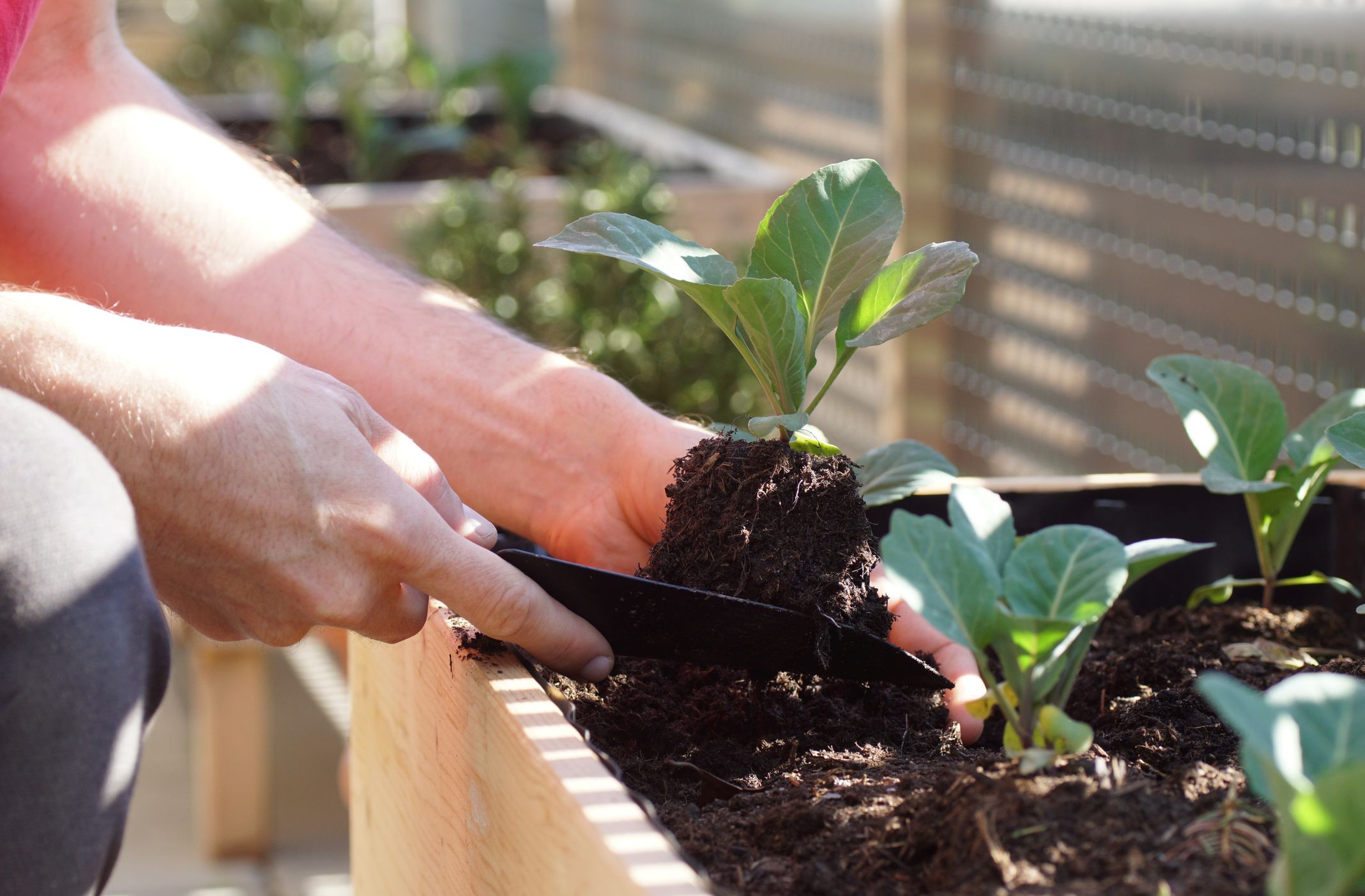
Pretty much anything can be grown in a container. If the sunniest spot (or only spot) available to you is the patio, back porch, or a city fire escape, consider switching to container gardening and growing your veggies in planters.
At minimum, a five-gallon pot is needed for fruiting plants like peppers, tomatoes and cucumbers. A pot with 12-inches in diameter is also preferable, and leaves room for plants to flourish, especially bushy ones like tomatoes. Keep in mind that, the bigger the container, the less often you’ll need to water.
Unlike house plants, plastic containers are better for container gardening than terra cotta/clay pots, which dry our much faster. Conversely, metal pots will cook the roots, but if you don’t get plentiful sunlight, black plastic will help retain some heat.
TG23 / iStock
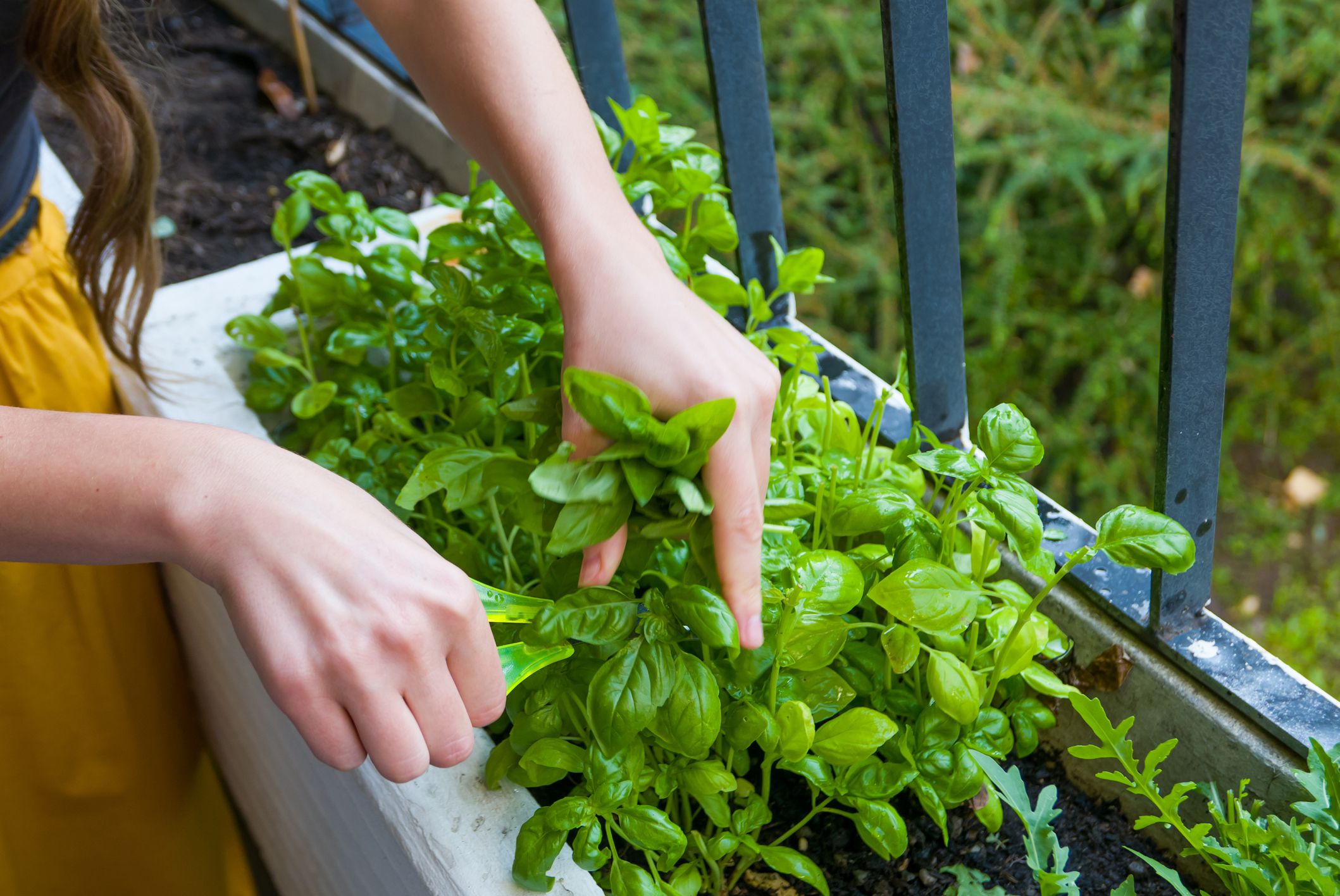
Plotting out individual plants ahead of time will prevent overbuying of seeds and help you determine how much fertilizer or soil to buy.
Think about where each seed or starter will go, with sunlight and the depth needed for each crop as main considerations. To fit more plants into a small space, try staggering the seeds or starts and growing in triangles rather than rows. Avoid crowding them, however; having more plants that are squished together will yield less produce than having fewer plants that can grow to their full potential.
Many gardeners have success with companion planning as well: growing multiple crops in one spot, typically pairing low-growing and taller plants.
Basil, for example, thrives underneath tomatoes that shield them from the afternoon sun. You can also plant vegetables that get harvested earlier – like spinach or peas – with slow-growing crops like peppers, which take over after the early crops are finished.
Darwel / iStock

Before getting seeds into the ground, make sure you can give your veggies everything they need to thrive.
ClaireLucia / iStock

Rich, healthy soil is crucial for a successful garden. A dark and crumbly soil is the goal, with a good mixture of all three components: sand, silt and clay. Find out the composition of your soil and make sure it’s not too gritty (sand), powdery (silt) or sticky (clay), and incorporate healthy soil if need be.
The nutrient content of the soil is just as important as its composition. Deliver more essential nutrients by spreading 2-3 inches of fresh compost over the beds a few weeks before planting in the early spring, then turning it under at least 6 inches below the surface (some gardeners spread it in the fall as well). Begin seeking out compost to use if you don’t make your own at home.
Alternatively, mix in worm castings (AKA worm poop) – using a bunch if you don’t have any worms in the soil – or liquid fish emulsion, which can be bought at most garden stores
If you’re growing in a raised bed, line the bottom with a few layers of newspaper, then add soil on top.
Depositphotos

Barring rainy weather, the average garden needs a thorough watering every few days. Plan how you will get water to your plants, as this might alter where you choose to grow things (for example, if your hose doesn’t reach around to the opposite side of the house, you might want to choose a closer location).
If transporting water from inside, make sure you’re realistic about how far you can carry it. Irrigating your crops with rainwater is another low-impact option if you have the space.
Bobex-73 / istockphoto

Unfortunately, smaller gardens can be more susceptible to pests and diseases. Rotating crops fights against fungus and pests, but this practice isn’t always possible in small plots. If you have an infestation or a serious fungal problem, it’s best to not grow that crop (or similar crops in the same family) for a year.
Water the soil instead of the leaves to prevent fungal problems, and water earlier in the day so the leaves dry out again in the sunshine.
If you do have pesky insects, pick them off by hand, or use one of the many natural remedies that deter bugs, like diatomaceous earth, aromatic herbs, neem oil or a spray of dish soap and water. To keep out other pests like rabbits and deer, surround plants with chicken wire or fencing, and push it at least 6 inches below the soil so burrowing animals can’t get underneath.
This article originally appeared on Ecowatch.com and was syndicated by MediaFeed.org.
Valeriy_G / iStock
DepositPhotos.com
Featured Image Credit: PhotoAttractive/istockphoto.