For many of us, ringing in the New Year on Dec. 31 involves much celebration and bacchanalia. For others, it happens in April and consists of paying respect to one’s elders.
The latter practice derives from how the new year is observed in Thailand, and indeed, customs dating back to the ancient world vary widely. So, on Jan. 1 you’re usually nursing a brutal hangover, read and learn about how different it could be if you celebrated the new year in Mesopotamia instead.
Image Credit: David Yu / Wikipedia.
Akitu
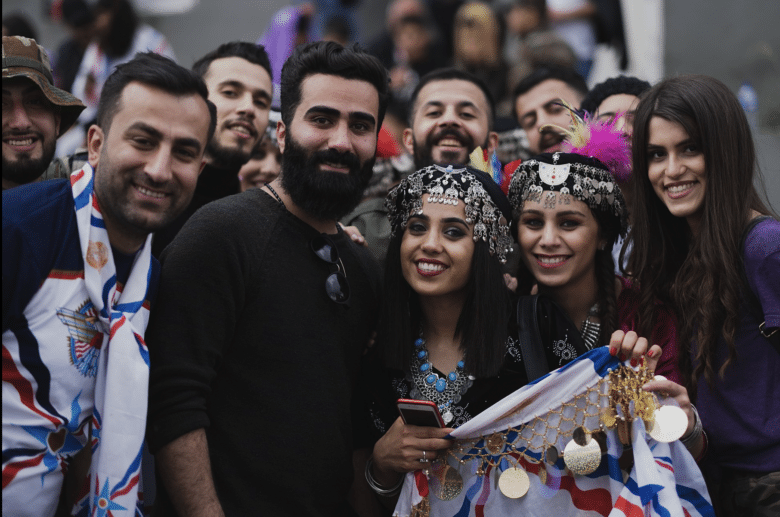
In Ancient Mesopotamia, the New Year’s observation was called Akitu, a festival lasting 12 days. During that time, citizens pledged devotion to the king and marched the streets bearing likenesses of the gods. The festival started during the first month of the year, and everyone would celebrate, including high priests and the king. After the third day, each of the remaining days would be spent differently, so on the fourth day, priests would tell creation stories while on the seventh day, a god named Marduk would fight the goddess Tiamat and become supreme god.
Image Credit: Levi Clancy / Wikipedia.
The two-faced god Janus
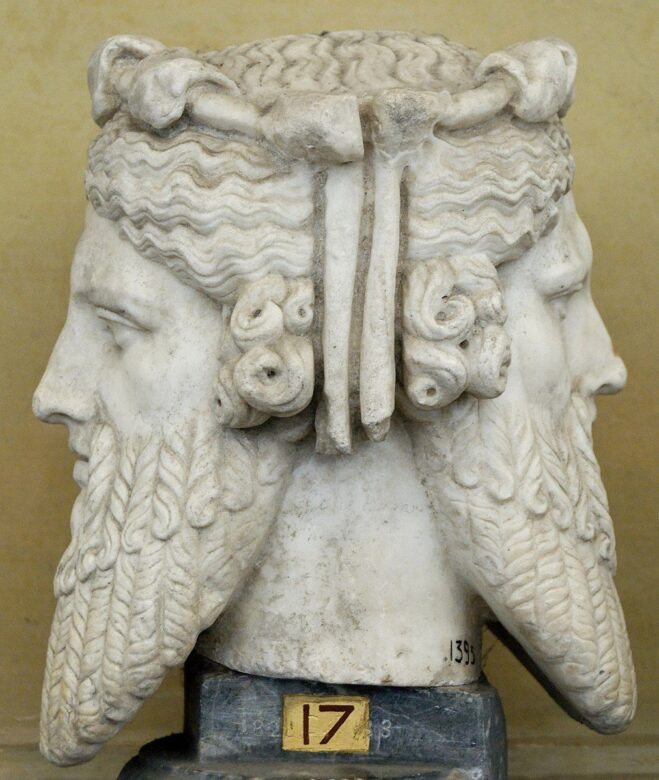
The Ancient Romans observed the new year in January, and it was a time for debauched celebrations. These involved feasts, the exchange of gifts, and the veneration of the two-faced god Janus, who used both faces to see the past and future simultaneously. The festival of Kalends was a display of the power of Ancient Rome, and in the city of Rome, it heralded the inauguration of new magistrates for that year. Across the Roman Empire, the army would swear oaths of loyalty to the emperor.
Image Credit: Marie-Lan Nguyen / Wikipedia.
Lunar New Year

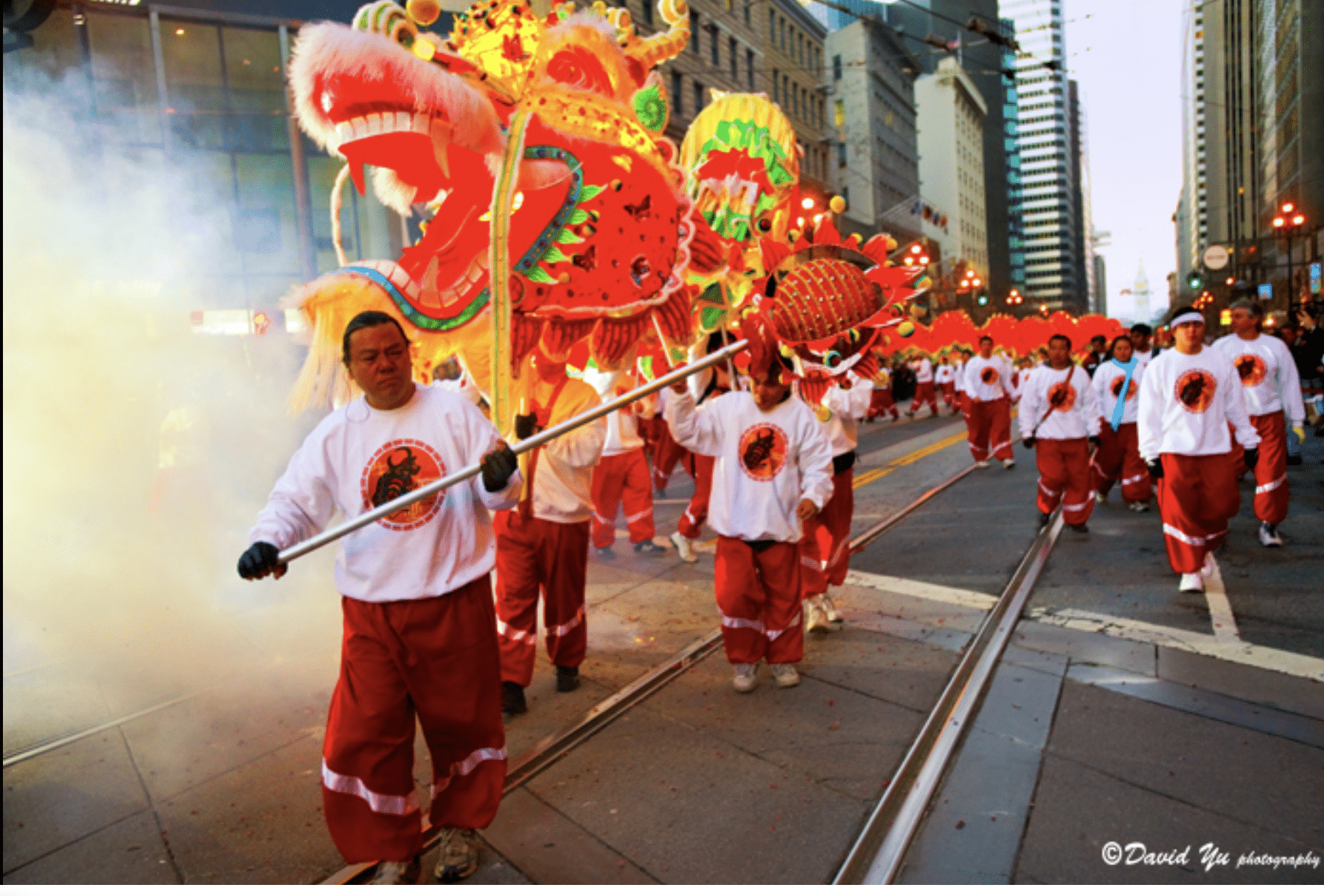
The Lunar New Year is observed during the first new moon of the lunar calendar. It’s frequently called the Chinese New Year despite being observed in numerous cultures. Those observing the holiday use it to honor ancestors, participate in dragon dances, and set off firecrackers constantly, which is bothersome to anyone within earshot. Red envelopes are distributed during Chinese New Year celebrations containing yasuiqian, which is money to ward off evil spirits.
Image Credit: David Yu / Wikipedia.
Nowruz
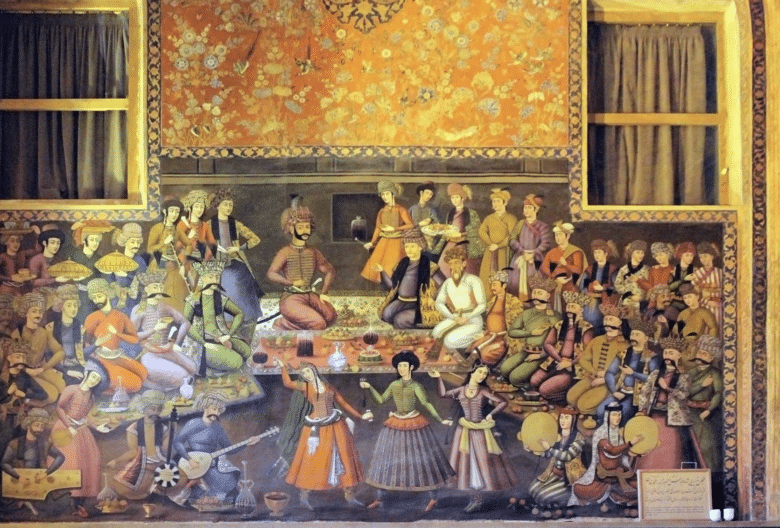
Nowruz dates back to the Persian Empire, and if you suffered through the 2007 movie “300,” then you’ll recall that was a long time ago. The Zoroastrian holiday is still observed today by numerous ethnic and religious groups and also functions as an observation of the spring equinox. In addition to visiting family and friends, it’s customary for people to clean their homes and buy new clothes to wear for the New Year, as well as buy hyacinths and tulips to spruce up the house. Isn’t this just glorified spring cleaning?
Image Credit: Mostafameraji / Wikipedia.
Rosh Hashanah

This oldie-but-goodie dates back to Old Testament days, which means it’s pretty darn ancient. The term “Rosh Hashanah,” which signifies the Jewish New Year, translates to “head of the year” and involves the blowing of the ram’s horn, known as the Shofar. Rosh Hashanah meals often include honey-dipped apples symbolizing a “sweet” new year, while others involve eating fish heads, per the prayer, “Let us be the head and not the tail.”
Image Credit: N100a / Wikipedia.
Songkran
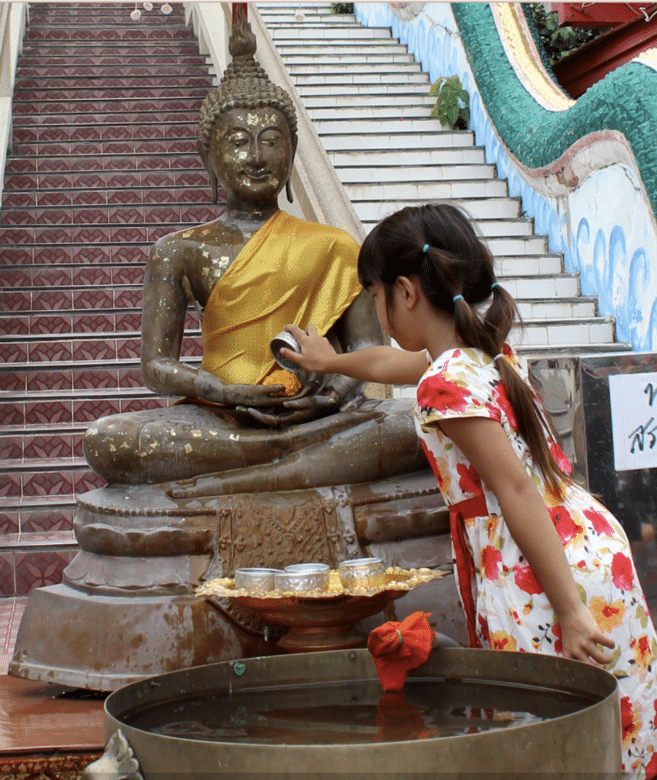
The term “Songkran” derives from Sanskrit, one of the oldest languages in recorded human history. It refers to the Buddhist calendar’s traditional New Year and is observed all over the Asian continent, including such far-flung countries as Bangladesh, Myanmar, and Sri Lanka. In Thailand it commences April 13 and lasts three days, though this can vary from area to area, and like Nowruz, it’s another New Year’s celebration that involves lots and lots of vigorous cleaning. So clean your house and your workplace from top to bottom for a sparkling clean Songkran.
Image Credit: Per Meistrup / Wikipedia.
New Rice Festival

Aluth Sahal Mangallaya dates back to ancient Sri Lanka and signifies the new year’s rice harvest. It says a lot about how lucky residents of the Western hemisphere are since their wishes for the New Year usually involve weight loss or a pledge to reduce alcohol intake, while people celebrating the New Rice Festival just hope they’ll have enough food in the coming year. During Aluth Sahal Mangallaya, after the first batch of new rice is picked, it’s offered to Buddha and other deities. After that’s happened – and only after that’s happened – can farmers harvest rice for themselves.
Image Credit: Kalinga Bulathsinghala / YouTube.
Navreh

Navreh is the Kashmiri New Year and is celebrated by Hindus in the former princely state of Kashmir, which is also the name of the best Led Zeppelin song. Kashmiri Pandits use the holiday to pay homage to Goddess Sharika, which takes place during the month of Chaitra in the Kashmiri Hindu calendar. On the night before the new year, priests give families religious almanacs and a scroll depicting a goddess, which are placed on a large plate with rice, flowers, walnuts, and other items, which are then covered. The following day, the plate is uncovered and all the goodies are viewed. Then everyone throws a walnut into the river.
Image Credit: Shivansh.ganjoo / Wikipedia.
Tsagaan Sar
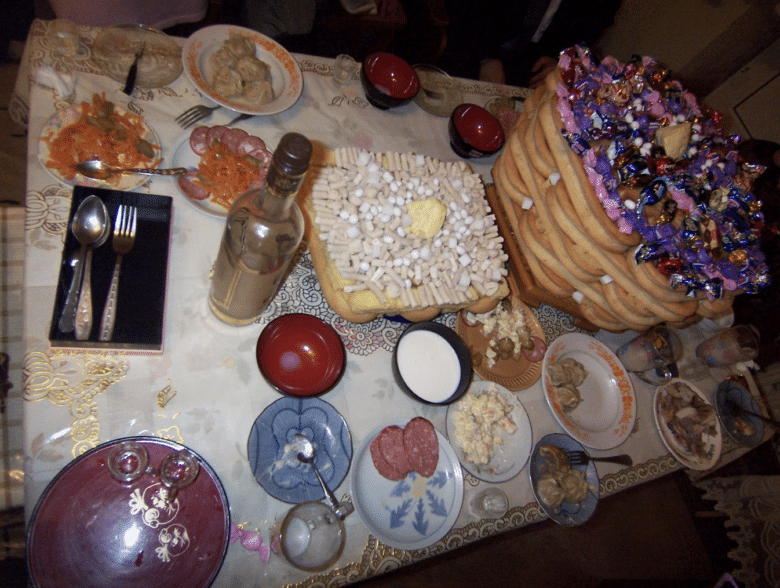
Dating back to Ancient Mongolia, Tsagaan Sar is a celebration of the lunar new year and translates to “White Moon.” The holiday is said to have shamanistic influences, although the people who observe it primarily exchange gifts and stuff their faces as we do in the United States. In Mongolia, families burn candles at an altar and greet each other by asking, “Are you living peacefully?” Typically, families will gather at the home of the oldest member of the family, dressed in full national Mongol regalia, and eat lots and lots of sheep. Also, on the night before, you’re expecting to do lots of cleaning. Is there nowhere in the world where you can have a sink full of dishes on New Year’s Eve?
Image Credit: Takeshi KITAYAMA / Flickr.
Omisoka
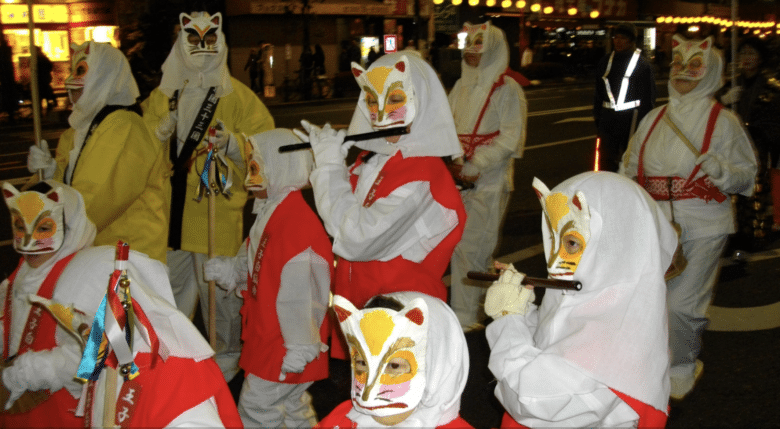
Omisoka is the Japanese New Year celebration, which involves feasting like so many other celebrations across the globe. Those celebrating it visit shrines where a bell is struck 108 times to sweep away human sin, and we’re legitimately curious how they decided on the number 108 for this particular rite. In the spirit of “out with the old, in with the new,” there are activities meant to close out the last year and welcome the new one, including paying back any debts, cleaning your house (again), and bathing. Let’s hope that last one happens more than once a year.
This article was produced and syndicated by MediaFeed.
Image Credit: Public Domain / Wikipedia.
More from MediaFeed
Weird world New Year’s Eve traditions
Like MediaFeed’s content? Be sure to follow us.
Image Credit: Maksym Belchenko/iStock.