
Pets bring joy to their owners, filling their homes and lives with an abundance of energy and companionship. But it’s also important to recognize pet ownership encompasses more than evening strolls and furry cuddles: It’s a financial and emotional long-term responsibility.
Outside of providing food and shelter, pets require routine healthcare and pet insurance, care providers and groomers, supplies, training and more. Delve into the costs, commitment and expectations of responsible pet ownership to determine if having a pet is a good choice for you and your lifestyle.
Image Credit: DepositPhotos.com.
Pet Ownership in the US

A growing number of families have pets in their households. Here are some fast facts about pet ownership in the U.S.
- Pet ownership in the U.S. has increased by 3% since 2019. Presently, 70% of households have pets. Most families prefer cats and dogs.
- Pet insurance premiums totaled $1.99 billion in 2020. Owners insured around 3.1 million pets by the end of the year.
- Total pet expenses reached $103.6 billion in 2020. The top three for dog and cat owners are veterinary surgeries, food and routine visits to the vet.
Image Credit: wundervisuals.
Are You Ready for a Pet?

Some people may get a pet without thinking through all it entails. Pet ownership requires a lot of responsibility, so you need to be ready to take it on before getting one. To determine if you’re ready for pet ownership, there are several factors to consider prior to getting a pet.
Image Credit: GlobalP / istockphoto.
1. Decide what kind of pet you want

One of the first things to consider is what kind of pet you’d like to get. While many families prefer cats and dogs, others lean towards exotic animals, such as parrots, lizards and snakes.
Image Credit: kozorog.
2. Research your pet’s needs

It’s important to know what your pet care will entail. Research how your new pet may impact your current lifestyle and budget, including caretaking when you’re at work and a monthly estimate for food, healthcare and shelter needs.
Image Credit: SouthWorks/ istockphoto.
3. Make time for your pet

Having a pet is similar to having a child. You can’t choose when to pay attention to it or cater to its needs. Pets need human interaction and exercise daily, so you’ll have to make time, even if you’re tired at the end of the day.
Image Credit: BartekSzewczyk / istockphoto.
4. Deal with the good and the bad

It always feels good to come home to a pet who’s excited to see you. But owning a pet isn’t all about the good times, it’s also about the not-so-great times. It may mean cleaning up after them, taking them to grooming appointments and walking them in all types of weather.
Image Credit: istockphoto/Kateryna Kukota.
5. Pet-proof your home

Some homes aren’t pet-friendly. Bringing a pet into your home may mean having to change your living conditions, such as putting up a fence or cutting off access to the pool, to ensure their safety.
Image Credit: Cunaplus_M.Faba / iStock.
6. Your finances are stable

Owning a pet can be expensive. You’ll have additional expenses from food, toys and visits to the vet. While having pet insurance is crucial, it also means paying for premiums. These are things that you’ll have to incorporate into your household budget.
Image Credit: DepositPhotos.com.
7. Discuss it with your family

A pet doesn’t just affect your life — it affects your family too. Are you and your spouse on the same page? Are your children old enough to respect pets? Discussing yours and your family’s expectations about the pet can establish what responsibilities and needs are necessary.
Image Credit: Depositphotos.
What to Expect as a Pet Owner

It’s important to know what to expect when you have a pet aside from companionship. It’s good to consider how pet ownership will affect your time, energy and finances. Taking a step back to review the positives and negatives pet ownership brings is a good idea before getting a pet.
According to the American Veterinary Medical Association, 85% of dog owners and 75% of cat owners consider their pets as part of their family. And it doesn’t come as a surprise. There’s no denying that there are several benefits associated with owning a pet. Besides much-needed companionship, your lifestyle and mental health can also benefit from having a pet.
Image Credit: Chalabala / istockphoto.
1. Pets provide companionship

Isolation and loneliness can often lead to early stages of depression. Some pet owners continuously talk to their pets, which allows them to establish a connection. People with pets are more likely to feel needed and wanted, which gives them a sense of purpose.
Image Credit: Pekic.
2. They can help you deal with anxiety

People with anxiety have difficulty enjoying life because they experience excessive, persistent and crippling worry about everyday scenarios. Being around pets lowers your cortisol levels, which results in less stress and anxiety.
Image Credit: DepositPhotos.com.
3. You can become more active with a pet

Of course, it doesn’t apply if you have fish (although even looking at an aquarium can lower stress levels), but if you have a dog, walking it can help both of you meet your exercise requirements.
Image Credit: DepositPhotos.com.
4. They can help you widen your social circle

Pet owners have an immediate common ground — their furry companions! It can make connecting and building relationships with other people easier.
Image Credit: gradyreese.
5. They create an established routine

Most pets require regular feeding times or an exercise schedule. A consistent pattern can work wonders for your pet’s behavior and it can help you cope with change and build healthy habits, too.
Image Credit: DepositPhotos.com.
The realities of pet ownership

Now that we’ve explored the various advantages of having a pet, it’s time to take a look at some of the challenges of pet ownership. Having a pet can be costly, time-consuming and require you to make some lifestyle changes.
Image Credit: Tetiana Soares / istockphoto.
1. Owning a pet may eat into your finances

Having a pet is expensive. Your budget will increase due to your pet’s needs: food, toys and healthcare. You should also consider purchasing pet insurance for preventive and emergency care, which adds to your expenses. It’s a good idea to factor these into your budget before you get a pet. It can give you a good idea of what you can expect.
Image Credit: humonia / istockphoto.
2. Your accommodation options may be limited

Some people travel with their pets. If you are one of them, you’ll need to make sure your accommodations are pet-friendly. Since not all places allow them, it may limit your options and require you to research and contact businesses to ensure you don’t experience any unforeseen complications at your destination.
Image Credit: DepositPhotos.com.
3. You can’t leave your pet home alone

If you have a pet, you can’t just pick up and go on a trip like you used to. Now, you’ll have to hire a pet sitter or have your pet boarded to ensure someone takes care of your pet while you’re away.
Image Credit: DepositPhotos.com.
4. Having a pet is energy-consuming

You can’t ignore your pet just because you’re tired — or even when you’re sick. Older pet owners might not have the energy to take their pets for a walk daily. If you know your schedule doesn’t leave you with a lot of free time, or if you’re not in the best health condition, you may want to consider getting a pet that doesn’t need as much exercise, such as a cat, bird or fish.
Image Credit: DepositPhotos.com.
How Much Does It Cost to Have a Pet in the US?

Dog owners spend an average of $1,201 each year. This amount can vary, depending on its size. In comparison, owning a cat means you’ll shell out an average of $687 annually.
The figures above only refer to annual or recurring expenses. Examples of these are food, treats, toys, vaccines and routine medical visits. You’ll need to build these into your household budget.
Initial costs happen when you first get your pet. Regardless of whether you go for a straight-out purchase or end up adopting it, you will have to pay a fee. Adoption costs anywhere between $50 to $200 while buying a pet can cost $500 to $1,000 or even more. Other initial costs include spaying/neutering services and microchipping. Once you’ve paid for those, you don’t need to worry about it anymore.
Besides these two, there are also some miscellaneous expenses to consider. These may not happen frequently, but you can’t take them out of the equation. Costs from boarding your pet when you go on long trips, training classes and accessories fall under this category.
Image Credit: Amazon.com.
Average Costs for Pet Owners

If you’re wondering how much it costs to have a pet, the answer is: It varies. Costs can fluctuate based on several factors, such as the type of pet you have, age, breed and size. For example, the bigger your dog is, the more costly it is to feed it. You’ll spend an average of $212 to feed a small dog and a large one can cost up to $400. Additionally, it is typically more affordable to have a mixed-breed pet than a purebred.
Image Credit: DepositPhotos.com.
Responsibilities of Pet Ownership

Pet ownership is a privilege. It’s easy to say you want one, but do you have what it takes to provide genuine, long-term care? The rewards of owning a pet come with responsibilities, ranging from providing your pets food and water to catering to their need to socialize. You must realize that not living up to your responsibilities can harm your pet, your neighbors and your finances.
Regardless of whether you have a dog, a cat or a more exotic animal, they all have basic needs. Proper pet care is part of your responsibility as an owner, and it demonstrates love and care to your pet. From providing the basics to ensuring they have a happy, full life, pet ownership requires dedication and continuous responsibility to your animal.
Image Credit: DepositPhotos.com.
1. Food

Choose food appropriate for your pet. Cats and dogs have different dietary requirements. You’ll also need to watch how much food you give. Overfeeding your pet may lead to obesity, resulting in health problems over time.
Image Credit: MattiaMarasco / iStock.
2. Water

Keeping your pet healthy also requires proper hydration. Your pet can survive a day without food but not without water. Also, ensure you change their water regularly to keep it fresh.
Image Credit: DepositPhotos.com.
3. Shelter

Don’t get a pet if you expect them to live outside. Pets need protection from extreme temperatures and should be kept safe from predators. Providing a safe, clean space for them to live is an essential part of pet care.
Image Credit: fongleon356 / iStock.
4. Exercise

Physical activity can help keep your pet alert and active. Long periods of inactivity can lead to behavior problems, such as getting into your trash or scratching your furniture. Sometimes, these are also signs that your pet is bored and needs stimulation and increased playtime.
Image Credit: DepositPhotos.com.
5. Socialization

Regular interaction with your pet helps build a stronger bond between you. For example, continuously exposing dogs to other dogs and people teaches them how to interact in the world and within dog packs appropriately.
Image Credit: Marina Vedernikova/ istockphoto.
6. Health
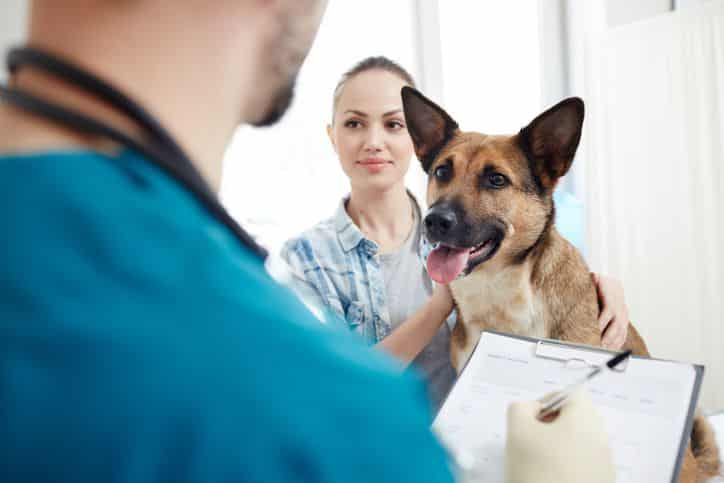
Part of caregiving is ensuring your pet is healthy. This means taking them to the vet for routine checkups. Some pets may also need medication — and it’s better to be preventative about these than to wait for health conditions to worsen.
Image Credit: shironosov / istockphoto.
Basic Needs: Average Costs

When considering the financial impact of owning a pet, it’s essential to detail and estimate your pet expenses so you determine your budget. Although there may be some costs that you could avoid (like accessories) or can’t predict (like an emergency), you can’t skip your pets’ basic needs.
- Food: Dog owners spend between $200 to $500 on food annually. Your cost varies, depending on its size. Cat owners shell out around $120-400 for cat food a year. If your pet has special dietary needs, it may increase your expenses even more.
- Shelter: Your cat’s litter box can cost between $10 and $200. If you want to add a bed, that can range from $20 to $100. A dog’s crate (or bed) can range from $25 to $250.
- Chew Toys / Scratching Post: A scratching post is often a cat owners’ answer for physical exercise. It can cost you between $20 to $75. Dogs exercise options are mostly free, but if you want them to have chew toys, you’ll have to spend $50 to $300 for them.
- Socialization: Some pet owners want to bring their pets everywhere, requiring a carrier. Carrying crates for dogs cost around $60, while those for cats can range from $20 to 75.
- Medical Check Ups: Routine visits to the vet can become very expensive, very quickly. Routine care (including vaccines) for cats usually cost anywhere from $110 to $500, while you’ll spend $80 to $250 for dogs.
Image Credit: depositphotos.com.
Making Costs More Affordable

There’s no denying it — owning a pet can be expensive. That said, there are several ways to manage expenses. Although you can’t skimp on basic needs, it is possible to find more affordable ways to get them without sacrificing your pet’s welfare.
- Buy in bulk: This works best when you’re buying food. Since you know it’ll be something you’ll keep purchasing, it’s best to stock up on it. Sometimes buying it wholesale can lead to a lower price.
- Coupons and compare: If you’re looking for bed crates, litter boxes or scratching posts, don’t buy the first one you see. Shopping around allows you to compare prices, find better deals and take advantage of retailer’s coupons and discounts. This can even apply to finding the right vet!
- Make adjustments: You may need to reassess your expenses in other parts of your life. Perhaps cutting back on your daily run to the coffee kiosk can help you set aside funds for your pet’s needs.
- Find pet-sitting pals: Arrange pet care with friends or neighbors who also have pets when you’ll be away for long periods of time or vacations. A pet sitter or boarder can be expensive, so if you can avoid it, do so.
- Do DIY grooming: Instead of taking your pet to a groomer, invest in grooming tools. Several sources, such as YouTube tutorials, can help you do it yourself. However, if it’s not your cup of tea, buy a brush and keep your pet well-groomed. You may still need to visit the groomer, but not as often as before.
Image Credit: depositphotos.com.
Medical Responsibility and Checkups

Part of being a pet parent is ensuring your pet stays healthy. This goes beyond purchasing quality food and getting in enough walks and dog park runs. If you decide to become a pet owner, you need to understand how important preventative care can be. You don’t want to wait until your pet is ill before getting into the vet. Be proactive and establish a good relationship with a vet office you and your pet like and maintain your agreed upon pet healthcare plan.
A routine visit helps your vet assess your pet’s overall health. During these visits, your vet will check your pet’s heart, lungs, stance, gait and weight. Your vet is examining your pet for any signs of possible health problems. Since pets cannot tell you outright if they’re unwell, this exam can help find symptoms early.
- Spaying/Neutering: During these procedures, your vet will remove your pet’s reproductive organs. When females are spayed, it prevents heat cycles and unwanted behaviors. When males are neutered, it reduces their inclination to roam. Sterilizing your pet also has a societal impact. It helps prevent pet overpopulation.
- Dental care: Pets also need oral care. Veterinary dentistry provides cleaning, filling, extracting or repairing of your pet’s teeth. Typically, your vet should check your pet’s teeth at least once a year. Dental problems often result in irritable behavior in pets, so any change in demeanor usually warrants a visit to the vet.
- Parasite control: The most common pet parasites are fleas, heartworms, roundworms, hookworms and tapeworms. Your vet’s services should identify ways to prevent parasites from accessing your pet’s system, which could potentially create deadly conditions. Some parasites can transfer to humans.
- Vaccinations: Vaccines protect your pet from common and contagious diseases. Without it, your pet is more likely to contract an illness that could be potentially deadly. Your vet provides you with a vaccine schedule which details what your pet needs. Details like where you live and your lifestyle is part of your vet’s consideration.
Image Credit: istockphoto/Ridofranz.
Average Costs of Medical Checkups

Medical care for pets is crucial for their overall well-being, but pet owners have to be ready for its potential impact on their finances. Having a general idea of these costs allows you to set aside funds and make better financial decisions.
- Vaccinations: Vaccinations can range from $10 to $100.
- Spaying and Neutering: Neutering is more affordable than spaying. You’ll spend anywhere between $50 to $100 for the former, and the latter ranges from $100 to $200.
- Dental Care: Having your dog’s teeth cleaned can cost anywhere between $300 to $700. It includes procedures like X-rays, teeth scaling and polishing. The cost of dental care is affected by factors such as your location, your dog’s age and size.
- Routine Vet Visits: According to Wellness Pet Company, an annual visit to the vet can cost from $200 to $300 for dogs. You’ll spend a little less for cats — a regular visit can cost anywhere from $90 to $200.
- Flea and Tick Control: You may spend anywhere from $40 to $200 annually for flea and tick control. Costs may change depending on the product your vet uses and the size of your dog.
Image Credit: istockphoto/Ridofranz.
How to Keep Your Pet’s Medical Costs Low

The amount of money you can spend on your pet’s medical care can be overwhelming. There are several strategies that can lower your pet’s medical expenses.
- Don’t skip your annual exam. Yes, you’ll have to shell out money for this, but it’ll help you detect possible health problems early. It’ll end up cheaper than trying to cure a full-blown health issue.
- Personalize your pet’s shots. You don’t have to get all the vaccines your vet offers. Identify which ones are optional and make sure you get the ones mandated by state law.
- Spaying/Neuter your pet. This procedure can prevent deadly diseases down the road like testicular and breast cancer. You can look for local shelters that provide low-cost or no-cost surgeries.
- Feed them quality food. Think of high-quality food as an investment. It may be more cost-effective than homemade grub. Avoid overfeeding your pet. Obesity often leads to other health conditions.
- Quit smoking. Secondhand smoke impacts your pets, too. It can cause multiple conditions, such as allergies, asthma, bronchitis, eye infections and lymphoma. It may also lead to several types of cancer, the most common being oral, lung and nasal.
- Consider pet insurance. Purchasing coverage for your pet means paying premiums per month, but it can help with expenses if your pet is seriously ill or injured. If you want routine visits covered, look for a policy that includes a wellness plan.
Image Credit: JBorruel / iStock.
Should You Purchase Pet Insurance?

Sometimes, no matter how much we take care of our pets, the worst happens. Either they develop a severe illness or are seriously injured. Usually, it’s only when things like these happen that pet owners realize how vital pet insurance is. Unfortunately, unless you invested in it while your pet was in good health, you’ll have to shoulder the necessary expenses out-of-pocket.
The average monthly cost of pet insurance is $27.59 for dogs and $14.96 for cats. It’s a small price to pay for the assurance of coverage against unexpected expenses. Plans are typically customizable, so you can design your plan to fit your budget.
Image Credit: depositphotos.com.
Why Pet Insurance is an Excellent Investment

- It gives you peace of mind. Having pet insurance prepares you for situations when your pet will need serious medical attention. You won’t have to worry about limited services due to financial constraints.
- It covers all veterinarians. Unlike health insurance plans, where your coverage only extends to doctors or hospitals within your network, pet insurance protection applies, regardless of the vet clinic you choose.
- It helps you maintain your savings. Without coverage, you’ll have to pay for medical expenses out of pocket. These can quickly accumulate and put a significant dent into your savings. Having pet insurance prevents all these as your insurer can help you with healthcare costs.
- It can be budget friendly. Different insurers offer various insurance plans. Remember, the more protection you have, the higher the premium becomes. Conversely, if you know you’re on a budget, you can choose your coverage without the extras.
- You can add on coverages. Besides covering illnesses and accidents, some pet insurance plans also protect you against the theft or loss of a pet. You may even add coverages that protect your pet during overseas travel and third-party liabilities.
Image Credit: depositphotos.com.
Training and Socialization for Pets

More than providing your pet with the proper nutrition, adequate exercise and preventive healthcare, part of being a responsible pet owner means having your pet undergo training and socialization. Pets don’t exist in a vacuum — you’ll eventually expose them to other people and animals. Socialized pets are less likely to become a danger to others and themselves. Training classes help your pets become better behaved.
- Positive well-being: You can bring pets that have completed training and socialization in public places without worrying about them demonstrating problematic behavior.
- Teaches basic commands: Commands like “sit” and “stay” aren’t just for our amusement — it’s for your pet’s safety. You also establish your role as pack leader when you use these, strengthening the bond between you and your pet.
- Helps develop social skills: Training and socialization can help your pets not fear being handled, so that they won’t respond aggressively. It also teaches them what behaviors you expect from them. Well-adjusted pets are more comfortable with their environment, which is critical, especially if you have children.
- Gives them confidence: Even pets experience separation anxiety. Pets prone to this are more likely to display destructive behavior after you leave the house. Training and socialization classes can help them cope with changes in their environment.
Image Credit: bluegame / istockphoto.
Average Training Costs

On average, training for pets ranges from $40 to $400. Among different pet owners, it’s those who have dogs who typically invest in training classes. There are several types of training classes you can use for your pets. These affect how much you pay.
- Private Training: These classes are typically done one-on-one. You can choose to have it at the trainer’s venue or your home. It can range from $90 to $400 per hour.
- Group Training (Socialization): You’ll spend $150 to $300 per session or course for socialization classes. Your pet becomes part of a small group, usually six to 10 dogs. These can have various focuses — some are for basic dog commands, while others can help pets with aggressive behaviors. There are even classes that focus on agility.
- Board and Train: Sometimes, your pet may have major behavior concerns and home training may not be effective. You can enroll it to a training camp, which means your dog will be separated from you for days or weeks. Once they come back, it’ll be your responsibility to continue reinforcing what they learned. These classes can cost anywhere from $1,000 to $2,500 for a two-week course.
- Online Training: A relatively new option is online training classes. These cost from $90 to $350 per class or course. You participate in online courses through auditing, online forums and a working spot (where you submit video recordings to receive feedback from a certified trainer).
- Specialized Training: You can enroll your pet to specialized classes so they can learn unique skills. You’ll spend $250 to $300 to have your pet trained as a therapy dog and around $25,000 as a service dog.
Image Credit: Wuf.
Cost-Effective Hacks for Pet Training

Procuring the services of a certified trainer makes pet training convenient — you won’t have to do the legwork yourself. However, whatever the pay-off is, it’s going to cost you. If you want to find affordable alternatives, the following are some ideas you can try.
- Take your pet out for a walk or run: Dogs, in particular, have a lot of energy to expend. If they don’t have an outlet, it’ll manifest in annoying behaviors such as excessive barking, digging and chewing. It won’t solve all behavior problems, but you may notice improvements in your pet’s demeanor.
- Strike a deal with a new trainer: If you know someone who’s trying to get into the pet training business, you may be able to get lower rates. Or negotiate a deal that involves him providing his services in exchange for a review. If you have other pet lovers in your circle, they may even help you out of their own volition.
- Hit the library: There are a lot of resources that can help you train your pet on your own. Experts have published books and certified trainers have released videos. You can purchase all of these, but a more affordable alternative is checking out what’s available in your local library. You may find the same resources for free.
- Consider clicker training: Harness the power of positive reinforcement. You can buy a clicker for as low as $2 from an ordinary pet store. You use it to mark a positive behavior and follow it up with a treat. Over time, your pet will associate the behavior with the treat, encouraging them to repeat it.
- Find low-cost training in local animal shelters: You may be able to find cheaper training classes and seminars. You may also meet on-site trainers who can answer questions about pet behavior at no cost.
Image Credit: DepositPhotos.com.
Social Responsibilities of Pet Owners

You have to consider the impact of your pet on your neighbors and community. Part of your social responsibility is to ensure your pet is microchipped and registered. It benefits you in the long-run since it can help you find your pet if it gets lost. Other social responsibilities revolve around keeping your pet under control in public places and ensuring it’s confined when at your home.
- Make sure your pet is IDed: Sadly, missing pets aren’t a rare occurrence. If your pet has ID tags (or, better yet, is microchipped), you’ll have a better chance of being reunited with them. Out of the animals without identification in shelters, only 15% of dogs and 2% of cats are found by their owners.
- Have your dog licensed: Most states have laws that require your pet to be licensed — cats and dogs need to be registered once they’re three-months-old. Not only does it help you find your pet if it goes missing, but a license also proves that your dog is safe. That’s because it can’t be licensed unless it’s vaccinated.
- Secure your pet on your property: Your home must abide by the requirements that allow you to confine your pet within the premises. These include having a closed gate and fence tall enough that your pet can’t jump over it. It must also be installed in a way so that dogs cannot dig under it as a means of escaping.
- Clean up after your pet: If you’re taking your pet to a public place, make sure you have pet waste supplies. It’s your responsibility to clean up after your pet and dispose of its waste appropriately.
Image Credit: krblokhin / iStock.
Getting Exotic Animal Liability Insurance

Although most pet owners prefer to have cats and dogs, others opt for having exotic animals. When you think about exotic pets, most people think of snakes and tarantulas. You might be surprised to find out that some birds, gerbils and rabbits also fall under this category.
Exotic pets may have more unique healthcare requirements and need vets with specialized knowledge. It means that it’s best to have pet insurance. Plans also include third-party liability coverage, which can help you with expenses if your pet causes harm to someone. Claims extend to situations wherein your pet may pose a danger to people, property or other animals.
Image Credit: DepositPhotos.com.
Leaving Your Pet Alone At Home

Although most pet owners prefer to take their pets with them during trips, it isn’t possible all the time. In situations when you need to leave your pet home, part of your responsibility includes ensuring that it’ll remain safe and well-taken cared for in your absence.
You have several options to ensure this happens and the following can help you come up with a plan if you need to be away for an extended period of time.
- Leave them with loved ones: One of the most affordable options is to have either a trusted neighbor, a friend or a family member take care of your pet. You’ll be more comfortable granting them access to your home since you already have an established relationship. If you choose to leave your pet with them, ensure that their homes are pet-friendly.
- Hire a pet-sitter: Pets, whether cats or dogs, are most comfortable in their home environment. Having a pet-sitter come over regularly provides the necessary interaction for them. Simultaneously, they remain relaxed in their environment.
- In-home pet boarding: It’s a variation of having a pet-sitter, but instead of her coming over to your home, you’ll drop off your pet at her place. In-home boarding typically has several pets boarded at a time, giving your pet an opportunity to socialize. Another advantage is security — you won’t have to give your house keys to anyone.
- Kennels or Catteries (Traditional Boarding): These are the typical places pet owners bring their pets when they vacation. While checking your options, look for a kennel or cattery that the Pet Care Services Association certified. You should also call ahead and make a reservation to ensure they have space for your pet.
Image Credit: svetikd.
Establishing a Pet Emergency Fund

Unforeseen costs can throw a wrench in your budget. Whether it’s an emergency vet visit or repairs to your dog run, these expenses can take your budget off-track. Having funds set aside can ensure that you won’t need to dip into your savings too much, too often.
- Your estimate of pet ownership was inaccurate: 78% of pet owners think owning a pet is more affordable than it really is. Having an emergency fund ensures you have something to use if you find yourself strapped for cash.
- You don’t have pet insurance: If you’re not covered, you’ll have to shoulder all emergency medical costs. Preventive Vet estimates emergency vet visits to cost anywhere from $475 to $1,080. And these figures don’t even include treatment.
- Some medical procedures are beyond your coverage: Having pet insurance can help you manage your finances. But even if your policy covers up to 80% of your expenses, you’ll still have to shoulder some of it. If the total cost of the procedure exceeds your limits, you’ll have to pay the difference out-of-pocket.
- Your circumstances impact your pet budget: The expenses of having a pet don’t stop even if you experience significant life events. For example, if you lose your job, you’ll still have to find ways to buy food and pay for visits to the vet. Having a pet fund can help you with those.
Image Credit: Patrick Honan / iStock.
How Much Should You Set Aside?

Start your emergency pet fund with around $1,000 to $2,000. It may sound like a lot, but you’d be surprised how fast it may go.
Look at it this way: Let’s say your insurance policy reimburses up to 80% of covered expenses and you have a $250 deductible. If you have a $5,000 bill, you still have to shell out $1,200. A different plan — one with a $100 deductible and an 80% reimbursement limit — requires you to pay $580.
Image Credit: Sandy L Smith.
Resources for Pet Owners

Pet ownership requires a lot of thought and research. The following resources can help you find your future pet, learn more about the costs of owning a pet and budget accordingly.
Image Credit: LeitnerR / iStock.
Find a Pet

- PetSmart’s Find a Pet: PetSmart’s locator can help you find your ideal pet. Whether you’re looking for a dog, a cat or something more exotic, you can use its tool to narrow down your search in your area.
- Adopt a Pet Through PetSmart: Adopting a pet is also an option for first-time pet owners. You can adopt through PetSmart or other adoption centers using this locator tool to help you find a nearby PetSmart store or an adoption center to adopt a pet.
- The Shelter Pet Project’s Pet Search: The Humane Society of the United States and Maddie’s Fund partner together to educate people and break down misconceptions about pet shelters. Adoptions centers aren’t the only places where you can find a pet. You can find a shelter near you and see if your future furbaby is there using their “Pet Search” tool. It also provides you with adoption fees.
Image Credit: DepositPhotos.com.
Pet Calculators

- Cost of Owning a Dog Calculator: First-time pet owners tend to underestimate how much a dog can impact their finances. See how much you’ll need to budget with Omni’s pet expense calculator. You can also add your dog’s size into its calculator. Omni has other pet calculators you can use to help you budget and plan for your new pet.
- Dog Size Calculator: Several factors affect your pet expenses. If you own a dog, their size often determines how much you spend on food. Omni’s dog size calculator can help you predict your puppy’s adult weight.
- Pet Food Cost Calculator: Clinical Nutrition Service has a pet food cost calculator at the end of its article. You can calculate your pet’s daily, weekly and monthly feeding costs to help you budget.
- Calorie Counter for Dogs & Cats: Pet Nutrition Alliance has calorie counter calculators for both dogs and cats to help keep your pet within a healthy weight. Its calculator also provides estimated initial daily calories and a suggested feeding amount.
- Veterinary Cost Calculator: Animal Advocate Pet Hospital’s cost calculator helps you estimate your general exams, vaccines and dental procedures. You can calculate costs for multiple pets, exam sessions and the number of vaccinations.
Image Credit: depositphotos.com.
Financial Assistance Programs and Services

- Low-Cost Spaying and Neutering Clinics: PetSmart’s “Find a Clinic” tool can help you find low-cost spay and neuter clinics. It also provides reasons to spay and neuter your pet, such as preventing unwanted puppies or kittens and lowering the risks of diseases.
- Waggle: For pet owners struggling with veterinary expenses, Waggle lets you create a fundraiser to help you pay for your pet’s needs. Waggle also partners with social media influencers, celebrities and nonprofit organizations, which can help you get grants and sponsorships.
- The Magic Bullet Fund: The Magic Bullet Fund helps pets with a cancer diagnosis get the financial assistance needed for treatment. You can apply for financial assistance through its website. Or, if you would, you can donate to a fund to help someone’s pet.
Related:
This article
originally appeared on MoneyGeek.com and was syndicated
by MediaFeed.org.
Image Credit: DepositPhotos.com.
More from MediaFeed

Why a frugal lifestyle is powerful, painless & fun
Image Credit: Georgijevic.