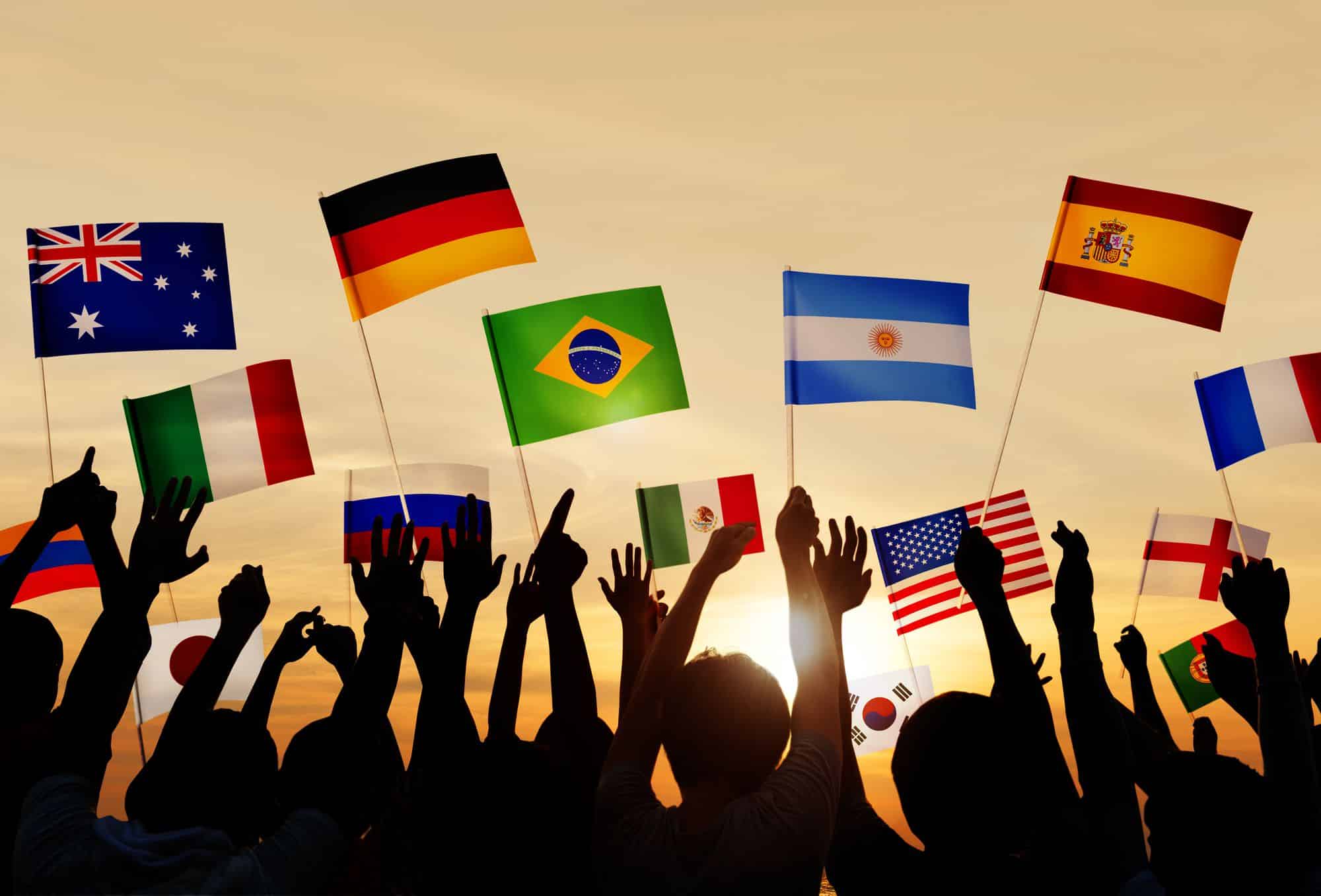
Discover the world through its colors and symbols. From the land of Pharaohs to the land of the midnight sun, every flag tells a story. Embark on a vibrant journey as you match flags to their countries and uncover the tales they weave.
Image Credit: Depositphotos.com.
This country’s flag is a powerful symbol of national pride with deep historical roots.

Image Credit: Wikipedia.
Answer: Mexico
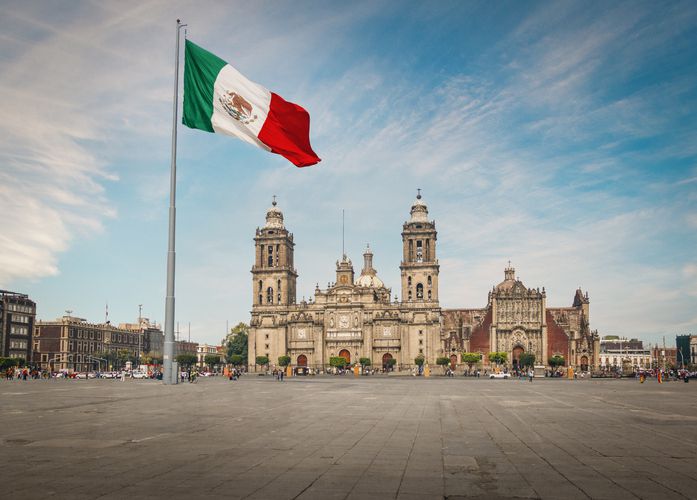
The central emblem is based on the Aztec symbol for Tenochtitlan (now Mexico City), the eagle is a symbol of the sun and the strength of the Mexican people, the snake represents their enemies, and the cactus signifies the challenges they face. This flag reflects the rich indigenous heritage and the resilience of its people.
Image Credit: diegograndi/istockphoto.
This country’s flag colors are taken from the coat of arms of the Duchy of Brabant, and the vertical stripes were influenced by the French Tricolour.
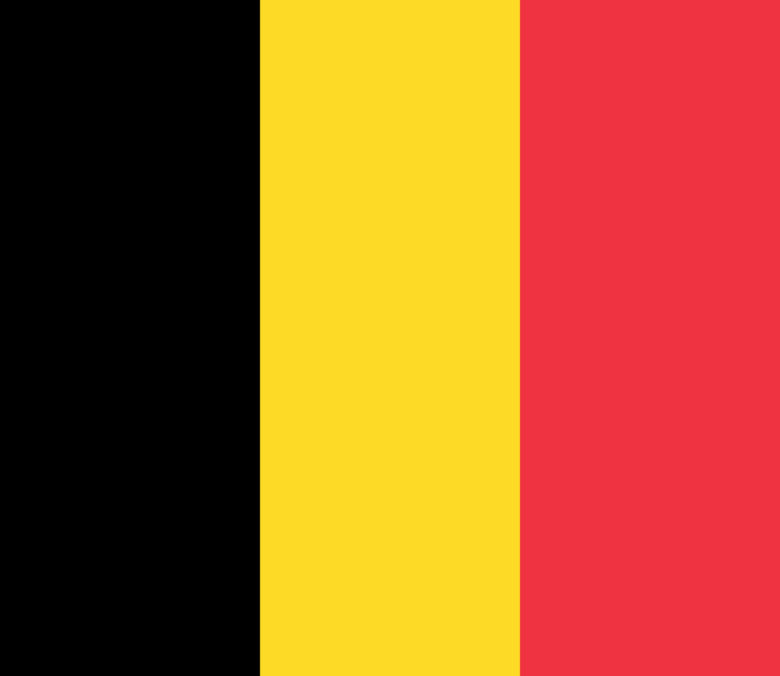
Image Credit: Wikipedia.
Answer: Belgium

The black, yellow, and red colors represent the country’s diligence, wealth, and the sacrifices made by the people. It embodies Belgium’s reputation for high-quality chocolate, a rich history in arts and architecture, and its diverse cultural composition.
Image Credit: Depositphotos.com.
This country’s flag features five horizontal stripes of blue and white, with a red equilateral triangle at the hoist bearing a five-pointed star.

Image Credit: Wikipedia.
Answer: Cuba

The blue stripes represent the three old divisions of the island, the white signifies purity and independence, the red triangle stands for equality, fraternity, and freedom, and the star symbolizes absolute freedom among the people.
Image Credit: Depositphotos.com.
This country’s flag is steeped in history, with the star and crescent being a part of their tradition for centuries.

Image Credit: Wikipedia.
Answer: Turkey

The red color commemorates the sacrifices made by Turkish soldiers in defense of their country, while the white star and crescent are symbols of the nation’s commitment to its Islamic heritage and to being a guiding light for other nations.
Image Credit: Depositphotos.com.
This country’s flag, known as the ‘Tricolour,’ symbolizes the Republic’s values of liberty, equality, and fraternity.
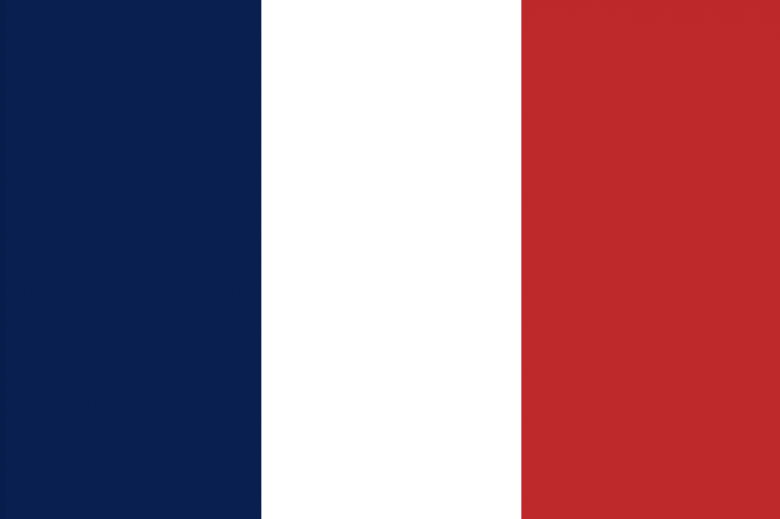
Image Credit: Wikipedia.
Answer: France
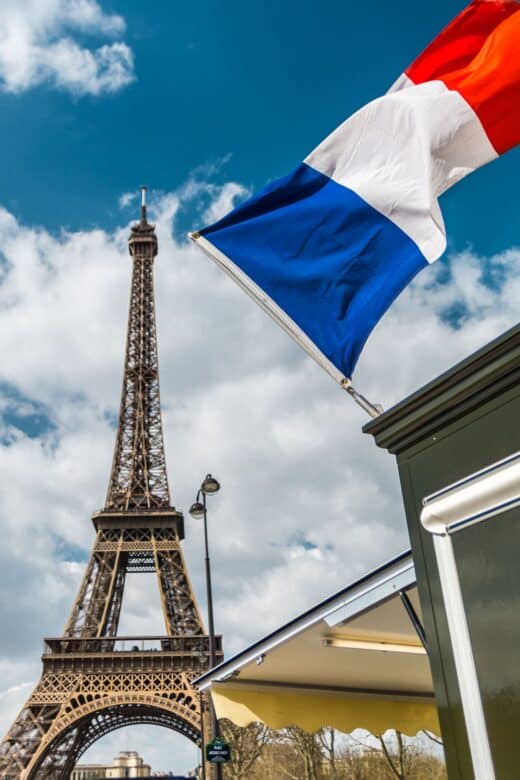
The blue and red are the traditional colors of Paris, while the white was the color of the Royal House of Bourbon. This flag has come to represent France’s influence on the arts, philosophy, and cuisine worldwide, reflecting a nation known as much for its revolutionary spirit as its cultural elegance.
Image Credit: Depositphotos.com.
This country’s flag incorporates traditional Maasai colors and symbols.

Image Credit: Wikipedia.
Answer: Kenya

The black represents the people, red symbolizes the bloodshed in the fight for independence, green stands for natural wealth, and white for peace. The Maasai shield and spears signify the defense of all the things the flag represents.
Image Credit: Depositphotos.com.
This country’s flag features the Star of David, sandwiched between two blue stripes representing the Tallit.

Image Credit: Wikipedia.
Answer: Israel

The white color symbolizes peace and purity. It reflects the deep spiritual connection of the Jewish people to their land and their enduring hope for peace in the region.
Image Credit: Depositphotos.com.
This country’s flag symbolizes its struggle for freedom.

Image Credit: Wikipedia.
Answer: Vietnam
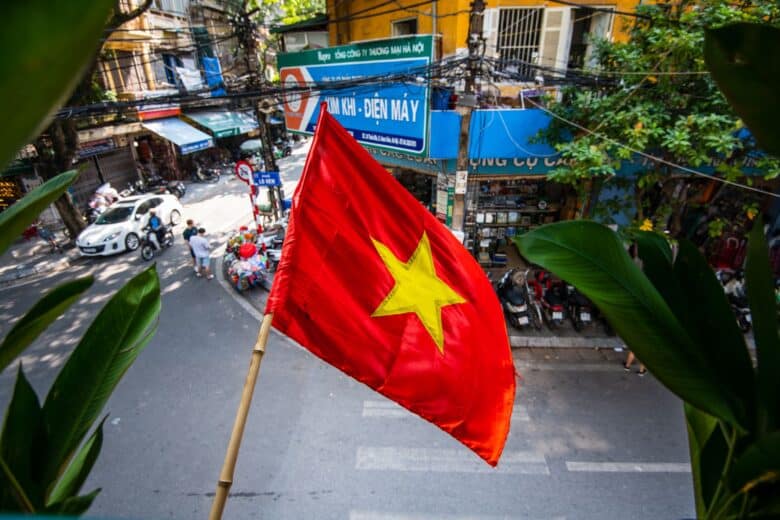
The red of Vietnam’s flag represents the bloodshed during the wars for independence, and the gold star represents the five main classes in Vietnamese society—intellectuals, farmers, workers, businessmen, and military personnel—united in building socialism.
Image Credit: Depositphotos.com.
This country’s flag features a unique design and a striking combination of colors

Image Credit: Wikipedia.
Answer: Portugal

On the hoist side, you’ll find a green band taking up two-fifths of the flag, symbolizing hope and the future. The remaining part is a deeper red, representing the blood of those who died serving the country. Shielding the transition between these two colors is the Portuguese coat of arms, centered over the boundary. This coat of arms, with its navigation instruments and armillary sphere, pays homage to Portugal’s age of discovery and its maritime history. The red shield with its seven castles and five blue shields featuring five white dots each, recalls the victories of the first king of Portugal, Afonso I, and the divine assistance they believed to have received in the Battle of Ourique. The flag, adopted in 1911 after the establishment of the republican regime, speaks to the resilience and explorative spirit that define Portugal’s past and guide its future.
Image Credit: Depositphotos.com.
This country’s flag carries a sun symbol, known as the ‘New Sun of Liberty,’ adopted after winning its independence.
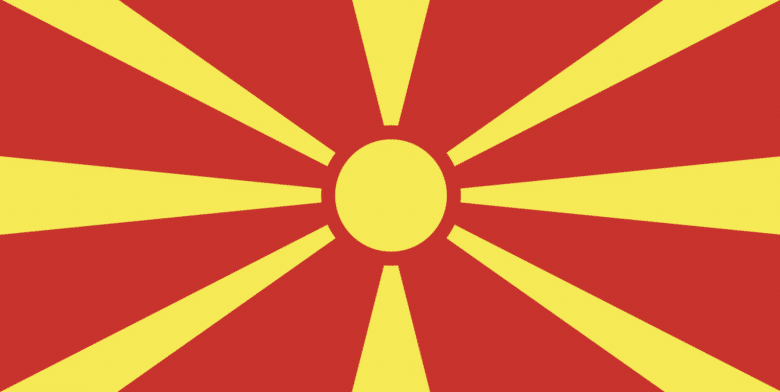
Image Credit: Wikipedia.
Answer: North Macedonia
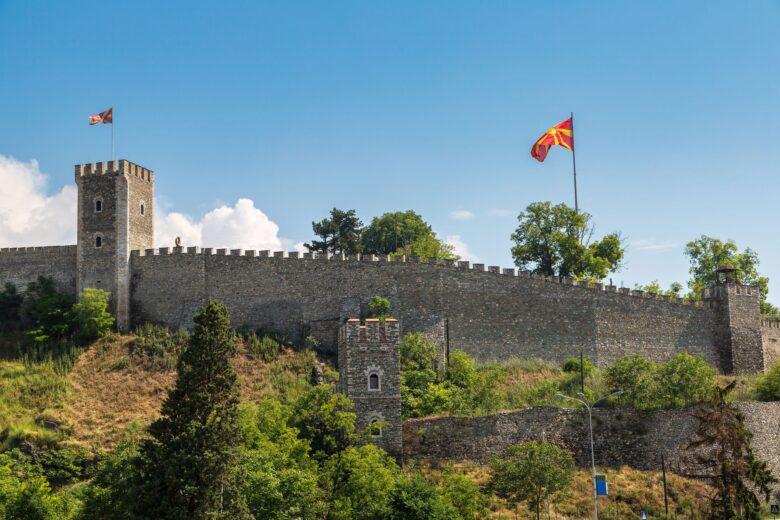
The eight rays of the sun represent the freedom and the start of a new era. Red and yellow are traditional colors, showcasing the nation’s historical link to the ancient empires and its aspirations for a bright future.
Image Credit: Depositphotos.com.
This country’s flag, known as ‘Sang Saka Merah-Putih’ (loosely translated as ‘The Sacred Red and White’), resembles the country’s history and independence.

Image Credit: Wikipedia.
Answer: Indonesia

The red stands for courage, while the white represents purity. It’s a flag that underlines the country’s philosophy of dualism, balancing the spiritual and the physical.
Image Credit: Depositphotos.com.
This country’s flag depicts the Southern Cross constellation, which holds significance for the Maori people and represents the country’s location in the South Pacific.
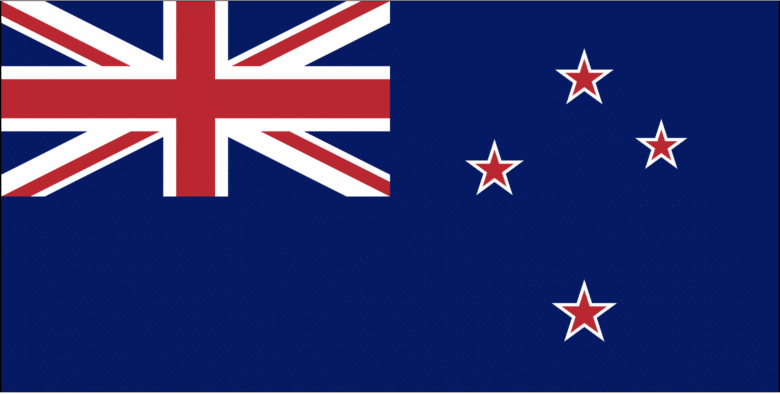
Image Credit: Wikipedia.
Answer: New Zealand

The Union Jack denotes New Zealand’s colonial ties to Britain, and the blue background symbolizes the sea and sky surrounding the island nation.
Image Credit: Depositphotos.com.
This country’s flag closely resembles that of the United States, reflecting its historical ties with the country as a nation founded by freed American and Caribbean slaves.

Image Credit: Wikipedia.
Answer: Liberia

The 11 stripes represent the signatories of the Liberian Declaration of Independence, red and white symbolizing courage and moral excellence. The single white star on the blue square stands for the freedom the ex-slaves were given and Liberia’s status as the first independent republic in Africa, shining a light of liberty and democracy.
Image Credit: Depositphotos.com.
This country’s flag, with its nine stripes, represents the syllables of the phrase “Freedom or Death,” a motto during the war for independence.

Image Credit: Wikipedia.
Answer: Greece
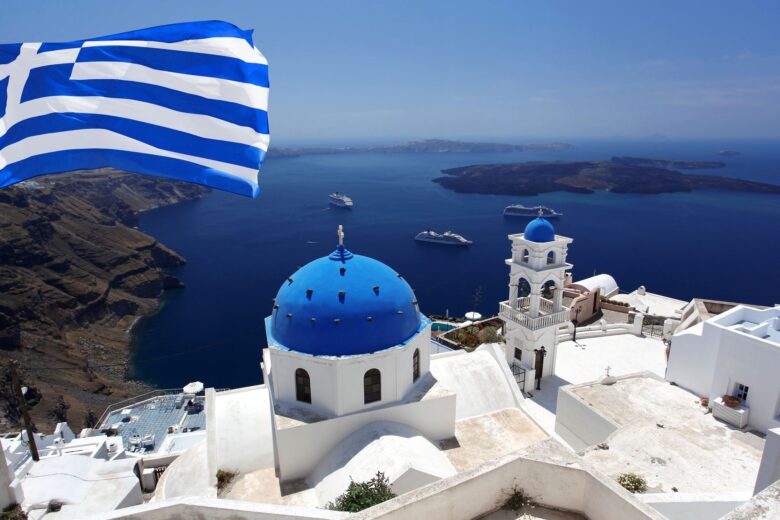
The blue and white colors are reminiscent of the clear Greek skies and seas, while the cross represents the Greek Orthodox Church, a critical part of the nation’s identity. It’s a flag that embodies the ancient heritage and enduring spirit of Greece.
Image Credit: Depositphotos.com.
This country’s flag is a green field with a yellow diamond in the center, bearing a blue celestial globe with 27 white five-pointed stars arranged in the same pattern as the night sky.

Image Credit: Depositphotos.com.
Answer: Brazil
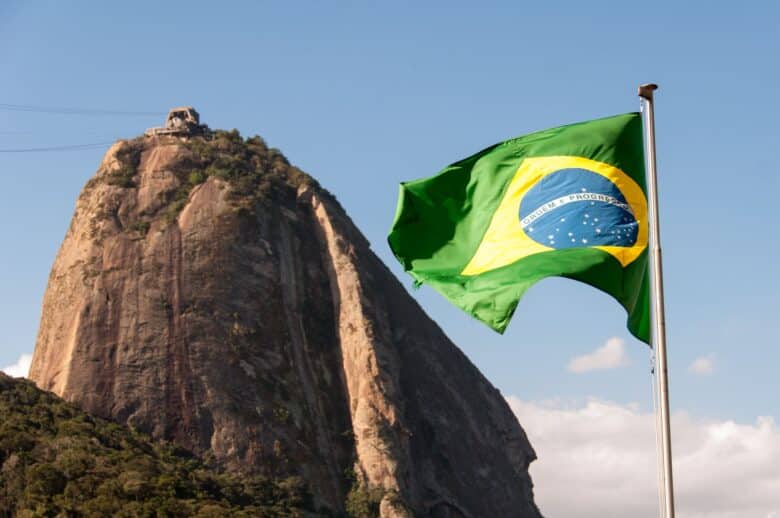
Each star represents a state in the country plus the Federal District. The banner across the globe reads “Ordem e Progresso” (“Order and Progress”), a nod to the country’s embrace of the positivist motto. This flag design was adopted in 1889, symbolizing the country’s lush landscape, wealth, and its vast, starry sky. It embodies Brazil’s forward-looking philosophy and diverse federation
Image Credit: Depositphotos.com.
This country’s flag consists of horizontal stripes of yellow, green, and red.

Image Credit: Wikipedia.
Answer: Lithuania

Adopted in 1918 after the country gained independence from the Russian Empire and then re-adopted in 1989 following the end of Soviet occupation, the colors hold significant meaning: yellow represents the sun, light, and goodness; green symbolizes the beauty of nature, freedom, and hope; and red stands for the blood shed for independence and courage. The vibrant tricolor reflects Lithuania’s past struggles and hopes for the future, echoing the nation’s landscape and the resilience of its people.
Image Credit: Depositphotos.com.
This country’s flag is easily recognizable with its bold red and yellow horizontal stripes, the latter being twice the size of each red stripe.
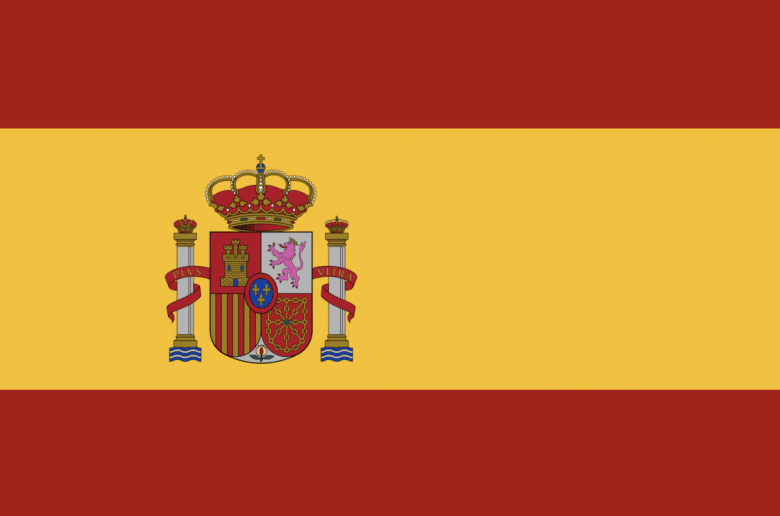
Image Credit: Wikipedia.
Answer: Spain

The national coat of arms is positioned towards the flag’s hoist side. It encompasses a number of historical symbols representing the old kingdoms that came together to form the country. Notably, the coat of arms includes the Pillars of Hercules, which are symbolic of Spain’s colonial history and its cultural impact beyond the European continent. The flag, as it is today, was adopted in 1981, but its origins date back to the late 18th century. It reflects the dynamism and unity of Spain, and is a proud emblem for the Spanish people at home and around the world.
Image Credit: Depositphotos.com.
This country’s flag is tricolor, consisting of three horizontal bands of red, white, and black, with the national emblem, the Eagle of Saladin, centered in the white band.

Image Credit: Wikipedia.
Answer: Egypt
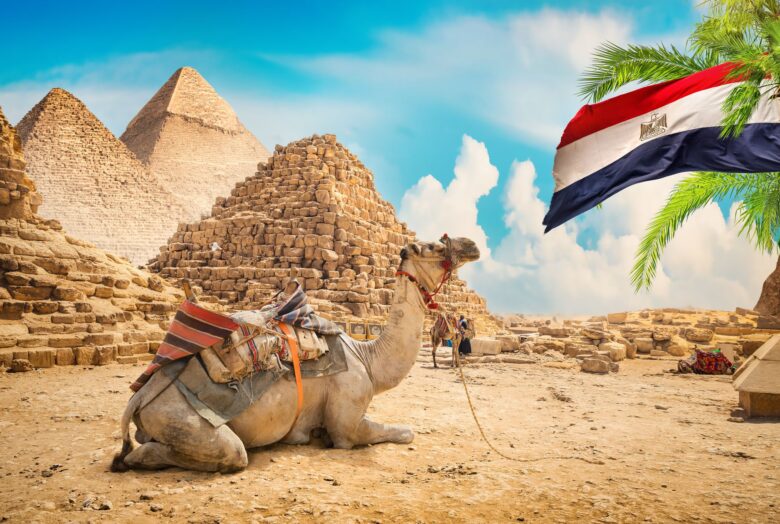
This flag has been in use since 1984, with the eagle symbol dating back to the 12th century and the period of Ayyubid dynasty. The red band represents the struggle against oppression, the white symbolizes the bloodless nature of the 1952 revolution, and the black reflects the end of the oppression of the people of Egypt. The Eagle of Saladin stands as a symbol of strength and the country’s Islamic heritage, making this flag deeply rooted in Egypt’s history and identity.
Image Credit: Depositphotos.com.
This country’s flag features three horizontal bands of light blue and white, with the sun of May centered on the white band.

Image Credit: Wikipedia.
Answer: Argentina
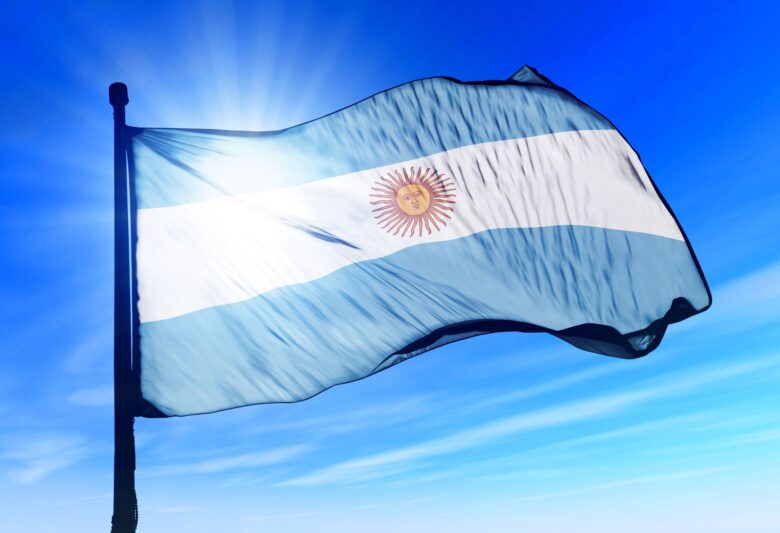
The flag was created by Manuel Belgrano in 1812 and the sun symbol was added in 1818. The blue stripes signify the country’s clear skies and the Rio de la Plata; the white represents the silver mountains of the Andes. The Sun of May is a replica of an Inca sun symbol and commemorates the appearance of the sun through cloudy skies on May 25, 1810, during the first mass demonstration in favor of independence. The flag reflects both the nation’s natural features and its struggle for freedom, embodying the spirit of Argentine independence.
Image Credit: Depositphotos.com.
This countrys flag consists of a blue field with a white cross, and a red cross inside the white cross.

Image Credit: Wikipedia.
Answer: Iceland

Adopted in 1915, the colors represent elements of Iceland: blue for the ocean, white for the snow and ice, and red for the volcanic fire. The design of the cross symbolizes Christianity and reflects the Nordic heritage shared with other countries like Denmark, Sweden, Finland, and Norway. The Icelandic flag’s symbolism ties deeply with the nation’s character, emphasizing its geographic features, history, and cultural connections within the Nordic region.
This article was produced and syndicated by MediaFeed.
Image Credit: martinhosmart / istockphoto.
More from MediaFeed

Stop doing these 12 rude things in restaurants
- Science says this ‘70s rock hit is the catchiest song of our time
- 20 incredible movies so disturbing we never want to see them again
Like MediaFeed’s content? Be sure to follow us.
Image Credit: ghornephoto/istockphoto.