How long it took these famous artists to pay off their student loans
Talent doesn’t pay loan servicers. That’s the quiet theme running through these stories that feature six people who became genuinely successful, sometimes very famous, and were still writing checks to Sallie Mae years after the world assumed they’d made it. The gap between “famous” and “financially fine” turns out to be wider and longer than most people guess.
The accounts come from U.S. News, where each of these artists spoke in their own words about the debt and how long it actually hung around.
Six of them, below.
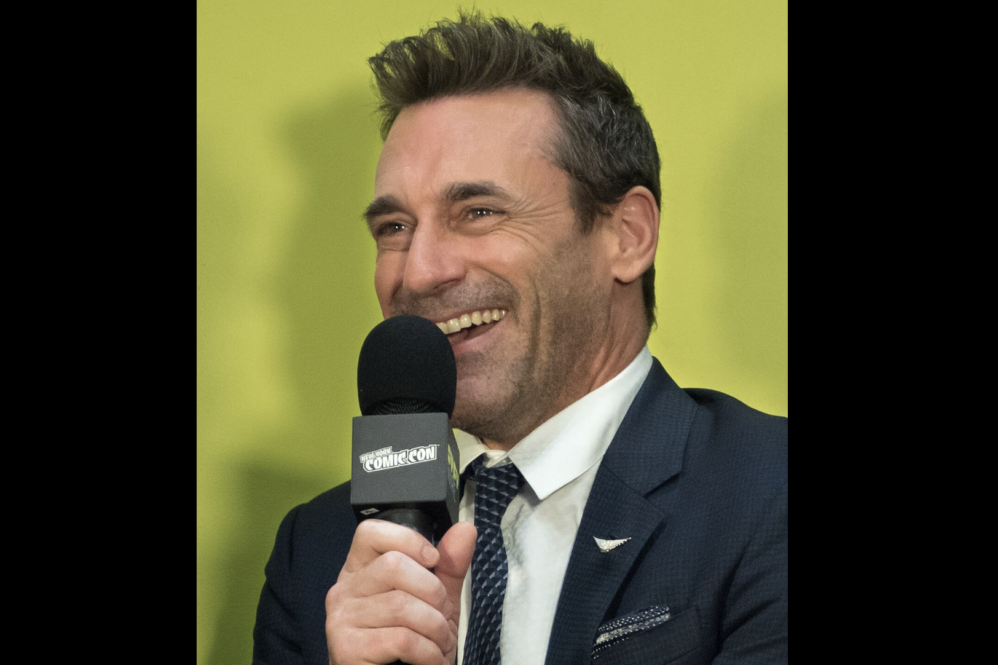
Jon Hamm
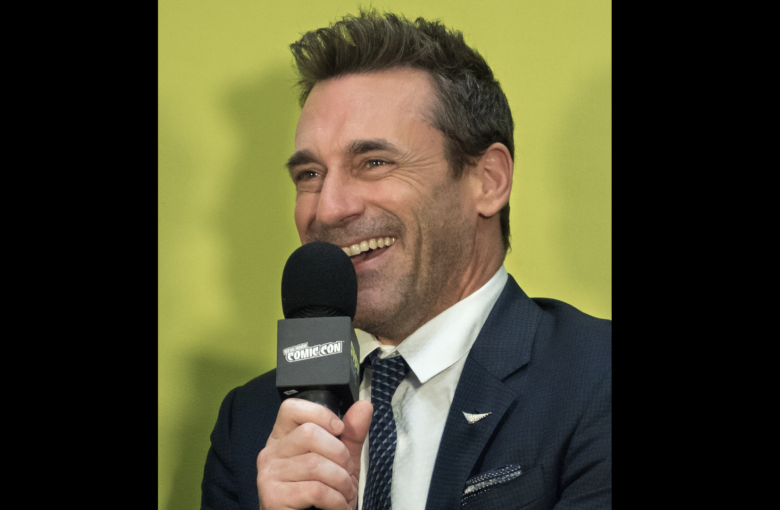
Hamm attended three different universities in four years with no financial aid at all, a detail he shared at a 2014 rally for student loan reform. The “Mad Men” role that made him a household name didn’t arrive until well into his thirties, and Hamm has said it took landing acting work, more than a decade after graduation, before the loans were finally gone. For most of his twenties, Don Draper’s eventual portrayer was just another guy with a balance that wouldn’t move.
Kate Walsh
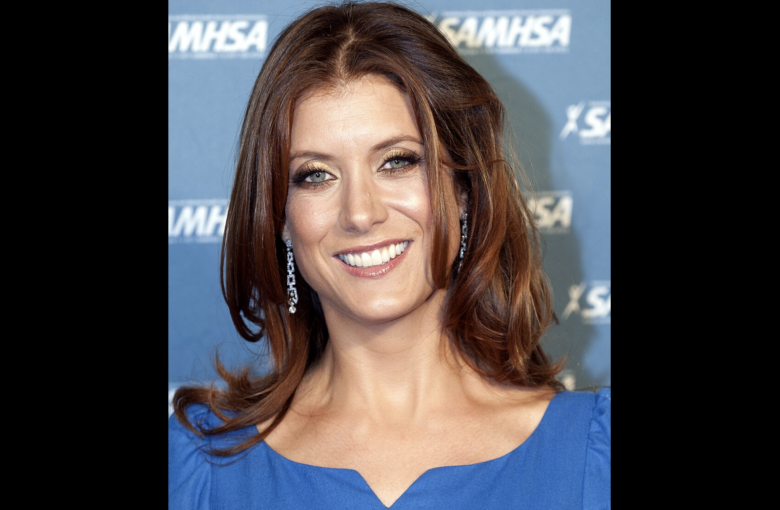
Walsh has described leaving college with, in her words, “thousands and thousands and thousands of dollars” in debt, watching the interest accrue for years with no real way to make a dent in it. The break that changed things was landing a role on “Grey’s Anatomy,” and she didn’t finish paying off the loans until age 37. She’s called the whole arrangement, the years of accruing interest before any real income arrived, “insane.”
Jane Lynch
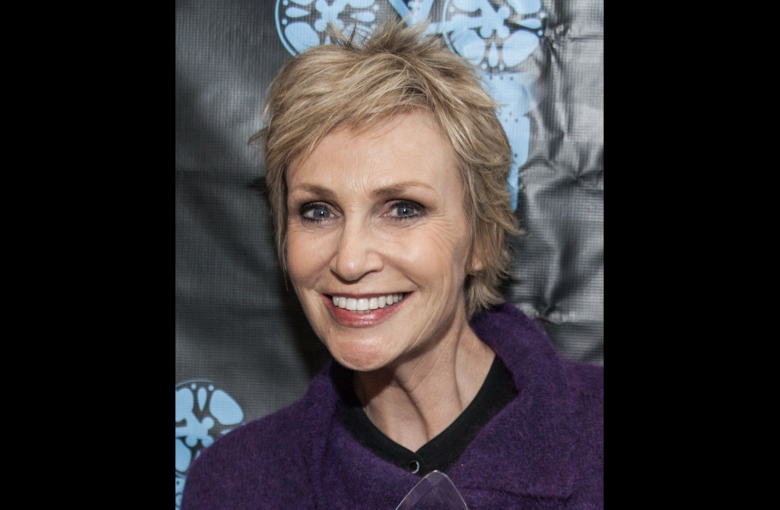
Lynch is the outlier here in the best possible way. She attended an in-state public university, took out loans to supplement what her parents covered, deferred payments a few times when money was tight, and was completely debt-free by 30. Her path is the version of this story that sounds almost boring next to the others, which is sort of the point.
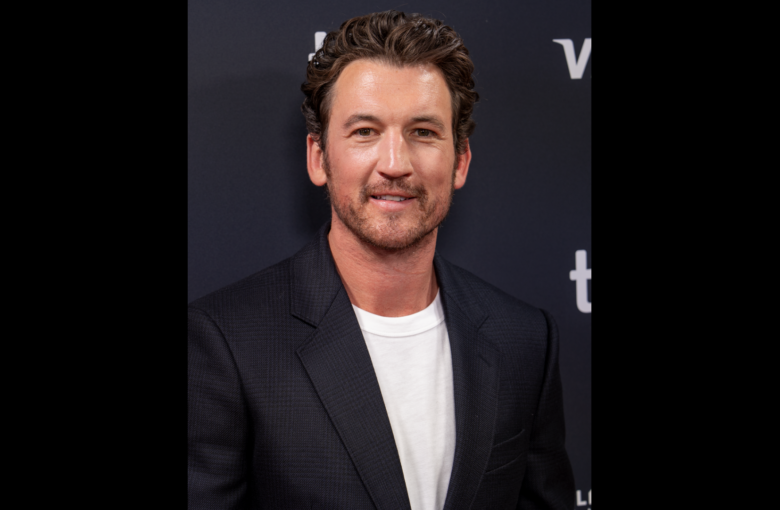
Miles Teller
Teller borrowed $100,000 for NYU film school and, even after Hollywood success, told an interviewer his business manager advised against paying it off early because the interest rate was so low it barely mattered financially. He kept the loans by choice, partly as a “badge of accomplishment.” Teller’s situation is less a story about struggle and more about what successful people sometimes choose to do with debt once the math stops being urgent.
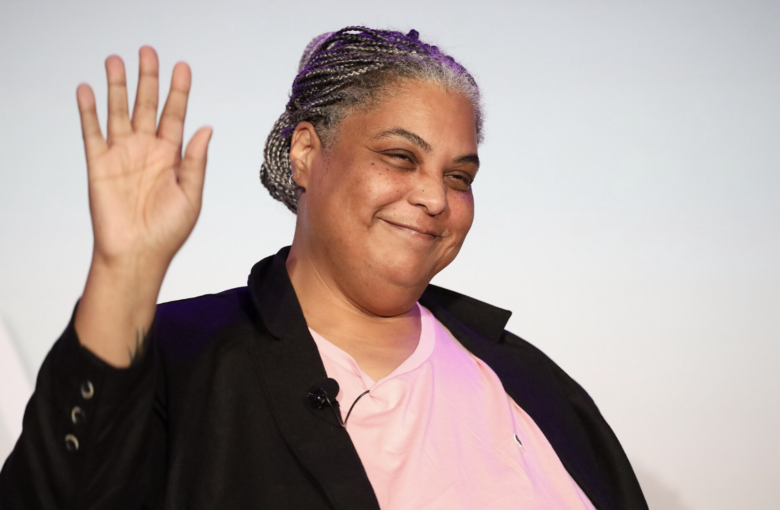
Roxane Gay
Gay took out her first loans more than two decades ago, after dropping out and returning to finish her degree while working minimum wage jobs in retail, telemarketing and bartending. She’s written that repayment felt like an abstract, almost unreal concept for years, the kind of number that didn’t seem connected to an actual life. Her path through academia and, eventually, to bestselling books didn’t make the debt disappear quickly.

Dee-1
The Louisiana rapper, real name David Augustine, graduated from LSU and spent years working as a middle school teacher while the loan payments followed him. When a record deal finally arrived, he didn’t buy a car or jewelry. He paid off the loans and wrote a song about it, “Sallie Mae Back,” turning years of quiet financial pressure into one of the more unusual celebration songs in hip-hop.
The bottom line
Six different paths, six very different timelines, and one common thread: none of these loans cared how talented anyone was. Some took years, some took over a decade, and one person decided the debt wasn’t worth rushing to kill. The loans showed up before the fame did, and in every case, they stuck around well after.
Ask us! What questions do you have about content, strategy, pop culture, lifestyle, wellness, history or more? We may use your question in an upcoming article!
Related:
- The most controversial song the year you were born: Gen X edition
- The most controversial songs of the ’60s: Do you agree?
Like MediaFeed’s content? Be sure to follow us.
This article was syndicated by MediaFeed.co.