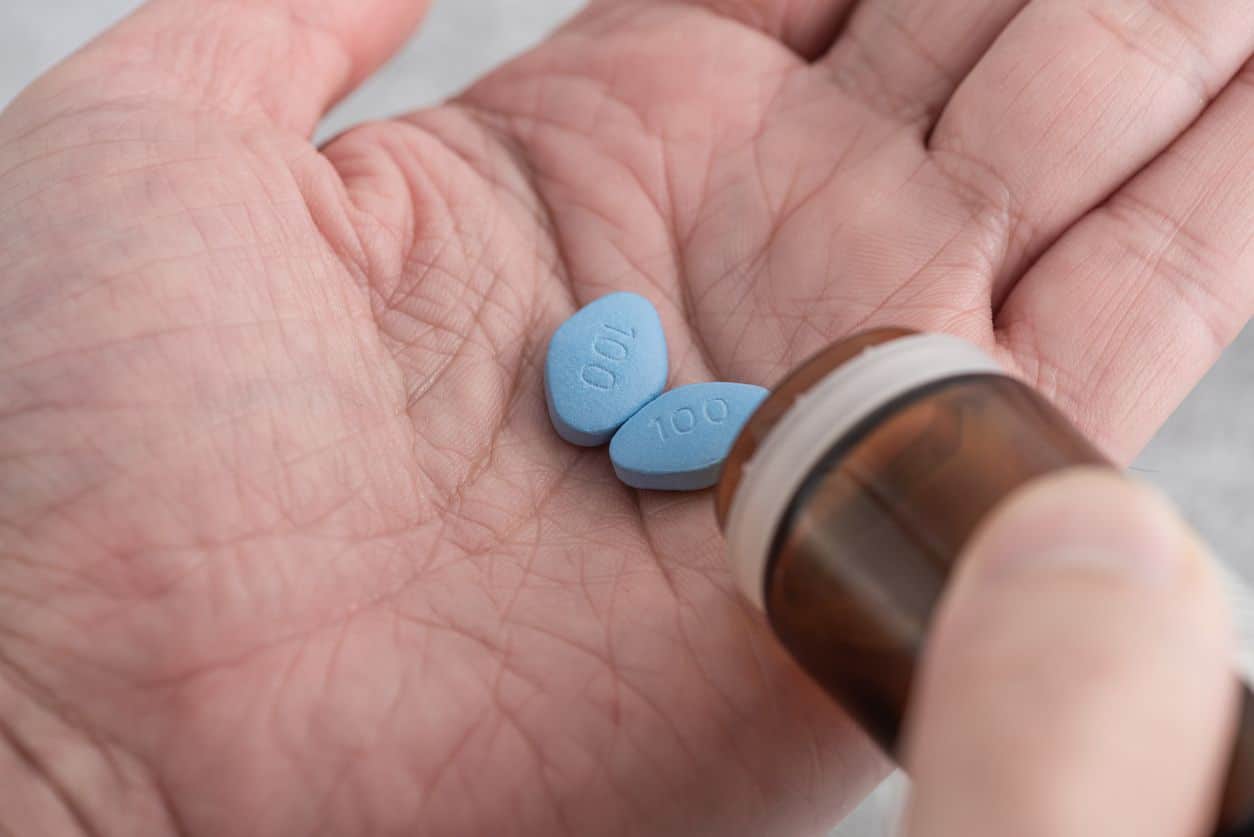
How long common medications stay in your system
Understanding medication elimination helps with dosing schedules, drug interactions, and potential side effects. Different drugs clear your system at vastly different rates depending on their chemical properties and how your body processes them. Here is what research shows about common medication timelines.

Ibuprofen clears quickly
Ibuprofen has a half-life of approximately two hours, meaning your body eliminates half the dose every two hours. It takes about 10 hours for ibuprofen to completely leave your system. The drug reaches peak effectiveness within one to two hours after taking it. Pain relief typically lasts four to six hours per dose, which explains why it requires frequent dosing for ongoing pain management.

Acetaminophen exits within a day
Acetaminophen typically stays in your system for about 24 hours, though most is eliminated within eight to 12 hours. The plasma half-life is approximately two to three hours in healthy adults. The liver metabolizes acetaminophen, whereas the kidneys excrete its breakdown products. People with liver disease may have extended half-lives of four to eight hours or longer, doubling the clearance time.

Azithromycin lingers for weeks
Azithromycin has an exceptionally long half-life of approximately 68 hours, nearly three days per half-life cycle. It takes about 15 days for azithromycin to completely leave your system after your last dose. The antibiotic accumulates extensively in tissues before slowly reentering the bloodstream. This extended presence allows shorter treatment courses, often just three to five days, while maintaining therapeutic levels for bacterial infections.

Blood pressure medications vary widely
Blood pressure medications have markedly different half-lives, ranging from hours to weeks. Some require once-daily dosing, whereas others require multiple daily doses for blood pressure control. Certain cardiovascular medications like amiodarone can have half-lives exceeding 100 days, requiring careful monitoring when starting or stopping treatment. Your doctor considers elimination times when prescribing combinations to avoid dangerous interactions or coverage gaps.

Individual factors affect clearance
Age significantly impacts medication elimination as older adults metabolize drugs more slowly due to decreased liver enzyme activity and kidney function. Kidney disease dramatically extends elimination times for drugs cleared through the kidneys, sometimes requiring dose adjustments or alternative medications. Liver disease similarly affects drugs that are metabolized by the liver. It generally takes four to five half-lives for complete drug elimination, though individual variations exist.

Antidepressants require patience
Antidepressants have varying half-lives that affect withdrawal symptoms and switching medications. Drugs with shorter half-lives typically cause more intense withdrawal when stopping. Healthcare providers may switch patients to longer-acting alternatives to facilitate discontinuation. Understanding these timelines helps manage expectations during treatment changes and prevents dangerous interactions when starting new medications.

Wrap up
Medication elimination varies tremendously between drug classes and individuals based on complex biological factors. Half-life determines dosing frequency and helps predict when drugs leave your system. Always consult healthcare providers about medication timing, especially when starting new prescriptions or experiencing side effects. Proper understanding prevents accidental overdoses and dangerous drug combinations while ensuring therapeutic effectiveness.
Ask us! What questions do you have about content, strategy, pop culture, lifestyle, wellness, history or more? We may use your question in an upcoming article!
Related:
- The lab numbers doctors watch the closest (& you should, too)
- The most important labs for men at every age
Like MediaFeed’s content? Be sure to follow us.
This article was syndicated by MediaFeed.org.