Let’s face it: peel back the cheerful shell of some of our beloved traditions, and what do you find? A hint of the bizarre, a dash of the unexpected, and a generous sprinkle of ‘wait, what?’ It’s a curious thing about traditions: they unite us, they define cultures, and sometimes, they’re just a smidgen creepy. Have you ever paused to ponder why we encourage kids to sit on a stranger’s lap at Christmas or why a giant rabbit hiding eggs is a perfectly normal Easter activity? No? You might as well do that now as we decided to discuss some holiday traditions that are just not super appropriate, putting it mildly.
Take a look!
Elf on the Shelf (Christmas)

A tinny doll eyeballing you all December sits on your shelf, giving the stink eye to your kids—acting as “Santa’s spy.” Creepy? Maybe a smidge. Born from a children’s book, this tiny fella’s job is to make sure the little ones stay on Santa’s nice list. Still, the idea of little toys creeping out where you go is not exactly our idea of holiday cheer, but hey, whatever keeps the cookies from being snatched before Christmas Eve, right?
Sitting on Santa’s Lap (Christmas)
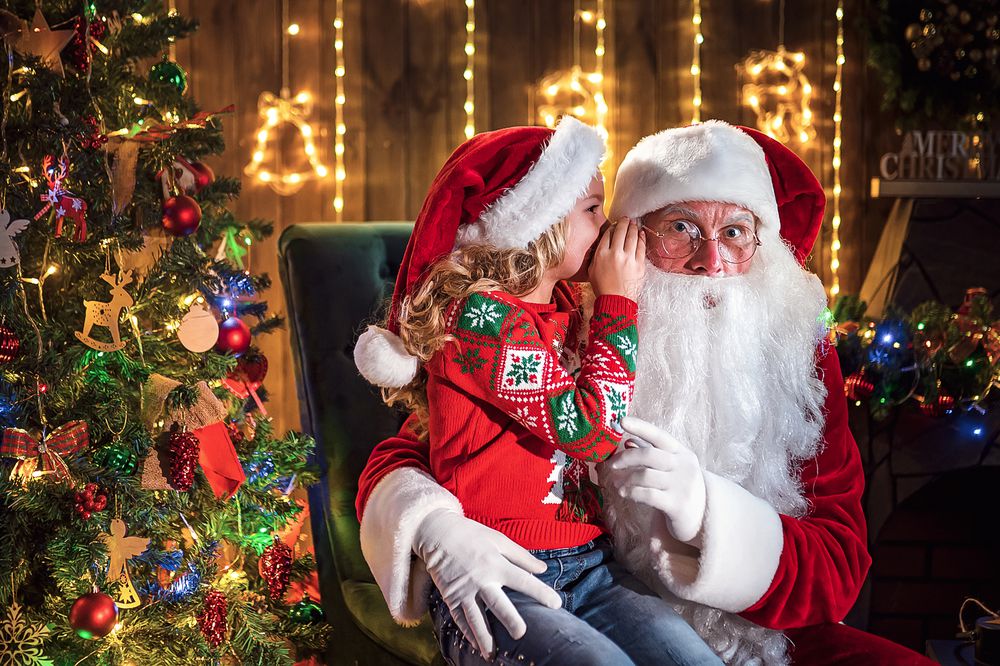
Don’t get us wrong, we are not saying cancel Santa or anything, but then again, plopping your kid on a bearded stranger’s lap—how okay are we all that? And don’t get us started on how we are telling little kids that an old bearded man is watching them while they sleep. Ho ho ho? It’s more like, “Can we find a less creepier tradition?”
Mistletoe Kisses (Christmas)
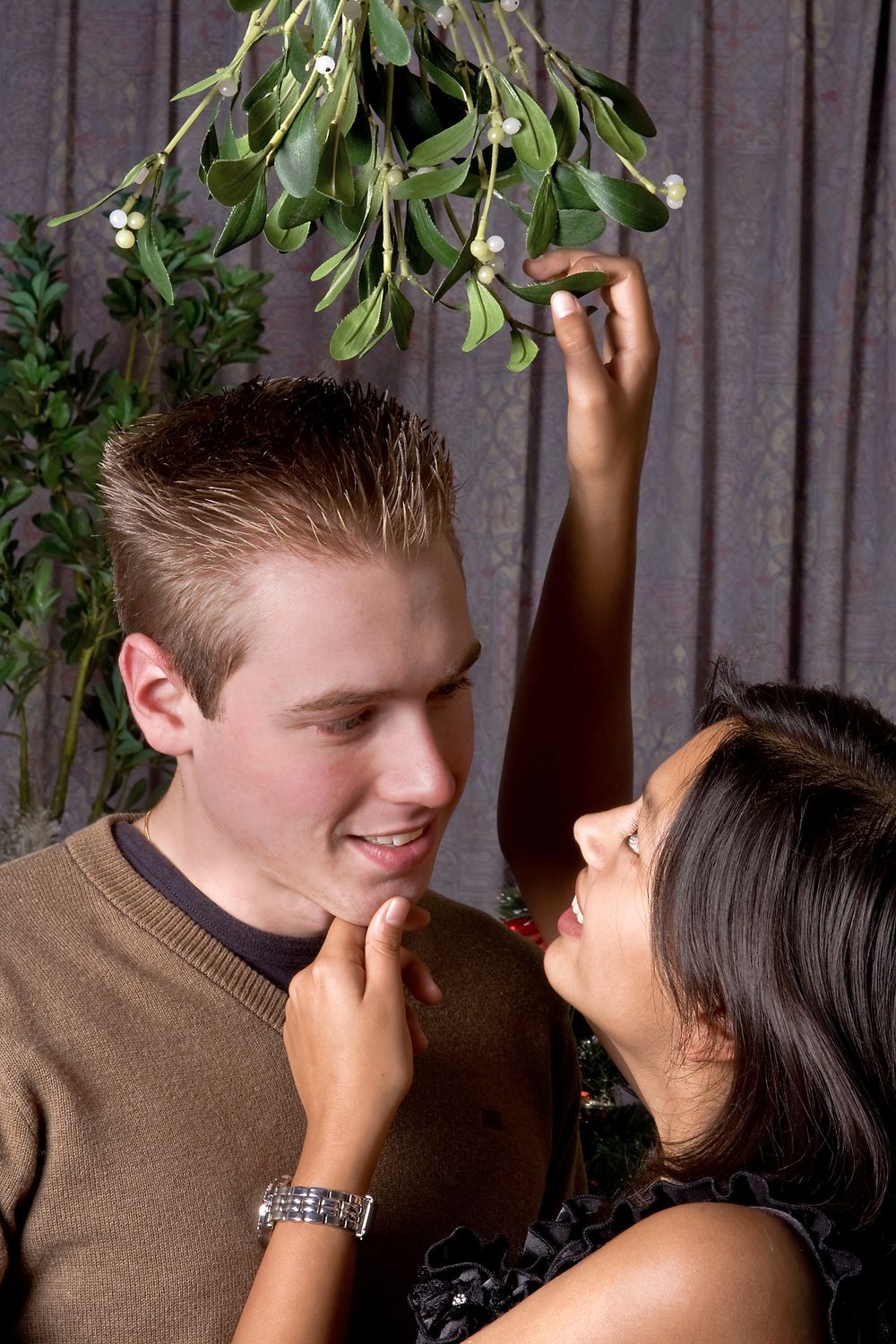
Mistletoe: an excuse for awkward holiday smooches. This tradition screams, “Hey, let’s make forced romance a festive thing!” Originating from ancient winter rituals, where mistletoe symbolized love and fertility, now it’s just an excuse for Aunt Edna to ambush unsuspecting relatives with a peck. Love it or loathe it; it’s a bizarre yuletide staple. Watch where you stand, or you’re next in line for a cringe-worthy kiss.
Halloween Trick-or-Treating (Halloween)

Before you start throwing stuff, just hear us out. Isn’t it contradictory that, after pushing the moral of not taking anything from strangers throughout the year, we voluntarily send our kids out in the dark to demand candy from strangers? Normal? Not really. But hey, it’s Halloween! Rooted in ancient Celtic traditions of warding off ghosts, today’s version is less about spirits and more about sugar rushes.
Easter Bunny (Easter)

A giant bunny that lays eggs and candy around your yard? Absolutely normal on Easter, people. This hoppy character’s roots trace back to German immigrants in America. They brought tales of an egg-laying hare named ‘Osterhase.’ Fast forward a few centuries, and now we’ve got a full-blown rabbit with a basket, hiding eggs like it’s his job. Strange? A bit. But hey, free chocolate!
Dyngus Day (Wet Monday)

So, in Poland, there’s a quirky post-Easter tradition and it’s about as odd as they come. The day after Easter, also known asDyngus Day or Wet Monday, sees boys chasing girls with willow branches for a little holiday spanking. And if that wasn’t enough, they also douse them with water. It’s all in good fun, supposedly a way to celebrate the end of Lent, and maybe, just maybe, a peculiar method of flirting.
Secret admirers (Valentine’s Day)
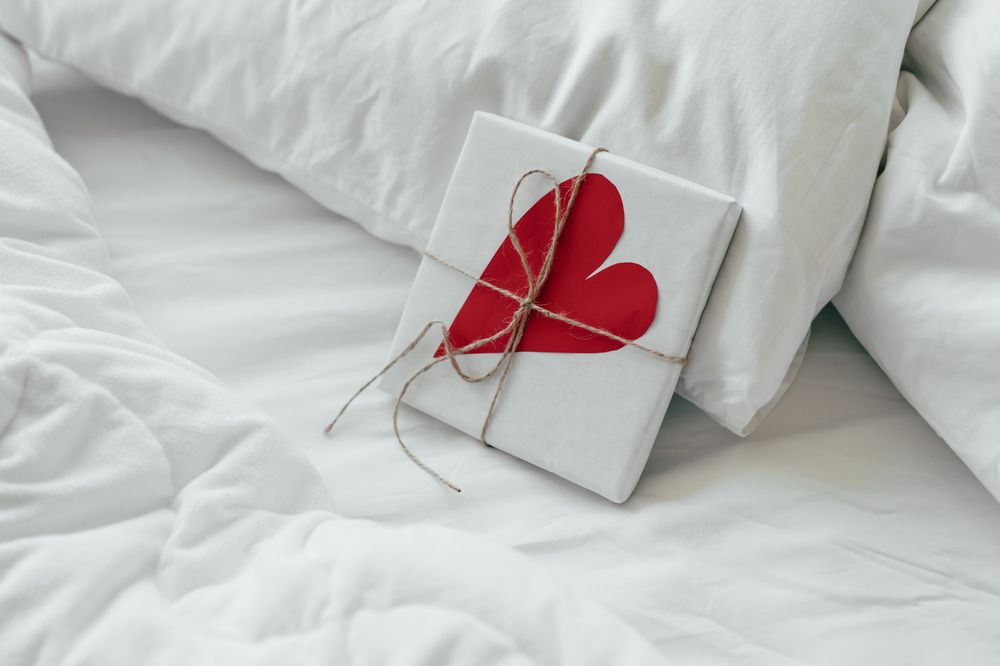
Valentine’s Day is probably the only day in the year when it’s okay for people to creep on you because it’s considered romantic and charming. It’s like, “Hey, I’ve been watching you, but you can’t know who I am. Here’s a teddy bear. Romantic or stalker-ish? You decide.
Mari Lwyd (New Year)
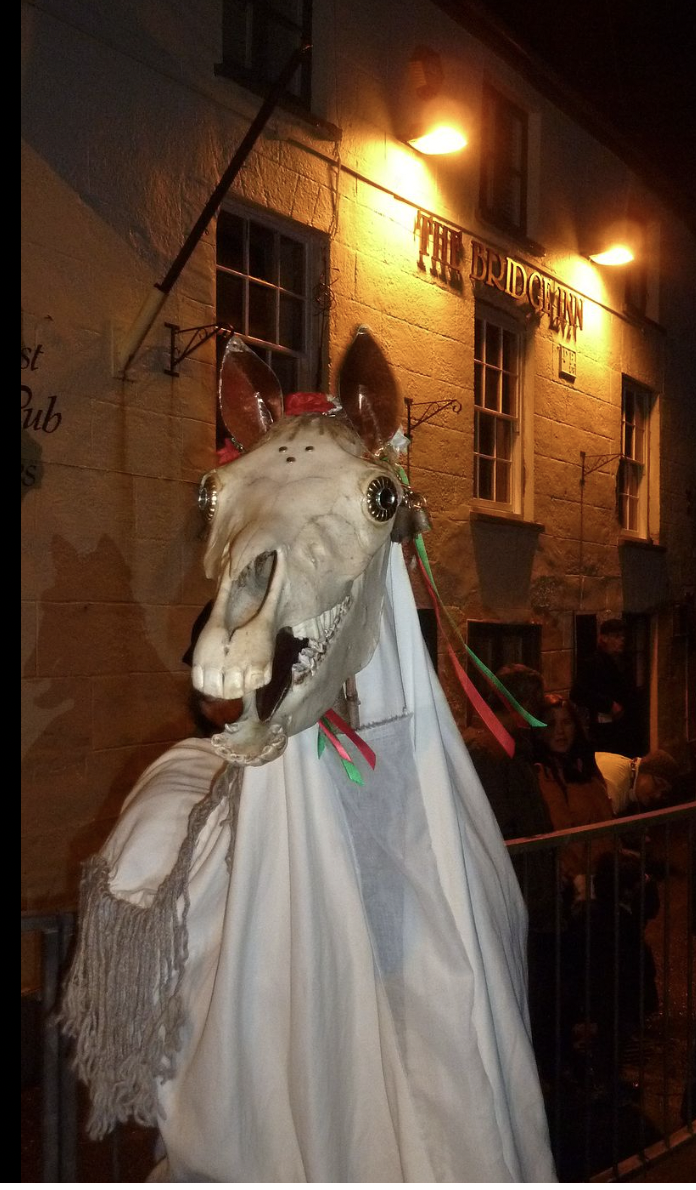
In Wales, they celebrate the new year with a horse’s skull. Yes, you heard right. It’s called Mari Lwyd, and it’s as eerie as it sounds. A folk custom involving a skull decked out in ribbons and bells paraded around town. It’s meant to bring good luck, stemming from pagan traditions. Charming in a “haunting your dreams” kind of way, because nothing says “Happy New Year” like a singing skeletal horse, right?
Birthday spanking

OK, so this one is not technically a “holiday,” but for the birthday boy or girl, it might as well be. Now, here’s a weird one for you: birthday spankings. Because nothing says ‘Happy Birthday’ like a good old-fashioned whack for each year you’ve survived on this planet. This peculiar tradition, plus one extra for good luck, has murky origins, possibly medieval, possibly earlier. It’s meant to be playful, but let’s be real, it’s a bit much. Imagine explaining that to someone who’s never heard of it: “Yeah, we just lightly hit people on their birthday. It’s a celebratory thing.”
This article was produced and syndicated by MediaFeed.
- 10 questions you should never answer if the police pull you over
- 30 awesome things we could do in the ‘70s that today’s kids have missed out on
Like MediaFeed’s content? Be sure to follow us.
More from MediaFeed:
Weird world New Year’s Eve traditions

Before the curtain falls on the year, we dress up, drink champagne and watch the dazzling sky illuminated by fireworks; then, when the clock strikes midnight, we smooch and drink some more champagne. That’s New Year’s Eve in a nutshell, right?
Well, that depends on where you find yourself on the globe. Instead, you may wind up smashing plates, walking around with an empty suitcase, or even throwing furniture out the window.
Around the world, cultures have different and sometimes peculiar ways to bring good luck while ringing in the coming year. We rounded up 22 of the most interesting (and even weird) New Year’s Eve traditions worldwide.
Maksym Belchenko/iStock
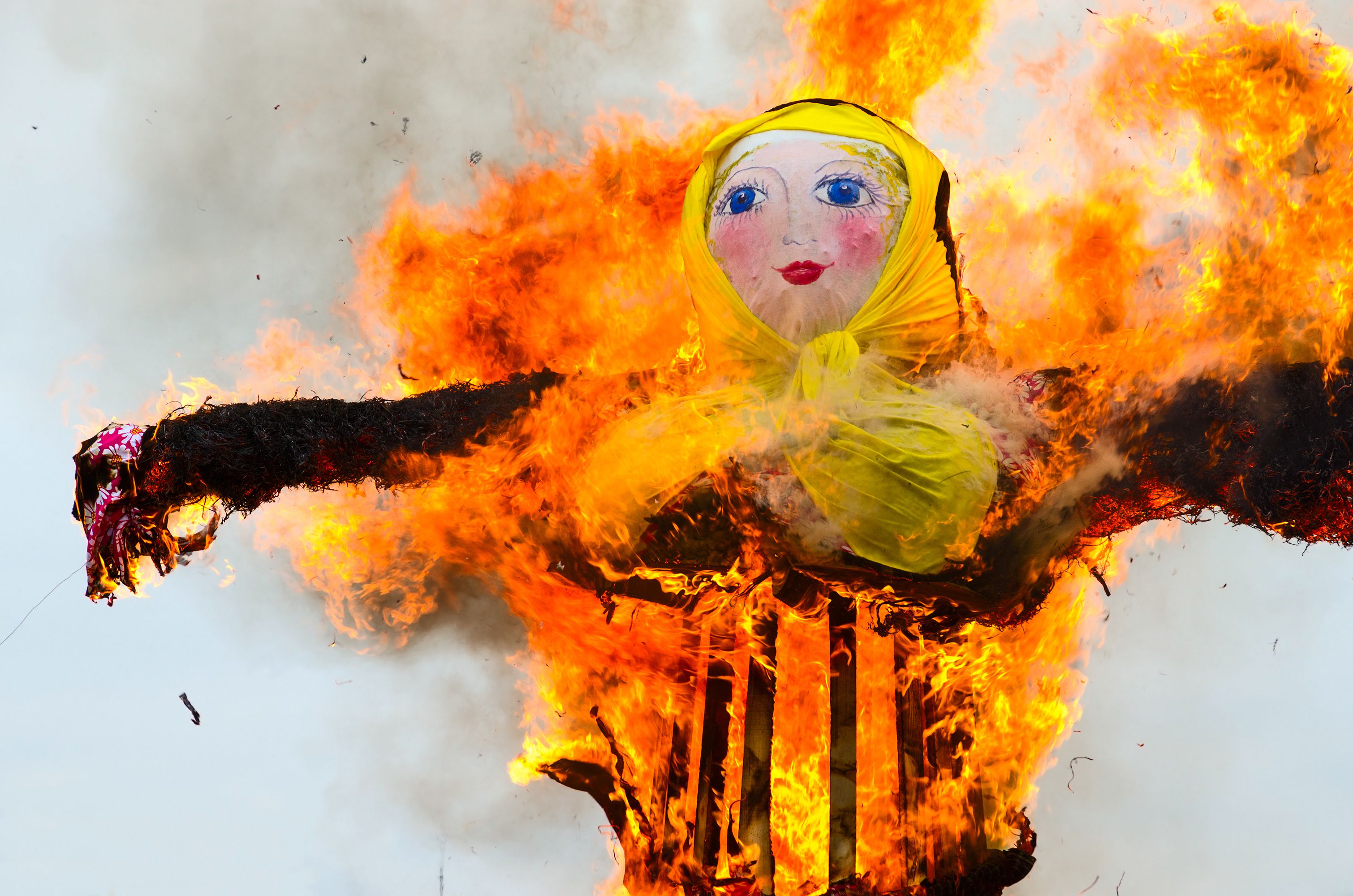
Heading to Ecuador this New Year’s Eve? Don’t get alarmed if you see smoke—it’s probably part of the festivities. Ecuadorians set fire to scarecrows filled with sawdust and newspapers called an ‘año viejo’ (old year in Spanish), as well as old photographs representing bad memories. A centuries-old tradition says doing so helps to banish ill fortune and bad luck from the past 12 months as you enter the new year.
Related: Common American habits that are offensive in other countries
Olga355/iStock

New Year revelers in Japan will hear the sound of bells ringing 108 times through the street. A Buddhist tradition known as “joyanokane,” suggests that doing so will dispel the 108 evil desires in people and “detox” the previous year’s sins.
SAND555/iStock

Italians throw old household items like blankets, cushions, and plates out of the windows to drive out bad omens and start the coming year fresh. While the custom has fallen out of fashion and is seldom practiced today, it doesn’t hurt to keep an eye out for broken glass when walking around at night (or on New Year’s Day).
photographer/iStock

In Spain, people eat 12 grapes at midnight to honor an old custom that dates back to the late 19th century. This sweet celebration was invented by vine growers in the Alicante area back in the 1800s as a way to sell more grapes. Spaniards eat a grape for each of the first 12 bell strikes after midnight to bring good fortune and prosperity.
EduardSV/iStock

The color of your undies will most likely determine your fortunes for the coming year in Latin American countries such as Mexico, Bolivia, and Brazil.
If you want to find love, wear red underpants for New Year’s Eve. Those seeking wealth should wear yellow. If you just want peace, opt for white underpants.
Olga Vaskevich/iStock

Move over, Dr.Dolittle. Farmers in Romania spend New Year’s Eve talking to their livestock, hoping to earn good fortune if the livestock talks back. Interested in what the conversation is about? So are we!
dusanpetkovic/iStock

Greeks opt for a rather pungent start to the new year by hanging onions on their doors to promote growth and good luck. This age-old tradition stems from the ancient Greek belief that onions represent rebirth and growth.
Baloncici/iStock

In Buenos Aires, confetti fluttering from windows around lunchtime on Dec. 31 may seem only celebratory; however, it serves another purpose. At the end of the year, Argentines shred and discard all old documents and papers to symbolize leaving the past behind.
jacoblund / iStock

Apparently, Danes know how to have a smashing New Year’s Eve. No, really, they are smashing unused plates before midnight at the front doors of family and friends for good luck. It is an old tradition that claims you are leaving any aggression and ill-will behind by smashing the plates. It is said the more plates you find outside your house, the better luck you’ll have in the New Year.
wernerimages/iStock

Before the curtain falls on the year, Filipinos surround themselves with round things to promote good luck in the next 12 months. According to an old custom, eating a round fruit like grapes while wearing clothing with round patterns like polka dots and stuffing your pockets with coins is bound to bring you luck in the next year.
swisshippo / iStock

Turkey is yet another country that enjoys smashing stuff on New Year’s Eve — but instead of crockery, they are semi-violent toward a fruit. In Turkey, smashing pomegranates in front of your home will bring good fortune, as the fruit signifies prosperity. The more seeds that burst forth, the more good luck you will acquire.
Hazal Ak/ istockphoto
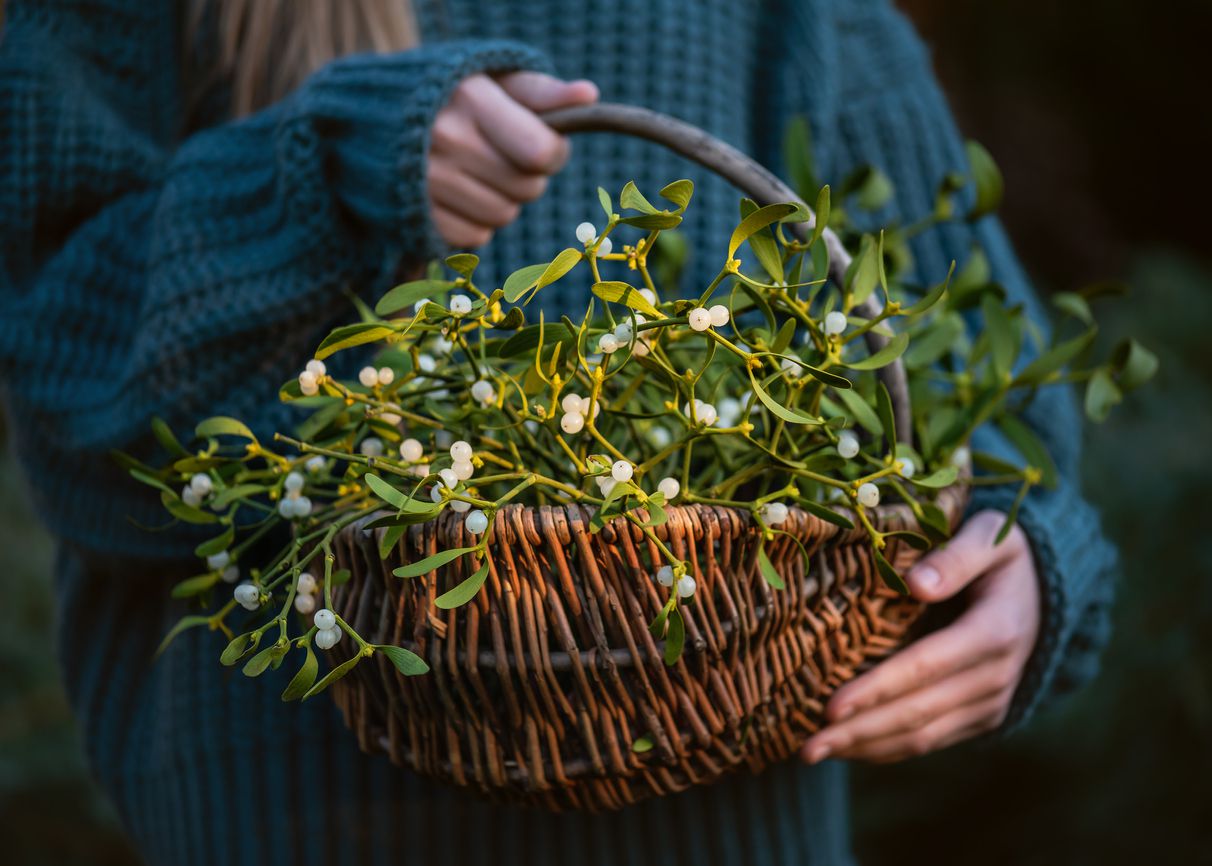
While in the U.S. and many other cultures, the mistletoe is a kissing magnet over Christmas, in Ireland, it plays a role in a different custom. According to a Celtic tradition, young girls in Ireland should place a mistletoe under their pillow on New Year’s eve and then burn it in the fire the next day to lure love in the next year.
Oksana_Schmidt / iStock

For a travel-filled New Year, Colombians go for a walk around the neighborhood carrying an empty suitcase. While most people wheel their bags around the house or leave it by the door, it is said that only a proper trip around the block will enhance your chances of traveling abroad in the new year.
Wirestock/iStock

In Chile, New Year’s Eve masses are held not in churches but in cemeteries, as it allows people to sit with their deceased family members and include them in the festivities.
MarcBruxelle

The night before the new year begins, Czechs cut an apple to predict their fortunes for the forthcoming year. If the apple’s core looks like a star, then everyone will meet again in health and happiness. However, if the core looks like a cross, someone may get sick at the New Year’s Eve party.
pixavril / iStock

New Year’s Eve festivities in Germany revolve around a rather unique activity called “Bleigießen,” or lead pouring. Everyone melts a small piece of lead or tin using a candle flame and pours it into cold water. The resulting shape is said to reveal a person’s fate for the upcoming year.
Wikipedia

Scots call New Year’s Eve “Hogmanay” and have a curious tradition known as “the first footing.” In Scotland, the first visitor to cross the threshold will determine the fortune of the upcoming year. To have a prosperous year, the first footer should be a handsome male with dark hair bearing gifts like shortbread and whiskey. A fair-colored visitor, however, is considered a bad omen because they are associated with the Viking invasions of the 8th and 9th centuries.
Jun/iStock

Those traveling to Estonia for New Year’s Eve should be prepared for some serious munching. Estonians believe that eating seven to 12 meals on the last night of the year will bring good luck in the next 12 months.
PeopleImages

Each year, Rio’s Copacabana beach hosts the world’s biggest open-air party every New Year’s Eve, where people wear white—to bring peace—and jump over seven waves for good luck. Brazilians also throw white roses and candles into the ocean as an offering to the goddess of the sea.
inarik/iStock

In Russia, you start the new year by gulping down your wishes, literally. As a part of an old tradition, on New Year’s Eve, Russians write their wishes on a piece of paper, then burn the paper with a candle and drink the ashes along with champagne.
shironosov/iStock

On New Year’s Eve, Salvadorans traditionally crack an egg into a glass of water and leave it on a windowsill overnight. The egg’s shape the following day will determine the household’s fortune.
Biserka Stojanovic/iStock
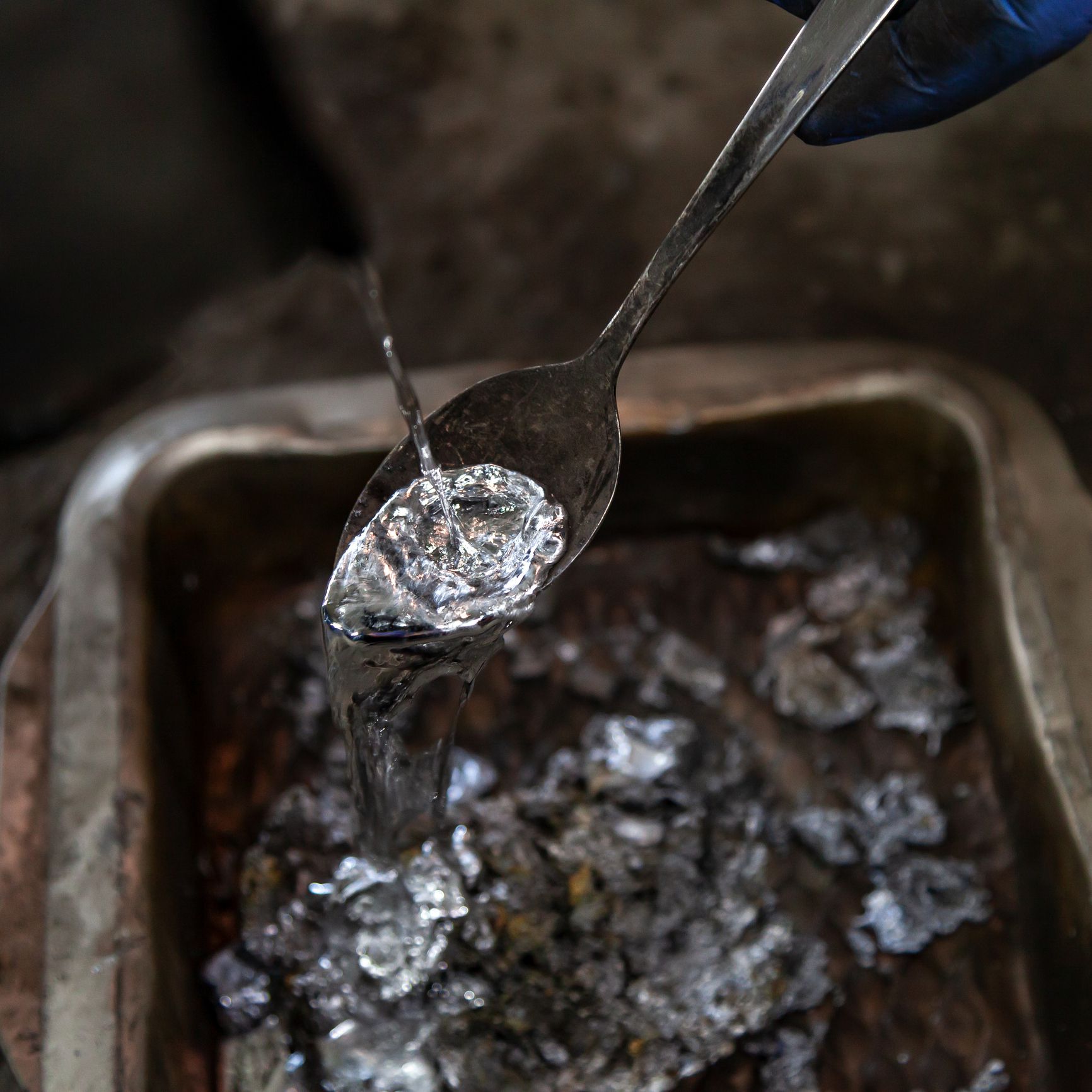
Melting tin on an electric stove is a traditional way for Finns to predict their fortunes for the year ahead. The melted tin is dropped into water as soon as possible, forming a shape that determines the next year’s luck. The caster will earn a lot of money if the shape has a rough surface. The ring shape means a wedding in the family, while a horse or ship shape signifies a journey abroad.
Vitalij Sova/iStock

In yet another tradition that involves throwing things out of the window, Puerto Ricans dump a bucket of water out of the window on New Year’s eve to ward off evil spirits. Before splashing the good luck charm out the window, they sprinkle some sugar so the upcoming year will be sweet.
This article was produced and syndicated by MediaFeed.org.
cactuseskimo/iStock

nathanaparise / istockphoto
Featured Image Credit: DepositPhotos.com.