It’s no secret that graduating college and earning a degree is not easy, but the rewards of earning that degree have long been worth the cost. Although the benefits of earning a college degree outweigh the stress of the labor required to earn one, the number of students who leave college without earning a degree continues to rise year-after-year. The term for students who decide to leave college before getting their degree is ‘Some College, No Credential’ – and the number of students who fit that category has risen nearly three million since 2019.
Why is this number rising so steadily? There are many reasons for a student to make the decision to pause or end their pursuit of a college degree, and not all of those reasons have to do with the rising costs of college tuition & student loans.
When students make the decision to halt their progress towards a college degree, it’s not always a permanent end, and can instead be a pragmatic pause to change course or strategy. During the 2020-21 school year, nearly one million students (aged 18-64) re-enrolled in college to continue their pursuit of a degree, but despite the strategic step back will still need to persevere through the adversity that is packaged alongside before walking across the stage at graduation.
While the cost of college may be the number one reason that students choose to stop their pursuit of a degree, there are several other factors that are equally relevant and challenging to navigate.
Struggling to Maintain a Work-Life Balance
One of the biggest challenges for students enrolled in college is finding the right balance between college and their other commitments. Most often, this refers to the demands of their work but for some students, this is compounded by their family and social commitments.
Working on the side is a must for most students because of the high costs associated with staying enrolled in college. For example, research performed at a college in Northern Virginia in 2017 has shown that 70% of the enrolled students also held down a job while attending college, while 60% were parents.
Full-time and part-time work also affects the students’ GPA, which can also discourage students from staying the course and graduating with a degree. The more hours students work, the less they are able to keep a GPA above 3.0, which means that their likelihood of not passing their classes increases exponentially.
12-Credit Fallacy
To compound the problem of juggling college and work, students are also often in the dark about how many credits they should take each term.
Bachelor’s degrees typically require 120 credits before graduation is possible. This is not normally a hurdle, but students are also told that they only need to take 12 credits per term to be considered full-time students and qualify for financial aid. The problem? Taking 12 credits per term is not going to allow students to graduate on time.
Because of the prevalence of the 12-credit fallacy, a lot of students take far too few credits per term and fail to graduate on time according to a New York Times article from 2017. This requires them to spend more money on additional quarters or semesters in order to finish.
Losing momentum during college is a great incentive to drop out, especially if attractive prospects arise for jobs that do not require that degree that seems to be more and more difficult to attain.
Transfer Credits
Yet another issue related to credits that prevents students from graduating on time or graduating at all is credit transfer.
According to the U.S. Government Accountability Office, between 2004 and 2009 35% of students transferred between schools, and 62% of these students transferred between public schools.
Unfortunately, not all schools have partnerships or agreements between each other that rule on how credits can be transferred or recognized when transferring between schools.
According to the same source, students who transferred between schools lost an average of 37% of their credits between 2004 and 2009. While the number is not high, depending on the transfer path students took (for example, from private schools to public schools), some lost as many as 94% of their credits.
Having to take a course multiple times because credits from a previous school are not recognized is also a detriment when considering motivation and engagement in remaining enrolled in college. Re-taking a course can also be quite expensive and can prevent students from being able to pursue other courses within their major or area of academic interest.
The issue of losing credits also hinders the students’ ability to qualify for federal financial aid. As a result, students may lose their ability to avail themselves of federal aid or may cost the government more money. When failing to qualify for federal aid, students may incur more out-of-pocket costs, which tend to affect their willingness to remain enrolled in college.
Course Difficulty
Another issue that affects the students’ ability to earn their degree is related to the content of the courses they decide to take.
Some students who were high achievers in high school may discover that the content and difficulty of college courses exceeds what they were comfortable with. They may feel disconnected from the course content or find it difficult to keep up.
On the other hand, some students fall into the trap of ‘exploration.’ After the rigid curriculum of K-12, they have the option to choose between hundreds or thousands of course options. Some students can become overwhelmed by these choices and they either wait too long to take major requirements for their degree or keep changing their major.
Needless to say, this prolongs their time to attain their degree and increases out-of-pocket cost. Increased out-of-pocket costs can also make it challenging to afford resources for academic support such as tutoring for courses within a student’s chosen major.
Remedial Education & Courses
On top of the ‘exploration trap,’ there is the issue of remedial education. As many as 60% of freshmen in college make up for failing to develop skills in English and math during high school in their first year of college, according to the above-mentioned source.
Remedial courses have two major downsides. They lengthen students’ time to graduation, and they don’t provide students with much-needed credits. We have already shown that increased time to graduation deters students from staying enrolled. The lack of credits for remedial courses can also demotivate students from either doing well or completing them at all.
Moreover, remedial courses cost money. Students can drop out because of non-credited courses that do not bring them closer to achieving their degree.
Some states are taking steps to do away with remedial courses because of the pitfalls mentioned above. For example, California passed a bill in 2017 to improve students’ ‘transfer-level coursework’ in English and math within one year. Other states are also trying to prevent students from having to enroll in noncredit courses.
Disengaging from School
All these factors can culminate in a complete disengagement from school. Between navigating issues related to transferring credits, struggling to complete courses, and the lack of confidence in their abilities that many college students experience, it is easy to simply give up and drop out of college.
The lack of engagement and motivation to complete a college education is compounded by feelings of discouragement and lack of connection to the college community. Many students find themselves living away from home for the first time when they enter college. The lack of familiar faces and difficulties making new friends can hit them at a very vulnerable time of their lives.
Others entered college enthusiastic about their chosen major, yet find that things like remedial courses or too many options to pursue are increasingly dampening their enthusiasm. If they lose interest in their major or switch between majors too many times, they can eventually lose interest in completing the degree altogether.
Lack of connection to the school community is also difficult to overcome. First-generation students in particular find it difficult to connect and understand the hidden curriculum, which is the way a school operates, the way students can receive guidance and help, and the school’s expectations of the students. If there are few resources to guide them into the school’s and their own expectations, students are unlikely to remain motivated and engaged in the school and their degree.
What Can Be Done to Help?
Various programs are available for both students and adult learners who are thinking about returning to college. The challenges for adult learners in particular are high, but resources can help them navigate the difficult balancing act of school, raising children, and working.
One such program is The Degrees When Due (DWD) initiative, established by the Institute for Higher Education Policy (IHEP). IHEP worked with 200 colleges nationwide between 2018 and 2021. The purpose of this initiative is to get students who previously abandoned their degree to return to college and finish their degrees.
The initiative found that there are 36 million students who enrolled in college but did not finish their degree. To assist them, IHEP asked schools to audit the students’ transcripts to find out if they have enough credits to complete a course or earn their degree or if they are close enough to having enough credits to justify returning to college.
Additionally, the DWD highlighted the acute need for resources and connectedness with higher education institutions for these students, which we previously discussed. When students have a sense of connection to their school, it is easier for them to stay enrolled and engaged.
Re-Enrollment and Returning to College
Students can successfully return to college if they can access the following resources, according to a January 2022 Lumina report:
- Sufficient time and support from higher education institutions and staff: Higher education institutions can add more staff to support students, improve transparency about their requirements, and provide advice for different paths to graduation.
- Resources to earn their credential, including credit transfers more widely available: Partnering with more in- and out-of-state schools can help transfer credits for students and avoiding having to take a course multiple times.
- Financial support, whether federal or private: Schools can also seek out more organizations and individuals willing to provide financial support for underserved students and also ensure that students are informed about how they can apply for federal aid.
- Assistance from admission staff, acceptance of credits from previous schools, and rolling admission processes: Admission staff should be trained to assist students, understand credit transfers and how to apply them, and allow students to apply to their undergraduate programs during wider windows of time.
- Online and hybrid learning and the ability to live off-campus: Returning students benefit greatly from not having to live on campus, especially if they have jobs and families, so online and hybrid learning are great motivators to return.
- Family and employer support: Employers who actively encourage prospective returning students to finish their degree by covering some of the associated costs benefit from employee development. Family support, on the other hand, is crucial to motivate returning students to graduate.
- Receiving credits for previous experience in the case of military and veteran students: Veterans may not have taken some formal courses but have first-hand experience, so they should be considered for credits whenever applicable.
Likewise, students are more likely to graduate with a degree after returning to college when higher education institutions provide resources to help them navigate the hidden curriculum, take active steps to keep them engaged, and provide them with resources focused on supporting their families. This is especially true for working students with small children.
Common Pathways to College Re-Entry
In recent years, students who decide to re-enter college follow some common pathways as seen in this May 2022 report.
According to the report, most students follow the following scenarios:
- Changing institutions when re-enrolling (62% of the total students included in the report)
- Changing institution sectors (67% of the total students)
- Re-enrolling in a community college after dropping out of a community college (38.5% of the total students)
- Pursuing a bachelor’s degree in business after re-enrolling
- Changing majors after re-enrolling to show a shift in the knowledge and skills required in the real world
- Being more motivated to obtain a sub-baccalaureate credential than a bachelor’s degree
Changing institutions can be a great motivation factor for returning students because it doesn’t remind them constantly of having dropped out. Changing institution sectors is beneficial because students can receive a degree that has become more sought-after and improve their career outlook. Finally, pursuing a bachelor’s degree in business shows the value that students place on career advancement as many employers offer internal advancement to business and MBA graduates.
The report also included 60,400 students that completed their degree in 2020-21. In this cohort, 70% of the students obtained their degree from a public institution. The most common programs were two- or four-year certificates and degrees.
Moreover, hybrid programs were more popular than in-class only programs. Returning students have increasingly chosen online programs as well.
As we have seen, while the number of people leaving college without a degree continues to grow, so do the opportunities of returning to school and finishing a degree. This does not necessarily mean that students take the same path as before they dropped out.
Instead, students may change the school they attend, the type of program they pursue, and the form of the course (in-class vs. online) they choose to attend. The emerging trend for people without a degree who return to school and obtain one is overall positive and shows that many adult learners choose to improve their career outlooks by returning to college.
This article originally appeared on Study.com and was syndicated by MediaFeed.org.
More from MediaFeed:
The weirdest college traditions in the US

When you cram a bunch of young adults together on a campus for months on end, some weird things are bound to happen. In addition to producing generations of leaders, cultural touchstones and vital research, America’s institutes of higher learning have been the birthplaces of many bizarre traditions.
While every university has its own time-honored pastimes, the student bodies at some schools have pushed theirs into truly weird territory. Here are the most unique campus traditions that are still happening at colleges in the United States.
stonena7 / istockphoto

Primal Scream is a tradition that exists on many campuses, typically seeing students enjoy a period of lung-shattering screams together as they prepare for final exams. At Harvard, however, the tradition is more about the “primal” than the “scream.”
Twice every year — before final exams in both spring and fall — students at the elite institution gather together, ditch their clothes and run a bare lap about Harvard Yard. Some students opt to run in their underwear but, according to the die-hards, that “doesn’t count.”
Ario Barzan
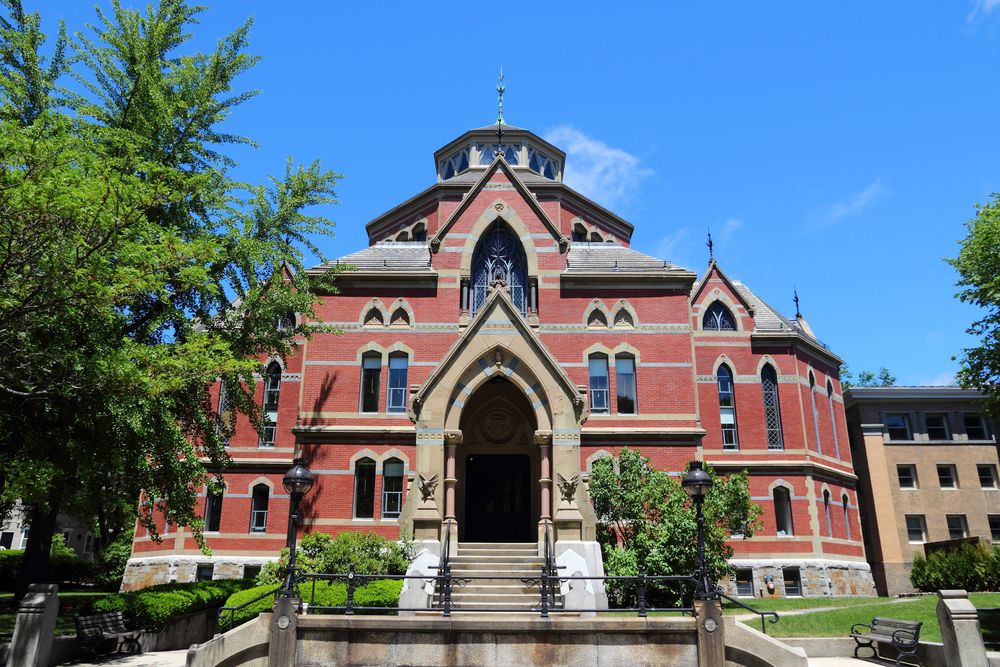
Nudity will be a common theme throughout many traditions highlighted here — and this is another bare tradition that comes from an Ivy League university. Every year since at least the early 1990s, students at Brown have volunteered to take part in this donut run, aka the NDR.
This “liberating” event sees those students disrobe and run — although it’s reportedly more of a stroll — through the various campus libraries, handing out doughnuts to those studying on the last night before finals begin.
DepositPhotos.com
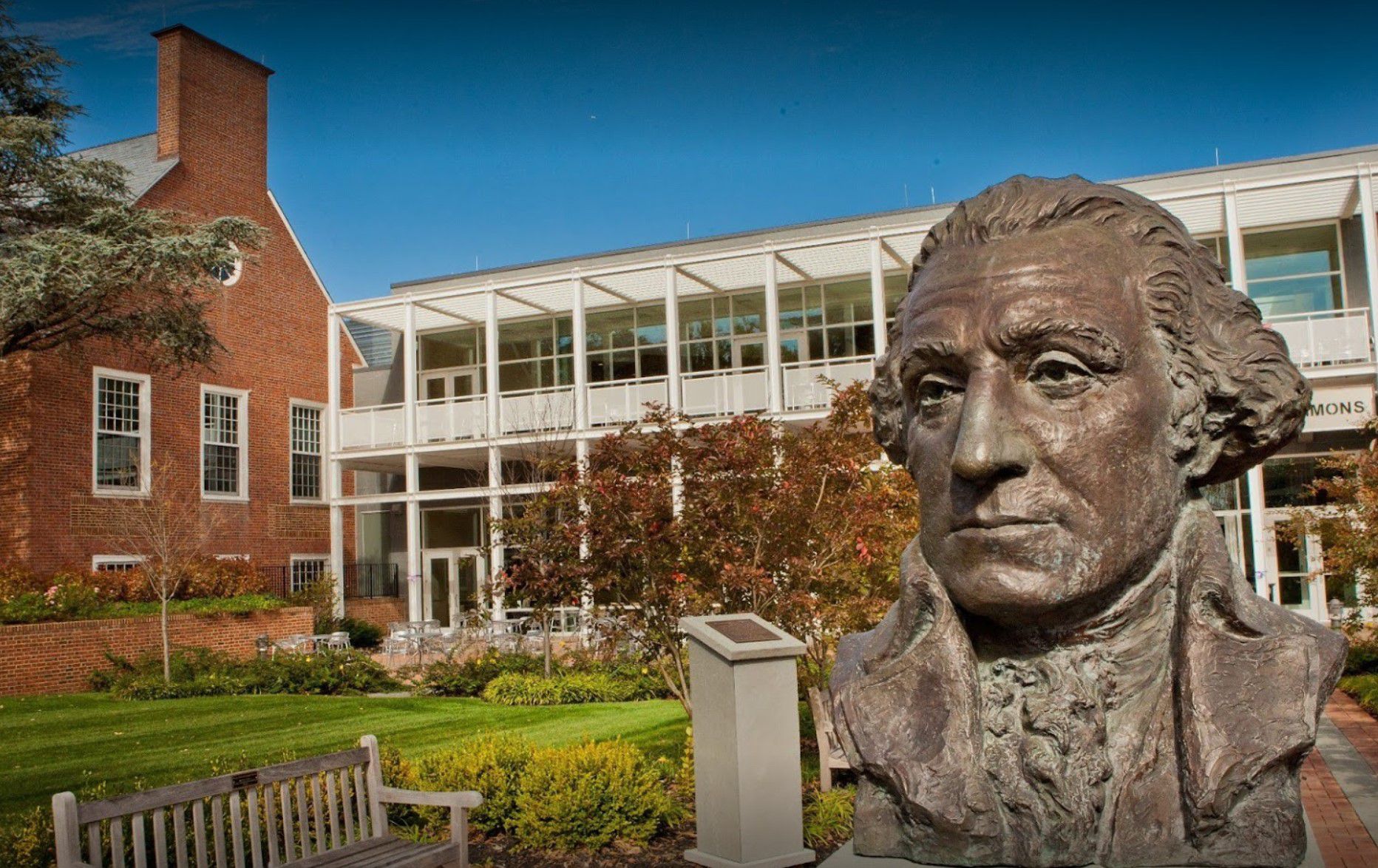
The Ivies don’t have the market cornered on campus traditions that happen in the raw. Maryland’s Washington College, which has an enrollment of about 1,300 undergraduates, has seen its students baring all for a unique celebration every year since the late 1960s. May Day happens on the first day of that month and sees students welcome spring by drinking, celebrating and dancing n*ked around a maypole.
While it sounds like something out of “The Wicker Man,” Washington students and alumnus have described it as lighthearted and liberating, despite the fact that campus police have had to arrest known s*x offenders who made a trip to view the festivities in the past.
Washington College
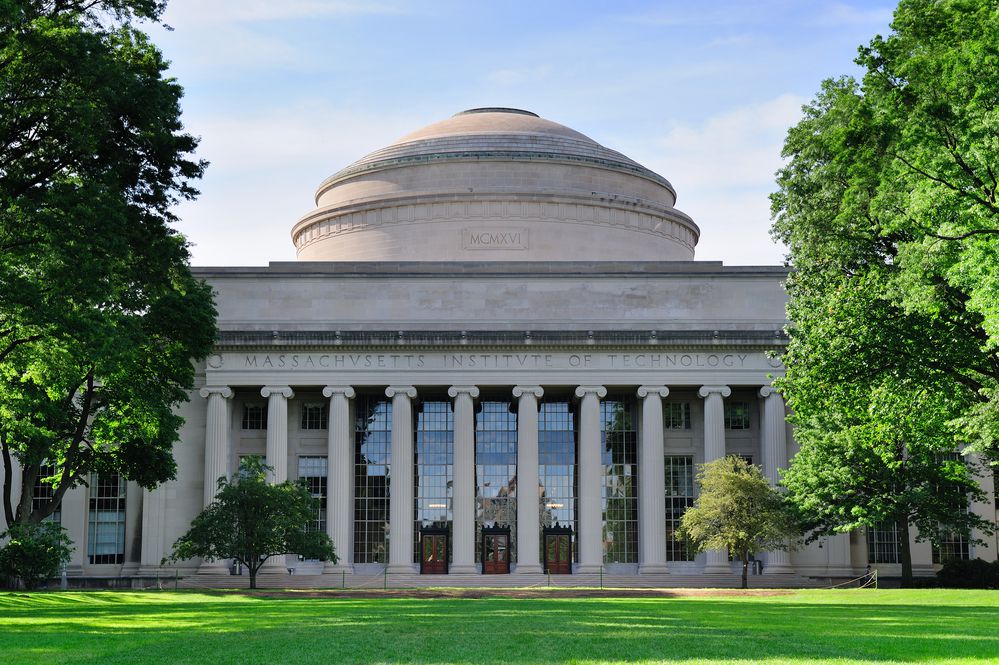
The students at MIT have given the world some incredible breakthroughs in science and technology … and they’ve also given it a truly unique campus tradition. Dating back to 1972, students have been leaving their mark on the pavement in front of the Baker Hall dormitory by dropping a piano from its roof once a year.
The thrilling event happens on Drop Day, the last day students can drop classes during spring semester, and sees a piano plummet seven stories to the delight of everyone within earshot.
DepositPhotos.com

Since the early 1950s, students at Ohio’s Miami University have celebrated a day of drunken debauchery that’s been described as “more exciting than graduation.” Green Beer Day is, just as it sounds, a day where the gallons of beer served in the local bars is dyed green, despite it often not falling on Saint Patrick’s Day.
Green Beer Day happens on the Thursday before Miami’s spring break and sees students drinking from morning until the next morning, much to the chagrin of local police and many of the faculty and administrators at the school, which doesn’t sanction the event.
EEJCC

While most campus traditions are reserved especially for students or alumni, this one is open for anyone to enjoy. Auburn’s James E. Foy Information Desk, named for a beloved former dean of the Alabama school, has been taking calls since the 1950s and was basically the original Google.
The students who work the phones at the desk will attempt to answer any question a caller poses, no matter how obscure it may be. In 2014, the hotline went viral, thanks to a Reddit post, and saw one staffer answer about 300 calls in five hours. Have a burning question? Simply dial 334-844-4244 and ask Foy!
Auburn University

Not many campus traditions have found themselves holding a Guinness World Record but Carnegie Mellon’s most unique one once did as the world’s most painted-on object. The Fence, as it’s known around the Pittsburgh campus, has been standing since 1923 and has seen countless students apply countless layers of paint to its surface.
As the rules of The Fence state, student organizations have from midnight until 6 a.m. on their appointed date to paint the structure in its entirety, using only hand brushes, to display whatever message they are promoting. A member of that group must then stand guard at The Fence at all times to protect their work — until the next group takes over. You can see The Fence in the background of this shot.
Carnegie Mellon University, Pittsburgh, Pa.
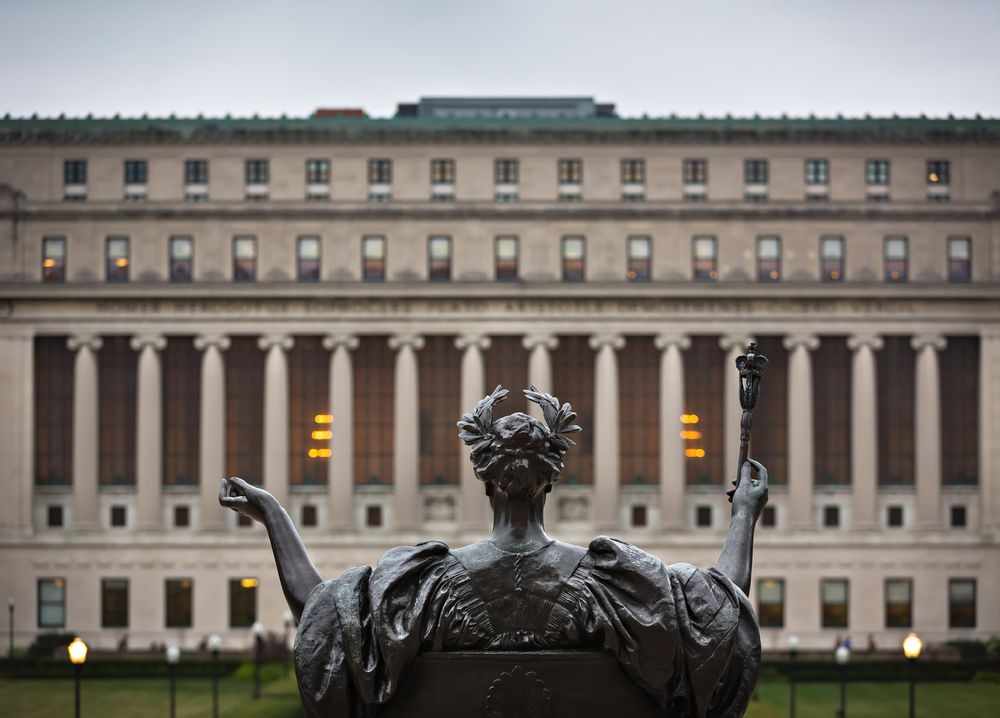
Columbia is home to some fantastic campus traditions, including the Joyce Kilmer Memorial Annual Bad Poetry Contest, but Orgo Night is the dean of them all. Dating back to 1975, this wild tradition sees hundreds of students, including the marching band, swarm Butler Library on the night before organic chemistry students take their final exam (which is where the odd name comes from).
The event itself is exactly the opposite of what you’d expect to be happening inside a library on an Ivy League campus before a pressure-packed exam, with raucous musical performances accompanying live comedy aimed at satirizing the school year before it closes.
DepositPhotos.com
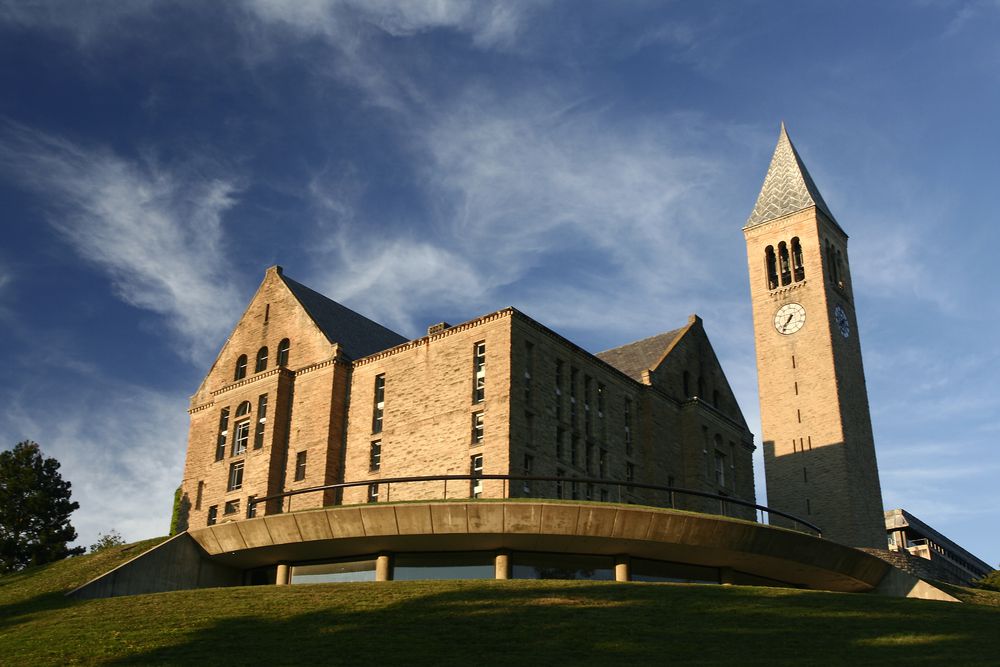
Now that the tradition of sledding down snowy Libe Slope on cafeteria trays has been banned, Dragon Day is unquestionably the best of all Cornell customs. This larger-than-life celebration has been happening every March at the Ithaca, New York, campus since at least 1901.
First-year architecture students design and construct a massive dragon and use it to lead a parade around campus. The procession used to end with the dragon being torched, but safety ordinances have banned that practice and now it culminates with a battle between the dragon and beasts built by students from other Cornell programs.
DepositPhotos.com
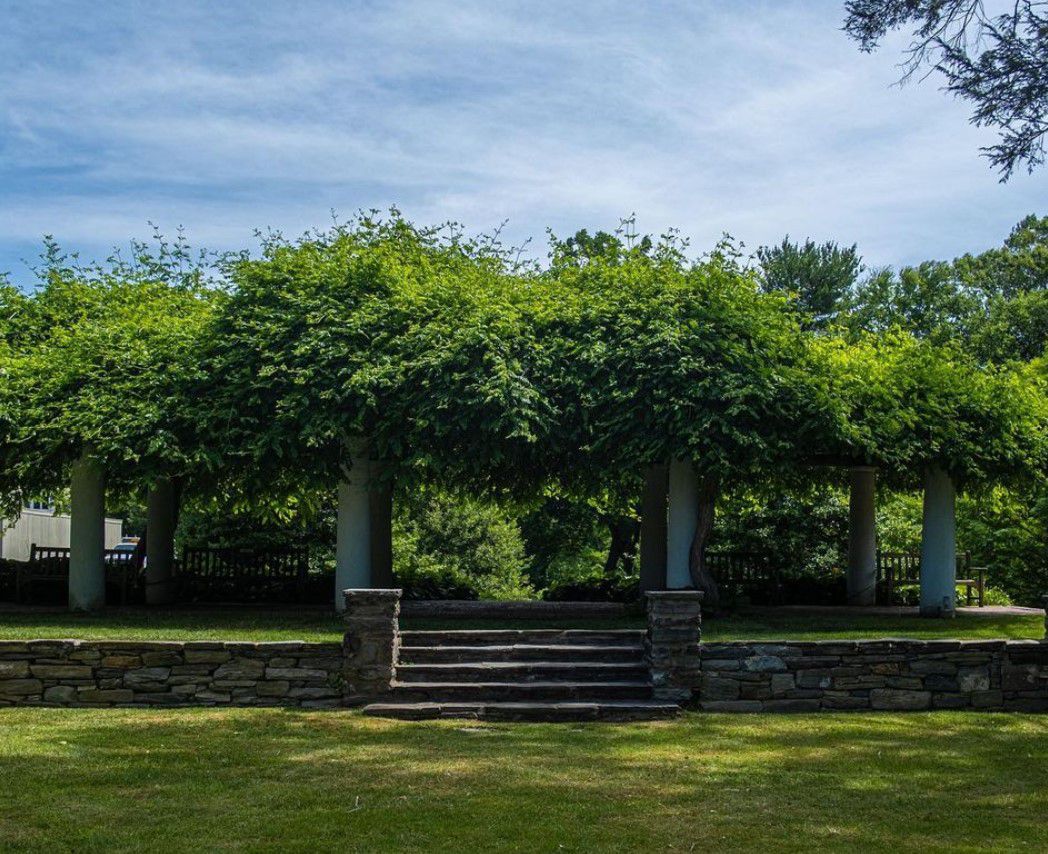
This tradition used to exist at many schools across America but, as of this writing, only a few still require it, including Pennsylvania’s Bryn Mawr. In order for students to graduate from the prestigious women’s college, they must pass a swim test at some point during their tenure.
The test requires each student to swim continuously for 10 minutes, followed by one minute each of floating and treading water. Columbia University has a similar requirement before graduation, but it only requires students to swim three laps of the school’s pool.
bmc_admissions / Instagram
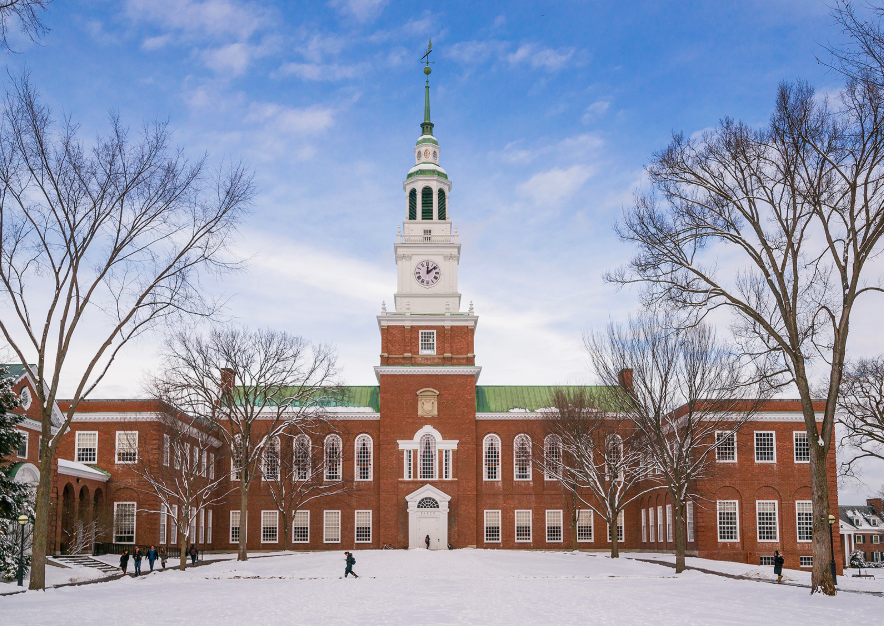
This New Hampshire Ivy has several outstanding campus traditions, including an annual “beach party” that’s held in a fraternity house filled with sand on a February night and the Ledyard Bridge Challenge, which involves swimming and sprinting in the n*de. But it’s the so-called Dartmouth Seven that tempts the bravest students to leave their mark on the historic campus.
This risky challenge asks undergraduates to have s*x at seven iconic locations around Dartmouth before they graduate, all of which come with a high risk of being caught. The locations include the 50-yard line of the football field, inside Dartmouth Hall and at the BEMA amphitheater.
Dartmouth.edu

If you thought The Masters was Georgia’s greatest sporting event, you clearly haven’t witnessed The Mini 500. Every fall since 1969, on the Friday before Georgia Tech’s homecoming football game, students compete in a road race that can only be described as … special.
Teams of seven people — four of whom take turns riding and three of whom are on the pit crew — battle to see which group can complete eight laps around the Peters Parking Deck while riding a children’s tricycle.
What makes the race a real doozy is the fact that each team must rotate their front tire three times throughout the race, leading to many wrecks when the flimsy tricycle invariably falls apart under the weight of its adult rider.
Georgia Tech

One of the oldest bizarre traditions held on an American campus happens every year at South Dakota State. Dating back to the early 1900s, Hobo Day has been a can’t-miss event for all Jackrabbits and honestly anyone around the city of Brookings.
Every fall, students at SDSU essentially turn the campus into a massive “hobo camp,” dressing in their best hobo-inspired outfits, competing in the so-called Bum Olympics and the Miss Homelycoming pageant. Maybe the best tradition of all sees students cease shaving their faces and/or legs for a month leading up to Hobo Day to see who has the most unkempt growth.
South Dakota State University

Plenty of obscure traditions on college campuses are related to athletics and this one from Penn is truly one of a kind. At the third quarter of every home football game for the Quakers, students in the stands fling slices of toast onto the field, regardless of what the present game situation may be.
The tradition started in the 1970s, when alcohol was banned from Penn’s football stadium, making this the closest thing fans could do to raise a “toast to dear old Penn,” as is urged during the beloved school song, “Drink a Highball.” According to the school, as many as 30,000 pieces of toast can be thrown per game during a good season.
pkujiahe / istockphoto

At Ohio State, football is essentially a religion and the school’s annual game against arch-rival Michigan is the high holy day. As such, several of OSU’s best traditions revolve around the contest, such as students taking an annual leap into the frigid Mirror Lake.
However, the stranger and more labor-intensive custom on the Columbus campus happens during the entire week leading up to the game, when every letter “M” visible around the school is covered up. Whether found on campus buildings, signposts or even speed limit markers, no “M” is safe during Michigan week.
peterspiro / istockphoto

While many of the traditions listed here can generously be described as self-indulgent, Penn State’s IFC/Panhellenic Dance Marathon, aka Thon, has raised hundreds of millions of dollars to fight childhood cancer. Even with all that goodwill on its side, the tradition is still plenty bizarre.
Every February, Penn State students cram into the school’s Bryce Jordan Center to take part in a dance marathon that lasts for 46 hours. Participants aren’t allowed to sit or sleep during that span, making it likely the most grueling campus tradition on this list.
Penn State University
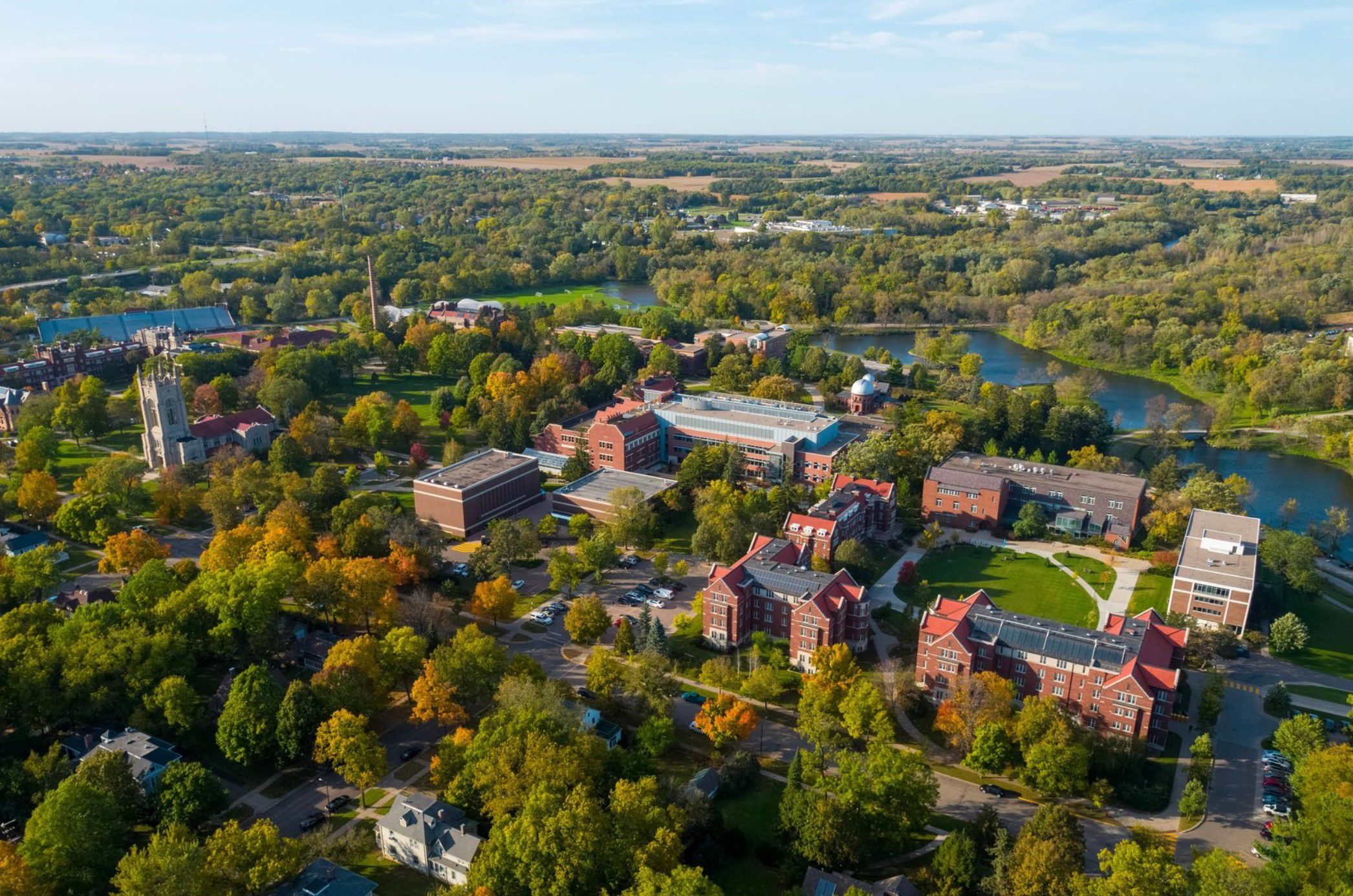
Students at Minnesota’s Carleton College have concocted a few of the most unique campus traditions we found in researching this list. For one, they host an annual silent dance party that sees students don headphones, listen to a synchronized playlist and party in a library while making as little noise as possible. But the Rotblatt, which has existed since the late 1960s, is truly a masterpiece of wild traditions.
Every year, two teams of students take to a softball field at dawn for a game that lasts an inning for every year the college has existed. Given that Carleton was founded in 1866, that means more than 150 innings at this point, and counting. To make the whole thing even better, players are expected to hold a drink in their hand during the entire marathon contest.
Carleton College
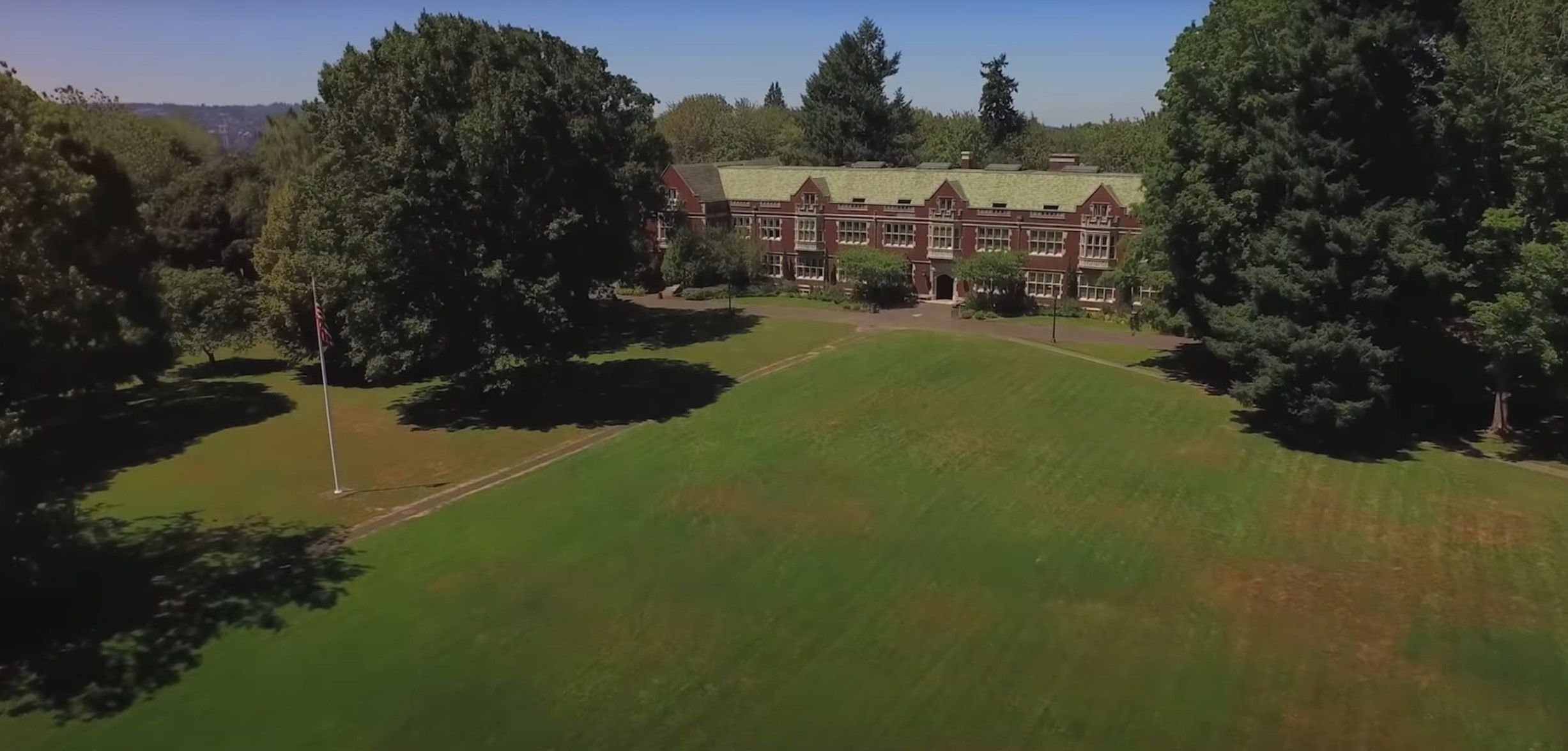
The end of a school year is a time full of anxiety and tension — and the students at Oregon’s Reed College have found a cathartic way to let it all go when their work is done. All seniors at Reed have to complete a thesis project that they work on for an entire year, leaving them with mountains of research, notes and drafts once they’ve finally turned in the finished project.
As part of the school’s annual year-end Renn Fayre celebration — which is loaded with unique traditions — seniors are invited to burn their early drafts in a bonfire, which has to be as satisfying as any custom on this list.
Reed College
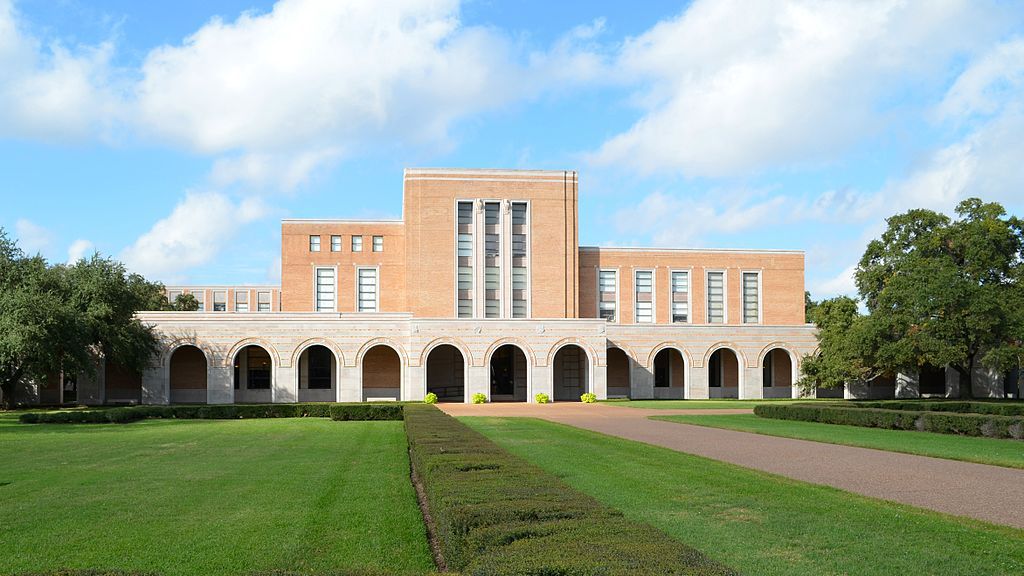
You can probably put the nuts and bolts of this campus tradition together from its title, but Beer Bike is a little more complex than it sounds. Every year since 1957, students at this Houston institution have formed teams and competed in a bicycle relay race that involves copious amounts of drinking.
The school says there are a lot of “elaborate rules” for Beer Bike, but the gist is that every team has 10 designated riders and 10 designated chuggers, who have key roles in the competition.
On men’s teams, the chugger has to slam 24 ounces of beer (or water if they’re under 21) before a rider can take off for three laps around the track. This continues until all riders and chuggers have done their parts.
Leonard Lane

If there’s a campus tradition that inspires intellectual young adults to channel their inner children, it’s Swarthmore’s annual Pterodactyl Hunt. Every fall, students at the Pennsylvania liberal arts college wear trash bags over their clothes and wield foam bats while running around the campus, hunting pterodactyls and monsters.
Those creatures come in the form of other Swarthmore students dressed in costumes, who gladly take the beatings in the name of fun. One former student called the Pterodacyl Hunt a chance for students to “just be completely ridiculous for an evening.”
Smallbones
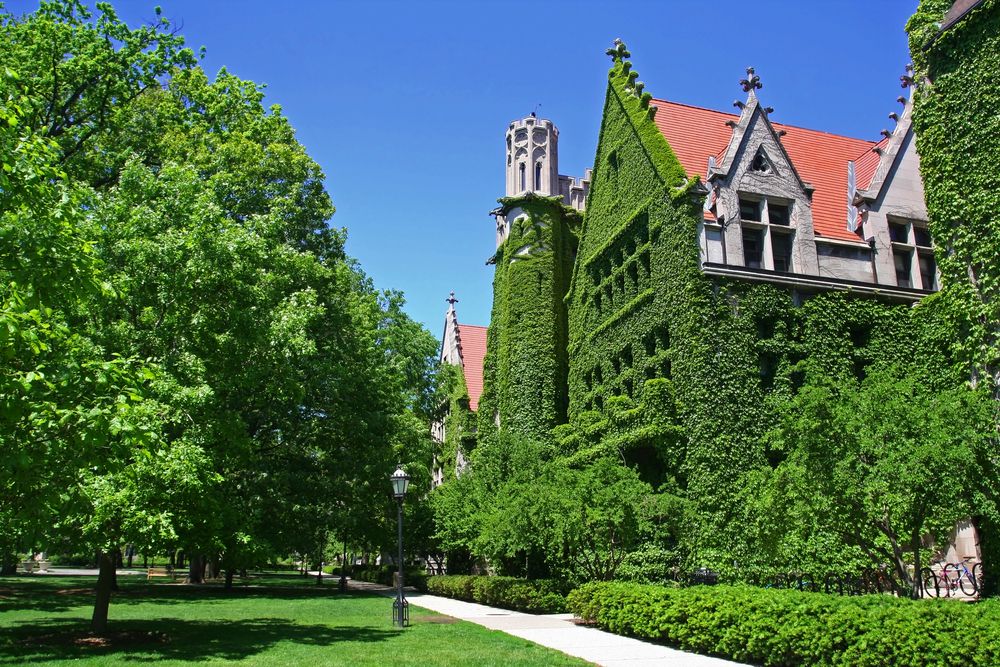
Speaking of mythical hunts, the University of Chicago is home to what could be described as the most epic scavenger hunt in existence. The Scav, as it’s called at the prestigious school, has taken place every year since 1987 and has grown progressively more outlandish in the passing decades.
Hundreds of students and alumni compete to rack up points by performing feats and finding or creating items over a span of four days. According to a book about the tradition, students have gotten married, gotten tattoos, been circumcised, built working nuclear reactors and taken plane rides to unknown destinations, all for the glory of The Scav.
DepositPhotos.com

Of all the traditions we’ve recounted here, the annual Pull at Michigan’s Hope College has to be one of the oldest and most intense. This titanic match of tug-of-war pits 36 freshmen against 36 sophomores, 18 of whom pull the rope and 18 of whom act as morale boosters, and has been known to be a marathon. Since it was first held in 1898, the Pull has run the gamut in length from less than three minutes to more than three hours before a winner was crowned.
Hope College
Washington, D.C.’s Gallaudet University is renowned as America’s top institution for students who are deaf or hard of hearing — but it’s also home to a truly bizarre campus tradition. Every year since at least 1900, first-year students at Gallaudet have seen their initial term end with a ceremony that is equal parts sullen and silly.
As legend has it, the freshmen classes in the old days would take care of two rats every year and then kill them and hold an elaborate funeral ceremony at the end of the school year. Today, fake rats are used, but the ceremony honoring their “lives” and burying them on campus is still as serious as ever.
Gallaudet University

Every winter, one liberal arts college in eastern Wisconsin becomes the center of the trivia universe for an entire weekend. Lawrence University’s Great Midwest Trivia Contest is like trivia night at your local bar — except it lasts for 50 straight hours.
Emanating from the campus radio station since 1966, the contest sees an obscure question asked every five minutes, with teams racing to call in with their answer. There are countless mini-traditions packed into this one epic campus tradition, including the oddly specific starting time of exactly 37 seconds after 10 p.m. on the Friday night when it begins.
Lawrence University

Of all the physically demanding challenges on this list, NC State’s Krispy Kreme Challenge might sound the most awful. In 2004, a group of students at the Raleigh campus challenged themselves to sprint from the school’s signature bell tower to a Krispy Kreme bakery more than 2 miles away, eat 12 glazed doughnuts each and then sprint back to campus.
That challenge has grown to become a signature philanthropic event at NC State, raising roughly $2 million for the University of North Carolina Children’s Hospital in the years since.
North Carolina State University
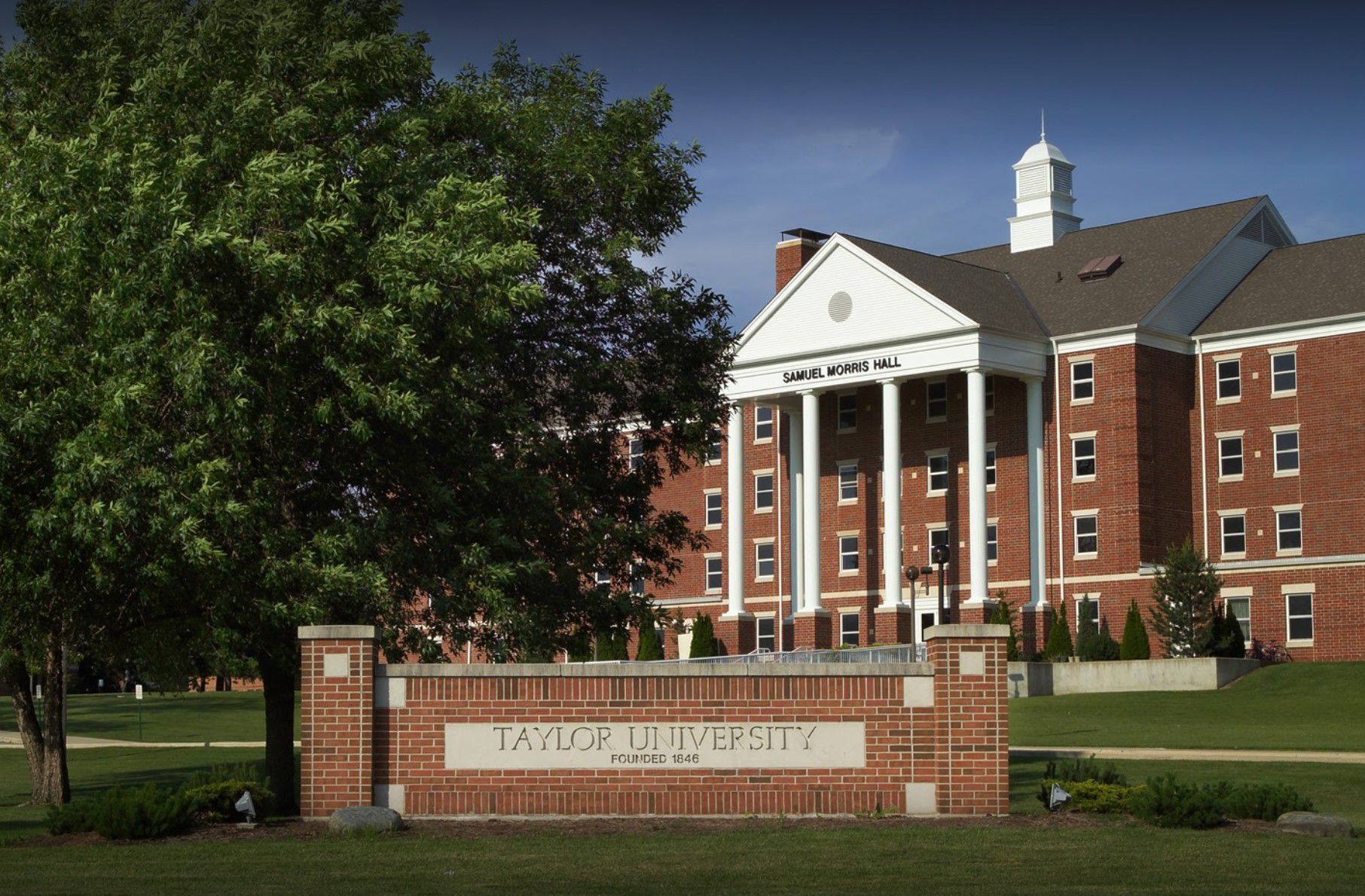
College sports traditions typically elicit rowdy behavior from students, but Taylor University’s annual Silent Night aims for something more eerie. At the Friday night men’s basketball game before finals week at the Indiana school, students cram into the arena in costume and remain completely silent until the Trojans score their 10th point. It makes for a bizarre feeling during the early minutes of the game, which has clearly affected opponents since Taylor is 22-1 all time in Silent Night games!
Taylor University
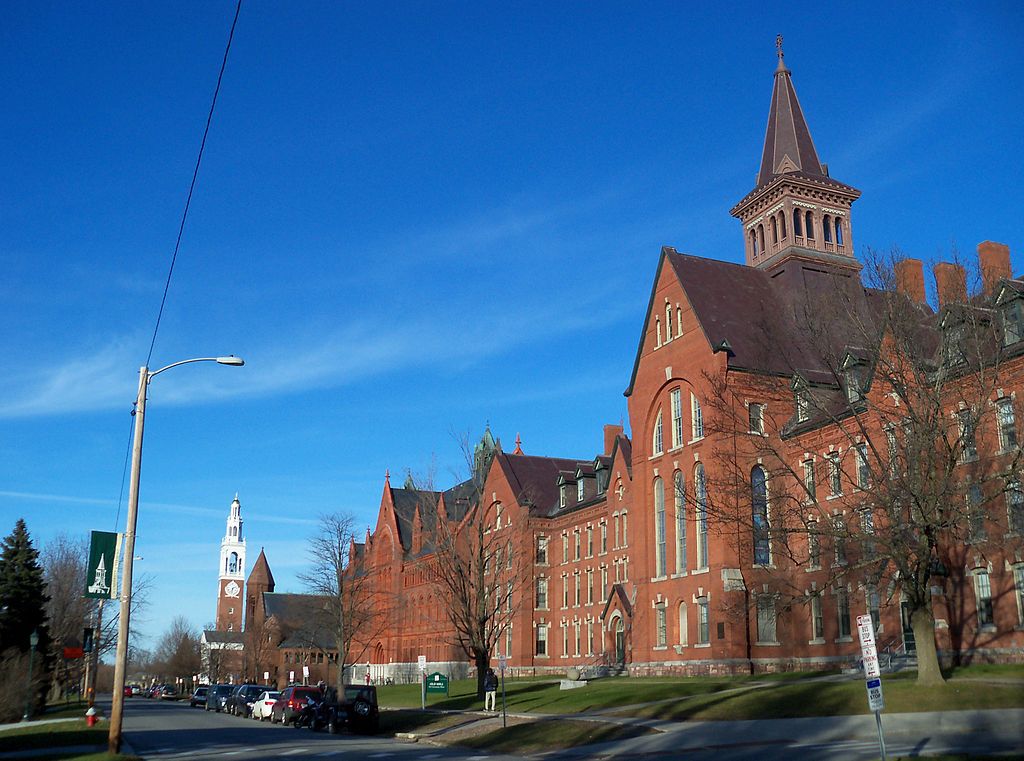
If simple streaking wasn’t enough for you, students at the University of Vermont have found a decidedly more uncomfortable way to bare all for their weirdest campus tradition.
Twice a year, on the night before final exams begin each semester, UVM students strip down, mount bicycles and ride around the Burlington campus to relieve some pent-up anxiety. The school recently stopped providing security for the event on the grounds that it’s too expensive, but this bike ride has been a beloved tradition for uninhibited students since 2000.
AlexiusHoratius
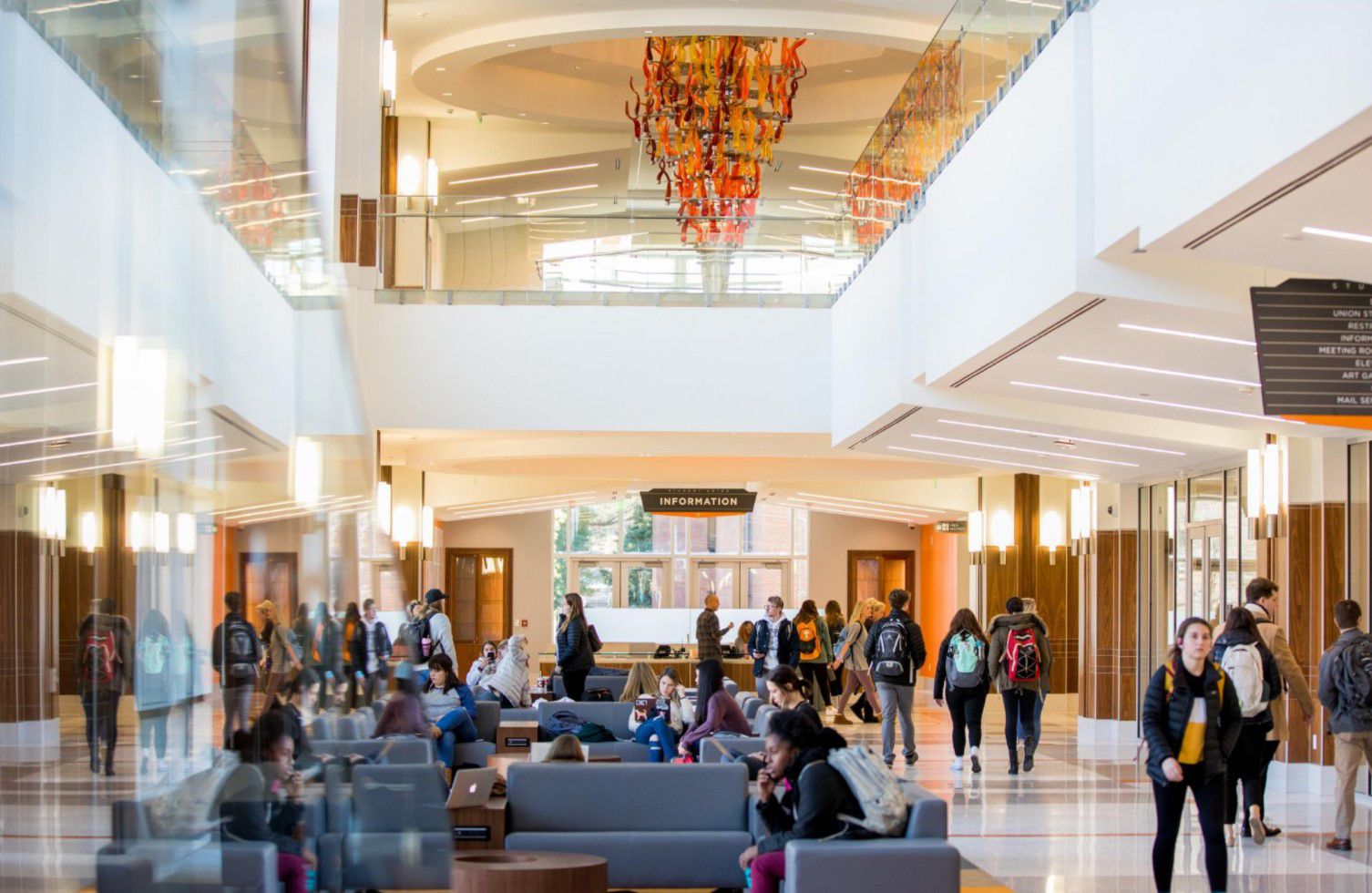
Athletic traditions at American colleges don’t get much more violent than Tennessee’s annual Boxing Weekend. Since 1980, members of various UT fraternities — and, more recently, sororities — have been signing up to step into the ring and try to knock one another out at Knoxville’s Golden Gloves Gym.
The event is part of a rowdy weekend on the campus and sees the gym packed with students who want to watch their classmates pummel one another. Every year, the tournament raises enough money to provide the gym with new equipment and to support three other boxing clubs around the state.
University Of Tennessee
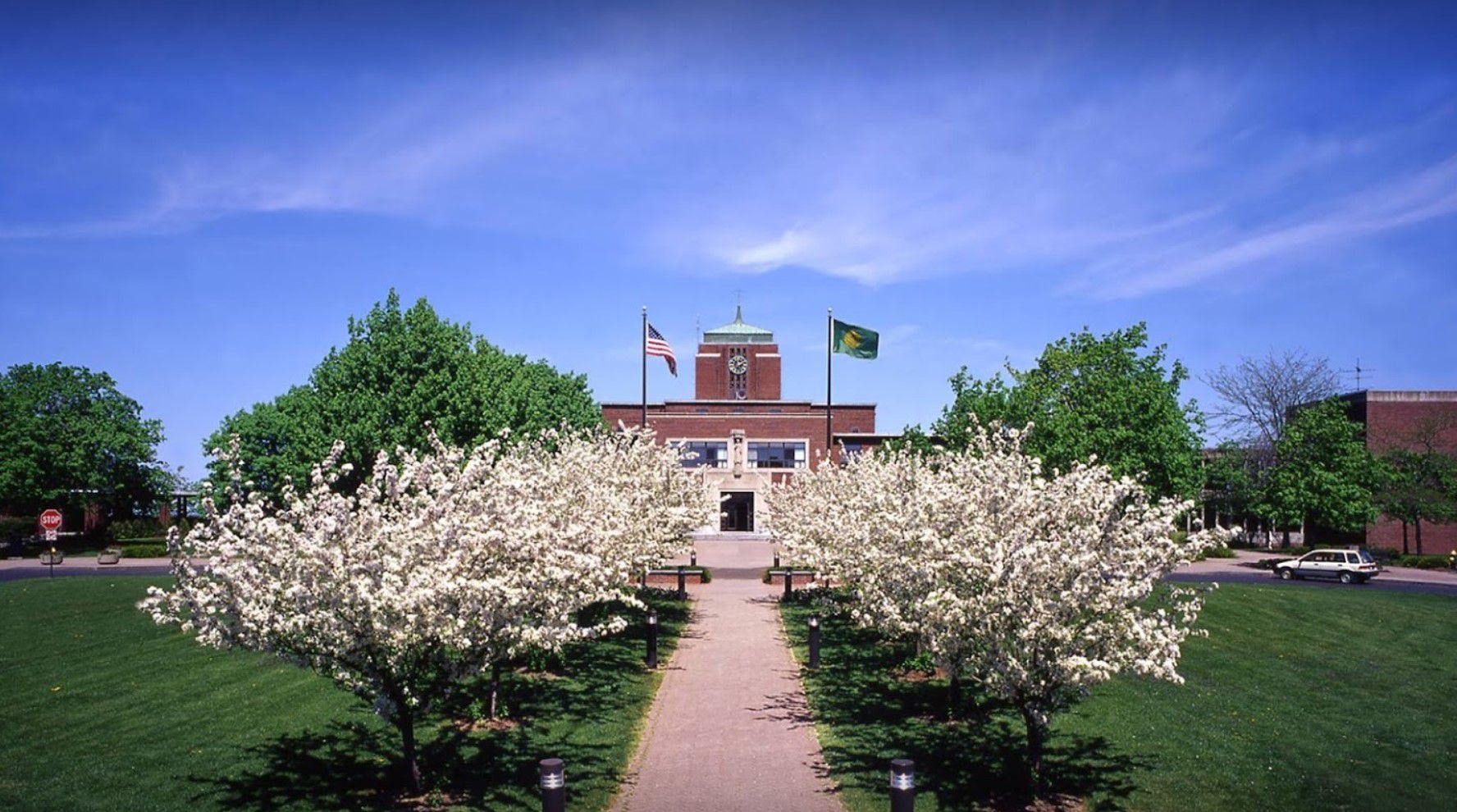
Being startled awake by early morning fireworks would be a major annoyance in most parts of the world, but at Syracuse’s Le Moyne College, it’s like music to the ears of students. That surprise display of pyrotechnics announces the start of Dolphy Day, which is an impromptu day off from classes that happens every spring. The unexpected holiday includes 24 hours of partying and relaxation for students and has been a tradition at Le Moyne since 1971.
Le Moyne College

Allow college students in the woods of Amherst, Massachusetts, to come up with their own rite of spring and you can bet it will involve lots of drinking. Since 1998, the students at Hampshire College have rushed forth from their quarters once a year in early spring to hunt for colorful kegs of beer hidden in the forest.
The Easter Keg Hunt begins at dawn, following the kegs being placed throughout the woods on the previous night by groups of seniors, and typically sees every drop of ale consumed by noon, making for a day of revelry unlike any other at the small college.
This article
originally appeared on SimpleMost.comand was
syndicated by MediaFeed.org.
Hampshire College

DepositPhotos.com
Featured Image Credit: AaronAmat / iStock.