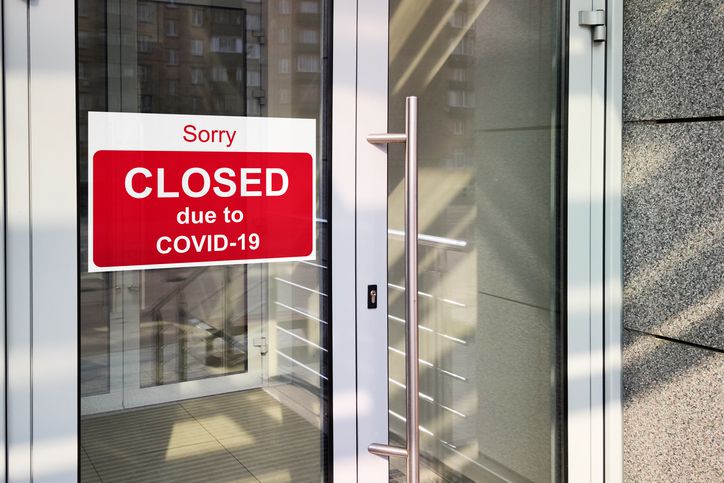
The CARES Act stimulus checks may offer some relief to taxpayers amid the coronavirus outbreak, but distribution may pose a problem for the millions who don’t use direct deposit to receive their tax refunds. In 2019, 19.8 million taxpayers waited longer for their tax refunds to arrive via paper check. Today, these same taxpayers will have to wait longer again — potentially up to an additional three months — for their stimulus checks.
MagnifyMoney looked at the 100 largest metro areas in the U.S. to determine where taxpayers used direct deposit the most (and least) to receive their 2018 tax refund. Cities with the highest percentages of check-receiving taxpayers are where people will likely wait longer for financial relief to arrive.
Image Credit: fizkes / iStock.
Methodology

In March, MagnifyMoney examined local-level 2018 tax filing season data from the IRS to identify where taxpayers in each of the 100 largest metros were more and less likely to receive their tax refunds by direct deposit.
For more information on the rest of the stimulus package, refer to our hub page.
The places ranking highest on the list are where taxpayers are most likely to experience delays receiving stimulus payments, given the lag in getting a paper check in the mail compared with money that’s direct deposited into your account.
Taxpayers in California are more likely to be left waiting for their stimulus checks, with half of the top 10 metro areas located in the Golden State.
Here are the 25 metro areas that will likely wait the longest:
Image Credit: DepositPhotos.com.
25. Grand Rapids, Michigan

Tax returns paid by check: 95,920
Checks/all tax returns: 18.3%
Image Credit: depositphotos.com.
24. St. Louis

Tax returns paid by check: 199,590
Checks/all tax returns: 18.5%
Image Credit: DepositPhotos.com.
23. Albany, New York

Tax returns paid by check: 84,480
Checks/all tax returns: 18.6%
Image Credit: DepositPhotos.com.
22. Cleveland, Ohio

Tax returns paid by check: 253,800
Checks/all tax returns: 18.6%
Image Credit: DepositPhotos.com.
21. Buffalo, New York

Tax returns paid by check: 88,690
Checks/all tax returns: 18.7%
Image Credit: iStock/Hsa_Htaw.
20. Youngstown, Ohio
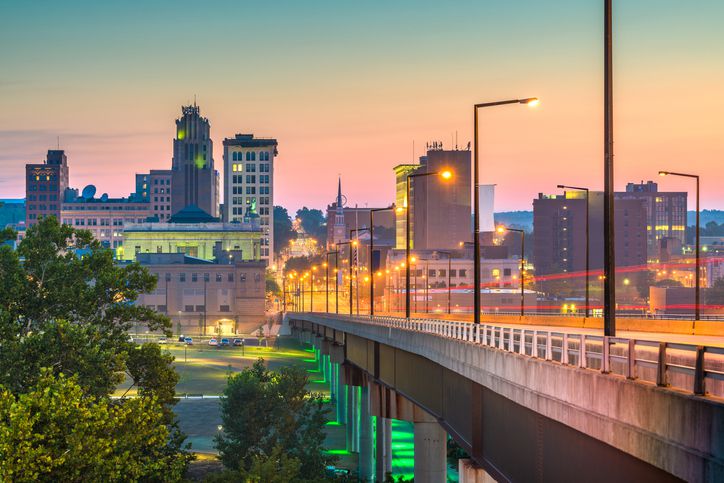
Tax returns paid by check: 46,150
Checks/all tax returns: 18.8%
Image Credit: Sean Pavone / iStock.
19. Detroit
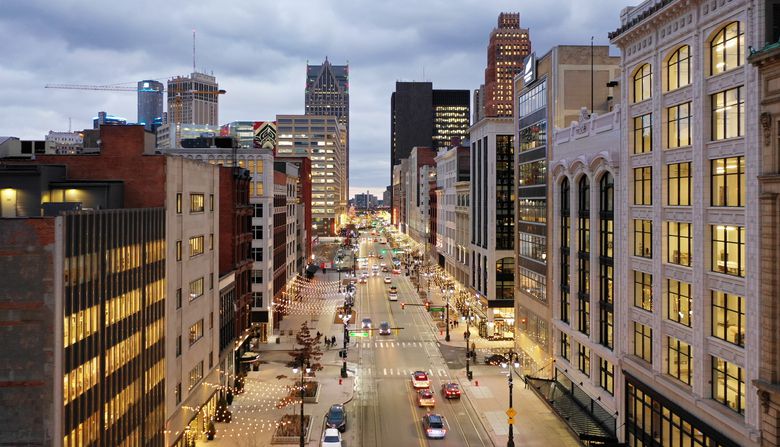
Tax returns paid by check: 371,760
Checks/all tax returns: 18.9%
Image Credit: iStock/espiegle.
18. Green Bay, Wisconsin
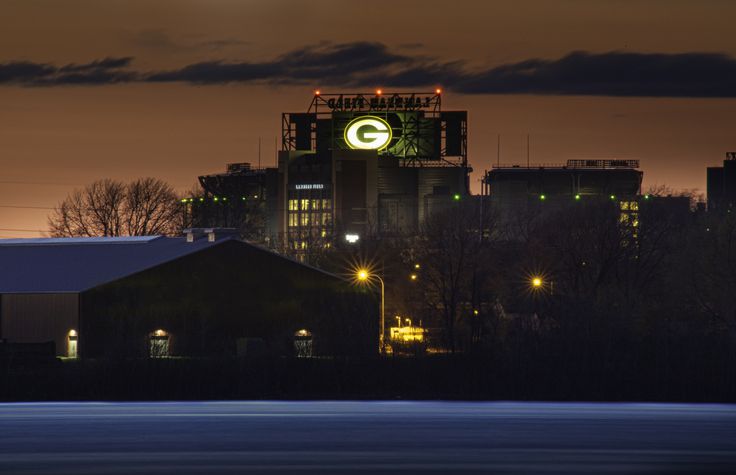
Tax returns paid by check: 26,160
Checks/all tax returns: 18.9%
Image Credit: ImagesbyK / iStock.
17. Milwaukee

Tax returns paid by check: 143,830
Checks/all tax returns: 19%
Image Credit: iStock.
16. Asheville, North Carolina
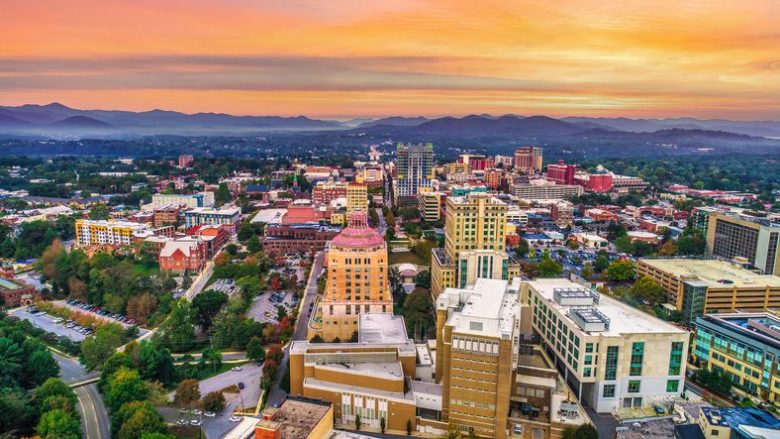
Tax returns paid by check: 31,800
Checks/all tax returns: 19.5%
Image Credit: .
15. Harrisburg, Pennsylvania

Tax returns paid by check: 100,170
Checks/all tax returns: 19.7%
Image Credit: Sean Pavone / iStock.
14. Philadelphia

Tax returns paid by check: 533,890
Checks/all tax returns: 19.9%
Image Credit: iStock/vichie81.
13. Portland, Maine

Tax returns paid by check: 49,810
Checks/all tax returns: 20%
Image Credit: Deposit Photos.
12. Los Angeles

Tax returns paid by check: 1.23 million
Checks/all tax returns: 20%
Image Credit: DepositPhotos.com.
11. New York, New York

Tax returns paid by check: 1.78 million
Checks/all tax returns: 20.1%
Image Credit: Eloi_Omella.
10. Sacramento, California

Tax returns paid by check: 168,020
Checks/all tax returns: 20.1%
Image Credit: DepositPhotos.com.
9. Appleton, Wisconsin
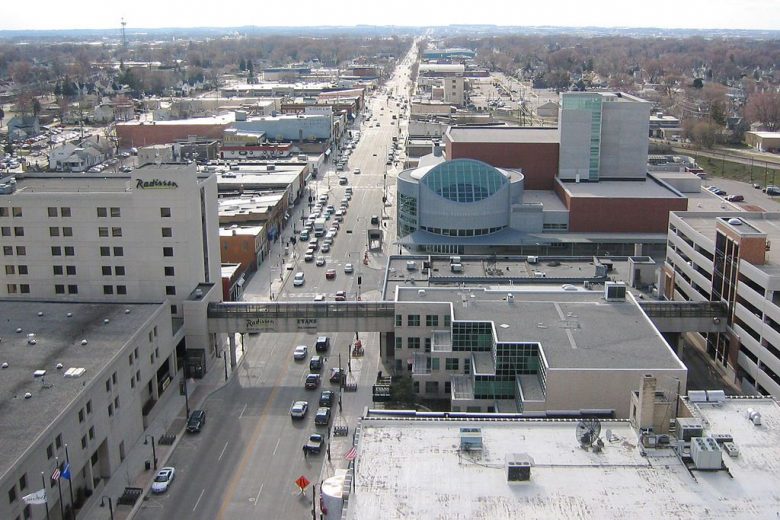
Tax returns paid by check: 31,490
Checks/all tax returns: 20.3%
Image Credit: Ragingpeasant at English Wikipedia.
8. Pittsburgh

Tax returns paid by check: 214,410
Checks/all tax returns: 21%
Image Credit: iStock/f11photo.
7. Boston

Tax returns paid by check: 677,770
Checks/all tax returns: 21.5%
Image Credit: iStock/pabradyphoto.
6. Springfield, Massachusetts

Tax returns paid by check: 55,890
Checks/all tax returns: 21.7%
Image Credit: Deposit Photos.
5. Modesto, California
Tax returns paid by check: 57,510
Checks/all tax returns: 22.2%
Image Credit: Rex_Wholster / iStock.
4. San Francisco

Tax returns paid by check: 651,610
Checks/all tax returns: 22.6%
Image Credit: DepositPhotos.com.
3. Wasau, Wisconsin

Tax returns paid by check: 26,990
Checks/all tax returns: 22.7%
Image Credit: benkrut / iStock.
2. Fresno, California
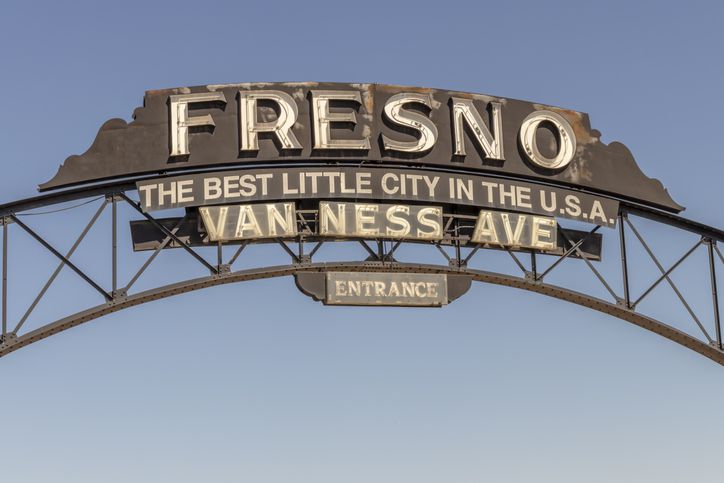
Tax returns paid by check: 81,650
Checks/all tax returns: 23.4%
Image Credit: StellaMc / iStock.
1. Visalia, California
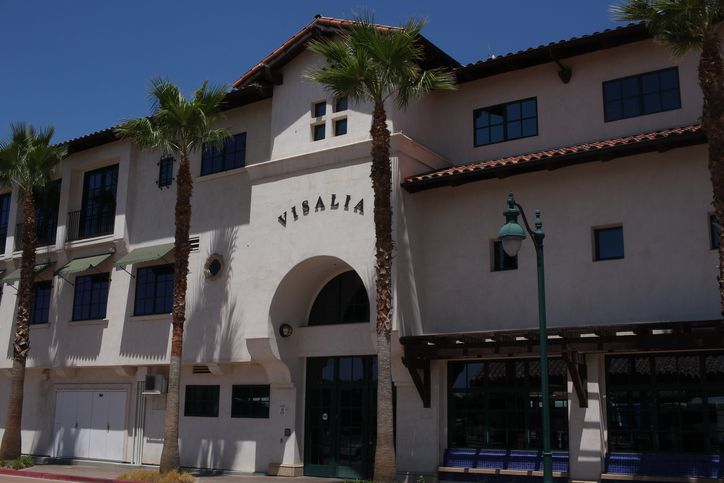
Tax returns paid by check: 46,330
Checks/all tax returns: 25.9%
Image Credit: Esme7 / iStock.
What to do if you don’t use direct deposit

If you’re one of the millions of U.S. taxpayers who don’t use direct deposit for your tax refunds, there are some actions that you can take and options available to ensure you receive your economic impact payment sooner rather than later.
1. File your 2019 tax return as soon as possible
The IRS will distribute these economic impact payments according to the information on taxpayers’ 2019 or 2018 tax returns, whichever is most recent. They will pull your income information as well as your payment method, whether that is direct deposit or paper check. You will need a valid Social Security number to be eligible for the payment.
If your information has changed since your 2018 tax return, it’s best to file your 2019 taxes before the IRS starts automatically sending out payments within the next three weeks. Expediting your filing is even more beneficial when you’re expecting a tax refund, which can provide some extra cash relief. However, the federal tax return deadline has been extended to July 15, 2020.
Individuals who typically don’t have to file a tax return do not need to file a simple tax return to receive the rebate. Instead, the IRS will pull information from Form SSA-1099 or Form RRB-1099 to determine benefits for senior citizens, Social Security recipients and railroad retirees. If you do not typically file a tax return but do not use those forms, you may want to file a simple tax return anyways.
2. Provide your banking information to the IRS online
The U.S. Department of the Treasury is expected to release an online portal “in the coming weeks” for individuals to provide their banking information to the IRS. This will allow you to easily update the IRS on any changes to your banking information.
You can check the IRS’s coronavirus information page for the latest updates.
3. Open an online bank account
Unfortunately, the reality in the U.S. is that about 8.4 million households don’t even have a checking or savings account into which they can direct deposit their tax refund according to the 2017 FDIC National Survey of Unbanked and Underbanked Households. These tend to be lower- or volatile-income households, meaning those already vulnerable and at-risk households may have to wait longer for the government’s stimulus payments to arrive.
If you or someone you know does not have a bank account, consider opening an online bank account so you can more quickly benefit from the stimulus payments. Online bank accounts are less likely to charge monthly service fees, which is often a reason why households are unbanked in the first place. Online savings accounts are also more likely to pay more in interest, which means your money grows while staying safe inside the account. Plus, opening an online bank account doesn’t involve visiting a bank branch, so you can maintain social distancing.
If you’re having trouble opening a traditional bank account due to a rocky financial past, second chance bank accounts are made to help you get back into the banking world. Issuers of these accounts have less strict background requirements, which opens up the opportunity to continue banking even if you have a history of account closures. These accounts are more likely to come with fees, however, which helps issuers cover potential losses.
This article originally appeared on MagnifyMoney.com and was syndicated by MediaFeed.org.
Image Credit: Extreme Media / iStock.