Anyone with basic computer knowledge can learn how to set up an Ethereum wallet. Doing so will be necessary to interact with the Ethereum ecosystem or send/receive ETH transactions.
There are many different types of Ethereum wallets and different developers or manufacturers for each type. Setting up an Ethereum wallet is one small part of learning more about Ethereum and how it works.
Related: How to buy Ethereum
What Is an Ethereum Wallet?
An Ethereum wallet is a collection of addresses that can be used to send and receive Ether (ETH), the native token of the Ethereum network.
Ethereum wallets, like all crypto wallets, fall into two broad categories: hot wallets and cold wallets. The term “hot” refers to the fact that the private keys to a wallet are held online at all times, making them potentially vulnerable. The term “cold” means that keys are held offline where they are safe from hackers or thieves — in either hardware wallets or paper wallets.
From a user perspective, the main difference between a hot and cold wallet is that hot wallets are more readily available for sending transactions.
What Is an Ethereum Account?
An Ethereum account holds a balance of ETH and can broadcast transactions over the Ethereum network. These accounts can be user-controlled (like wallets) or function as automated smart contracts.
There are two types of Ethereum accounts:
- Those that are externally owned and controlled by whoever holds the private keys
- Smart contract accounts that are deployed to the network and controlled by code
Both accounts can send and receive ETH and interact with smart contracts.
What Is an Ethereum Address?
There are two types of Ethereum addresses: externally-owned addresses and contract addresses. An externally-owned address is an account consisting of a public and private key pair that holds user funds.
An Ethereum address is a 42 character hexadecimal string derived from the last 20 bytes of the public key of the account. 0x is appended in front of this string of characters.
For example: 0x8ba1f109551bd432803012645ac136ddd64dba72
Types of Ethereum Wallets
There are many different kinds of Ethereum wallets, each of which falls under the category of software wallet or hardware wallet. Below outlines the pros and cons of different types of Ethereum wallets. We’ll then dive into the details of each.
1. Web wallets
- Pros: Easy to set up and use
- Cons: Very insecure
2. Desktop wallets
- Pros: Easy to use
- Cons: More secure than web wallets but still vulnerable
3. Mobile wallets
- Pros: Convenient for transacting on mobile devices
- Cons: Not suitable for storing large amounts of crypto
4. Hardware wallets
- Pros: High degree of security, relatively easy to use
- Cons: Can be expensive, typically around $100
5. Paper wallets
- Pros: High degree of security
- Cons: Vulnerable to fire or water damage, user error could result in total loss of funds
Software ETH Wallet
Hot wallets are by definition software wallets. There are several different types of software wallets.
1. Web Wallet
Web-based wallets might be the least secure of all wallets. The keys to these crypto wallets are either held in your browser itself (in the case of non-hosted wallets) or on the servers of a crypto exchange (in the case of hosted wallets).
Some popular non-hosted Ethereum web wallets include MetaMask and MyEtherWallet. Some popular hosted wallets include those provided by crypto exchanges like Binance or Kraken.
2. Desktop Wallet
Desktop wallets involve simple desktop programs that allow users to send and receive transactions.
Desktop wallets are a type of hot wallet hosted on a desktop or laptop computer. A desktop wallet comes with a simple user interface that enables the sending, receiving, and storing of ETH.
3. Mobile Wallet
Mobile wallets are stored on mobile devices like smartphones. They can be among the easiest crypto wallets to use.
A useful feature of some mobile wallets is that they allow you to import a private key balance by scanning a QR code. If you have funds stored on a paper wallet, for example, you might be able to “sweep” the balance into a mobile wallet by scanning the QR code associated with the private key of the paper wallet.
4. Hardware ETH Wallet
Of all the different types of ETH wallets, many crypto wallet users find that hardware wallets provide the best mix of security and usability.
A hardware wallet can store private keys offline in cold storage and quickly be brought back online to make transactions. Most popular hardware wallets support Ethereum as well as multiple ERC-20 tokens that run atop the Ethereum network.
5. Paper ETH Wallet
Paper wallets are a somewhat outmoded method of wallet creation. Before hardware wallets were created, allowing users to take possession of their private keys in a secure fashion, paper wallets were one of the only ways to put crypto into cold storage.
A paper wallet simply involves printing out the private and public keys to a new wallet on a piece of paper. Users can still use paper wallets, but doing so exposes them to greater risk of user error than most other methods of crypto storage.
5 Steps to Create an Ethereum Wallet
How to set up an Ethereum wallet will differ depending on the type of wallet and the manufacturer or software developer who designed the wallet.
Here we’ll cover the steps to creating an online Ethereum wallet with MetaMask. MetaMask is a popular web-based wallet and can be convenient for some online applications that require ETH transactions, like games, DeFi or NFTs. This kind of wallet can be great for transactions, but is not well-suited for holding large amounts of crypto or long-term storage.
MetaMask can be used on both desktop and mobile devices. Here we’ll cover how to install Metamask on a desktop browser.
- Install MetaMask. It’s widely recommended to do so on Google Chrome, as problems are less likely to result than with other browsers. In Chrome, visit the URL metamask.io. Click the “Install MetaMask for Chrome” button and add the extension to your browser.
- Create a wallet. Once the extension has been installed, an image of a fox should appear above a button that says “get started.” Click the button. It will ask if you’re new to MetaMask. Select “create a wallet.”
- After creating a wallet, MetaMask will ask you to share your information to improve the service. You can choose to either agree or not. Either way, you can still use the wallet.
- Create a password. The next step the software will take you to is password creation. Passwords should be long, unique, and contain a mix of letters, numbers and special characters. Create a password, agree to the terms of use and select Create.
- Write down your seed phrase. Now MetaMask will reveal your 12-word backup seed phrase, or the Secret Backup Phrase, as they call it. This will serve as a backup to your keys in case you forget your password. Write this phrase on paper and keep it somewhere safe.
- Add Ether to your wallet. ETH can be bought on exchanges like those offered by Kraken or Coinbase, then transferred to your own wallet.
Tips for Keeping Your Ethereum Wallet Safe
Keeping your wallet safe depends on the type of wallet you have. Here are a few quick tips for different types of wallets:
- Web and desktop wallets: Make sure to back up your wallet regularly. If something were to happen to your browser or hard drive, the private keys could be lost, resulting in a total loss of funds.
- Mobile wallets: Backups are also important. Don’t use a mobile wallet on a wireless network you don’t know and trust. There have been cases of people having their wallet hacked while on public Wi-Fi networks like those found in coffee shops and airports.
- Hardware wallets: Your funds will already be secure — it’s more a matter of keeping the physical wallet and backup seed phrase in a secure location. Don’t store the seed phrase on any computer and don’t share it with anyone.
- Paper wallets: The wallet needs to be in a secure location and protected from water or fire damage. Consider laminating the wallet and keeping it inside a fire-proof lockbox.
The Takeaway
When setting up an Ethereum wallet, the correct wallet type will depend on what you intend to use your ETH for. There are different types of hot and cold wallets, each of which offers different benefits and drawbacks.
Learn More:
This article
originally appeared on SoFi.com and was
syndicated by MediaFeed.org.
SoFi Invest
The information provided is not meant to provide investment or financial advice. Investment decisions should be based on an individual’s specific financial needs, goals and risk profile. SoFi can’t guarantee future financial performance. Advisory services offered through SoFi Wealth, LLC. SoFi Securities, LLC, member FINRA / SIPC. SoFi Invest refers to the three investment and trading platforms operated by Social Finance, Inc. and its affiliates (described below). Individual customer accounts may be subject to the terms applicable to one or more of the platforms below.
1) Automated Investing—The Automated Investing platform is owned by SoFi Wealth LLC, an SEC Registered Investment Advisor (“Sofi Wealth“). Brokerage services are provided to SoFi Wealth LLC by SoFi Securities LLC, an affiliated SEC registered broker dealer and member FINRA/SIPC, (“Sofi Securities).
2) Active Investing—The Active Investing platform is owned by SoFi Securities LLC. Clearing and custody of all securities are provided by APEX Clearing Corporation.
3) Cryptocurrency is offered by SoFi Digital Assets, LLC, a FinCEN registered Money Service Business.
For additional disclosures related to the SoFi Invest platforms described above, including state licensure of Sofi Digital Assets, LLC, please visit www.sofi.com/legal. Neither the Investment Advisor Representatives of SoFi Wealth, nor the Registered Representatives of SoFi Securities are compensated for the sale of any product or service sold through any SoFi Invest platform. Information related to lending products contained herein should not be construed as an offer or pre-qualification for any loan product offered by SoFi Lending Corp and/or its affiliates.
Crypto: Bitcoin and other cryptocurrencies aren’t endorsed or guaranteed by any government, are volatile, and involve a high degree of risk. Consumer protection and securities laws don’t regulate cryptocurrencies to the same degree as traditional brokerage and investment products. Research and knowledge are essential prerequisites before engaging with any cryptocurrency. US regulators, including FINRA, the SEC, and the CFPB have issued public advisories concerning digital asset risk. Cryptocurrency purchases should not be made with funds drawn from financial products including student loans, personal loans, mortgage refinancing, savings, retirement funds or traditional investments. Limitations apply to trading certain crypto assets and may not be available to residents of all states.
Third Party Brand Mentions: No brands or products mentioned are affiliated with SoFi, nor do they endorse or sponsor this article. Third party trademarks referenced herein are property of their respective owners.
External Websites: The information and analysis provided through hyperlinks to third party websites, while believed to be accurate, cannot be guaranteed by SoFi. Links are provided for informational purposes and should not be viewed as an endorsement.
Financial Tips & Strategies: The tips provided on this website are of a general nature and do not take into account your specific objectives, financial situation, and needs. You should always consider their appropriateness given your own circumstances.
More from MediaFeed:
Top 30 cryptocurrencies

Since the pseudonymous Satoshi Nakamoto penned a white paper for Bitcoin in 2009, an estimated 7,400 cryptocurrencies have been unleashed into the world.
Cryptocurrencies have become wildly popular trading vehicles. At one point, the entire cryptocurrency market ballooned to as much as $2.2 trillion in size, and the advent of digital coins has prompted even central banks to look into virtual versions of fiat currency.
For potential cryptocurrency investors, it may be daunting to sift through the thousands of digital currencies and try to pick one to trade. But one way to go about it may be looking at the market capitalizations of a virtual currency.
Here’s a closer look at what the market cap of a digital coin tells you and a list of the top cryptocurrencies by market cap.
Related: Crypto taxes 2021: How to pay taxes on cryptocurrency
tigerstrawberry / iStock

Calculating the market cap of a cryptocurrency involves taking the price of the digital currency and multiplying it by the number of coins in circulation.
Crypto Market Cap = Number of Coins in Circulation X Coin Price
The market cap of a cryptocurrency allows investors to gauge the total value of all the coins that are out there. In other words, it measures the size of that cryptocurrency’s market value.
SPmemory / iStock

Let’s take a look at Bitcoin, which was the very first cryptocurrency and has a price of $34,260.40 and about 18.7 million coins in circulation. That puts its market cap at $642 billion after multiplying the price by the number of coins in circulation.
To put that into perspective, that means the size of the Bitcoin market is more than double the size of the next largest cryptocurrency Ethereum, which has a market cap of $246 billion.
The market cap of Bitcoin is roughly equivalent to that of Tesla Inc. in the stock market, which has a market cap of $659 billion.
NiseriN / istockphoto

The reason market cap is so important is because it gives investors a way to compare the value of one cryptocurrency network to another. Cryptocurrency A’s price might be $600 a share and Cryptocurrency B’s $6. But these prices don’t tell you much about the size or value of the entire market or network.
Let’s say the number of Cryptocurrency A coins in circulation was 1 million, while the number of Cryptocurrency B coins was 150 million. The market cap of Cryptocurrency B is actually higher than A’s, making its total market value much higher.
Cryptocurrency A’s Market Cap = $600 X 1 million = $600 million
Cryptocurrency B’s Market Cap = $6 X 150 million = $900 million
In the stock market, larger market caps can also be an indication of stability. Companies with the biggest market caps tend to be blue-chip stocks that have been publicly trading for longer.
But that same logic can’t be exactly applied to the cryptocurrency market yet, since digital currencies themselves are so new, untested and volatile. Even bitcoin, which has been in existence since 2009 and has the largest market cap, is prone to wild price swings.
RobertAx / istockphoto

Fully diluted value refers to the market cap of the cryptocurrency if all the coins in its total supply were mined.
For instance, as mentioned, there are 18.7 million Bitcoin in circulation. However, the maximum number of Bitcoin that can be mined is 21 million. Therefore, the fully diluted value of Bitcoin is 21 million multiplied by its current price.
Phira Phonruewiangphing / iStock
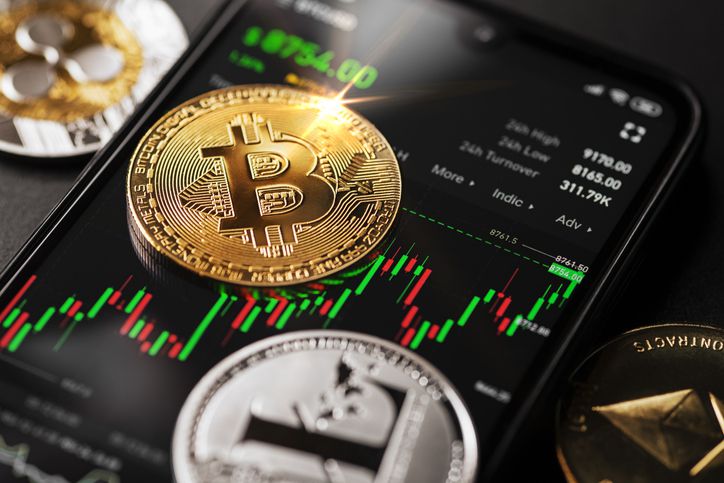
According to the cryptocurrency exchange Coinbase, here are the categories for market caps in the cryptocurrency market:
- Large-cap cryptocurrencies: Cryptocurrencies that have a market cap of $10 billion or more
- Mid-cap cryptocurrencies: These virtual currencies have market caps between $1 billion and $10 billion
- Small-cap cryptocurrencies: These cryptocurrencies have market values of less than $1 billion
dulezidar / istockphoto

The price of a cryptocurrency is dictated by the market forces of supply and demand. So how does the other part of the equation in market cap – number of coins in circulation – come about?
With cryptocurrencies, transactions are cleared by the blockchain technology. So-called “miners” can generate new coins by solving complex computer puzzles. Solving a puzzle leads to one block – a group of transactions – getting registered to the blockchain.
Because they earn one or a couple fresh coins for their computational work, miners are often motivated to mine cryptocurrencies like Bitcoin that are trading at higher prices. The higher the cryptocurrency’s price, the greater the incentive to mine it.
So when it comes to the formula for crypto market cap, one part of the equation can influence the other. The price of a cryptocurrency can influence the number of coins in circulation.
istockphoto
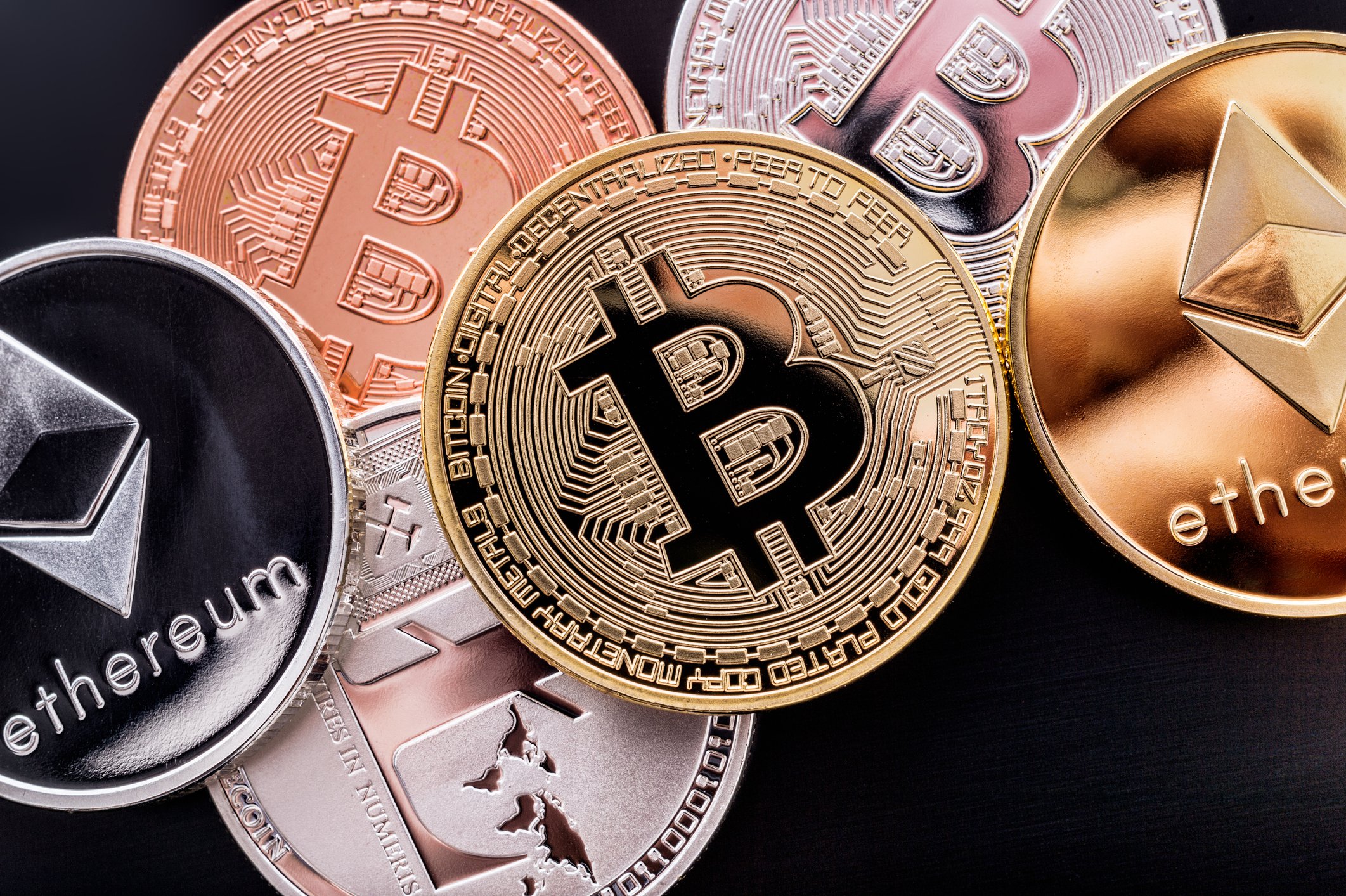
Below is a list of the biggest cryptocurrencies by market cap, according to data from website CoinMarketCap.
Marc Bruxelle / istockphoto

- Market Cap: $2,780,265,388
- June 30, 2021 Price: $0.11
- Circulating Supply: 25,263,013,692
Crypto.com Coin is the native token of Crypto.com, an exchange that tries to be a network to payment cryptocurrency projects. Crypto.com tends to be much cheaper than exchange competitors like Coinbase.
Crypto.com
- Market Cap: $6,153,754,357
- June 30, 2021 Price: $482.36
- Circulating Supply: 12,754,905
Aave is on the Ethereum network and focuses on DeFi lending. It basically aims to let users lend and borrow a range of crypto assets, while sometimes earning interest.
Aave

- Market Cap: $3,276,672,704
- June 30, 2021 Price: $0.000008292
- Circulating Supply: 394,796,000,000,000
Created in August 2020 by an anonymous person known as Ryoshi, Shiba Inu is on the ERC-20 token on the Ethereum blockchain. While Shiba Inu is inspired by Dogecoin, which features a Shiba Inu dog on its logo, the cryptocurrency also calls itself a “Dogecoin killer.”
Shiba Inu does not have smart contract capability nor is it backed by any assets or rights. There’s also no defining technology or limited supply. Instead, Shiba Inu has enjoyed popularity in the cryptocurrency market during 2020 in the pattern that some meme stocks do.
Shiba Inu
- Market Cap: $3,722,430,916
- June 30, 2021 Price: $3.91
- Circulating Supply: 954,781,934
EOS is a blockchain-based system that aims to allow the development of the Apps on its platform. It’s sometimes seen as a competitor to Ethereum, which remains more popular. It has a platform focused on smart contracts and tries to eliminate transaction fees and conduct millions of transactions per second.
EOS

- Market Cap: $3,826,701,458
- June 30, 2021 Price: $212.77
- Circulating Supply: 17,942,846
Bitcoin leaves a visible trail of transactions on its blockchain. Monero is a privacy coin, hiding the senders, receivers as well as the transaction amount. Monero is increasingly used by criminals for illicit payments and money laundering. It’s also popular when hackers are cryptojacking.
The original white paper for Monero in 2014 argues that Bitcoin’s visibility of transactions was a “critical flaw.” Monero could come under greater regulatory scrutiny especially after high-profile ransomware incidents like the Colonial Pipeline and meatpacking plants hacking in the U.S.
Monero has outperformed Bitcoin since the beginning of 2020. The US Internal Revenue Service has offered a $625,000 award for any one able to develop tools to trace Monero. It’s tougher to trade on bigger cryptocurrency exchanges, given authorities insisting they have higher Know Your Customer (KYC) standards.
Pe3check / iStock

- Market Cap: $4,638,835,632
- June 30, 2021 Price: $0.06478
- Circulating Supply: 71,659,657,369
Tron is the cryptocurrency of Tron Foundation, a blockchain company that on its website says it is “dedicated to building the infrastructure for a truly decentralized Internet.” A report from the media outlet Verge reported that much of Tron’s original white paper overlaps with the white paper for Ethereum.
Tron uses something known as a delegated proof-of-stake to reach consensus on its ledger, unlike the traditional “proof-of-work” methods used by many cryptocurrencies including Bitcoin. Twenty-seven “super representatives” achieve consensus, with the representatives rotating regularly. The process is designed to be less energy intensive.
Tron’s founder Justin Sun is known for acquiring BitTorrent, a peer-to-peer file-sharing service.
Phira Phonruewiangphing / iStock

- Market Cap: $4,820,709,413
- June 30, 2021 Price: $58.11
- Circulating Supply: 83,612,398
Filecoin aims to be a decentralized storage network that maximizes data storage and retrieval. The Filecoin network aims to connect storage and retrieval miners with clients who pay to store and retrieve data.
Participants in the Filecoin network send tokenized rewards in the form of Filecoin for providing services on the network. The network uses specialized proofs to verify the quantitative and types of files on the network. Grayscale, a manager of cryptocurrency investment trusts, added Filecoin to one of its products in March.
Filecoin

- Market Cap: $5,346,751,563
- June 30, 2021 Price: $0.08354
- Circulating Supply: 64,315,576,989
Founded in 2015 by the former chief information officer of Louis Vuitton China, VeChain focuses on improving supply chain management and business operations with blockchain.
It has two tokens: VeChain (VET) and VeChainThro Energy (VTHO). The former is designed to transfer value across the blockchain network, while the latter aims to use energy or “gas” to power smart contracts.
Vechain

- Market Cap: $5,386,070,570
- June 30, 2021 Price: $1
- Circulating Supply: 5,383,336,912
Dai is another stablecoin with a one-to-one ratio to the U.S. dollar. Unlike some other stablecoins however, Dai aims for an even greater degree of decentralization.
For instance, Tether tries to back cryptocurrencies backed by a reserve, which is managed by a central body. Dai aims to use smart contracts instead to maintain the peg to the U.S. dollar.
Dai

- Market Cap: $6,067,833,949
- June 30, 2021 Price: $45.02
- Circulating Supply: 135,173,634
Internet Computer’s creator Dfinity Foundation is backed by Silicon Valley venture-capital firm Andreesen Horowitz. The basis for Internet Computer is to create apps and websites, recreating the web in a more decentralized form.
For this reason, some argue that Internet Computer is more useful as a blockchain technology network that powers apps than as a cryptocurrency. The platform allows anyone to create software on the Internet using its blockchain technology.
Dfinity.org

- Market Cap: $6,089,904,070
- June 30, 2021 Price: $52.45
- Circulating Supply: 116,313,299
Ethereum Classic (ETC) maintains the original, unaltered history of the Ethereum network. The new Ethereum network (ETH) was created in 2016 after a hack.
Daily active users of ETH far surpasses that of ETC, roughly close to 1 million versus in the tens of thousands. Ethereum Classic’s network has also experienced 51% attacks, suggesting it’s less secure.
While lacking any standout technology, Ethereum Classic experienced a resurgence in 2021 speculated that it may come back in favor if Ethereum or ETH moves to a proof-of-stake protocol, as opposed to the more traditional proof-of-work.
Ivan-balvan/istock

- Market Cap: $6,271,627,310
- June 30, 2021 Price: $0.2722
- Circulating Supply: 23,207,246,068
The Stellar network’s cryptocurrency is called lumen and trades under the symbol XLM. Stellar is a blockchain-based ledger that aims to connect banks and payment systems to facilitate low-cost, cross-border transfers.
Created by a co-founder of Ripple, Stellar says its focus is bank loans in developing economies or providing services to individuals outside the traditional banking system.
Stellar

- Market Cap: $6,551,813,342
- June 30, 2021 Price: $6.57
- Circulating Supply: 1,000,000,000
Theta posted massive gains in 2021. The Theta Network describes itself as a “decentralized streaming video protocol”–in essence, aiming to use blockchain technology to allow users to contribute excess bandwidth and computing resources in exchange for tokens.
Theta.tv was slated to be included in future Samsung Galaxy phones and the software added to 75 million existing devices.
ThetaToken.org

- Market Cap: $6,650,827,175
- June 30, 2021 Price: $34,290.76
- Circulating Supply: 194,125
Wrapped Bitcoin (WBTC) is a token that represents Bitcoin on the Ethereum blockchain. One Wrapped Bitcoin equals one Bitcoin.
However, WBTC tokens can be used with Ethereum’s decentralized apps and decentralized finance ecosystem. Another feature of Wrapped Bitcoin is its transaction speed, since it runs on the Ethereum blockchain.
Wrapped Bitcoin

- Market Cap: $6,920,008,608
- June 30, 2021 Price: $1.10
- Circulating Supply: 6,303,422,325
Polygon, formerly known as Matic Network, is an India-based cryptocurrency that was created in 2017. It aims to solve issues found on the Ethereum network, such as congestion and high transaction fees.
Polygon

- Market Cap: $8,038,538,683
- June 30, 2021 Price: $18.49
- Circulating Supply: 435,509,554
Chainlink’s blockchain network aims to provide a link between real world data and smart contracts. Its cryptocurrency is known as LINK, and it’s used to pay for smart contract transactions. As mentioned, smart contracts are agreements on the blockchain that automatically complete upon the filling of necessary preconditions.
In cryptocurrency markets, outside data sources are called oracles. Chainlink helps connect those outside data sources and the blockchain.
Chainlink

- Market Cap: $8,731,513,592
- June 30, 2021 Price: $32.12
- Circulating Supply: 272,637,428
Consensus is reached on various blockchains when members solve a mathematical puzzle, a process called “proof of work.” Miners are then rewarded coins for their work, a process that’s energy intensive and has been criticized for its environmental impact. It’s why Elon Musk did a U-turn on Tesla accepting Bitcoin as payment.
As mentioned, some coins are switching to “proof of stake,” a less energy-intensive process. But Solana creator Anatoly Yakovenko, a former engineer at Qualcomm, had an idea for “proof of history,” which timestamps transactions and disables the ability of miners to decide which transactions get recorded on the blockchain. Yakovenko has claimed the network can be as fast as “the speed of light.”
Solana

- Market Cap: $9,193,856,401
- June 30, 2021 Price: $137.72
- Circulating Supply: 66,752,415
Created in 2011, Litecoin was one of the earliest altcoins. New blocks on the Litecoin network are generated every 2.5 minutes, four times as fast as the Bitcoin network, where blocks are mined in 10 minutes.
Founder Charles Lee has said he designed Litecoin to be a compliment to Bitcoin, not as a replacement. In 2019, Litecoin rallied ahead of a halving. Charles Lee cashed out on his holdings in 2017, the last time cryptocurrencies peaked.
Weedezign / istockphoto

- Market Cap: $9,472,408,895
- June 30, 2021 Price: $503.84
- Circulating Supply: 18,777,488
Bitcoin Cash (BCH) launched in August 2017 after a controversial fork in which a faction of coders criticized the original Bitcoin’s network for being too slow and expensive.
The technology underpinning Bitcoin Cash is similar to that of Bitcoin, but changes were made during the fork to make transactions faster and lower fees. For instance, the BCH network can support more than 23 million transactions in a single day. That’s smaller than the 2 trillion transactions that Visa can handle, but far more than the 600,000 transactions that Bitcoin can facilitate.
However, this increased transaction capability hasn’t been taken advantage of by the market. In general, while it was created to rival Bitcoin, BCH hasn’t had the same popularity and has suffered deep declines in its price. Bitcoin Cash’s market cap is still a fraction of Bitcoin’s. However, it’s also still one of the most successful coins that has developed from a hard fork.
Bitcoin Cash

- Market Cap: $9,995,097,737
- June 30, 2021 Price: $17.32
- Circulating Supply: 575,244,185
Decentralized exchanges (DEX) are trading platforms that require users to hand over the keys of the coins, so without depositing or withdrawing cryptocurrencies. The system relies on smart contracts and is a feature of the DeFi movement.
Uniswap is estimated to be the largest DeFi exchange, and it’s popular for strategies like “yield farming,” where cryptocurrencies are lent out in exchange for interest. Founded by Hayden Adams, Uniswap is an exchange that has raised money from venture-capital firms like Andreesen horowitz and Union Square Ventures.
Uniswap (UNI) is the token native to the platform. While market cap growth has been tremendous, it also hasn’t been without hiccups. In August 2020, an anonymous group copied Uniswap’s code and crimped the DEX’s liquidity.
Uniswap

- Market Cap: $10,109,402,513
- June 30, 2021 Price: $0.9998
- Circulating Supply: 10,109,425,905
Binance USD (BUSD) is a stablecoin that is issued by Binance, the world’s largest cryptocurrency exchange. It’s pegged to the U.S. dollar on a one-to-one basis. It runs on the Ethereum network so can be accepted everywhere for payments or loans where other ERC-20 tokens are.
Binance USD

- Market Cap: $14,624,503,052
- June 30, 2021 Price: $15.30
- Circulating Supply: 956,244,736
Polkadot’s coin is called dot (DOT). Polkdot’s creator Gavin Wood is also the co-founder of Ethereum. He wrote the original white paper for Polkadot in 2016.
Central to Polkadot are “parachains”–blockchains that can run higher transaction throughput than Ethereum through design. “Parallel blockchains”–transactions that are spread across multiple computers, similar to parallel processing–have also been touted as having potential as an alternative to Ethereum.
Polkadot

- Market Cap: $25,203,864,990
- June 30, 2021 Price: $1
- Circulating Supply: 25,202,767,808
USD Coin (USDC) is a stablecoin powered by Ethereum blockchain that is pegged to the U.S. dollar. USD Coin is also linked to the cryptocurrency startup known as Circle. After the stablecoin Tether came under regulatory trouble for how much it actually backs in reserves, Circle has said its reserves are evaluated and audited by Chicago-based accounting firm Grant Thornton LLP.
In March 2021, Visa announced that it would allow the use of USDC to settle transactions on its payment network–a sign of mainstream acceptance of the crypto market. The move allowed for customers to pay for purchases using a Visa credit card without digital currencies first needing to be converted into traditional money.
Coinbase

- Market Cap: $30,462,825,137
- June 30, 2021 Price: $0.6577
- Circulating Supply: 46,146,927,647
Ripple XRP was developed by Ripple Labs Inc. Unlike Bitcoin and many other cryptocurrencies, XRP is not on a blockchain network. Instead, it’s based on what’s called a “hash tree.” This means XRP can’t be mined and instead there are a limited number of coins–100 billion to be exact.
Ripple network can process 1,500 transactions per second.
In 2020, the Securities and Exchange Commission sued Ripple and its executives for allegedly misleading investors in XRP by selling more than $1 billion of the virtual tokens without registering with the regulator.
Pe3check / istockphoto

- Market Cap: $31,646,744,193
- June 30, 2021 Price: $0.2429
- Circulating Supply: 130,234,209,886
Dogecoin had a meteoric rise in 2021, surging through the month of May. The cryptocurrency was started as a joke by its founders in 2013. One of Dogecoin’s most notable features is that it has a Shiba Inu dog on its symbol.
Dogecoin enjoyed popularity in a pattern similar to the way meme stocks did in 2020. Tesla CEO Elon Musk was an advocate of Dogecoin, touting it on social media. On June 1, cryptocurrency exchange Coinbase said it would accommodate Dogecoin, signaling more mainstream acceptance of the cryptocurrency.
Stuart Partridge/istock

- Market Cap: $41,876,184,686
- June 30, 2021 Price: $1.31
- Circulating Supply: 31,946,328,269
Cardano (ADA) was created by Charles Hoskinson, a co-founder of Ethereum who also has a popular YouTube channel. Cardano can’t yet run decentralized finance (DeFi) projects that let users lend, trade and borrow money with each other. But it recently had an upgrade in March, and smart-contracts are expected to later in 2021.
While Cardano lacks some features, it’s considered by some market participants to be a work in progress and has potential to be a cheaper alternative to Ethereum in being a basis for DeFi and NFT projects. It’s developed a loyal following on social-media platforms like Reddit, similar to so-called meme stocks.
A key feature of ADA is that it has a proof-of-stake blockchain. This means the complicated proof-of-work calculations and high electricity usage required for mining coins like Bitcoin aren’t necessary. Instead, all ADA coins are pre-mined. That could make Cardano appealing to investors who have been critical of the environmental costs of cryptocurrencies like Bitcoin.
Dennis Diatel Photography/istock

- Market Cap: $43,791,396,392
- June 30, 2021 Price: $284.65
- Circulating Supply: 153,432,897
Binance is the world’s largest cryptocurrency exchange–popular because of its low trading fees. Binance Coin (BNB) is the cryptocurrency “native” to the exchange, which means that it was designed specifically to be used in the Binance ecosystem. Binance Coin launched in 2017 with an ICO.
Binance tries to incentivize investors to use Binance Coin by allowing them to get a 25% discount on trading fees if they use BNB to pay for trades. That means if your trading fee total $1 for a trade, it’d only be 75 cents if you paid with BNB.
Another key fact for investors to know about BNB is that every quarter, Binance uses 20% of its profit to buy back and “burn” Binance Coins–a process that involves erasing them forever. Originally spelled out in a whitepaper, this system is designed to keep the supply of BNB low and will be done until 100 millions coins–50% of the total–are destroyed.
Binance Coin

- Market Cap: $62,463,121,114
- June 30, 2021 Price: $1
- Circulating Supply: 62,455,415,418
Tether (USDT) was the first cryptocurrency marketed as a “stablecoin”–virtual money designed to maintain a fixed value. In the case of Tether, the value of the coin is pegged to a fiat currency–the U.S. dollar. Hence, its ticker is USDT.
In February 2021, the New York attorney general’s office settled a two-year investigation on tether and its sister crypto exchange Bitfinex. The companies agreed to pay a $18.5 million fine for overstating their reserves and covering up $850 million in losses. Tether had claimed that all its tokens were backed on a one-to-one basis by U.S. dollars in cash reserves.
hello.artmagination.com / Deposit Photos

- Market Cap: $246,294,041,853
- June 30, 2021 Price: $2,117.16
- Circulating Supply: 116,503,783
Ethereum (ETH) was developed in 2013 by a Russian-Canadian teenager named Vitalik Buterin. He aimed to create a cryptocurrency that could utilize smart contracts–ones that self execute based on the defined terms of the agreement.
Similar to Bitcoin, Ethereum aims to connect a decentralized network of computers and record transactions on the publicly available blockchain. Like Bitcoin, Ethereum relies on proof of work for its mining, which means miners perform complex calculations in order to verify transactions, earning new coins in the process.
Ethereum helped fuel initial coin offerings (ICOs) of 2017, since many of the ICOs used Ethereum blockchain. Ethereum has also been behind the boom in non-fungible tokens (NFTs)–digital versions of art or collectibles that are linked to a blockchain and made one-of-a-kind.
rclassenlayouts / istockphoto

- Market Cap: $641,505,573,940
- June 30, 2021 Price: $34,260.40
- Circulating Supply: 18,745,206
Bitcoin (BTC) was designed to be a digital form of money that is independent of any government or central bank that controls its supply. Instead, the supply of Bitcoin was capped at 21 million by Satoshi Nakamoto.
Bitcoin relies on a network of computers to facilitate transactions. The transactions are logged permanently on the blockchain–an open ledger that everyone on the network can see.
Bitcoin holders have two keys: a public one that proves they own Bitcoin, and a private one that acts as a password and ensures only the holder can access their currency.
DepositPhotos.com
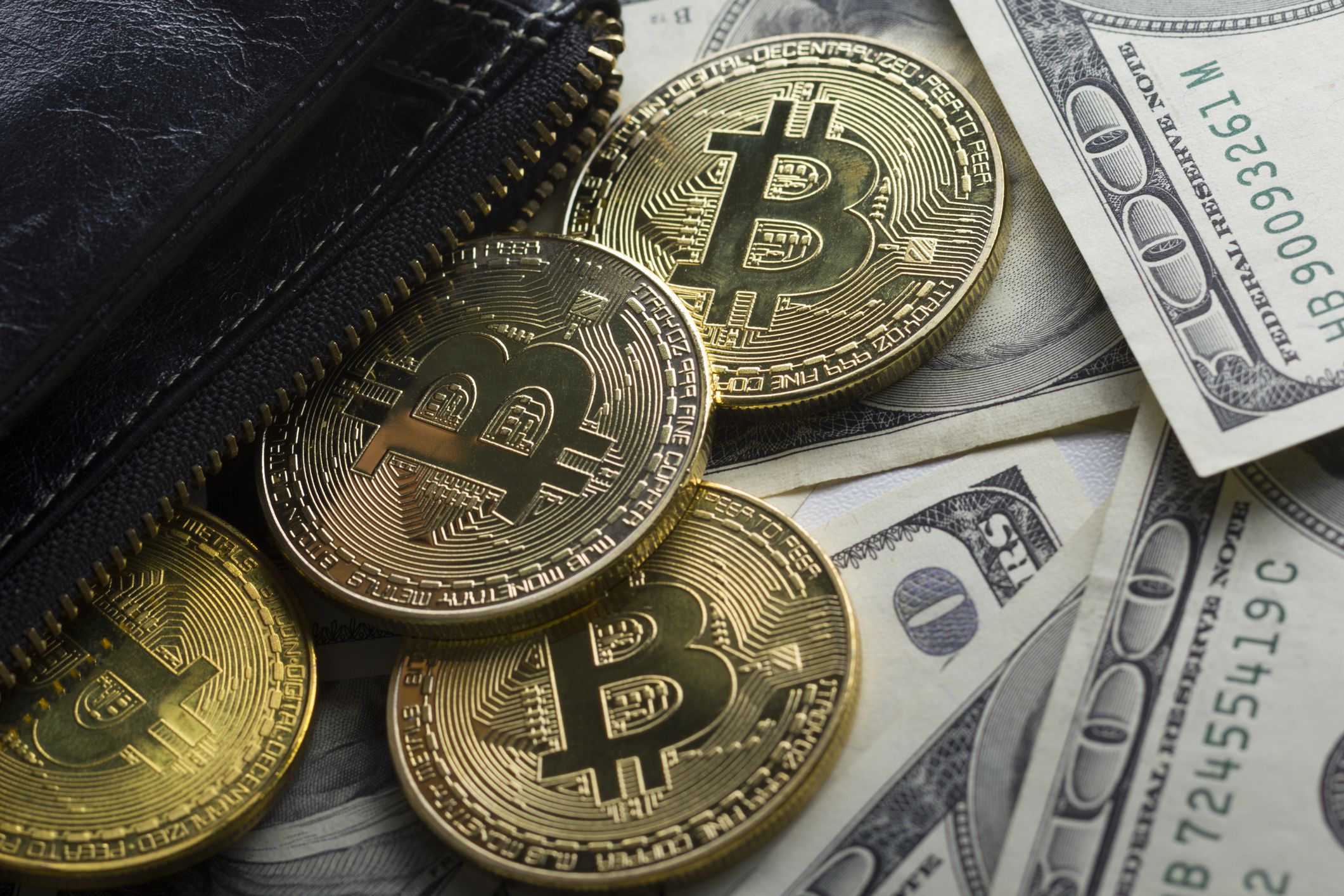
Altcoins, Privacy Coins, Stablecoins, DeFi Coins – the cryptocurrency market has proliferated and diversified since Bitcoin was first introduced in 2009. One way investors can evaluate different coins and tokens in the cryptocurrency world is by looking at market cap, which can give a sense of the size and popularity.
Learn more:
- Crypto debit cards to consider in 2021: How to choose
- Crypto arbitrage: How it works & trading strategies
This article originally appeared on SoFi.comand was syndicated by MediaFeed.org.
SoFi Invest
The information provided is not meant to provide investment or financial advice. Investment decisions should be based on an individual’s specific financial needs, goals and risk profile. SoFi can’t guarantee future financial performance. Advisory services offered through SoFi Wealth, LLC. SoFi Securities, LLC, member FINRA/ SIPC. SoFi Invest refers to the three investment and trading platforms operated by Social Finance, Inc. and its affiliates (described below). Individual customer accounts may be subject to the terms applicable to one or more of the platforms below.
1) Automated Investing—The Automated Investing platform is owned by SoFi Wealth LLC, an SEC Registered Investment Advisor (“Sofi Wealth“). Brokerage services are provided to SoFi Wealth LLC by SoFi Securities LLC, an affiliated SEC registered broker dealer and member FINRA/SIPC, (“Sofi Securities).
2) Active Investing—The Active Investing platform is owned by SoFi Securities LLC. Clearing and custody of all securities are provided by APEX Clearing Corporation.
3) Cryptocurrency is offered by SoFi Digital Assets, LLC, a FinCEN registered Money Service Business.
For additional disclosures related to the SoFi Invest platforms described above, including state licensure of Sofi Digital Assets, LLC, please visit www.sofi.com/legal. Neither the Investment Advisor Representatives of SoFi Wealth, nor the Registered Representatives of SoFi Securities are compensated for the sale of any product or service sold through any SoFi Invest platform. Information related to lending products contained herein should not be construed as an offer or pre-qualification for any loan product offered by SoFi Lending Corp and/or its affiliates.
Crypto: Bitcoin and other cryptocurrencies aren’t endorsed or guaranteed by any government, are volatile, and involve a high degree of risk. Consumer protection and securities laws don’t regulate cryptocurrencies to the same degree as traditional brokerage and investment products. Research and knowledge are essential prerequisites before engaging with any cryptocurrency. US regulators, including FINRA, the SEC, and the CFPB, have issued public advisories concerning digital asset risk.
Cryptocurrency purchases should not be made with funds drawn from financial products including student loans, personal loans, mortgage refinancing, savings, retirement funds or traditional investments.
Third Party Brand Mentions: No brands or products mentioned are affiliated with SoFi, nor do they endorse or sponsor this article. Third party trademarks referenced herein are property of their respective owners.
External Websites: The information and analysis provided through hyperlinks to third party websites, while believed to be accurate, cannot be guaranteed by SoFi. Links are provided for informational purposes and should not be viewed as an endorsement.
Avosb / iStock
Featured Image Credit: rclassenlayouts / istockphoto.