

Back in the Hike Life
The Federal Open Market Committee resumed rate hikes after a pause in June and raised the target rate by 25 basis points to an upper bound of 5.5%. This now marks the highest fed funds rate in 22 years.
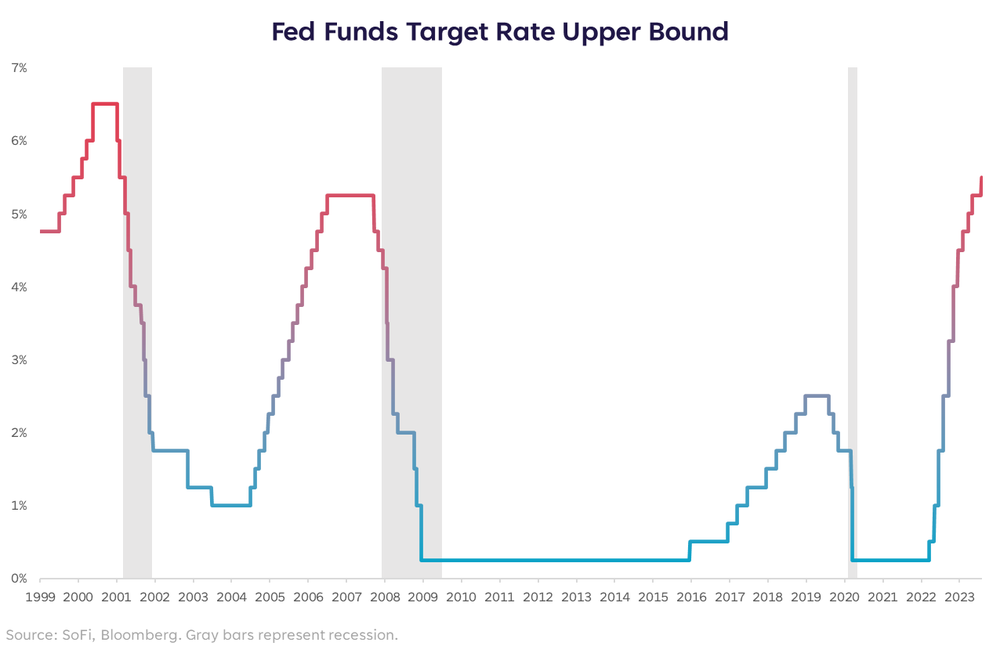
This move was, once again, widely anticipated. As such, the digestion process in the markets has been calm, but it can take 1 to 2 days for investors to fully interpret the news. Jerome Powell made it clear that the Fed remains committed to bringing inflation back down to its 2% target, and left the door open for further hikes at future meetings.
If there is such a thing as a benign Fed meeting, this is about as close as it gets, in my opinion. The vote to hike another 25 bps was unanimous, and the market had priced in more than a 99% chance of this outcome.
I’m having trouble finding anything incredibly enlightening about the July statement. We remain in a wait-and-see pattern as data rolls in, and the Fed will react accordingly.
Slow and Steady Saves Some Face
I had been of the mind that they would be done hiking after the last meeting. Not because the problem is solved, but because I don’t think there is much effect to be had from another 25 basis points. What I underestimated was the market’s continued ability to rally, thus easing financial conditions irrespective of the Fed’s still “live” hiking cycle.
In addition, the consumer has remained willing and able to spend (albeit on credit cards in some cases), and has enjoyed a tailwind from falling inflation and a rising stock market.
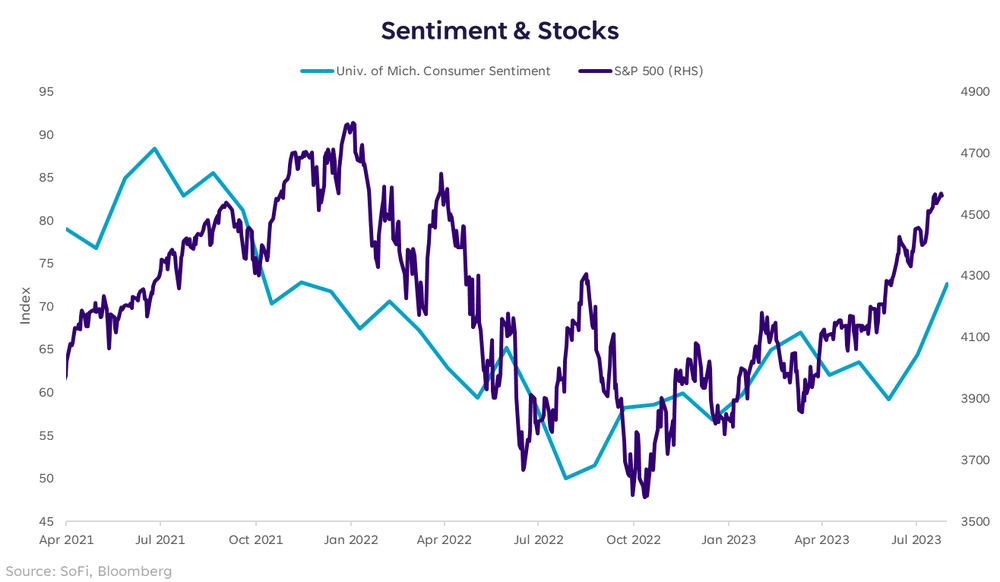
Along with the stock market’s effect on consumer confidence, we’ve seen a massive reversal in investor sentiment. More specifically, the amount of AAII survey respondents stating that they’re bullish rather than bearish has increased considerably since the beginning of June. The S&P 500 is up over 9% since then, and the idea of an economic “soft landing” has become more commonplace.
I admit, I’ve even been tempted on a few occasions to flip into optimism mode and believe that we could—if we haven’t already begun to—pull off a soft landing. But I’m stopped by the very real possibility that we haven’t yet seen the effects of this hiking cycle, and perhaps we’ve only seen the very beginning of them.
Not Over Till it’s Over
The Fed is going to get what it wants and we don’t get a vote. As investors, we’ve wondered for a long time what the appropriate level of rates was to solve the inflation problem without inflicting too much pain on the economy. The Fed wonders the same thing. Unfortunately, no one knows the right answer beforehand.
There’s been acknowledgement from the Fed that consumer spending has slowed, bank lending conditions have tightened, and housing and investment has seen some effects from tightening. Powell also discussed policy being at a restrictive level, but noted that it hasn’t been restrictive enough for long enough to have its full desired effects…which I’ll paraphrase into, it’s not over yet.
Even if rate hikes are over, the cycle and the bleedthrough of the tightening cycle isn’t. The result of monetary policy actions like this is typically some softening in labor market conditions. If that rings true this time, we’re still waiting on the data that proves it.
I think the most important result of today’s meeting was that it prevented the stock market from speeding further upward in celebration of declaring the problem solved. I also think there are more effects of these moves that could rear their ugly heads. The Fed said the problem isn’t decidedly solved, which means hikes aren’t decidedly done. And the cycle isn’t over till it’s over.
This article originally appeared on SoFi.com and was syndicated by MediaFeed.org.
Communication of SoFi Wealth LLC an SEC Registered Investment Adviser. Information about SoFi Wealth’s advisory operations, services, and fees is set forth in SoFi Wealth’s current Form ADV Part 2 (Brochure), a copy of which is available upon request and at adviserinfo Liz Young is a Registered Representative of SoFi Securities and Investment Advisor Representative of SoFi Wealth. Her ADV 2B is available at Sofi.
Cozy & 30 other secret real estate listing red flags

Real estate has a language all its own. To figure out which homes may be worth looking at and which might not, you may want to use this handy real estate translator next time you peruse the listings. Consider this lingo, in alphabetical order:
1. As-is
If you see the words “as-is” in a real estate listing, proceed with some caution: This typically indicates that there are repairs or renovations that need to be done that the current owner is not going to address and is passing the burden off to the buyer. The real estate contract will likely specify this, if you do move forward with buying the home.
nensuria/istockphoto

Built-ins are features like bookshelves, benches, or cabinets that are permanently built into the home itself, and are fairly common in older construction. Built-ins can be charming and convenient, but they can also limit the flexibility you have in arranging and decorating the space as you see fit.
(Learn more at Home Affordability Calculator)
KatarzynaBialasiewicz/istockphoto

While this descriptor may bring to mind a comfy armchair and a steaming mug of cocoa, in real estate, “cozy” tends to mean “small.” The home may have minimal square footage, meaning each room may have very limited space.
Irina Belova/istockphoto

“Charming” is often another code word for a house with a small footprint, and may also indicate an older construction — which may, indeed, be charming, but might also end up needing costly repairs and renovations.
travelview / istockphoto
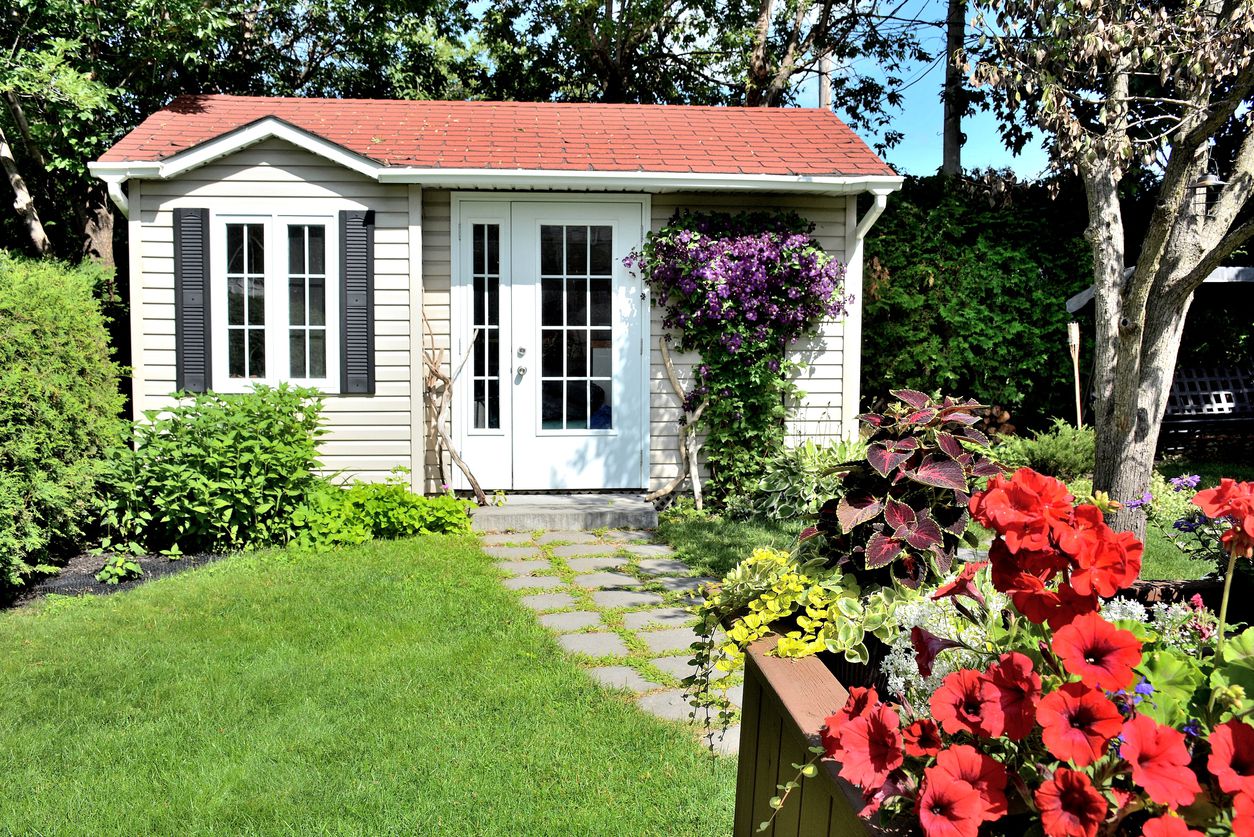
This is yet another word that sounds like it’s invoking a feeling when it may really be describing a size — and that size may be on the smaller side. Cottages tend to be one- to two-bedroom houses and, again, might also be dated.
ziggy1/istockphoto

While “custom” sounds cool, it may or may not be. This term indicates that the property includes some built-to-order features or additions that appealed to the previous owners. These features, however, may or may not be to your taste. Perhaps there’s a wall of windows you’ll love or a tub in the primary bedroom that you’d rather be relocated.
imaginima / istockphoto

A listing agent may use this term as a shortening of “fixer-upper.” In other words, major renovations are likely going to be needed.
mapo/istockphoto

A home with “good bones” is typically one that needs some renovation and repair, but whose original construction is solid and whose layout is desirable. In other words, the skeleton of a great home is there, but you may need to pay for home repairs and do other work to make it livable.
(Learn more atPersonal Loan Calculator).
Nastco/istockphoto
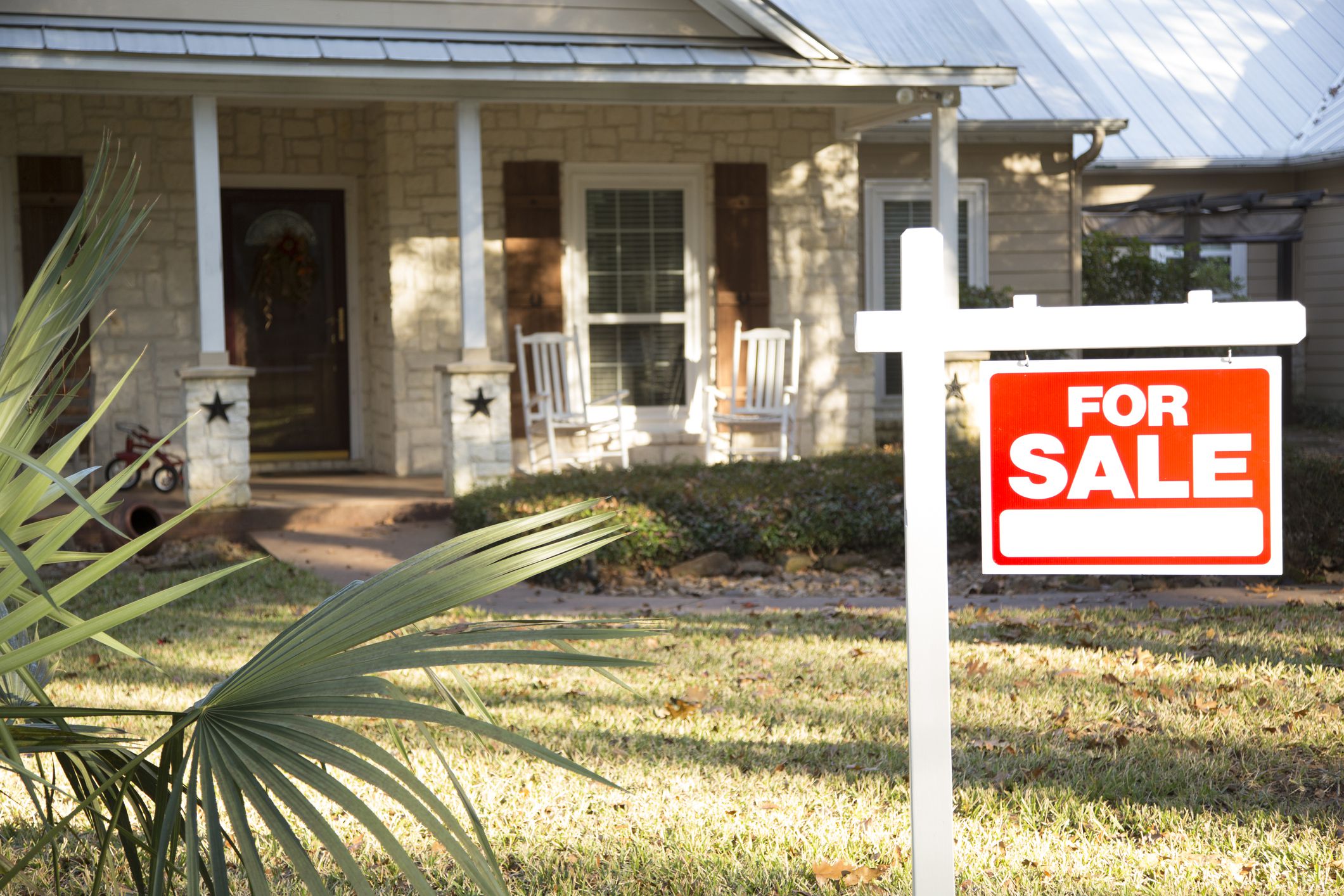
In a similar vein to “good bones” or “hidden gem,” a home with “great potential” is typically one that provides an opportunity for the right buyer — but which likely needs some work to get there.
LifestyleVisuals/istockphoto

This is another term that can indicate that a property needs a lot of work — thus making it a good opportunity for a handy homeowner. The house may be priced lower than other, more fixed-up homes in the area.
KatarzynaBialasiewicz/istockphoto

These words might indicate a nice home in an out-of-the-way location or a home in a popular and trendy locale that needs some work. Either way, it can indicate that the property offers a great opportunity for the right buyer, though you may have to put in some work or make some sacrifices.
blackCAT/istockphoto

That sounds like a good thing, right? But a real estate agent might use this phrase to mean that a house is in pretty rough shape. It will likely take significant work to make livable, meaning you may only be able to buy it for cash or with a rehab loan, such as an FHA 203(k) home loan.
designer491/istockphoto

This indicates that the home may appear small in terms of square footage, but, when you are actually in the property and walking around, it feels a lot more spacious.
martin-dm/istockphoto

This is perhaps one of the most common real estate catchphrases. This language in a listing puts a heavy emphasis on a property’s location, which could potentially indicate that the house itself leaves something to be desired.
mapo/istockphoto

“Loft” indicates that the home is large, open, and airy, with high ceilings and few interior walls. The bedroom, for instance, may be situated on an open second-floor landing that looks out directly onto the living room below. This may make for a picturesque living situation, but also one with relatively little privacy.
2Mmedia/istockphoto

Here’s a tricky one. Although you might assume “modern” means that a place is newly constructed and contemporary in style, it can also refer to mid-century modern, an era of architecture and design dating to the 1950s and 1960s with a “Mad Men” vibe.
vicnt/istockphoto

“Motivated seller” means that the seller is motivated to make a deal go through and may be willing to hear lower offers or make concessions to get it to happen.
sturti/istockphoto

“Move-in ready” typically means a home doesn’t need any major, mandatory repairs and is ready for you to start living in as soon as you’ve closed on the property. Of course, this term does indicate that the seller probably has a lot of leverage to demand the highest possible offer on the home.
CreativaStudio/istockphoto

“Natural landscaping” might indicate that there’s actually very little landscaping at all. Rather, the property might have lots of wild-growing flora that needs to be cleared to create an organized outdoor living space, depending on your taste.
qingwa/istockphoto

As with “well-maintained,” “original details” suggests that the home has some older features that you may love, but may also require some maintenance/ upgrading in the future.
Wirestock/istockphoto
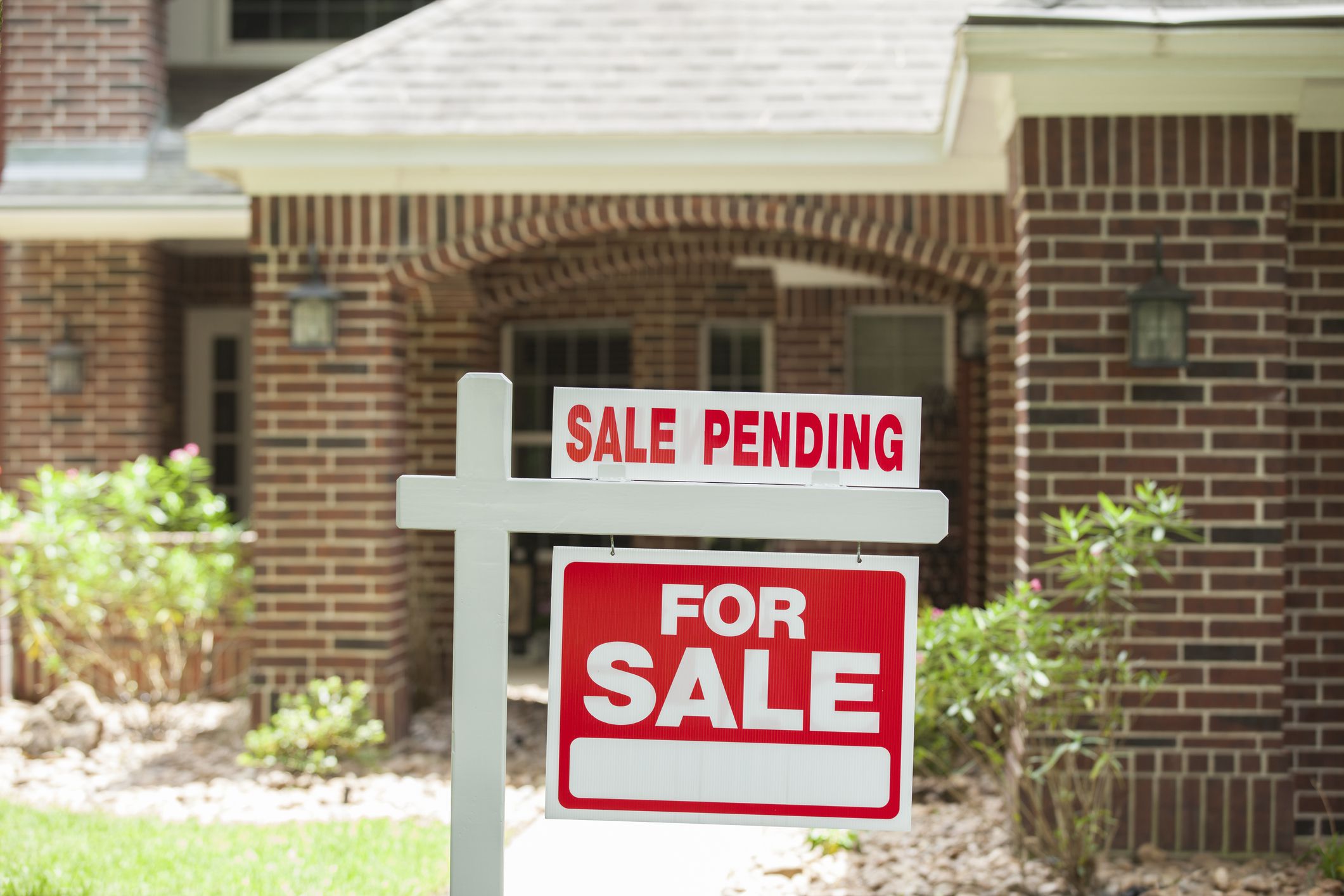
“Priced to sell” often indicates that the seller is pretty set on the price they’ve offered. It may indicate that you probably won’t be able to negotiate it down too far.
fstop123/istockphoto

Although “real estate agent” and “realtor” are often used interchangeably, REALTOR is actually a term trademarked by the National Association of REALTORS (NAR) . Real estate agents can only use the title REALTOR in all caps if they are members of NAR and adhere to the organization’s strict code of ethics.
fizkes/istockphoto
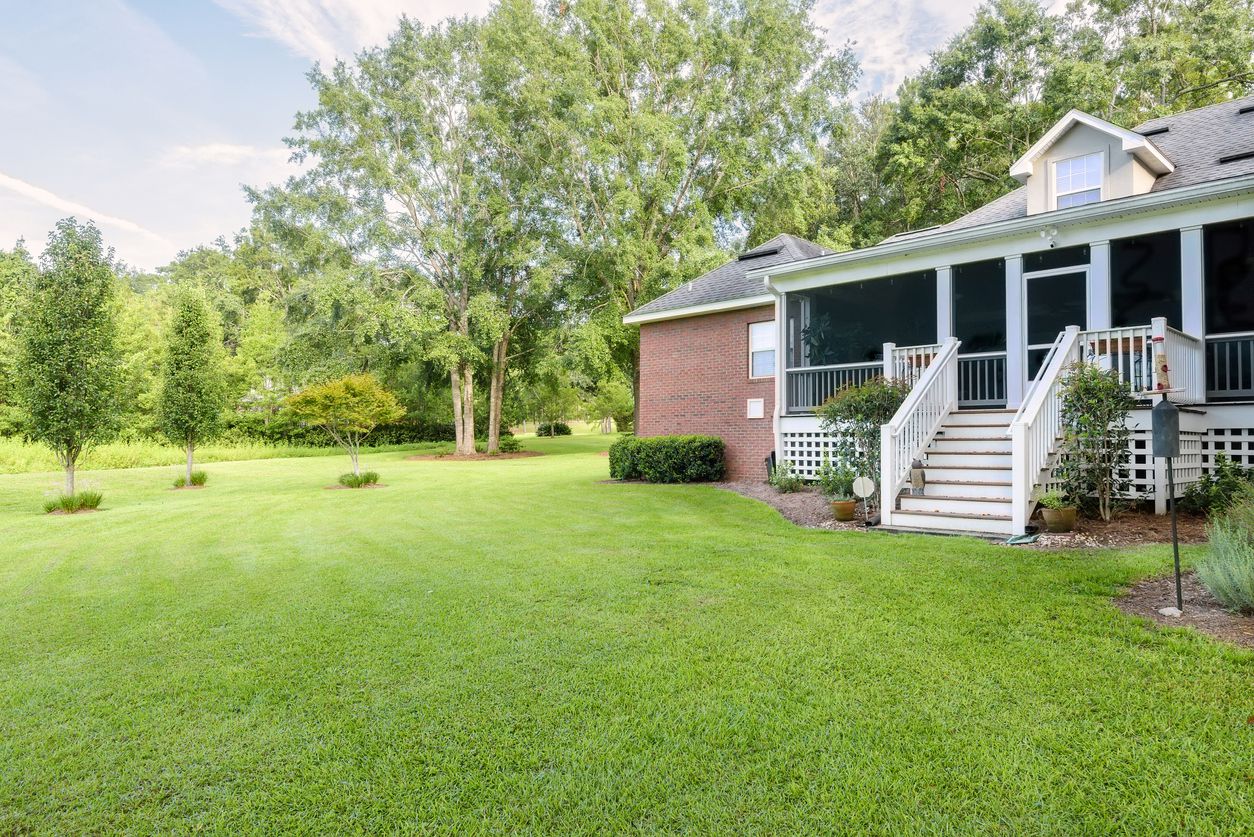
A home with “room to roam” is typically one with a larger-than-average lot with room to create outdoor living/play spaces or grow a garden. Or it may indicate that the house has a rambling layout.
Ruth Peterkin/istockphoto

At its best, “rustic” might mean natural wood fixtures and a kind of casual, barn-inspired style. At its worst, “rustic” might mean old, unprofessionally constructed, or poorly maintained.
Oksana_Bondar/istockphoto

This term is usually meant to keep casual browsers or open-house visitors who are “just-looking” at bay. The seller likely doesn’t want to waste their time with people who aren’t seriously considering making an offer.
psisa/istockphoto

Short for “tender loving care,” TLC is yet another term in real estate listings that typically indicates the home in question needs some renovations and repairs before it’s comfortable — or even livable.
PixelCatchers/istockphoto

Basically a synonym for move-in ready; just turn the key, and you set up your home!
Nuttawan Jayawan/istockphoto

“Unique” is another word that can go either way. It could be used to describe a lovely, one-of-a-kind feature, like a rooftop patio. Or it could be used to describe something odd-ball, like a sunroom converted into a photographer’s darkroom.
Mathilde Receveur/istockphoto

An up-and-coming location is one that might actively be evolving or drawing new residents. However, it can also indicate that the neighborhood may still contain a fair number of run-down homes and have a way to go before it’s considered a hot housing market.
Ridofranz/istockphoto
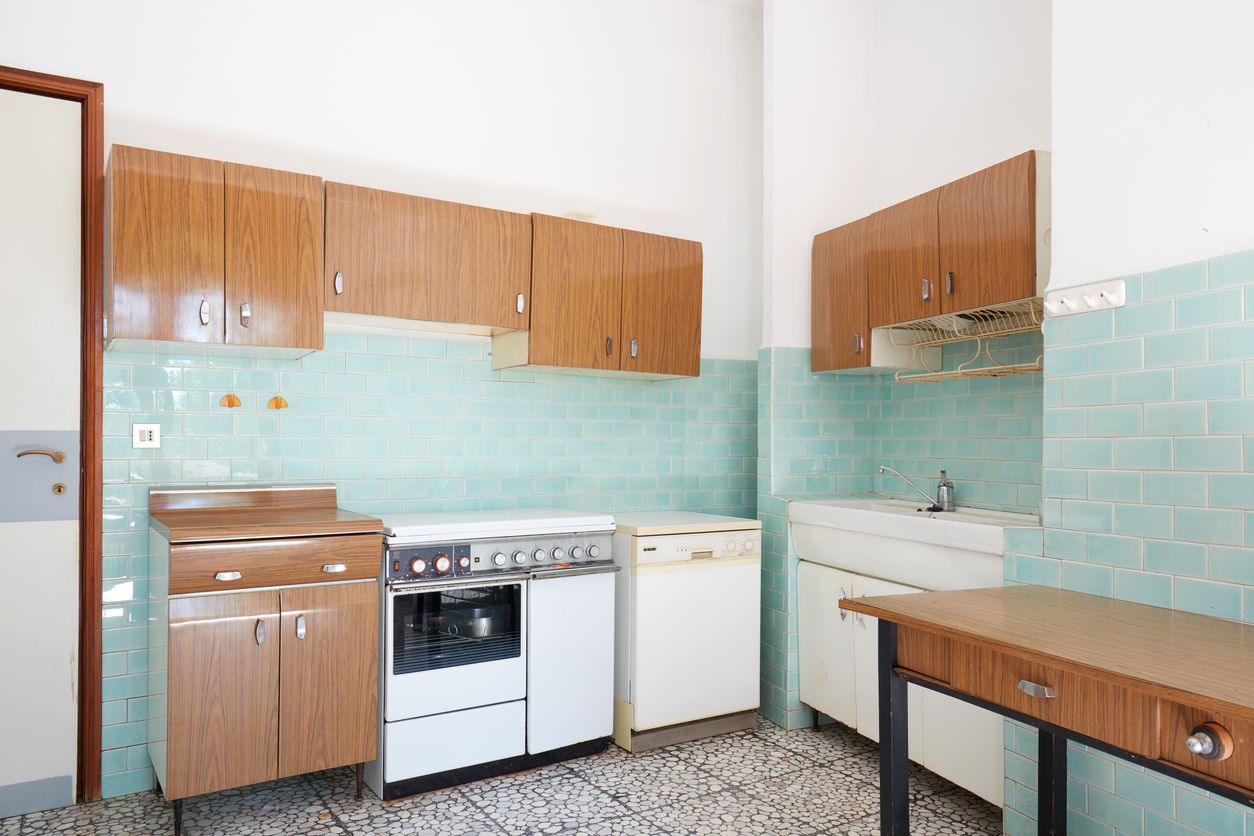
“Vintage” is generally code for “really outdated.” Those 1960s appliances might look cute in the pictures, but how much more life do they have in them before they need to be replaced?
:AndreaAstes/istockphoto
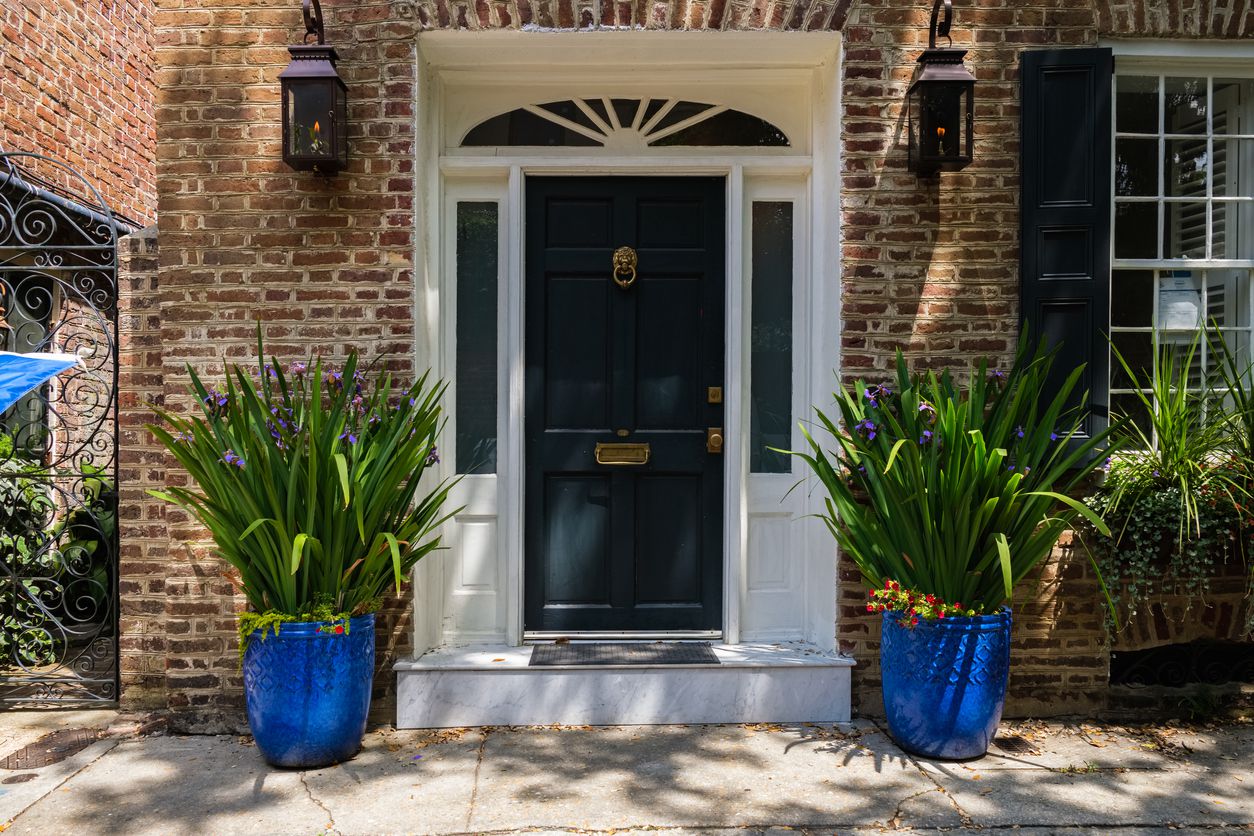
This term can act as a yellow light. “Well-maintained” often indicates that a property has some age on it. (After all, if it’s new, there’s nothing that has needed maintenance yet). An older home isn’t automatically a bad thing, but it does mean you may be faced with upgrades or appliance replacements sooner rather than later.
RAUL RODRIGUEZ/istockphoto

If you feel like property listings are sometimes written in a foreign language, you’re not entirely off-base. Listing agents often use terms that may be well-known in real estate circles, yet are unfamiliar to the average first-time home-buyer.
Agents may also use vague-sounding terms and phrases to make a home’s less-appealing qualities sound more attractive. Knowing how to decode real estate listings can be a great first step toward finding the perfect home.
This article originally appeared on SoFi.com and was syndicated by MediaFeed.org.
SoFi Loan Products
SoFi loans are originated by SoFi Bank, N.A., NMLS #696891 Opens A New Window.(Member FDIC). For additional product-specific legal and licensing information, see SoFi. Equal Housing Lender.
SoFi Mortgages
Terms, conditions, and state restrictions apply. Not all products are available in all states. See SoFi for more information.
Tax Information: This article provides general background information only and is not intended to serve as legal or tax advice or as a substitute for legal counsel. You should consult your own attorney and/or tax advisor if you have a question requiring legal or tax advice.
Financial Tips & Strategies: The tips provided on this website are of a general nature and do not take into account your specific objectives, financial situation, and needs. You should always consider their appropriateness given your own circumstances.
External Websites: The information and analysis provided through hyperlinks to third-party websites, while believed to be accurate, cannot be guaranteed by SoFi. Links are provided for informational purposes and should not be viewed as an endorsement.
Third-Party Brand Mentions: No brands, products, or companies mentioned are affiliated with SoFi, nor do they endorse or sponsor this article. Third-party trademarks referenced herein are property of their respective owners.
monkeybusinessimages/istockphoto

SeanPavonePhoto/istockphoto
Featured Image Credit: DepositPhotos.com.


