Gen Z is bringing back songs boomers never stopped loving
In case you haven’t noticed, Spotify has been reporting some pretty strange facts lately. Back in 2025, the app quietly dropped a feature called Listening Age — not a playlist exactly, more like a mirror nobody asked for. It analyzed everything you’d been playing and assigned you a generation based on when that music was originally released. And here’s the thing. Charli xcx got a Listening Age of 75. Seventy-five. Which means the algorithm looked at everything she listened to and decided she was basically your dad’s record collection with better eyeliner.
Gen Z was not embarrassed about this. They were proud. Posted their results everywhere.
And if you look at what they’ve actually been streaming (the actual numbers, not the vibe), it turns out the songs they can’t stop playing are the ones you never stopped loving either. Someone born in 2003 skateboarded to work in 2020 with a bottle of cranberry juice and Fleetwood Mac playing. The Internet lost its mind. That’s where most of this started, more or less.
Ten songs, below. You probably already know all of them.
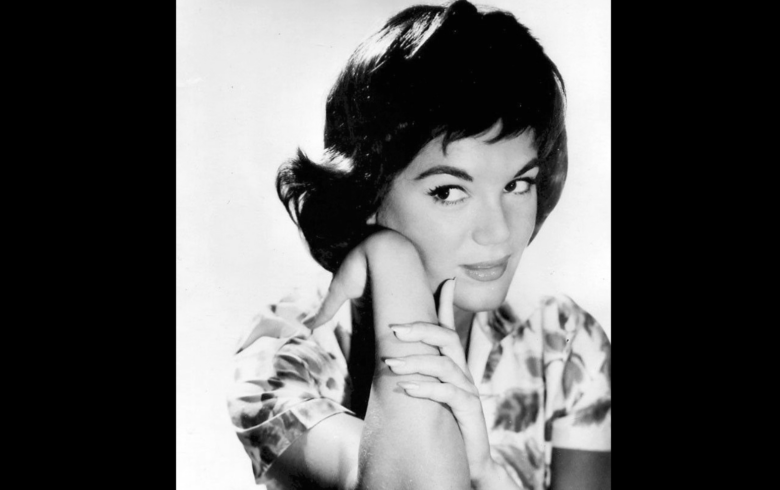
“Pretty little baby” — Connie Francis (1962)
Start here. This is the whole argument in a single data point. TikTok named this its Global Song of the Year for 2025. 28.4 million videos. 68 billion views. The song was never even a single — a deep cut on a 1962 album nobody was tracking. Connie Francis had no idea it existed until her copyright manager called to explain what “a viral hit” was. She joined TikTok at 86 to say thank you, passed away two months later, and the song kept going past 130 million Spotify streams. uDiscover Music has the full arc. Sixty-three years between the recording session and the global moment. You cannot plan that.

“Dreams” — Fleetwood Mac (1977)
Nathan Apodaca skated to work in 2020 with a bottle of cranberry juice and this song playing. That’s it. That’s the whole origin story. NME reports 387.4 million Spotify streams in 2025 alone — the most-streamed song of the entire 1970s that year. Mick Fleetwood recreated the video in his kitchen. Stevie Nicks did her own version. The algorithm has never fully stopped. A man drinking juice on a skateboard. That’s what it took.
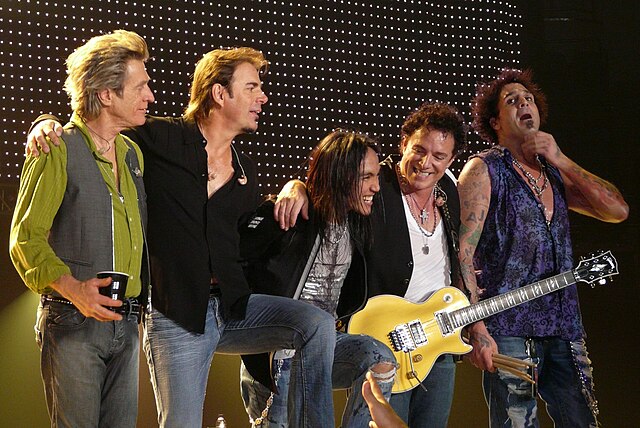
“Don’t stop believin'” — Journey (1981)
263 million Spotify streams in 2025. Most-streamed song of the 1980s that year, NME confirms. It went 18x platinum in 2024. 18. Songfacts has the footnote most people don’t know: it only reached number nine on its original release. The Sopranos cut to black on it. Glee turned it into a graduation anthem. TikTok inherited all of that accumulated meaning and has been spending it ever since.
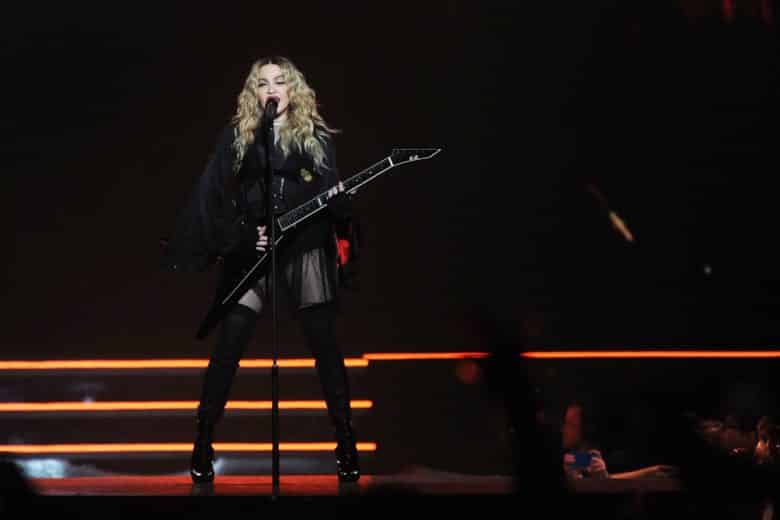
“Vogue” — Madonna (1990)
The Devil Wears Prada 2 trailer dropped in November 2025. Fifty seconds. Meryl Streep walks back into Runway. Anne Hathaway gets in the elevator. And underneath all of it, this song. Same song that ran under the first film in 2006. Thirty-five years of it being the sound of fashion on screen, and Hollywood keeps reaching for it because nothing else works the same way. Billboard tracked the result: 222 million trailer views in 24 hours, a 30% stream spike the opening weekend. The song doesn’t need a new audience. It just needs a new trailer.

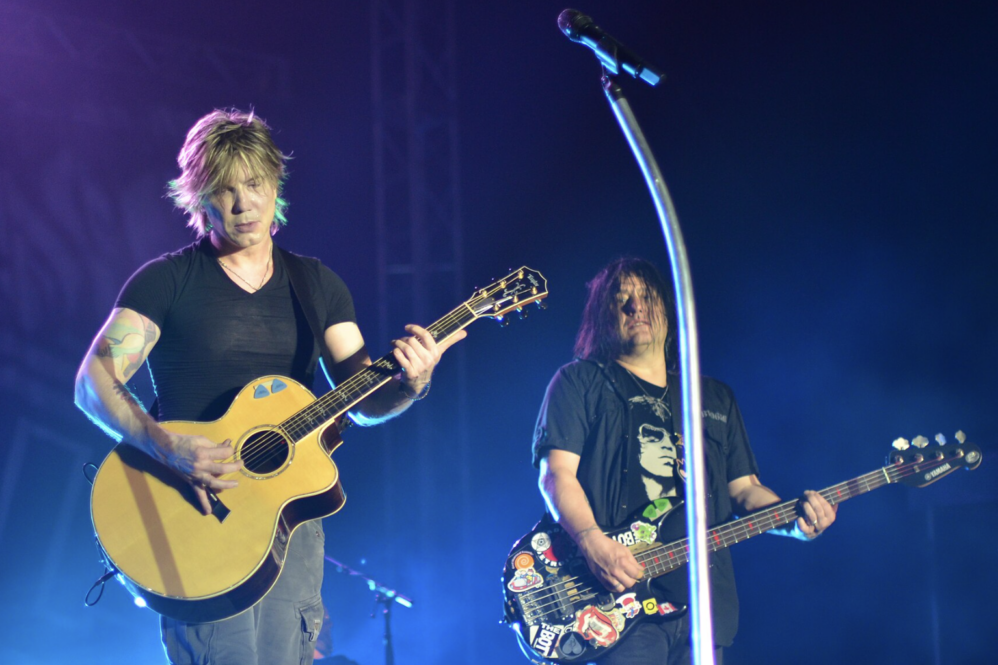
“Iris” — Goo Goo Dolls (1998)
337.9 million Spotify streams in 2025. Most-streamed 1990s song of the year, according to NME. Here’s the detail that lands hardest: Spotify’s own 20-year data report confirmed “Iris” peaked in 2025 — 27 years after release. A song about wanting to be invisible and known at the same time. You can see exactly why a generation raised on social media would find that resonant. The Deadpool and Wolverine soundtrack put it back in rotation in 2024. It never left after that.
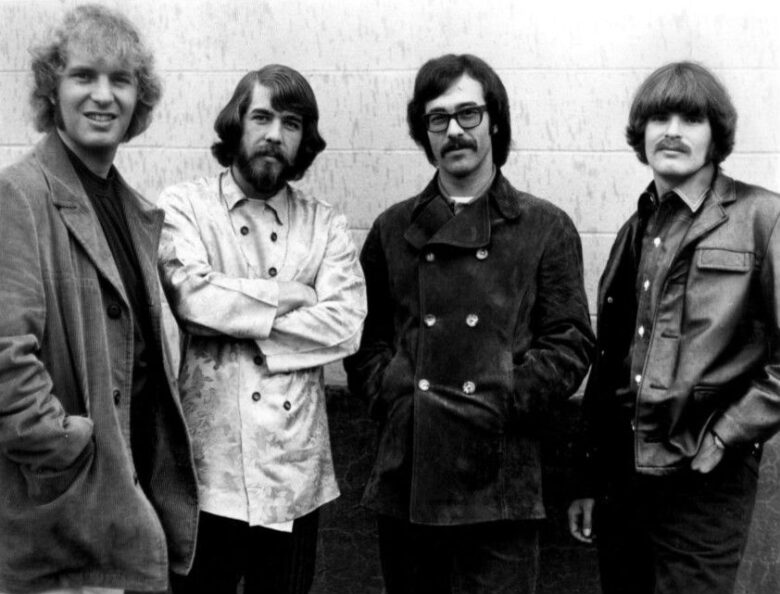
“Fortunate son” — Creedence Clearwater Revival (1969)
Three guitar notes. That’s all it takes. You either know exactly what song starts that way or you’ve just never heard it, and if that’s you, go listen right now. NME puts it at 136.7 million Spotify streams in 2025, the most-played 1960s track of the year. On TikTok, it functions as shorthand for defiant American energy, which turns out to be a very wide content category. Fifty-six years old and still the first thing anyone reaches for.

“Running up that hill” — Kate Bush (1985)
NME tracked a 153% stream surge when the Stranger Things finale aired in late 2025. Third major TikTok moment for this song. Third. A 1985 track that originally peaked at number three in the UK and number 30 in the US has now had three separate viral lives. Kate Bush is one of the most private people in pop music. She has spent the last three years becoming completely inescapable. Over 2.8 million TikTok videos. She did not ask for any of this. The song just kept finding people.

“Africa” — Toto (1982)
The template. The one that proved a meme could turn into a genuine multi-year streaming phenomenon. In 2017, it became a joke. In 2018, Weezer covered it and the cover topped the Billboard Alternative chart. Then Spotify’s algorithm took over and refused to stop, The Queen Zone reporting it back on Billboard in 2025 on streaming alone. Steve Lukather called it a throwaway. Made the whole record without hearing the lead vocal. Forty years later, it’s the song everybody can hum without knowing the band’s name.

“Bohemian rhapsody” — Queen (1975)
Six minutes. No repeating chorus. A full operatic section in the middle that has no business being in a pop single. It should not work on any algorithm-driven platform. Yardbarker puts Queen among the most-streamed classic acts by Gen Z globally. TikTok has an entire category of car-singalong videos for which this song is the founding document, going back through the 2018 biopic and all the way to Wayne’s World in 1992. Every single generation that encounters this song for the first time has the same reaction. You know what that reaction is.

“Purple rain” — Prince (1984)
Eight minutes. Ending in a guitar solo played live in a single take, in the rain, in front of a crowd, for the movie. Yardbarker notes Stranger Things as the gateway into Prince’s catalog for a lot of Gen Z listeners, but this song doesn’t need a gateway. They find the TikTok clip, they watch the full performance, and they go looking for the rest of the catalog. That solo is being used in videos as punctuation for moments that require the emotional weight of a closing statement. Which is exactly what it is.

The bottom line
The data says what the streaming numbers say: songs built on something true don’t age out. They just wait. Gen Z didn’t inherit these. They found them on their own, through a fifteen-second clip, and then stayed for the album. That’s not a trend. That’s a verdict.
Ask us! What questions do you have about content, strategy, pop culture, lifestyle, wellness, history or more? We may use your question in an upcoming article!
Related:
- The most controversial song the year you were born: Gen X edition
- The most controversial songs of the ’60s: Do you agree?
Like MediaFeed’s content? Be sure to follow us.
This article was syndicated by MediaFeed.co.