10 collectible fads that made people rich—and broke—overnight
Imagine buying a toy for $5 and seeing it sell for $50,000, only to watch the market collapse months later. At a 1998 holiday party, Ty Warner stood before 250 employees and shouted, “I’ve never seen so many millionaires in my life!” The appeal of collectibles includes rarity, nostalgia, hype, and speculation. These ten fads created overnight millionaires and broke just as many.
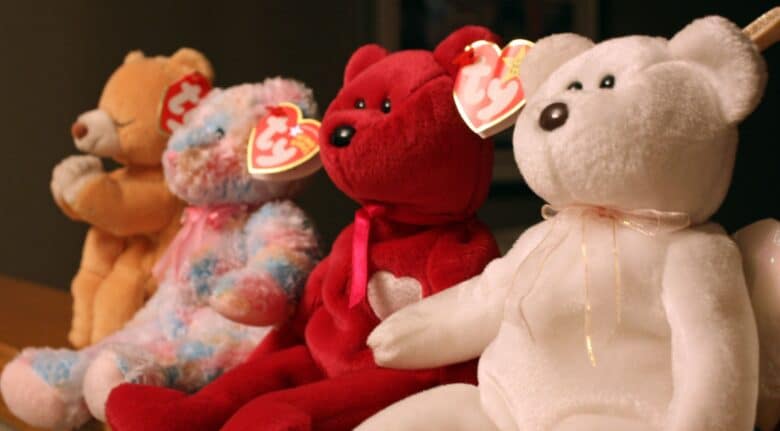
Beanie Babies
Ty Warner’s stuffed toys became an obsession in the 1990s, with rare ones selling for thousands of dollars. By 1998, Ty Inc. exceeded $1 billion in annual sales. The market collapsed when announced retirements no longer drove prices, flooding eBay with surplus inventory and causing values to drop by 98 percent.

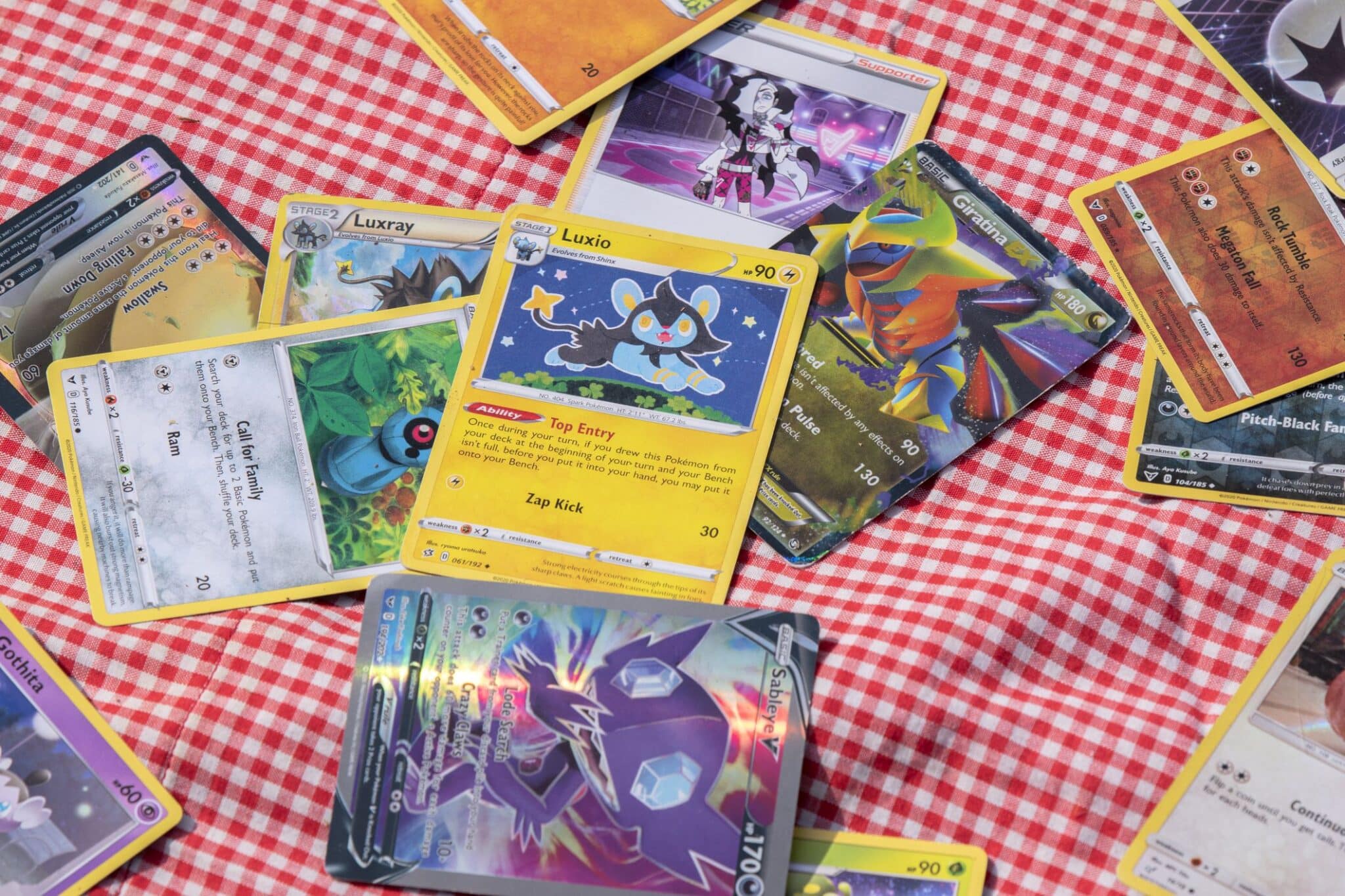
Pokémon cards
First Edition Charizard cards sold for $420,000 at the 2022 auctions. The late 1990s and 2020s resurgence saw nostalgia, rarity, and grading hype create fortunes, but values dropped significantly post-pandemic as speculation risks materialized.
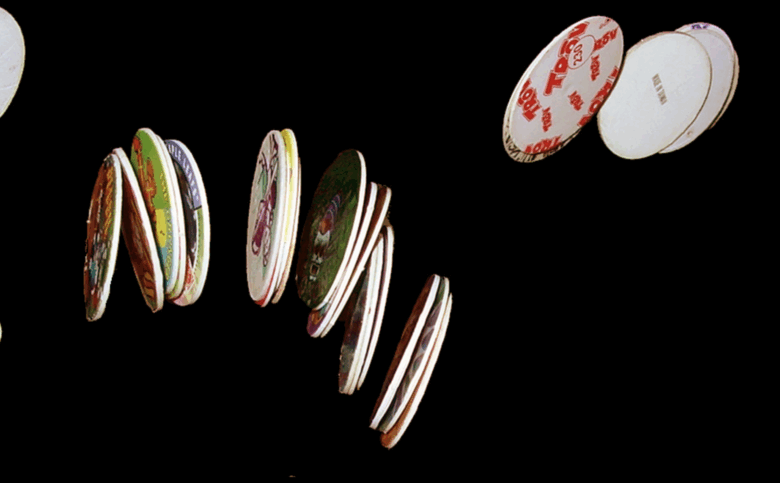
Pogs
In the mid-1990s, kids and collectors chased rare printed discs. The trend collapsed quickly, leaving most discs worthless except for rare tournament-winner specimens.

Cabbage Patch Kids
Limited supply created mass hysteria from 1983 to 1985. Dolls sold for hundreds to thousands above retail as parents fought in stores. Market saturation led to a rapid decline in demand.
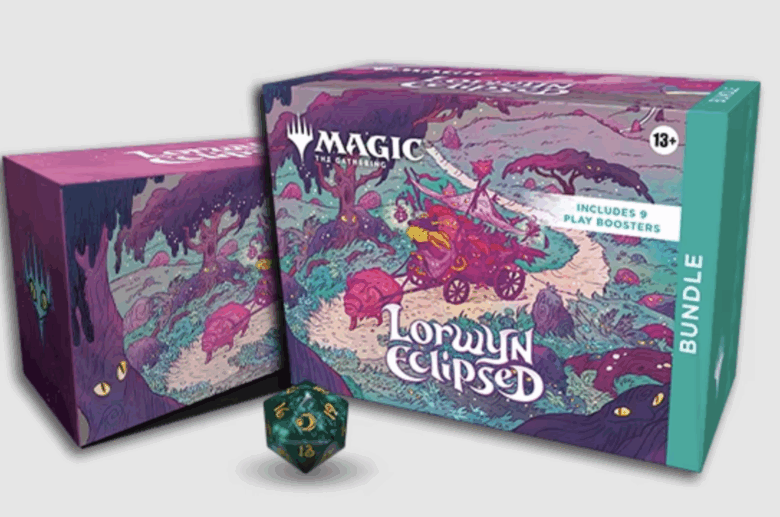
Magic: The Gathering cards
Original Alpha and Beta cards from 1993 became worth thousands of dollars. Not all cards proved rare, and hype led to significant losses for casual buyers when speculation exceeded actual scarcity.

Furby
Hysterical 1998 holiday demand saw units reselling for double or quadruple retail prices online. The electronic pet trend faded within a year as novelty wore off.
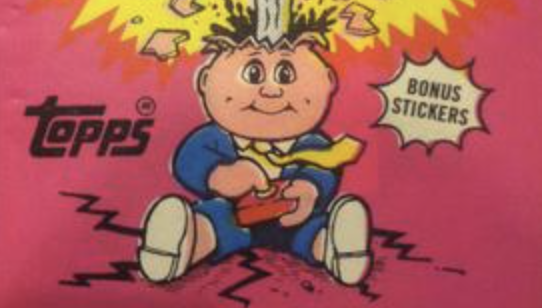
Garbage Pail Kids
Trading cards from 1985 parodied pop culture. Rare cards sold for $500 to $1,000 or more before overproduction killed scarcity and collector demand.

Sneaker crazes
Limited-edition Air Jordans and exclusive releases are resold for multiples of their retail value. Oversaturation and mass-market knockoffs eventually devalued some releases despite sustained collector interest.

Beanie Babies’ competitors
Many companies attempted to replicate Ty’s success during the 1990s’ economic boom. Collectors bought high on similar products. The market crashed, rendering most lots worthless overnight.
Crypto collectibles and NFTs
Digital art and collectibles sold for millions from 2020 to 2022. Market volatility and scams resulted in significant losses as the speculative bubble burst and floor prices collapsed across numerous collections.
Riches today, regrets tomorrow
Collectible markets prove emotional and volatile. Some made fortunes overnight, while others learned hard lessons. In collectibles, timing matters more than anything, and luck often trumps research.
Related:
- Classic cars that are a steal to buy
- 14 things from your ’90s childhood that could be worth a fortune
Like MediaFeed’s content? Be sure to follow us.
This article was syndicated by MediaFeed.org.