Forgotten ’90s TV shows that deserve a rewatch
The 1990s stand as television’s golden decade, producing enduring classics such as “Friends,” “Seinfeld,” and “The X-Files” that continue to dominate streaming platforms and cultural conversations today. However, this same abundance created fierce competition, leaving many exceptional shows struggling for viewers and recognition amid the crowded broadcast landscape. These forgotten gems often possessed unique qualities that distinguished them from their more famous contemporaries; yet, they vanished from collective memory just as quickly as they appeared on screen.
Revisiting overlooked television from this transformative decade offers rewards beyond simple nostalgia. Many of these shows tackled complex themes and experimental storytelling techniques that proved ahead of their time, making them surprisingly relevant for contemporary audiences seeking sophisticated entertainment. Others showcased emerging talent who would later become major stars, providing fascinating glimpses into their early work. Some series pushed creative boundaries in ways that influenced future television without receiving proper credit for their innovations.
These ten shows represent television’s most compelling lost treasures from the 1990s, series that deserve rediscovery for their quality writing, memorable performances, and lasting cultural impact. Each brought distinctive perspectives to familiar genres, creating entertainment that transcended the typical limitations of television. Their brief runs often resulted from network indifference rather than creative failure, making their overlooked status a testament to the unpredictable nature of broadcast success rather than artistic merit.

1. My so-called life (1994-1995)
“My So-Called Life” revolutionized teen television by abandoning sanitized depictions of adolescence in favor of raw emotional honesty, capturing the genuine complexity of the high school experience. The series followed Angela Chase, portrayed with remarkable depth by Claire Danes, as she navigated the formation of her identity, family relationships, and first love with unprecedented psychological realism. Creator Winnie Holzman crafted storylines addressing mental health, sexuality, and social pressure with sensitivity rarely seen in programming aimed at young audiences.
The show’s premature cancellation after one season was a result of low ratings and the network’s uncertainty about its unconventional approach to the teen drama genre. ABC struggled to market a series that refused to provide easy answers or comfortable resolutions to its characters’ problems. Additionally, the show’s willingness to address LGBTQ+ themes and mental health issues made network executives nervous about potential controversy. The Hollywood Reporter conducted an extensive retrospective analysis of the series, noting how its brief run became “a touchstone for a generation despite its brief existence” and examining why it remains culturally significant decades later.
A critical reevaluation has revealed the profound influence of “My So-Called Life” on subsequent teen programming, establishing emotional authenticity as a crucial element for credible adolescent storytelling. Jared Leto’s breakthrough performance as Jordan Catalano created a template for the brooding romantic interest, and the series’ unflinching examination of teenage angst provided a blueprint for shows like “Freaks and Geeks” and “Euphoria.” The writing’s literary quality and Claire Danes’ nuanced performance create a viewing experience that resonates powerfully with adult audiences, who recognize the universal truth in Angela’s journey.

2. NewsRadio (1995-1999)
“NewsRadio” delivered rapid-fire workplace comedy through the dysfunctional staff of a New York radio station, showcasing ensemble acting and writing that rivaled the best sitcoms of its era. The series distinguished itself through intellectual humor and sophisticated character development that elevated typical workplace comedy formulas. Dave Foley anchored the cast as the earnest news director surrounded by eccentric personalities brought to life by Phil Hartman, Maura Tierney, Stephen Root, and Andy Dick.
Despite critical acclaim and passionate fan devotion, “NewsRadio” suffered from NBC’s inconsistent scheduling and promotional neglect. The network frequently moved the show to different time slots, preventing it from building stable audience momentum. Additionally, it aired during NBC’s Thursday night comedy dominance, competing against established hits that received more network support and marketing attention. Remind Magazine extensively documented the show’s production challenges, noting how “the critically beloved show was not a ratings hit, due perhaps to its constant time slot changes (11 time slots in five seasons!).”
The series rewards contemporary viewers through its clever writing and exceptional comedic performances, showcasing underappreciated talent. Phil Hartman’s portrayal of the pretentious Bill McNeal is one of his finest television performances, showcasing his range beyond “Saturday Night Live” impressions. The show’s rapid dialogue delivery and complex character relationships created a sophisticated comedy experience that feels remarkably fresh decades later, particularly for viewers who appreciate workplace humor that respects audience intelligence.

3. Eerie, Indiana (1991-1992)
“Eerie, Indiana” blended science fiction, horror, and surreal humor to create children’s programming unlike anything else on television, following teenage Marshall Teller as he discovered the supernatural secrets of his new hometown. The series tackled dark themes through a child’s perspective without condescending to young viewers or diluting its mysterious atmosphere. Each episode presented self-contained mysteries that ranged from time manipulation to alien encounters, all grounded in relatable adolescent experiences.
NBC aired this show inconsistently, frequently rescheduling it or preempting episodes for sports coverage. The series’s sophisticated storytelling and darker themes also made some parents and network executives uncomfortable about its appropriateness for children’s programming. Empire Magazine recognized the series as “an underrated and inventive creep-show” that “predates Lost by marooning its characters in a place where inexplicable things happen,” noting its cult following and influence on subsequent supernatural programming.
“Eerie, Indiana” deserves rediscovery for its cult following and surprisingly sophisticated approach to supernatural storytelling that treated young viewers as intelligent audiences capable of handling complex themes. The series influenced later children’s programming by demonstrating that young audiences could appreciate nuanced storytelling and atmospheric horror. Creator José Rivera’s writing combined small-town Americana with supernatural elements in ways that predated shows like “Stranger Things” by decades, making it feel remarkably contemporary for modern viewers.

4. Sports Night (1998-2000)
Aaron Sorkin’s television debut introduced his signature rapid-fire dialogue and workplace dramedy formula through the behind-the-scenes operations of a cable sports news program. “Sports Night” combined comedy with profound dramatic moments, exploring the relationships between ambitious professionals who balance personal lives with demanding careers. The series showcased Sorkin’s talent for creating intelligent dialogue that revealed character depth through rapid conversational exchanges.
ABC struggled to market the series effectively, uncertain whether to promote it as a comedy or a drama, while competing against established programming on other networks. The show’s sports focus limited its potential audience, particularly among viewers uninterested in athletic coverage. Sorkin’s subsequent success with “The West Wing” also shifted his attention away from continuing the series. The Washington Post praised the series as a sophisticated workplace comedy, noting that “Sorkin writes sophisticated dialogue full of quick banter, witty repetitions, and the kind of lengthy monologues for which television rarely finds time,” while documenting how the show’s innovative approach influenced later television comedy.
Contemporary viewing reveals foundational elements of Sorkin’s style that would define his later work, making it essential viewing for fans of his subsequent projects. The series features exceptional performances from Josh Charles and Peter Krause, demonstrating their range before later career breakthroughs. The show’s exploration of media ethics and workplace relationships feels particularly relevant in today’s rapidly evolving news landscape, offering insights into professional journalism that remain applicable decades later.

5. The Adventures of Pete & Pete (1993-1996)
“The Adventures of Pete & Pete” created a surreal suburban universe where two brothers named Pete navigated childhood and adolescence through adventures that blended realistic coming-of-age experiences with fantastical elements. The Nickelodeon series distinguished itself through its unique visual style, offbeat humor, and surprisingly poignant observations about growing up in middle America. Each episode balanced whimsical storytelling with genuine emotional truth about family relationships and childhood friendships.
The show’s niche appeal and unconventional approach limited its mainstream success, though it developed devoted fans who appreciated its distinctive voice. Network programming changes and evolving children’s television trends eventually led to its cancellation despite critical praise and a cult following.
“The Adventures of Pete & Pete” merits rediscovery for its enduring charm and sophisticated approach to childhood storytelling that respected young viewers’ intelligence and emotional complexity. The series featured memorable guest appearances from alternative rock musicians and established actors who brought credibility to its eccentric universe. The show’s exploration of sibling relationships, suburban ennui, and adolescent identity formation created viewing experiences that resonate powerfully with adults who recognize universal truths in the Petes’ adventures.

6. Parker Lewis Can’t Lose (1990-1993)
“Parker Lewis Can’t Lose” introduced a cinematic style to television sitcoms through its protagonist’s elaborate schemes to navigate high school social hierarchies and avoid the consequences of his actions. The series employed visual effects, freeze frames, and fourth-wall breaks, creating dynamic viewing experiences uncommon in traditional sitcom production. Corin Nemec’s charismatic performance as the title character anchored stories that celebrated creativity and resourcefulness over conventional academic success.
The show’s highly stylized approach and quirky humor may have proven too unconventional for mainstream audiences seeking more traditional sitcom comfort. Additionally, its similarity to “Ferris Bueller’s Day Off” led to inevitable comparisons that overshadowed its original elements.
The show’s positive messaging about friendship, creativity, and problem-solving provides uplifting entertainment that contrasts with more cynical contemporary comedy. Its influence on later television production techniques and visual storytelling makes it valuable viewing for understanding how television evolved beyond traditional studio-bound sitcom formats.

7. Dinosaurs (1991-1994)
“Dinosaurs” combined Jim Henson’s innovative puppetry with sharp social satire, addressing contemporary issues through the lens of a prehistoric family navigating modern suburban life. The series tackled environmental concerns, corporate greed, and social inequality with surprising sophistication for family programming. Each episode balanced broad physical comedy with pointed commentary about human nature and societal problems.
The show’s expensive production costs and its controversial series finale, which depicted global extinction, may have deterred potential reruns and syndication opportunities. The series’s darker themes and occasional environmental preaching also made some viewers uncomfortable with its messages. Rotten Tomatoes documented the critical reception, praising the show’s technical achievements while noting mixed reactions to its social commentary. Critics acknowledged that “the prehistoric sitcom was often far more thought-provoking than its TGIF neighbors, tackling fairly deep subject matter.”
“Dinosaurs” deserves recognition for its impressive puppetry and unexpectedly profound social commentary, which remains relevant to contemporary audiences. The series finale’s environmental message about climate change feels remarkably prescient decades later. The show’s ability to address serious themes through humor and family dynamics created entertainment that appealed to viewers of different ages and perspectives on multiple levels.
8. Living Single (1993-1998)
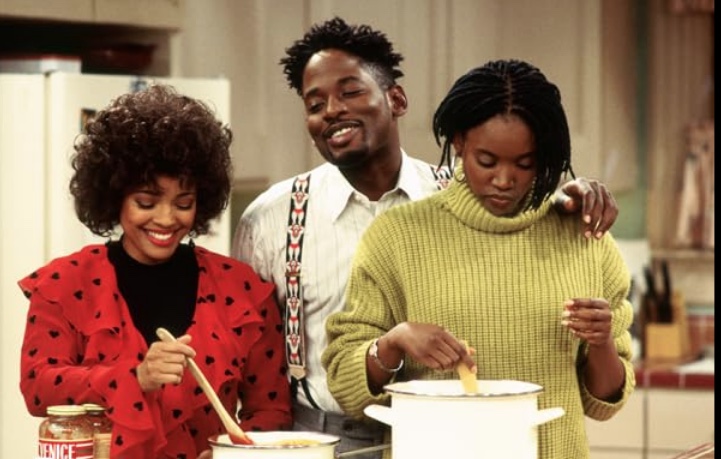
“Living Single” presented authentic portrayals of black urban professionals navigating careers, relationships, and friendships in Brooklyn, offering representation rarely seen on mainstream television during the 1990s. Queen Latifah anchored the ensemble cast as magazine editor Khadijah James, surrounded by friends whose distinct personalities and career ambitions created rich storytelling opportunities. The series combined romantic comedy with workplace humor and social commentary about urban life and professional success.
Despite strong ratings and critical praise, “Living Single” often faced unfair comparisons to “Friends,” which premiered later but received more mainstream media attention and cultural recognition. The show’s focus on realistic characters and urban settings limited its appeal among some demographic groups that networks prioritized during syndication decisions.
Additionally, the series showcased strong female characters pursuing professional success and personal fulfillment in ways that influenced subsequent television programming. The show’s wit, chemistry among cast members, and authentic depiction of friendship create viewing experiences that feel remarkably fresh and relevant for modern audiences.

9. The pretender (1996-2000)
“The Pretender” followed Jarod, a genius with extraordinary abilities to assume any identity and master any skill, as he escaped from a mysterious organization that had exploited his talents since childhood. The series combined procedural elements with ongoing mythology about Jarod’s origins and the shadowy Centre that pursued him. Each episode featured Jarod helping innocent people solve problems using his unique abilities and acquired knowledge.
The show’s serialized storytelling approach proved challenging for casual viewers during an era when most television programming remained episodic. Network changes and scheduling inconsistencies prevented the series from resolving all its complex mythology, leaving devoted fans with unanswered questions about central mysteries. Rotten Tomatoes documented the critical reception, praising lead Michael T. Weiss for making “a charmingly self-assured yet enigmatic hero out to help ‘the little guy’ while, in a nice twist, desperately wishing he could only be one himself.”
“The Pretender” merits rediscovery for its compelling central mystery and Michael T. Weiss’s charismatic performance as a character who is both innocent and worldly. The series’ exploration of nature versus nurture, corporate conspiracy, and personal identity created psychological depth unusual for network television. The show’s procedural elements, combined with ongoing character development, offer satisfying viewing experiences that reward both casual viewers and those who invest more deeply in its mythology.

10. Herman’s Head (1991-1994)
“Herman’s Head” visualized the internal workings of its protagonist’s mind through separate characters representing his intellect, sensitivity, fear, and lust, creating a unique sitcom format that explored human psychology through comedy. The series followed Herman Brooks, a fact-checker at a publishing company, as his internal voices debated life decisions and reacted to external situations. This innovative approach enabled the show to explore internal conflict and decision-making processes that are typically invisible in traditional sitcoms.
The high-concept premise may have proven too unusual for mainstream audiences seeking more conventional comedy formats. Additionally, the show’s focus on internal psychological processes required more active viewing than typical sitcom entertainment. Rotten Tomatoes noted how the series “squanders a brainy premise with juvenile execution, delivering a busy sitcom with a lot on its mind, but nothing novel to say,” though critics acknowledged the innovative concept behind the show’s psychological exploration.
The series’s clever internal monologues and creative visualization of mental processes created entertainment that was both funny and psychologically insightful. William Ragsdale’s performance as Herman, along with the voice work of his internal characters, created a unique viewing experience that combined comedy with genuine insight into human nature.
Conclusion
These forgotten series offer genuine entertainment value beyond nostalgic appeal, showcasing quality writing, memorable performances, and innovative storytelling that hold up remarkably well for contemporary viewers. Their brief runs often resulted from network indifference or scheduling mismanagement rather than creative inadequacy. Many tackled themes and employed techniques that proved ahead of their time, making them feel surprisingly relevant for modern audiences seeking sophisticated television entertainment.
The evolution of the television landscape has created new opportunities for these shows to find appreciative audiences through streaming platforms and digital distribution. Viewers now have access to complete series runs without the scheduling inconsistencies that hampered their original broadcasts. This accessibility enables a proper evaluation of their artistic merits and cultural contributions, without the commercial pressures that initially limited their success.
Explore our other television retrospectives here at MediaFeed, where we continue to delve into the shows and cultural moments that have shaped entertainment history across every memorable decade and genre.
Related:
Like MediaFeed’s content? Be sure to follow us.
This article was syndicated by MediaFeed.org.