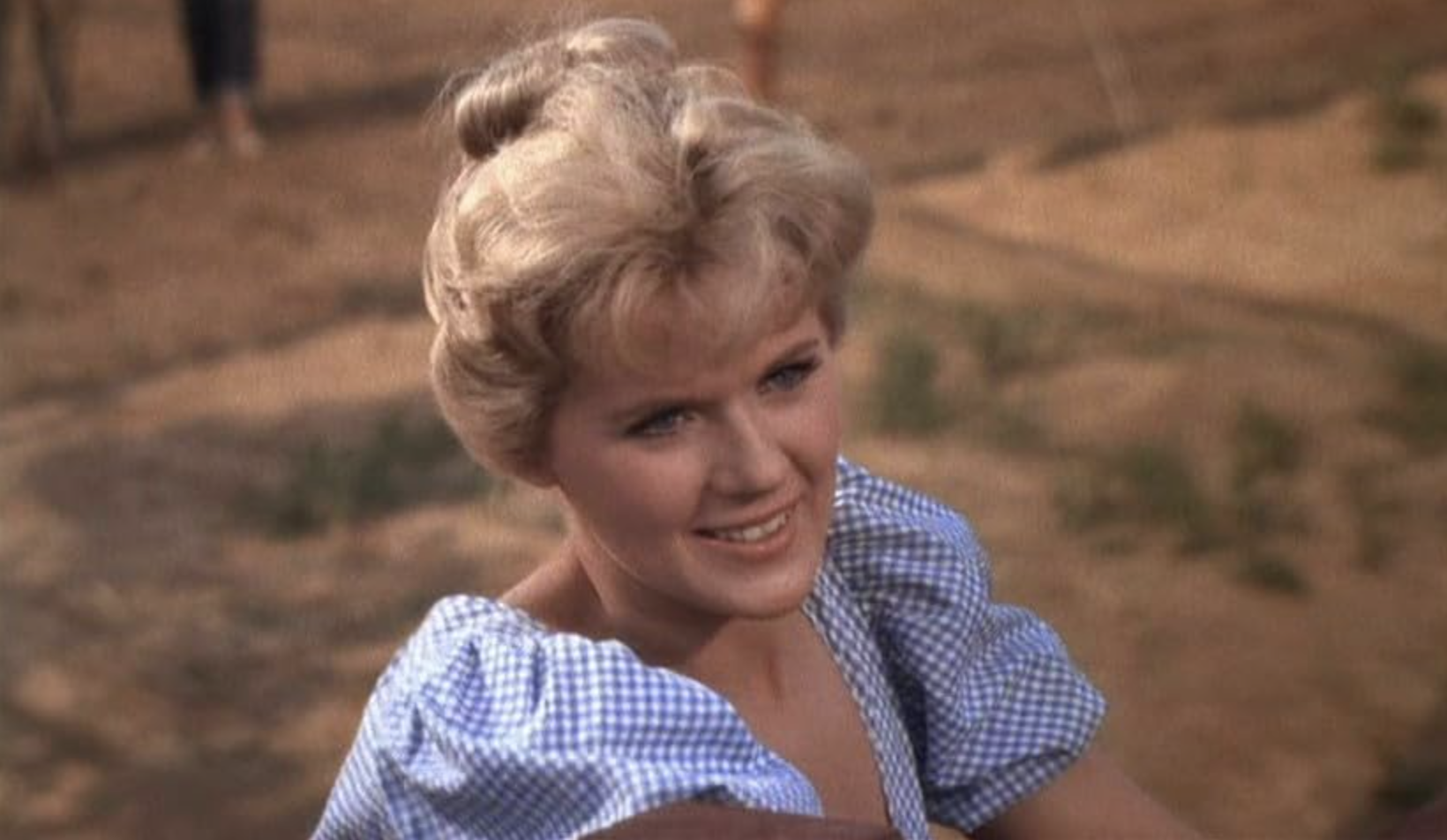
Forgotten ’70s actors only a true Boomer could name
The 1970s were an era when television was expanding its reach, independent films were gaining credibility, and audiences were hungry for faces that reflected their changing world. Many performers achieved genuine stardom during this pivotal decade, gracing magazine covers and filling theater seats with their distinctive presence and undeniable charisma.
For those who lived through the era as teenagers and young adults, these names conjure specific memories of Saturday afternoon matinees, primetime television appointments, and the faces that seemed to appear everywhere from TV Guide covers to movie theater lobbies. They were the performers who defined a particular cultural moment, embodying the hopes, anxieties, and rebellious spirit that characterized the decade’s entertainment landscape.
This article unearths the careers of 11 actors who were once prominent figures in 1970s entertainment but whose stars have dimmed over time, becoming recognizable only to those with deep, fond recollections of the decade and its unique cultural contributions to American entertainment history.

Michael Sarrazin
This handsome leading man emerged as one of the most promising dramatic actors of the early 1970s, known particularly for his intense performance in the grueling marathon dance competition drama and later for his role in the cross-country car rally comedy that became a cult favorite. His naturally introspective screen presence made him ideal for playing troubled or complex characters who embodied the era’s fascination with alienation and social upheaval. Variety noted how his understated intensity perfectly captured the disillusionment that defined early 1970s cinema, particularly in his breakthrough role alongside Jane Fonda.
While Sarrazin continued working consistently throughout the decade and beyond, appearing in both gritty dramas and action-comedies, his career never quite reached A-list status, and he didn’t secure roles in highly memorable, enduring films that would resonate with later generations. His performances were solid and committed, but the projects themselves often lacked the cultural impact necessary to cement his place in entertainment history alongside contemporaries like Al Pacino or Robert De Niro.
Baby Boomers remember him as a distinctive face in the era’s more thoughtful films, representing a particular type of leading man who embodied the generation’s search for meaning and authenticity in an increasingly complex world. His career exemplified the challenges faced by many talented actors who emerged during Hollywood’s transitional period but never quite achieved the breakthrough that would ensure lasting fame.

Judy Strangis
A familiar face on 1970s television, this actress gained particular notoriety for her role in the popular school-based drama series. She later achieved cult status as the lead in the Saturday morning live-action superhero show that paired her with a teenage sidekick in colorful costumes, fighting campy villains. Her work in youth-oriented programming made her a beloved figure among children and teenagers who religiously watched Saturday morning television during the decade’s golden age of live-action children’s shows.
Primarily known for her television work, especially in children’s programming, she never successfully transitioned into major adult film roles, and her television appearances became less frequent as the industry shifted away from the types of shows that had made her famous. Television historians have noted how her performance helped establish templates for female-led action programming that would influence later generations of creators.
Her work on popular youth-oriented shows makes her instantly recognizable to those who grew up watching Saturday morning television, representing a specific era when live-action children’s programming was a significant component of weekend television schedules and when performers could achieve genuine fame through these specialized formats.
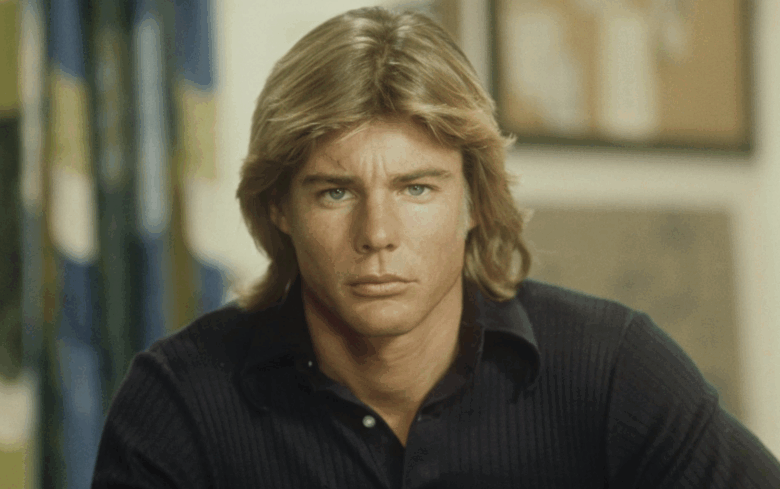
Jan-Michael Vincent
A golden boy of early to mid-1970s cinema, this actor possessed the kind of classic good looks and natural charisma that seemed to guarantee major stardom, starring in coming-of-age dramas and action films that showcased his ability to convey both vulnerability and strength. His performances in films about small-town life and his later work in television mini-series demonstrated considerable range and screen presence, suggesting a major career ahead.
Despite his early promise and obvious talent, Vincent’s career was later significantly impacted by personal struggles, including substance abuse issues, which led to a decline in both the quality and prominence of his roles during the 1980s and 1990s. The Hollywood Reporter noted how his personal difficulties gradually overshadowed his professional achievements, serving as a cautionary tale about the pressures of early fame.
His classic good looks and roles in popular films and television made him a recognizable heartthrob of the decade, representing the kind of all-American masculinity that appealed to audiences during an era when traditional gender roles were being questioned and redefined throughout American culture.

Samantha Eggar
This British actress brought an elegant screen presence and sophisticated acting technique to American cinema, building on her Oscar-nominated performance in a mid-1960s psychological thriller to establish herself as a memorable presence in 1970s horror and science fiction films. Her work in genre cinema demonstrated her willingness to take on challenging, often disturbing roles that showcased her dramatic range and commitment to complex characters.
While Eggar continued to work steadily throughout the decade and beyond, she never became a household name in mainstream American entertainment, primarily taking on character roles or appearing in genre films that, while critically respected, didn’t achieve the broad popular success necessary for lasting fame. Her preference for artistically challenging projects over commercial blockbusters limited her visibility among general audiences.
Her distinctive voice and sophisticated demeanor made her a memorable presence in many of the era’s darker, more psychologically complex films, appealing particularly to audiences who appreciated serious dramatic work and genre cinema that pushed boundaries beyond typical mainstream entertainment offerings.

Michael Beck
This actor achieved iconic status through his leading role as the stoic leader in the stylized urban gang warfare film that became one of the most influential cult classics of the late 1970s, showcasing his ability to project both toughness and vulnerability in equal measure. His performance captured the anxious energy of late-decade urban America while creating a character who became emblematic of a particular type of masculinity and rebellion.
Following his cult film success, Beck starred opposite a major pop star in a big-budget musical fantasy that attempted to blend disco, rock music, and roller skating into mainstream entertainment. Unfortunately, this film became a critical and commercial disaster, and he subsequently struggled to find equally prominent roles, often appearing in television movies and smaller parts that didn’t capitalize on his obvious screen presence.
His role in the urban gang film is instantly identifiable to a specific generation of moviegoers who discovered the movie during its theatrical run or through later television broadcasts and home video releases. Film historians have noted how the film’s distinctive visual style and memorable dialogue created a lasting cultural impact that far exceeded its initial commercial performance.
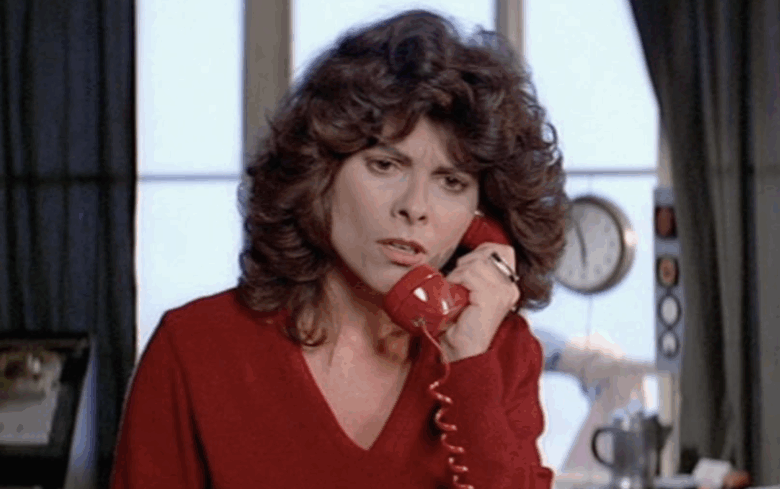
Adrienne Barbeau
Rising to fame through her role as the outspoken feminist daughter on a groundbreaking sitcom that tackled social issues with unprecedented directness, this actress later became a prominent figure in horror cinema through her collaborations with a master filmmaker known for his atmospheric thrillers. Her work spanned both mainstream television comedy and cult horror films, demonstrating remarkable versatility in completely different entertainment genres.
Her television work established her as a strong, intelligent performer capable of delivering both dramatic moments and comedic timing. At the same time, her horror film roles revealed a dramatic intensity that made her particularly effective in suspenseful scenarios. Genre film enthusiasts have consistently ranked her among the most memorable performers of the horror renaissance that flourished during this period.
While she continued a prolific career, especially in voice acting and character roles, her mainstream leading lady status declined after the early 1980s, making her less recognizable to subsequent generations despite her continued professional activity. Her strong presence in popular television and genre films makes her a familiar face to audiences who experienced 1970s and early 1980s entertainment firsthand.

Gary Busey
An acclaimed actor who demonstrated remarkable range and intensity, this performer rose to prominence with his powerful biographical portrayal of a legendary rock and roll pioneer, earning critical acclaim and significant award recognition that positions him for sustained leading man status. His raw, naturalistic acting style and musical abilities created an authentic and emotionally resonant performance that captured both the subject’s artistic genius and personal struggles.
His undeniable talent and distinct screen persona made him a significant presence in late 1970s cinema, with his Oscar-nominated performance representing the kind of total commitment to character that defined the decade’s most memorable dramatic work. The role showcased not only his acting abilities but also his musical talents and willingness to inhabit challenging characters fully.
While Busey never truly disappeared from the entertainment industry and continued working consistently, a severe motorcycle accident in 1990 and subsequent personal and legal issues changed his career trajectory significantly. Critics and audiences who witnessed his early work remember him as a performer of exceptional intensity and authenticity before his later struggles became more prominent in public perception.

Pam Grier
The undisputed queen of Blaxploitation cinema, this actress starred in iconic action roles that redefined what female heroes could be on screen, combining physical prowess with intelligence and attitude in ways that influenced generations of performers and filmmakers. Her performances in groundbreaking films celebrated Black power and female independence while creating characters who were both powerful and complex.
Her fierce, empowered characters made her an icon for a generation, especially within Black audiences, and she became a symbol of strength and coolness that transcended typical genre limitations. The Hollywood Reporter has noted how her work challenged both racial and gender stereotypes simultaneously, creating multidimensional characters rather than simple archetypes.
While her cultural impact was immense during the height of the Blaxploitation movement, the genre itself faded by the end of the decade, leading to a period of less mainstream visibility before her triumphant resurgence in later work that reintroduced her to new audiences and confirmed her lasting influence on action cinema.

Barry Newman
This actor starred in the existential cult classic about a man driving cross-country in a high-speed chase, which became a defining film of early 1970s cinema. He later achieved television success as the titular character in a popular legal drama series, earning him critical recognition and award nominations. His work demonstrated versatility across both film and television formats during a period when such crossover success was relatively uncommon.
While his television series was a hit and showcased his ability to carry a weekly drama, his film career didn’t fully capitalize on his earlier cult success, and he settled into a steady but less high-profile career in television guest roles and smaller film parts. The legal drama showcased his ability to bring depth to what could have been a formulaic professional role.
His distinctive voice and stoic screen presence in both his cult film role and his popular television series made him a recognizable figure in early 1970s popular culture, particularly among audiences who appreciated character-driven drama and unconventional storytelling approaches that challenged traditional entertainment formulas.

Connie Stevens
Already established as a star from her late 1950s and early 1960s television work, this performer maintained significant visibility throughout the 1970s through frequent television appearances, guest roles, and made-for-television movies, becoming a quintessential and recognizable television personality of the era. Her adaptability allowed her to remain relevant as the medium evolved and expanded its programming options.
While she never truly disappeared from public view, her mainstream leading roles gradually diminished, and she became increasingly known for her business ventures, including a successful beauty product line, rather than for her acting work, causing her to fade from A-list entertainment status even as she remained professionally active.
Her consistent presence on variety shows, game shows, and television movies made her a familiar and beloved face throughout the decade, representing the kind of versatile entertainer who could maintain career longevity by adapting to changing industry trends and audience preferences while building a personal brand that extended beyond traditional acting roles.

Brenda Vaccaro
A highly regarded character actress possessing a distinctive raspy voice and dynamic screen presence, this performer earned an Academy Award nomination for her supporting role in a popular adaptation of a bestselling novel and appeared in numerous high-profile films and television productions throughout the decade. Her work consistently elevated the projects in which she appeared, bringing authenticity and memorable personality to supporting roles.
While she continued working steadily throughout her career, she rarely secured leading roles; instead, she excelled in supporting parts that showcased her considerable talents but didn’t provide the visibility necessary to make her a household name among younger audiences who didn’t experience her peak years firsthand.
Her energetic, often sassy performances made her a memorable presence in many of the decade’s most popular films, television dramas, and comedies. Contemporary critics consistently praised her ability to convey genuine human emotion and humor in even the most dramatic circumstances, creating characters that felt authentic rather than contrived.

Conclusion
These eleven actors represent the often unpredictable trajectory of entertainment industry careers, where even significant talent, popularity, and critical recognition can prove fleeting when faced with changing cultural tastes, personal circumstances, and the simple passage of time that relegates some performers to memory while elevating others to legendary status.
For Baby Boomers who experienced the 1970s during their formative years, these names evoke a rich tapestry of cultural memories and associations, highlighting the diverse talent that defined the decade’s unique entertainment landscape. Their recognition of these performers reflects not merely nostalgia but an appreciation for the particular creative energy and cultural significance of an era that produced both enduring classics and memorable works that deserve continued recognition.
The stories of these forgotten stars illustrate how success in entertainment can take many forms, from cult film immortality to television popularity to critical acclaim, while also demonstrating how various factors beyond talent and hard work ultimately determine whose careers achieve lasting cultural impact. Which other 1970s actors do you remember vividly, even if the rest of the world has moved beyond their moment in the spotlight? Explore our other nostalgic entertainment retrospectives here at MediaFeed to delve deeper into the personalities and cultural moments that shaped the decades we remember most fondly.
Related:
- These actors should stick to action movies
- 9 actors who portrayed villains so well that people hate them
Like MediaFeed’s content? Be sure to follow us.
This article was syndicated by MediaFeed.org.