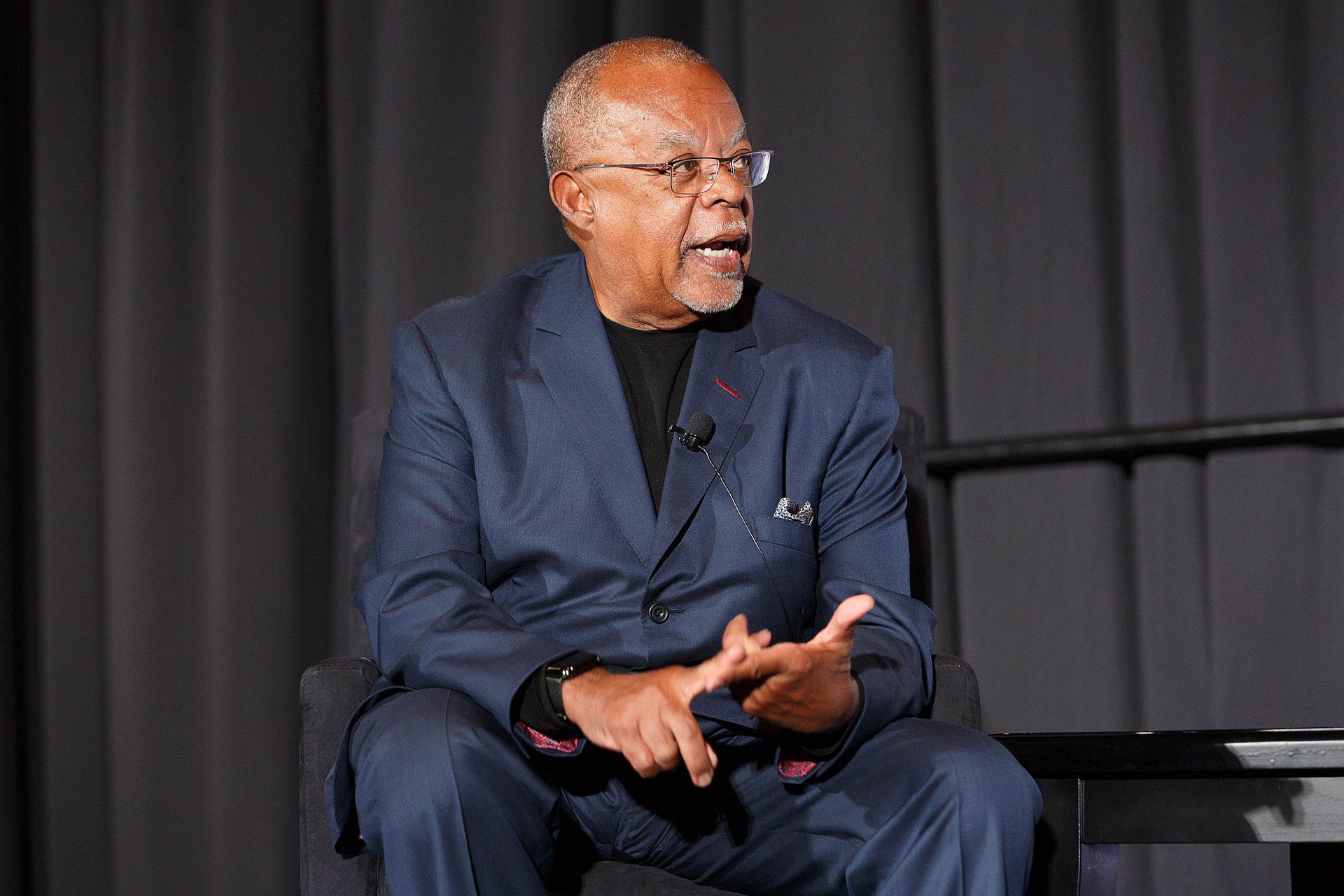
In July 2022, Henry Louis Gates, Jr., Director of the Hutchins Center for African & African American Research at Harvard University, took to X, the social media platform then known as Twitter, to reveal his latest undertaking. He would serve as editor-in-chief of the Oxford Dictionary of African American English (ODAAE), a research project requiring three years to complete.
When the ODAAE is completed in 2025, as projected, it will provide definitions of words that have so far been excluded from the Oxford English Dictionary. But perhaps more importantly, it will illustrate the way African American English has influenced the development of the English language, particularly in this century and the last.
African American English has been the source of terms that everyone in the United States has been using for years in regular conversation, often without realizing their origins. The ODAAE will seek to rectify that. You’ve already been saying something is “cool” or a “cakewalk” for years without knowing the origin of those terms, but the new dictionary will both make these terms official and draw connections to their history.
Image Credit: Library of Congress Life / Wikipedia.
The roots of African American English

According to the Hutchins Center, the roots of African American English derive from the languages of Africa and the vernacular they inspired in the United States. The Center said that African American English “has long contributed full categories of words and phrases that have had a profound impact on the way that English is used in the United States and worldwide.”
Led by Professor Henry Louis Gates, Jr., the creation of this dictionary has involved a combination of scholarly research and crowdsourcing in present-day African American communities. This ensures that the terms used in the ODAAE are as up-to-date as possible while being supported by historical data, which will illustrate the words’ meaning, history, spelling, and pronunciation.
In addition to defining these words, the ODAAE will provide real quotations demonstrating the words’ use in context. This will ensure that the many African American intellectuals, writers, and philosophers who helped shape this language achieve the recognition they deserve for their efforts. Examples from everyday African Americans will also be cited, as well as ones from literature, journalism, music, and social media.
Image Credit: Library of Congress Life / Wikipedia.
The first 10 words from the ODAAE and what they mean
Compiling the Oxford Dictionary of African American English is still in progress and anyone who wishes can contribute to it through its Word Suggestion Form or become otherwise involved through its Comments and Crowdsourcing Form. Like language itself, this dictionary is an evolving undertaking, and it will benefit from the input of today’s African American English speakers.
The projected release date of the full ODAAE is March 2025. In the meantime, ten of the entries have been released to the public, and the New York Times published those flagship entries in May 23, 2023. According to Professor Gates, these entries will also be introduced into the word bank of the Oxford English Dictionary.
“That is the best of both worlds, because we want to show how Black English is part of the larger of Englishes, as they say, spoken around the world,” Gates told the Times. Have a look at the terms released so far – you may find you’ve been using them for years already without knowing their true origins.
Image Credit: Oxford Languages / YouTube.
1. Bussin (adj. and participle)
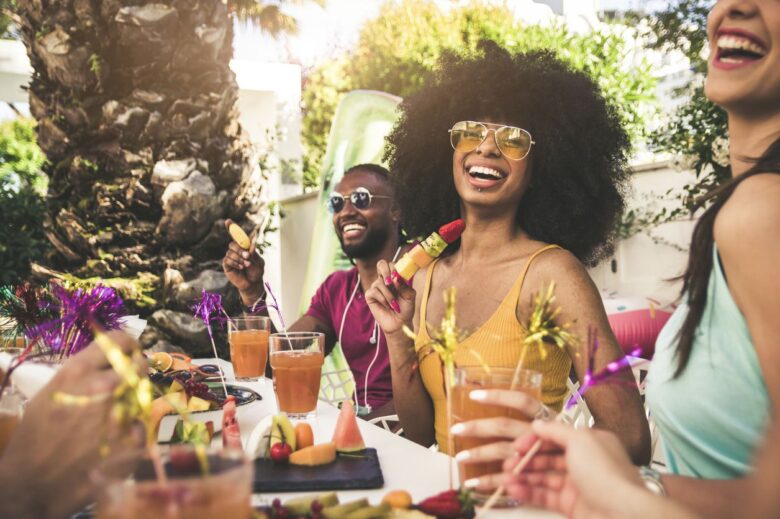
1. Especially describing food: tasty, delicious. Also more generally: impressive, excellent. 2. Describing a party, event, etc.: busy, crowded, lively. (Variant forms: bussing, bussin’.)
Image Credit: Kar-Tr / iStock.
2. Grill (n.)
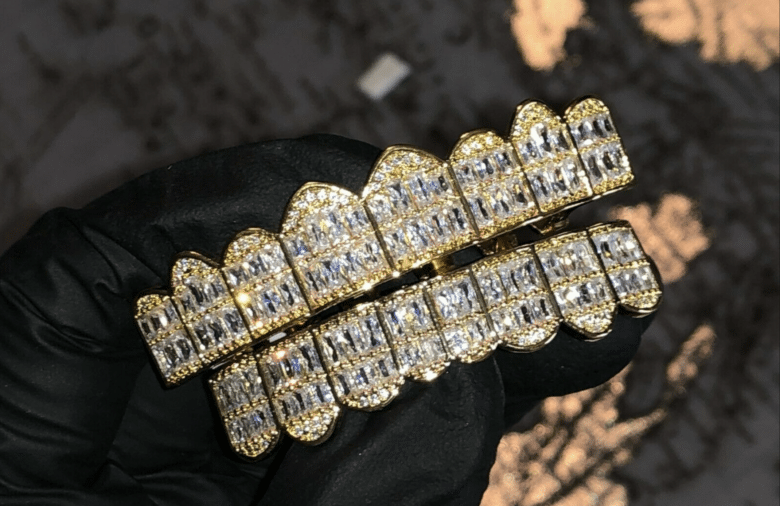
A removable or permanent dental overlay, typically made of silver, gold or another metal and often inset with gemstones, which is worn as jewelry.
Image Credit: Americas_Jewelry / eBay.
3. Promised Land (n.)
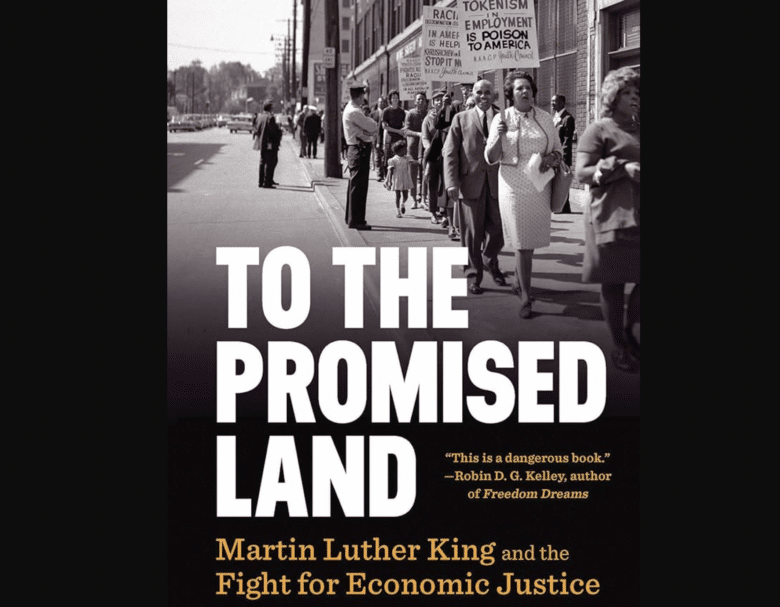
A place perceived to be where enslaved people and, later, African Americans more generally, can find refuge and live in freedom. (Etymology: A reference to the biblical story of Jewish people seeking freedom from Egyptian bondage.)
Image Credit: Michael K. Honey / Amazon.com.
4. Chitterlings (n. plural)
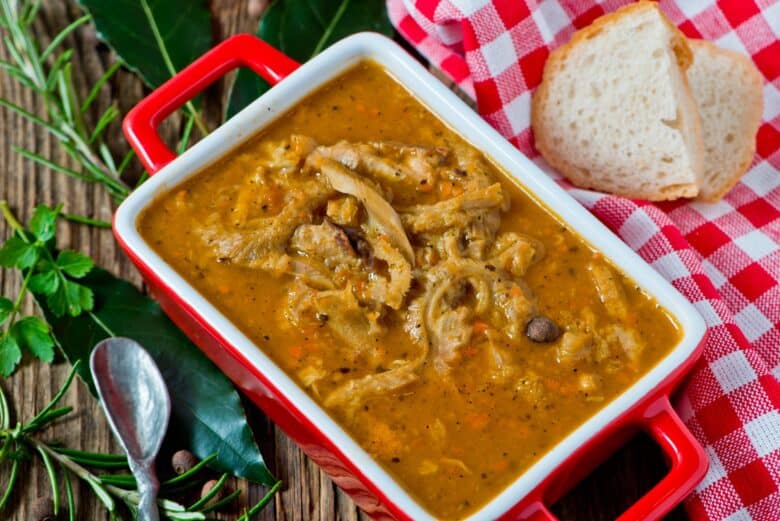
A dish made from pig intestines that are typically boiled, fried or stuffed with other ingredients. Occasionally also pig intestines as an ingredient. (Variant forms: chitlins, chittlins, chitlings, chitterlins.)
Image Credit: Depositphotos.com.
5. Kitchen (n.)
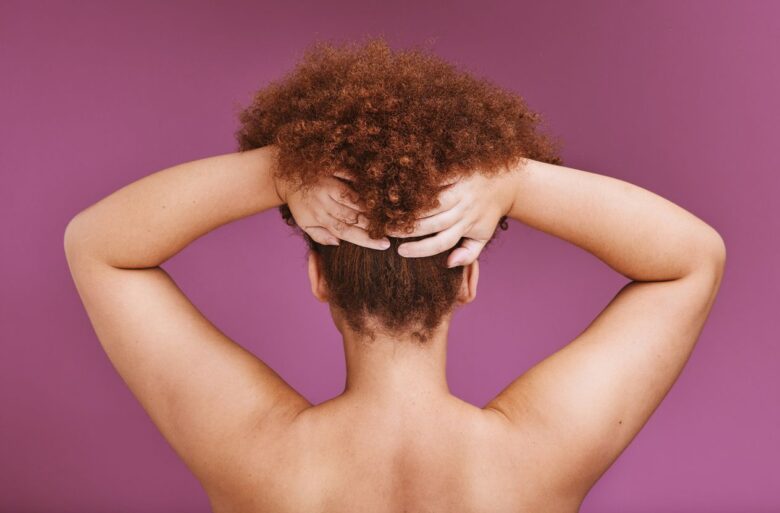
The hair at the nape of the neck, which is typically shorter, kinkier and considered more difficult to style.
Image Credit: PeopleImages / iStock.
6. Cakewalk (n.)

1. A contest in which Black people would perform a stylized walk in pairs, typically judged by a plantation owner. The winner would receive some type of cake. 2. Something that is considered easily done, as in “This job is a cakewalk.”
Image Credit: Public Domain / Wikipedia.
7. Old school (adj.)

Characteristics of early hip-hop or rap music that emerged in New York City between the late 1970s to the mid-1980s, which often includes the use of couplets, funk and disco samples, and playful lyrics. Also used to describe the music and artists of that style and time period. (Variant form: old skool.)
Image Credit: LightFieldStudios / iStock.
8. Pat (verb)
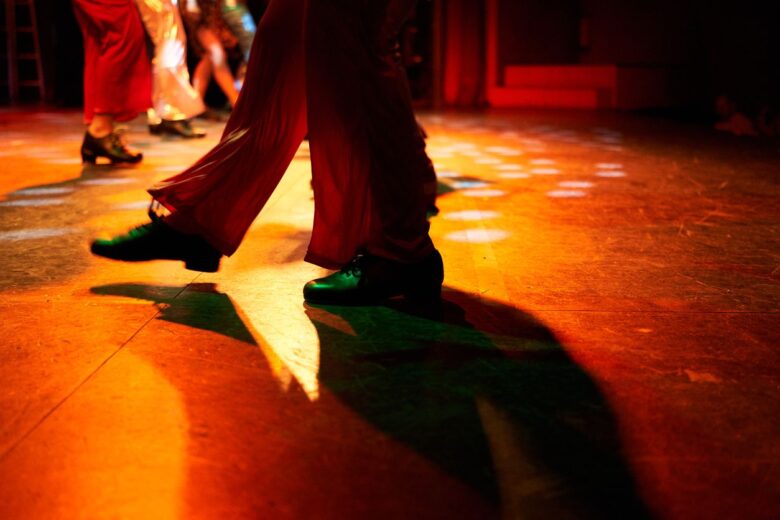
1. transitive. To tap (the foot) in rhythm with music, sometimes as an indication of participation in religious worship.
2. intransitive. Usually of a person’s foot: to tap in rhythm with music, sometimes to demonstrate participation in religious worship.
Image Credit: JRoaPhoto / iStock.
9. Aunt Hagar’s children (n.)
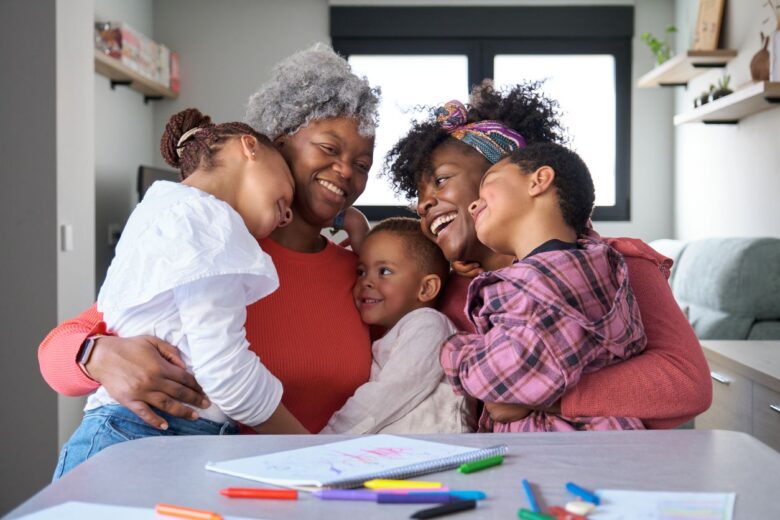
A reference to Black people collectively. (Etymology: Probably a reference to Hagar in the Bible, who, with her son, Ishmael, was cast out by Sarah and Abraham [Ishmael’s father], and became, among some Black communities, the symbolic mother of all Africans and African Americans and of Black womanhood.)
Image Credit: Ladanifer / iStock.
10. Ring shout (n.)

A spiritual ritual involving a dance where participants follow one another in a ring shape, shuffling their feet and clapping their hands to accompany chanting and singing. The dancing and chanting gradually intensify and often conclude with participants exhibiting a state of spiritual ecstasy.
This article was produced and syndicated by MediaFeed.
Image Credit: Library of Congress / YouTube.
More from MediaFeed

‘Rizz’ is Oxford’s 2023 Word of the Year & no, you’re not alone in never hearing it before
- 14 albums we can hardly believe are turning 30 this year
- Here’s what 2024 holds in store for your Zodiac sign, according to ChatGPT
Like MediaFeed’s content? Be sure to follow us.
Image Credit: DepositPhotos.com.