It’s a presidential election year, and many experts are sounding the alarm to say generative artificial intelligence (AI) tools may upend the process. People specializing in AI say that these tools have made it easier to spread misinformation and sway an election, and it’s not yet known what effect it will have this November.
In the three years since President Joe Biden was sworn into office, little has changed for those who believe his election in 2020 was fraudulent. This perception has been fed in part by social media and certain cable news channels, who claim to this day that former President Donald Trump won the election but was denied the presidency through cheating. Despite numerous legal challenges, this allegation was never substantiated.
Social media’s potential role in spreading misinformation
Furthermore, X (the social media platform formerly known as Twitter) cut its outsourced content moderators in 2022, creating a hospitable environment for misinformation. That means manipulated media that appears authentic – “deepfakes” – may find a hospitable environment there or on any other social media platform that doesn’t prioritize cracking down on them.
“I expect a tsunami of misinformation,” said AI expert Oren Etzioni in a recent article. “I hope to be proven wrong. But the ingredients are there, and I am completely terrified.”
What do other experts have to say about AI’s impact on the 2024 election?
Ian Bremmer, founder of the political risk consultancy Eurasia Group, said in their “2024 Top Risks Report” that ungoverned AI threatens election integrity, and human politicians will be unable to keep pace with its rapid advancement.
“Generative AI will be used by domestic and foreign actors – notably Russia – to influence electoral campaigns, stoke division, undermine trust in democracy, and sow political chaos on an unprecedented scale,” he wrote. “Sharply divided Western societies, where voters increasingly access information from social media echo chambers, will be particularly vulnerable to manipulation. A crisis in global democracy is today more likely to be precipitated by AI-created and algorithm-driven disinformation than any other factor.”
Daniel I. Weiner and Lawrence Norden of the Brennan Center for Justice, a nonprofit law and public policy institute, said that this “synthetic media” poses a significant threat to elections and cited an example of how it’s already being used to sway voters.
Phony images have already been used
“Gov. Ron DeSantis’s campaign released AI-generated images of former President Donald Trump embracing Anthony Fauci, who has become a lightning rod among Republican primary voters because of the Covid-19 mitigation policies he advocated,” they said. “Given the astonishing speed at which deepfakes and other synthetic media (that is, media created or modified by automated means, including with AI) have developed over just the past year, we can expect even more sophisticated deceptive communications to make their way into political contests in the coming months and years.”
Archon Fung of Harvard Kennedy School and Lawrence Lessig of Harvard University wrote in Government Technology that “reinforcement learning,” which relies upon machine-learning and trial-and-error, can create a string of messages designed to influence your vote. This technique could undoubtedly come into play in November and play out in several different ways.
“One possibility is sending likely opponent voters information about nonpolitical passions that they have in sports or entertainment to bury the political messaging they receive,” they said. “Another possibility is sending off-putting messages — for example, incontinence advertisements — timed to coincide with opponents’ messaging. And another is manipulating voters’ social media friend groups to give the sense that their social circles support its candidate.”
Robert Weissman, president of the government watchdog group Public Citizen, said deepfakes created with generative AI could influence any election, but never more so than one in which the candidates are running neck-and-neck.
How ‘deepfakes’ could easily sway the election
“A deepfake released shortly before Election Day — perhaps showing a candidate drunk, or speaking incoherently, or consorting with a disreputable figure — could easily sway a close election,” he said.
He added that if deepfakes become pervasive enough, they might eventually have the opposite effect of what their creators intended.
“The prevalence of deepfakes could enable candidates to deny the validity of authentic content, dismissing it simply as fake,” he said.
Despite the ominous predictions about the influence of generative AI on elections, Arizona Secretary of State Adrian Fontes said that we already have the tools to fight it. He said that if voters do their due diligence and verify a video or other media before sharing it, it would go a long way toward protecting election integrity, no matter who’s on the ballot in November.
“The bottom line is this: AI is not all terrible,” he said. “There are tons of benefits to it, but it’s the stuff we need to be careful of that we’re training for. And really what it comes down to is the basics. If we are following basic process, basic protocol, basic procedures, double checking whenever something happens before making major decisions regarding our operations or sharing information, we’re going to be in pretty good shape coming into what could be a hostile environment.”
More from MediaFeed:
Who said it, Joe Biden or Donald Trump?
- 14 albums we can hardly believe are turning 30 this year
- Here’s what 2024 holds in store for your Zodiac sign, according to ChatGPT
Like MediaFeed’s content? Be sure to follow us.
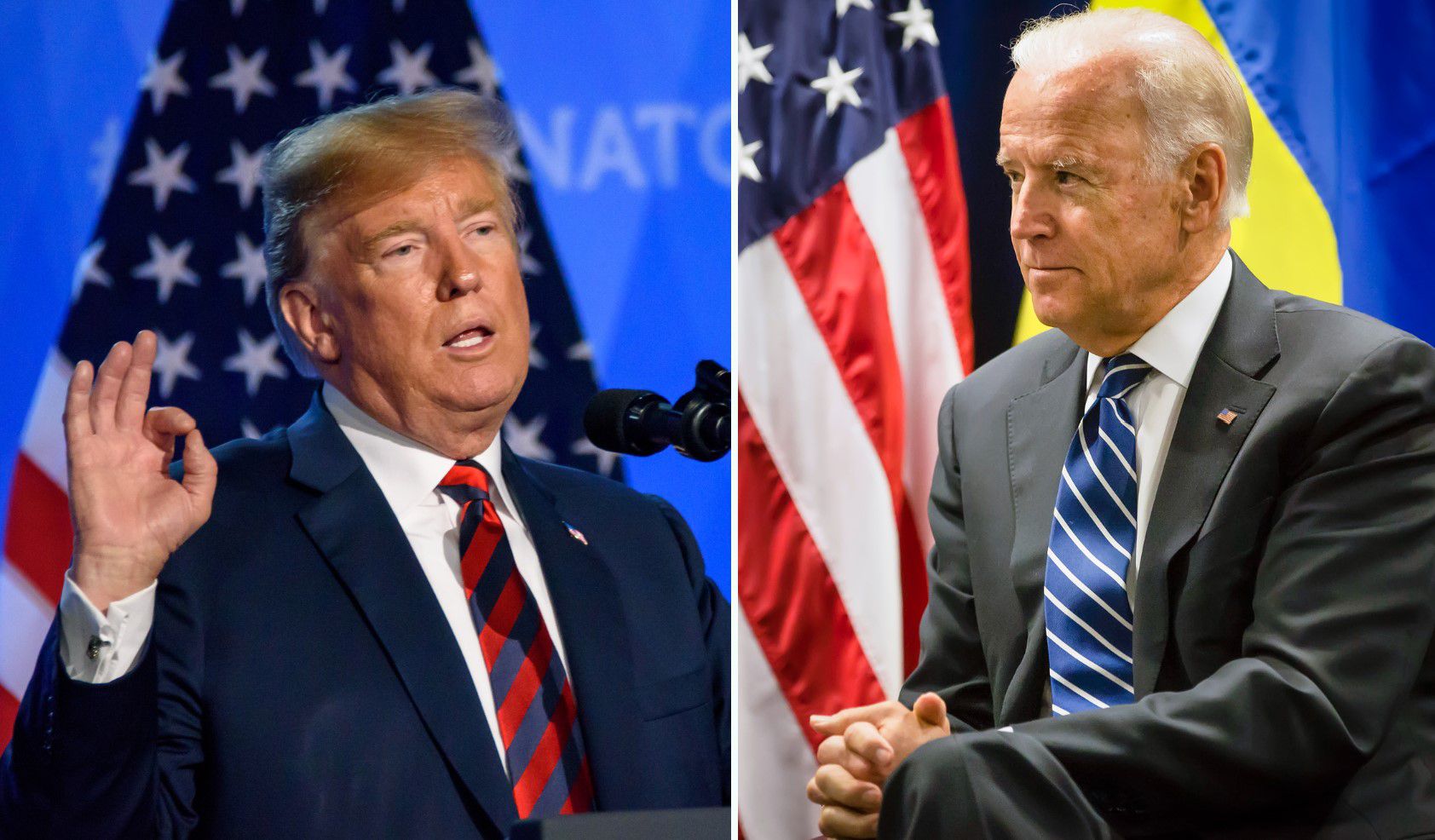
Step into the ring of political banter, where every word counts and sometimes lands a punchline. Here, we have Joe Biden and Donald Trump, two leaders whose words have echoed, entertained, and raised a few eyebrows.
Get ready for a quiz that’s all about deciphering who said what in the world of politics! We’re putting you in the hot seat to figure out whether it’s Joe Biden or Donald Trump behind some of the most memorable quotes of recent years.
Deposit Photos
MediaFeed/iStock/Maha1450
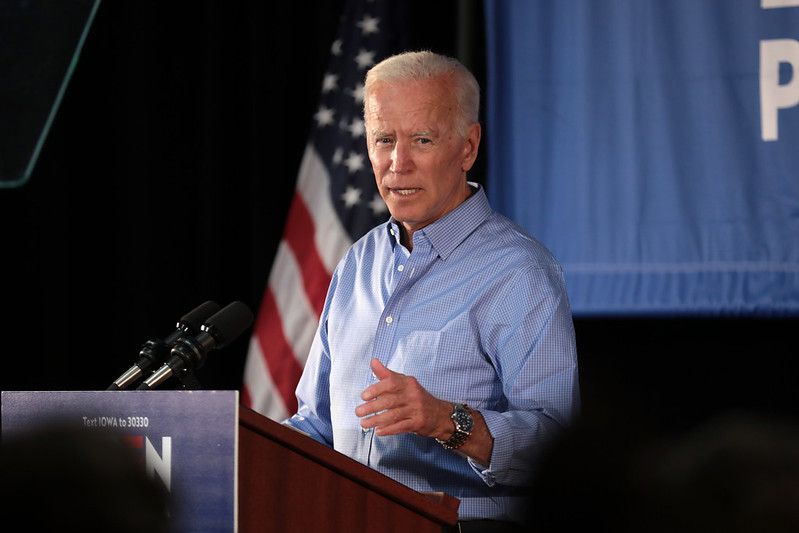
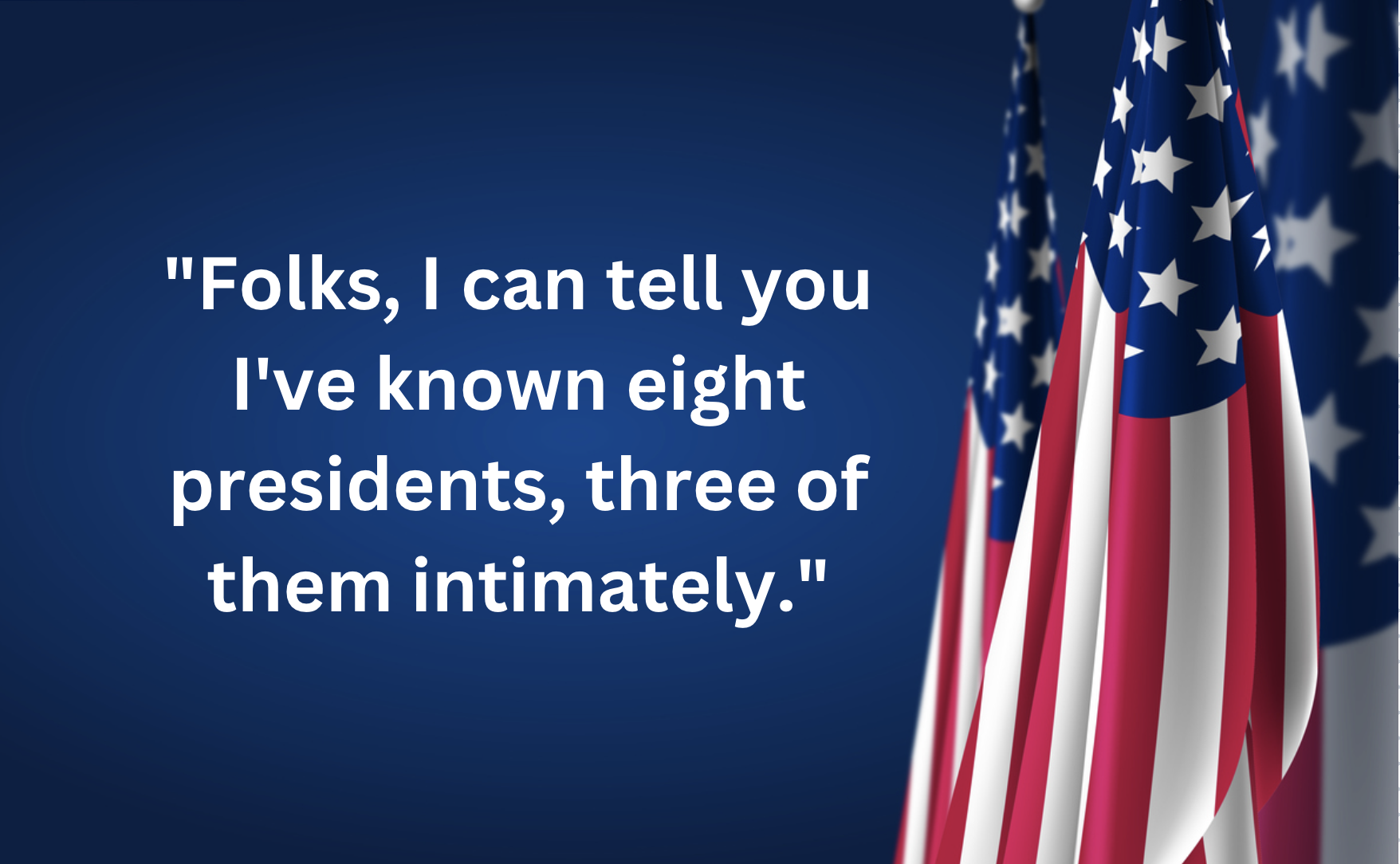
Ah, Joe Biden and his way with words. In a 2012 campaign speech, then-Vice President Biden dropped this gem: “Folks, I can tell you I’ve known eight presidents, three of them intimately.” Cue the eyebrow raises and the media frenzy. It was classic Biden, serving up a sentence that was probably meant to highlight his extensive political experience but instead came out sounding like a script from a political comedy show.
This little slip-up became fodder for his critics, who jumped at the chance to paint him as a bit of a loose cannon, prone to gaffes and slightly out of sync with the presidential script. Biden, in his usual fashion, shrugged it off with an apology, acknowledging that his attempt at underscoring his governmental tenure might have come off a tad… unconventional.
Gage Skidmore
MediaFeed/ iStock/Maha1450
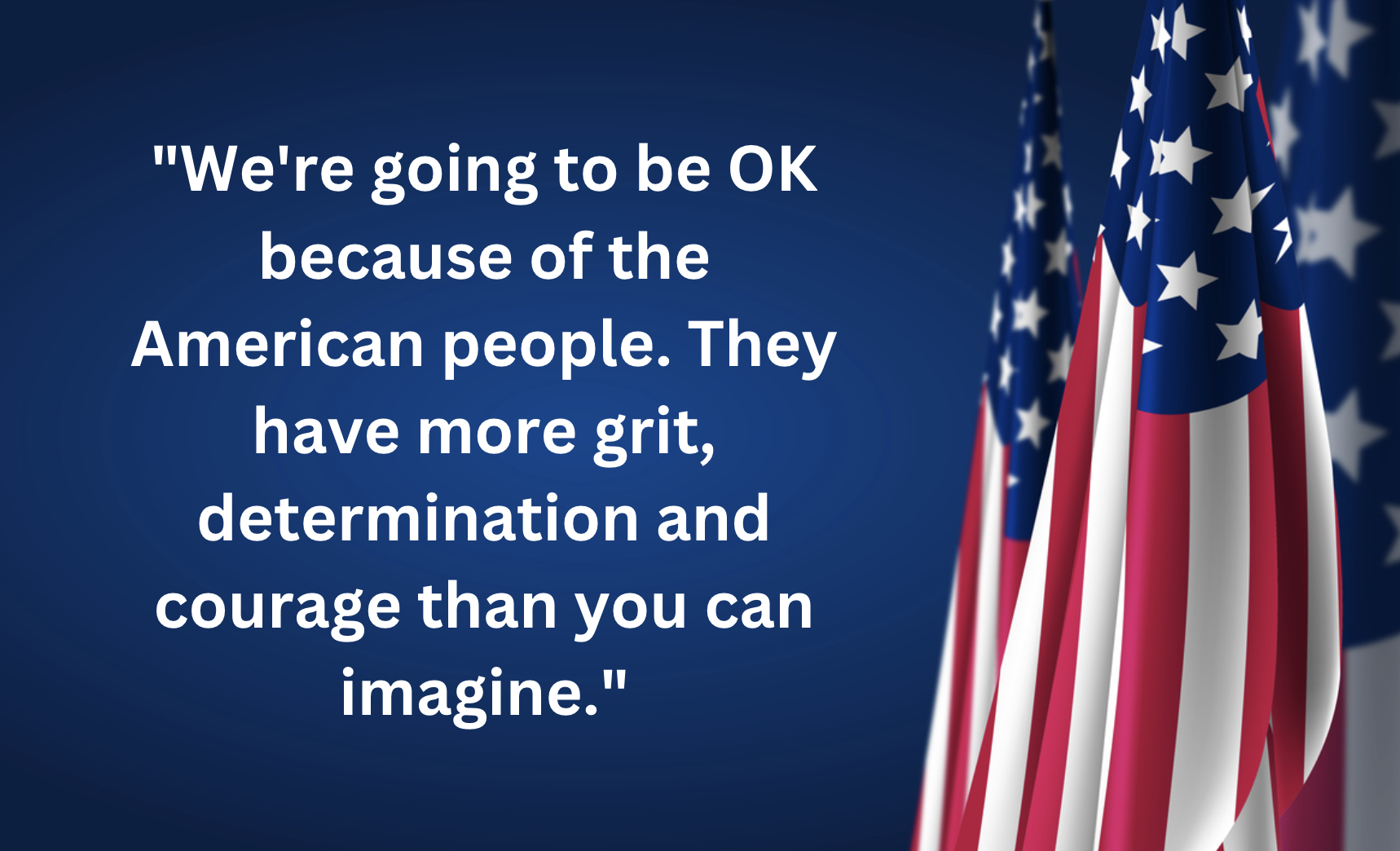
If you guessed Joe Biden for this quote, you hit the nail on the head. Spoken during a campaign speech in Grand Rapids, Michigan, on November 4, 2020, in the thick of tackling issues like the COVID-19 pandemic and economic challenges, Biden’s words were like a beacon of optimism. He wasn’t just playing the role of a politician; he was being a cheerleader for the American spirit. It’s a classic Biden move – focusing on the resilience and strength of everyday people.
Deposit Photos

MediaFeed/iStock/Maha1450

This quote was indeed said by Donald Trump in 2018 during the Singapore Summit with North Korean leader Kim Jong Un. In the context of the summit, the quote was seen as a message of hope and optimism about the possibility of peace and stability on the Korean Peninsula. Trump was emphasizing the importance of moving forward from the past and focusing on the future.
DepositPhotos.com

MediaFeed/iStock/Maha1450
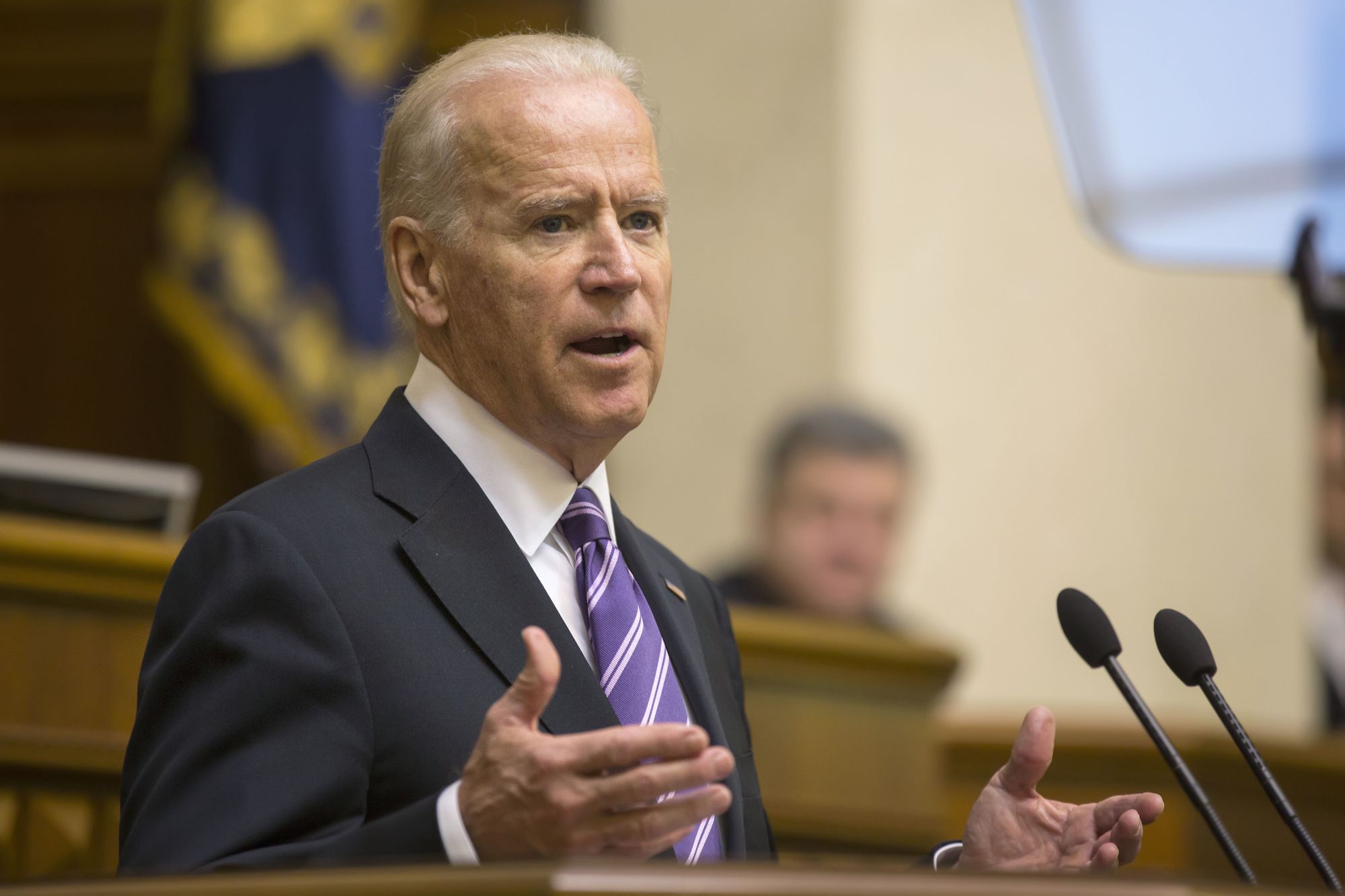
Joe Biden, never one to miss a chance to sprinkle a bit of folksy wisdom into his politics, has a go-to line that’s as practical as it is pointed. This little nugget of Biden-esque insight made its way into the limelight yet again during the announcement of theFiscal Year 2023 Budget. True to form, Biden has been wheeling out this line for years, using it as a sort of financial truth serum to cut through the political fluff.
Deposit Photos

MediaFeed/iStock/Maha1450

This unapologetically blunt statement comes from Donald Trumpfrom one of his tweets back in 2012. It’s a tweet that captures the essence of Trump’s philosophy on success and personal branding in less than 140 characters. In typical Trump fashion, the quote doesn’t beat around the bush. It’s a direct, in-your-face assertion that ego, confidence, and a strong sense of self are essential ingredients in the recipe for success.
Michael Vadon
MediaFeed/iStock/Maha1450

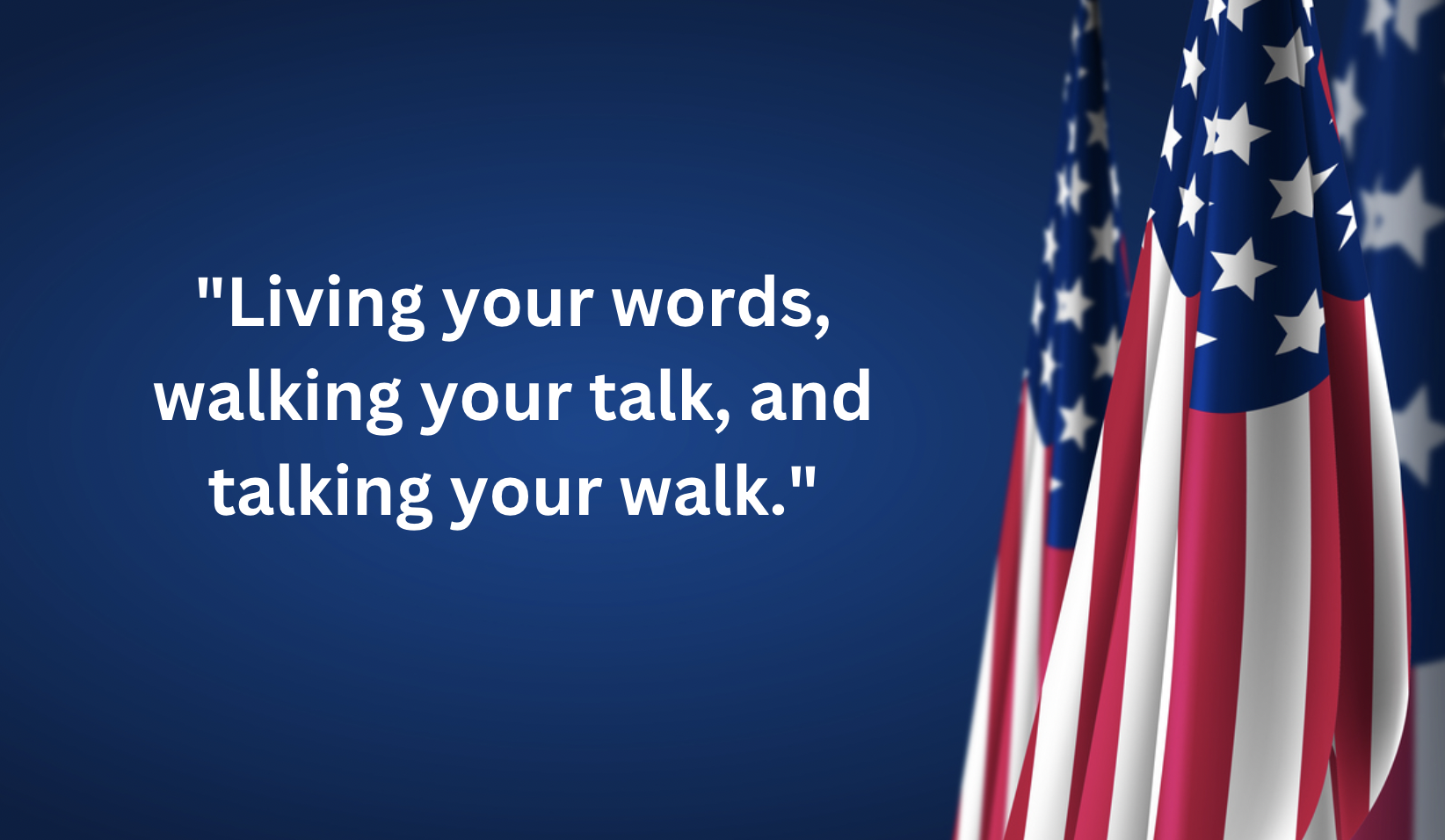
Sounds like something out of a motivational speaker’s handbook, right? But no, this little gem comes from Donald Trump. Trump, with his flair for the dramatic and the unpredictable, dishing out advice on consistency is like a fish giving swimming lessons. It’s a quirky twist of phrase from someone who’s not exactly known for walking a straight line, either in his talk or his walk.
DepositPhotos.com

MediaFeed/iStock/Maha1450
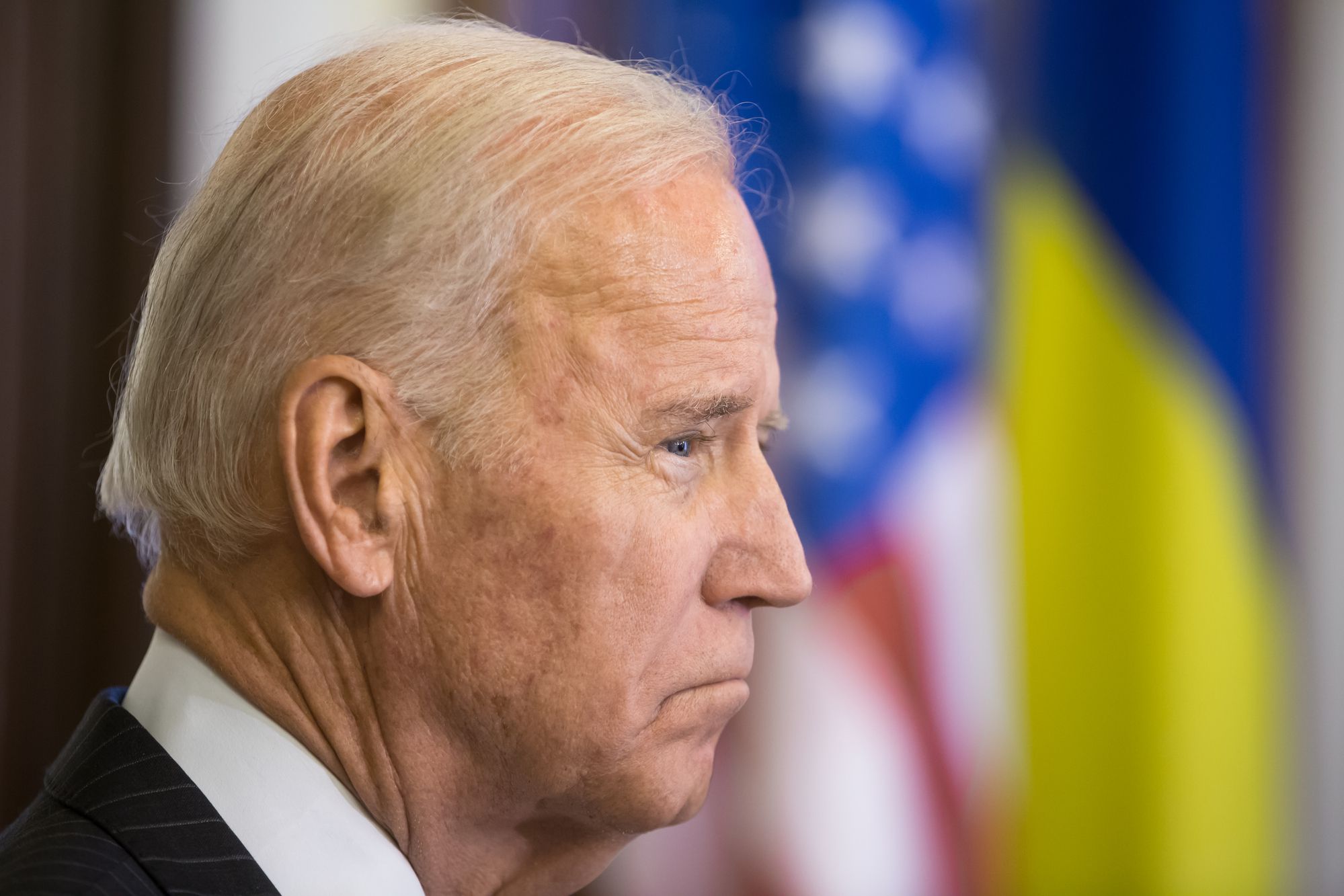
In a candid admission back in September 1987, Joe Biden told The New York Times,“I exaggerate when I’m angry,” a statement that came amidst a swirl of controversy. This was around the same time Mr. Biden faced backlash for plagiarizing parts of a speech from Neil Kinnock, the then-leader of the Labour Party in Britain.
Deposit Photos
MediaFeed/iStock/Maha1450

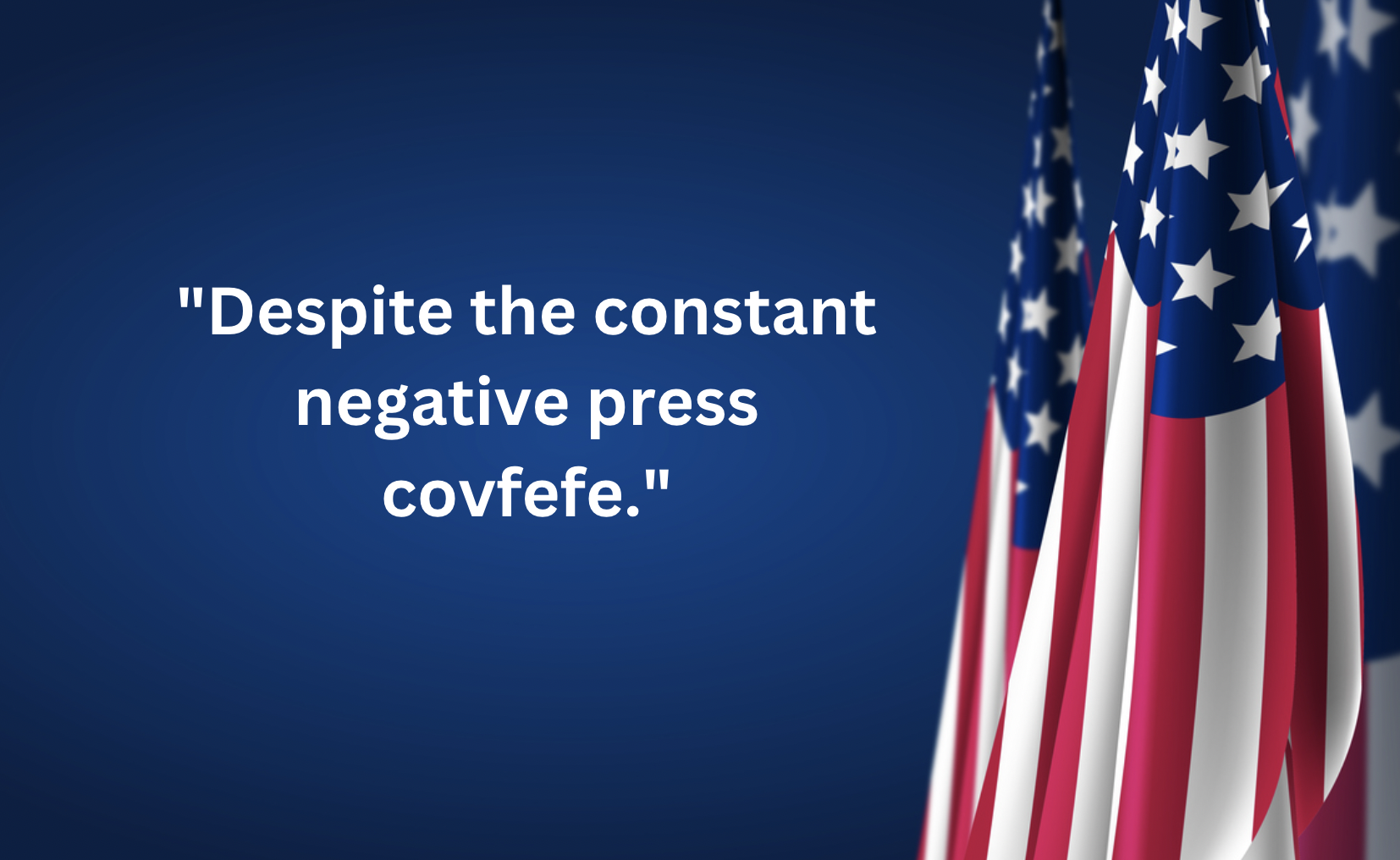
This infamous gem from Donald Trump back in 2017 left everyone scratching their heads and asking, “What on earth is ‘covfefe’?” It’s like he was typing a tweet, fell asleep mid-sentence, and his forehead just slammed into the keyboard. Maybe ‘covfefe’ was a top-secret code, or perhaps it was the moment Trump discovered a new language. We may never know. The now deleted tweet became an instant internet sensation, sparking a flood of memes, jokes, and bewildered Google searches. People across the globe united in their confusion and amusement. “Covfefe” was probably the most famous typo of the digital age, a linguistic mystery wrapped in a Twitter enigma.
Depositphotos.com

MediaFeed/iStock/Maha1450

In February 2021, President Joe Biden made a statement that resonated like a subtle yet unmistakable diss at the Trump administration. During his first address to a global audience at the Munich Security Conference, he proclaimed, “America is back, the transatlantic alliance is back.” This declaration was a clear pivot from the previous four years of Donald Trump’s “America First” foreign policy, which often eschewed traditional alliances and multilateral cooperation.
Depositphotos.com

MediaFeed/iStock/Maha1450
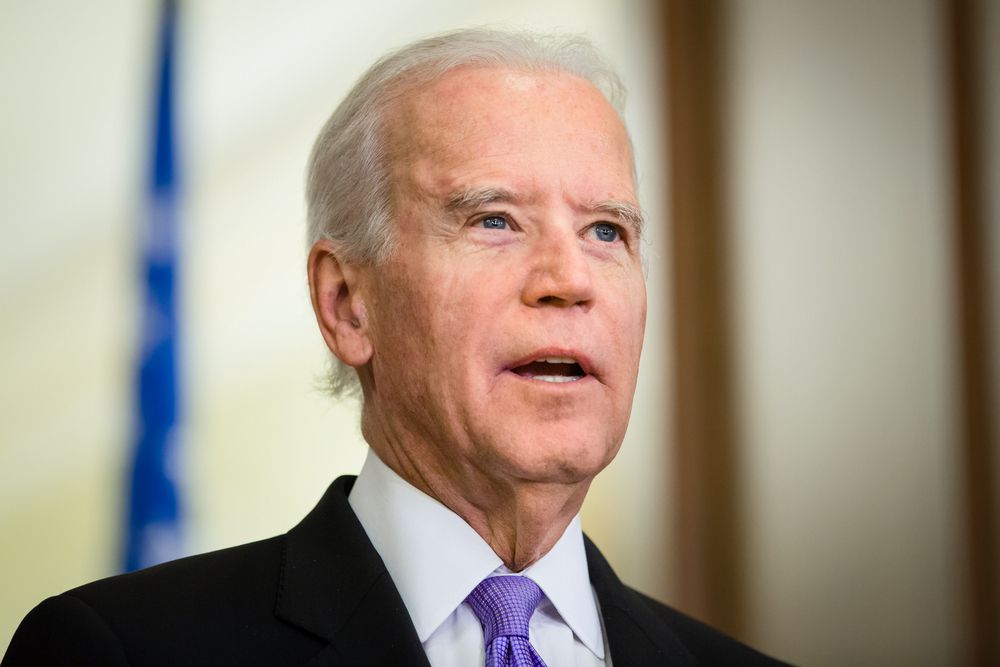
This quote from Joe Biden points to a facet of his public image that he himself acknowledges: a perceived emphasis on empathy in his political and personal interactions. Biden, through his career, has often been noted for his personal approach to politics, particularly his inclination to engage directly with individuals and their experiences.
DepositPhotos.com

MediaFeed/iStock/Maha1450

This astute observation, often attributed to Donald Trump, encapsulates a key principle in both business and life: the art of knowing when to hold back. It’s a nod to the wisdom of restraint and the importance of discernment in decision-making.
DepositPhotos.com
MediaFeed/iStock/Maha1450

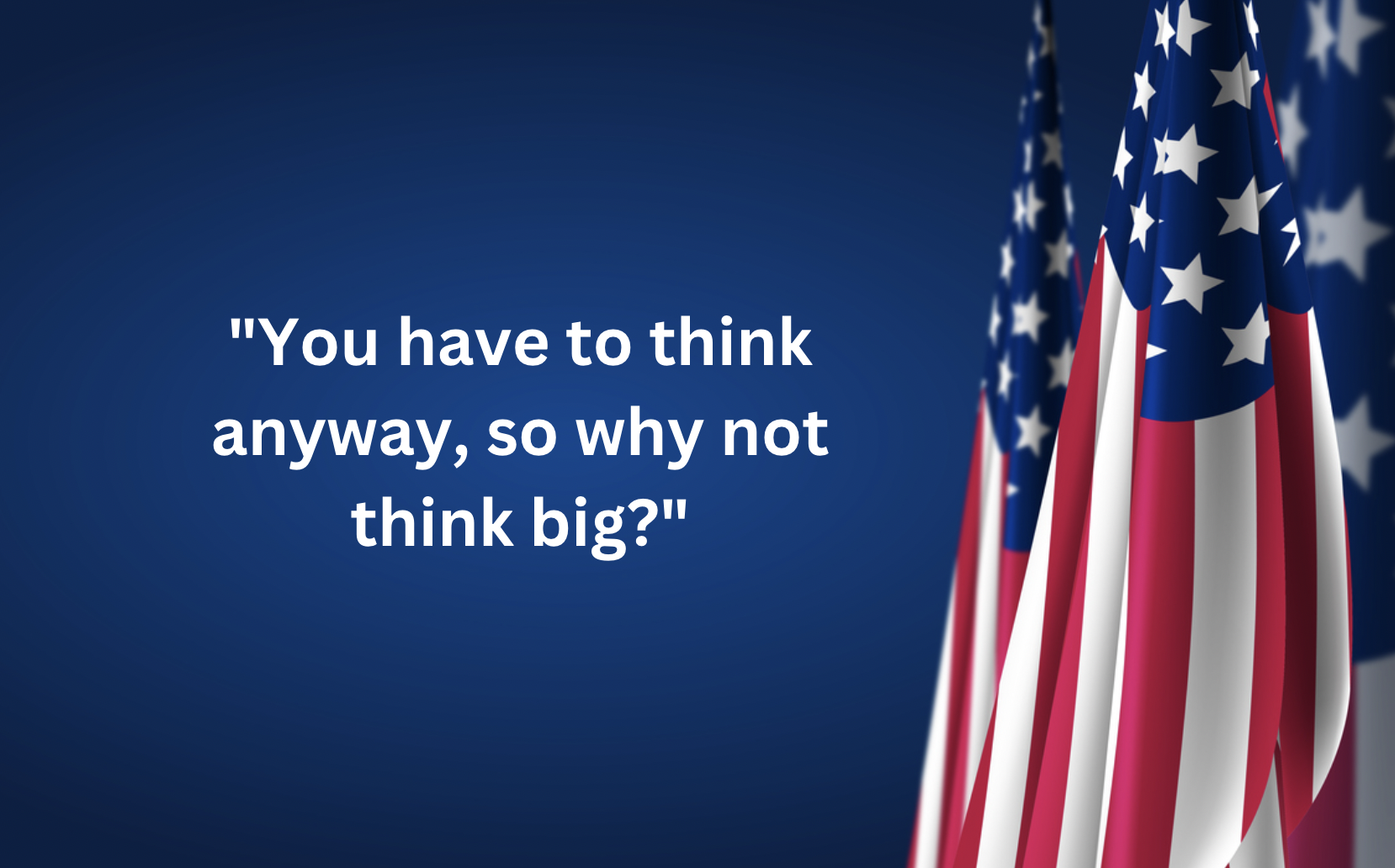
This quote, attributed to Donald Trump, encapsulates his philosophy of aiming high and thinking grandly. It’s a reflection of his larger-than-life persona and his approach to both business and life. Trump’s perspective, as highlighted in this quote, is about not limiting oneself to small ideas or conventional paths. It suggests that since we all have the capacity to think and plan, why not do so on a grand scale? This mindset resonates with his approach to real estate development, politics, and public life, where he’s known for his ambitious projects and bold aspirations.
This article was produced and syndicated by MediaFeed.
DepositPhotos.com

Quote quiz: Who said it? Jesus? Sponge Bob? Donald Trump?
- Science says this ‘70s rock hit is the catchiest song of our time
- 20 incredible movies so disturbing we never want to see them again
Like MediaFeed’s content? Be sure to follow us.
Depositphotos.com
Featured Image Credit: asiandelight / istockphoto.