
Everyday household sounds that drive your cat secretly wild
20,000 hertz is roughly where human hearing stops. A cat’s goes past 85,000. Everything below covers a sound sitting somewhere in that gap, audible to a cat and functionally invisible to the person standing right next to it.
Here is the list of sounds that may drive your cat’s wild behavior.

Crinkling aluminum foil and plastic bags
The sound of torn foil sits close enough to a threatened animal’s hiss that a cat’s brain doesn’t bother sorting out the difference. It reads as danger, full stop, no context required, no exceptions for cats who’ve heard the exact same sound a thousand times before.

Blenders, hairdryers, and coffee grinders
It isn’t really the volume. Cats live with plenty of loud things just fine. What sends one sprinting out of the kitchen is not knowing when the noise stops, the sheer unpredictability of it, which a cat’s nervous system treats the same way it treats an actual threat.

The vacuum cleaner
“The vacuum machine monster.” A veterinary behaviorist coined that nickname, and it’s not really a stretch. Something loud that also moves toward you is functionally a predator as far as a cat’s instincts are concerned, regardless of what it’s actually there to do.

Squeaky toys and high-pitched electronic tones
A sharp enough squeak can trigger an actual gag reflex in some cats, not just a flinch. And some of what’s setting them off isn’t audible to a person standing three feet away. Certain electronics emit tones pitched well above human hearing but squarely inside a cat’s range.

Other cats hissing or yowling, even on TV
A real cat doesn’t need to be in the room. A television playing two cats fighting produces the same hiss and yowl as a real confrontation, and a cat’s alarm system doesn’t check the source before reacting.
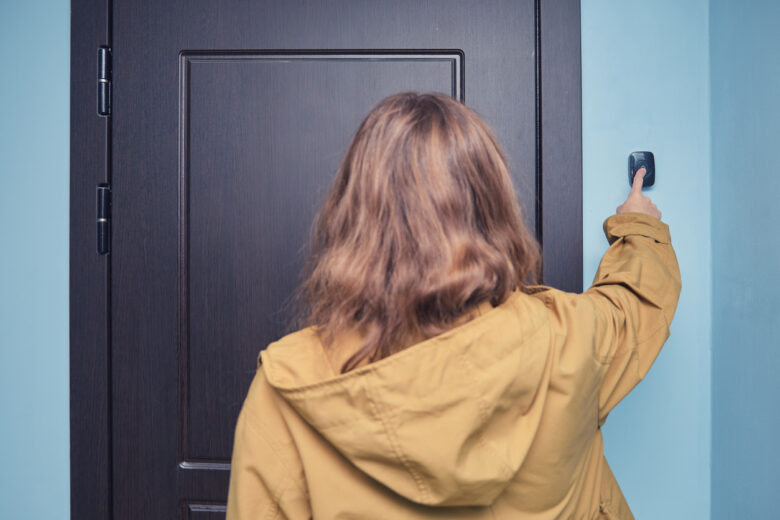
Doorbells and sudden alarms
No ramp-up. No warning. The sound just arrives, and that abruptness alone is often the entire trigger for a full flight response, the four-hundredth time exactly as much as the first.

Sustained noise above 85 decibels
This one isn’t about a jump scare. Cats living somewhere consistently louder than 85 decibels, a blender’s worth of noise or a busy street outside, show measurably elevated stress markers over time compared to cats in quieter homes, according to a study in Veterinary Sciences. Slow wear does the damage here, not a single startling moment.
The bottom line
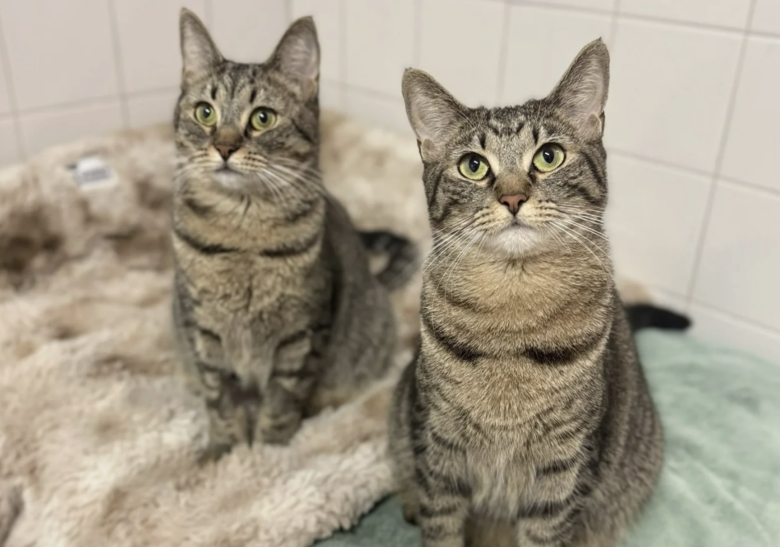
Almost everything on this list is silence, as far as the average person in the room is concerned. A cat hearing that range four times doesn’t get that luxury.
Ask us! What questions do you have about content, strategy, pop culture, lifestyle, wellness, history or more? We may use your question in an upcoming article!
Related:
Like MediaFeed’s content? Be sure to follow us.
This article was syndicated by MediaFeed.co.