Elizabethan parenting practices: Raising heirs, servants & workers
Children in Elizabethan England faced vastly different childhoods depending on birth. The rigid class system dictated everything from education to life expectancy. Parents raised children for economic survival and social advancement, not emotional fulfillment. Your parents’ class absolutely determined whether you would become a lord, a tradesman, or a laborer.

Noble children trained for power
Noble families sent children to other noble households for training rather than raising them at home. This practice resembled a boarding school. Children learned courtly manners and political maneuvering as they formed useful alliances with other powerful families. Parents viewed children as property of their fathers, with beatings as normal discipline. Sons studied Latin and classical texts with private tutors. Many attended Oxford or Cambridge by age 14. Daughters learned music, dancing, and needlework for strategic marriages.
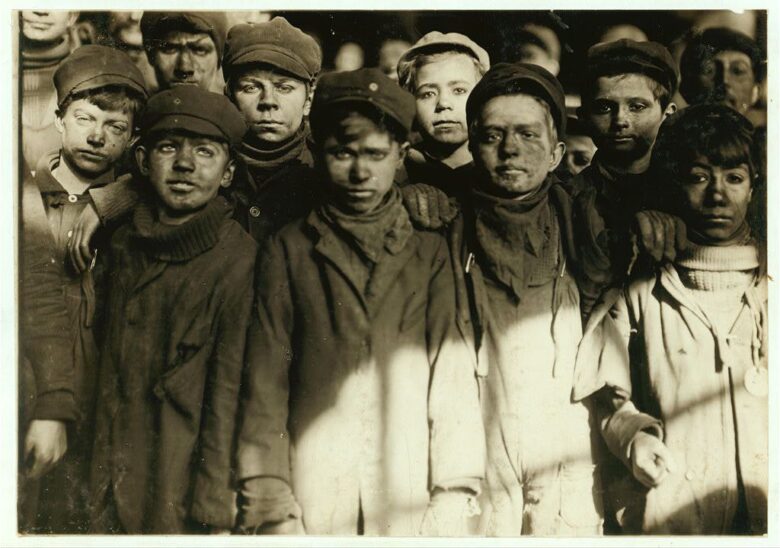
Apprentices: Child labor by law
The Statute of Apprentices of 1563 made apprenticeship compulsory for anyone entering a trade. Boys started around age seven and served until age 21 or 24. Children became extra workers in the master’s household, subject to absolute authority. Apprentices could not gamble, attend the theater, or marry during their terms. In Coventry, children as young as four were bound for 14 years as chimney sweeps. Masters provided food, lodging, and training in reading, writing, and arithmetic. Only 50 percent completed their terms.
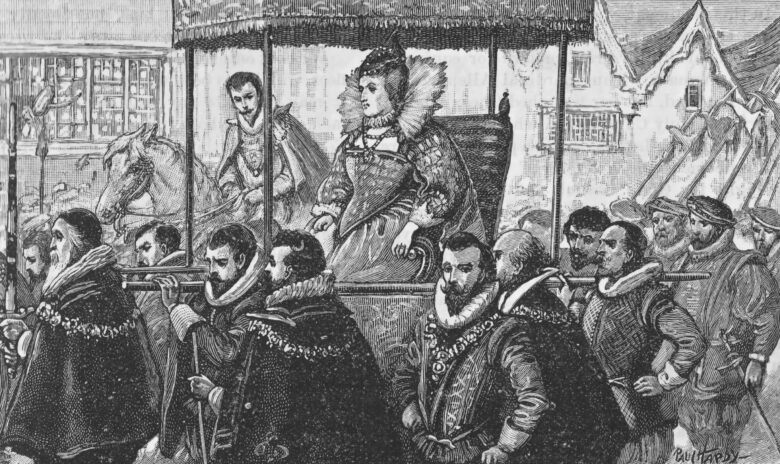
Gentry: The middle path
The gentry represented England’s most important social class. Their children attended grammar schools focusing on Latin and religious instruction. Boys learned trades, managed estates, or entered professions like law and medicine. Girls stayed home learning to cook and sew, preparing for marriage and household management. Merchant families sent sons into apprenticeships or universities. Success meant potential social mobility through wealth.
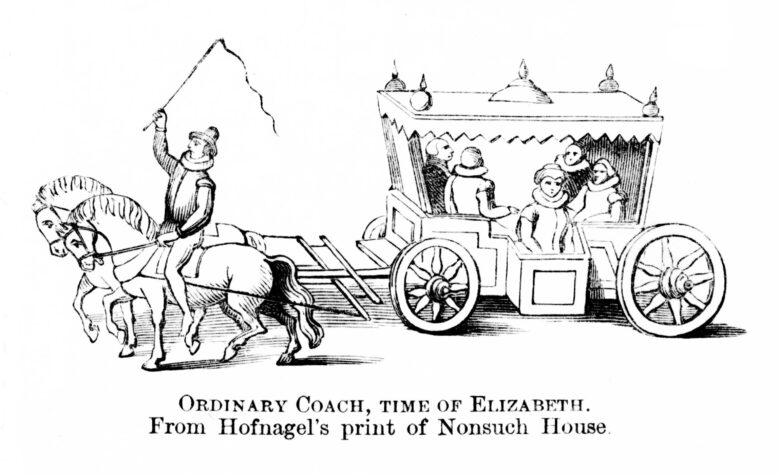
Laborers: Working from toddlerhood
Agricultural children received jobs around age two or three. They worked fields, tended animals, and performed essential household chores. Parents had many children, knowing some would not survive the high mortality rates. Infant mortality reached 30-40 percent before age one. Only 60 percent survived past age 10. Poor families received assistance through the Poor Laws. Children of paupers were bound out as apprentices.
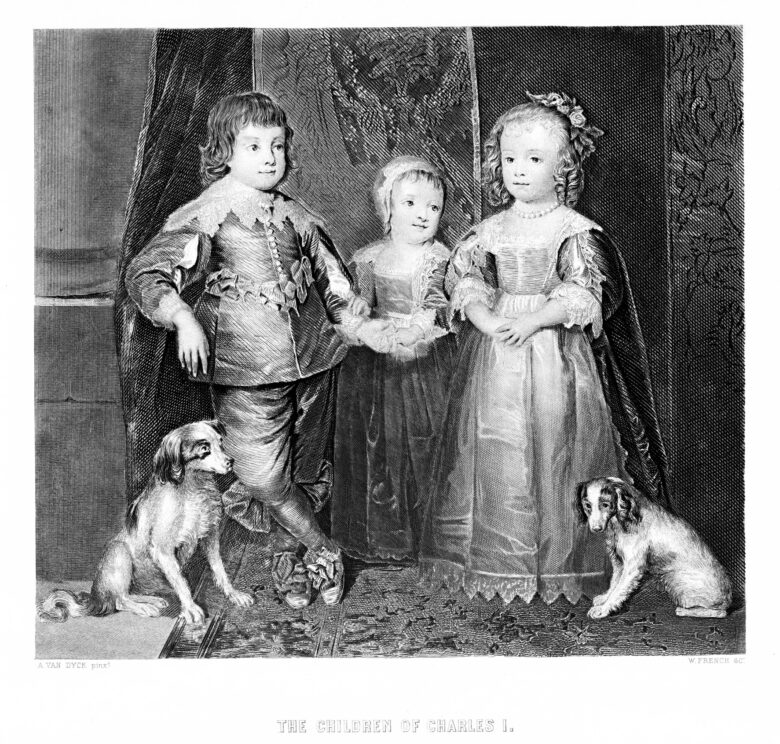
No concept of childhood
Children were treated as miniature adults. Boys wore skirts until age three to seven, when breeching parties celebrated their first pants. Children addressed parents as “sir” or “madam” instead of affectionate terms. Parents remained emotionally guarded because high mortality made attachment painful. Between 14 and 24, many worked as domestic servants before establishing independent lives. The concept of adolescence simply did not exist.
Wrapping up
Elizabethan parenting prioritized economic utility over emotional bonds. Noble children became political assets. Apprentices became skilled workers. Laborers became field hands. The concept of nurturing childhood innocence did not exist. Parents prepared children for harsh realities rather than protecting them from them. Survival depended on accepting your predetermined role. Each generation replicated the previous one, maintaining a rigid social order through childhood training that began in infancy and culminated in economic productivity.
Ask us! What questions do you have about content, strategy, pop culture, lifestyle, wellness, history or more? We may use your question in an upcoming article!
Related:
- Questionable parenting trends from the past
- The ’60s parenting practices we now know were terrible for kids’ brains
Like MediaFeed’s content? Be sure to follow us.
This article was syndicated by MediaFeed.org.