7 Best Things to Do in Dublin, Ireland
Planning a trip to Ireland? You’ll definitely want to experience Dublin, the capital city where Irish history, culture, and hospitality come alive. As the perfect starting point for your Irish adventure, Dublin offers a blend of historic landmarks, vibrant streets, and welcoming pubs that will immediately immerse you in the authentic Irish experience.
With limited time in this dynamic city, you’ll want to make every moment count. I’ve narrowed down Dublin’s countless attractions to the absolute must-sees for first-time visitors!

Best things to do in Dublin
Ready to explore? Here are the top attractions in Dublin for people who want to experience the city’s unique charm and character.
1. See the Book of Kells at Trinity College
The magnificent Book of Kells draws visitors from around the world to Trinity College’s historic campus. This remarkable 9th-century manuscript features intricate hand-drawn illustrations of the four Gospels, created by Celtic monks around 800 AD with astonishing artistic detail that remains breathtaking to this day.
Your visit also includes access to the Old Library, built in 1732, as well as the stunning Long Library, one of the most famous and most beautiful libraries in the world.
The Long Library is an architectural masterpiece, stretching 65 meters with soaring wooden arches and shelves filled with ancient texts. The atmosphere alone is worth the visit—many visitors describe it as stepping into a scene from Harry Potter!
Visitor Information:
- Tickets to the Book of Kells: €18 for adults (self-guided)
- Time needed: 40-60 minutes (plus extra time to explore Trinity’s beautiful campus)
- Book online to avoid lengthy queues, especially during summer months
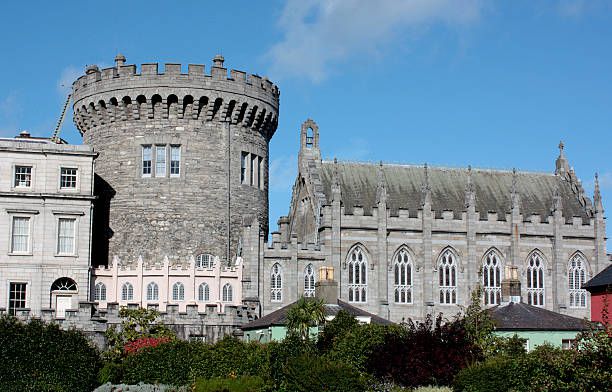
2. Tour Dublin Castle
Standing since the early 13th century, Dublin Castle served as headquarters for English rule in Ireland until the country gained independence in 1922. While not the fairy-tale castle some expect, its historical significance makes it a fascinating window into Ireland’s complex political past.
The castle grounds feature elegant State Apartments with Georgian architecture, medieval towers, and peaceful gardens. Don’t miss the castle’s rotating exhibitions that provide more profound insights into Dublin’s rich and sometimes turbulent history.
Visitor Information:
- Tickets to Dublin Castle: €8 for adults (self-guided), €12 for guided tours
- Time needed: 30 minutes for self-guided tour, 1 hour for guided tour
- Tip: The guided tour provides access to areas not available to self-guided visitors
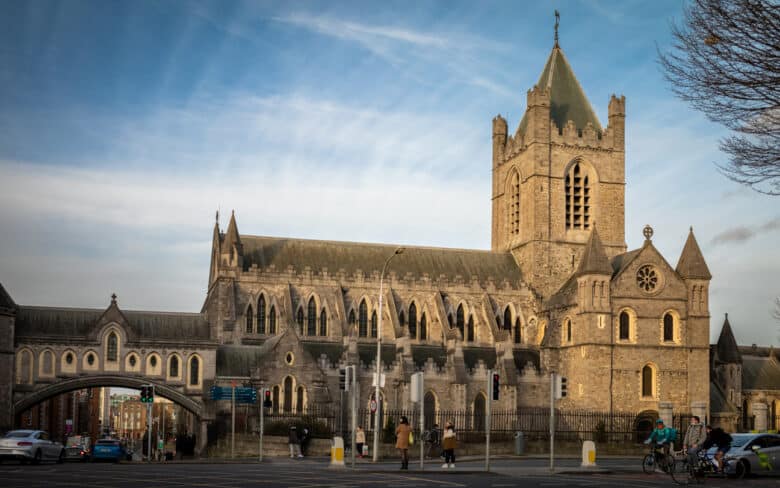
3. Visit Christ Church Cathedral
Of Dublin’s two cathedrals (St. Patrick’s and Christ Church), Christ Church offers the more intimate and atmospheric experience. Founded around 1028, the impressive Gothic architecture in this iconic medieval cathedral has witnessed a millennium of Irish history!
The cathedral’s most fascinating feature is its extensive underground crypt—the largest in Ireland or Britain. Here you’ll find historical treasures, including ancient religious artifacts, elaborate tombs, and even the peculiar mummified “cat and rat” discovered trapped inside an organ pipe centuries ago!
Outside, take a few peaceful moments to walk the Christ Church labyrinth, designed for prayer and quiet reflection amid the busy city.
Visitor Information:
- Tickets to Christ Church Cathedral: €10 for adults (includes audio guide)
- Time needed: 40-60 minutes
- Tip: Check the cathedral schedule for evensong services—a beautiful way to experience the space with choir music
FUN FACT: Despite Ireland being a Catholic country, there is actually no Catholic cathedral in Dublin. Both of Dublin’s two cathedrals have been Protestant since the days of King Henry VIII.
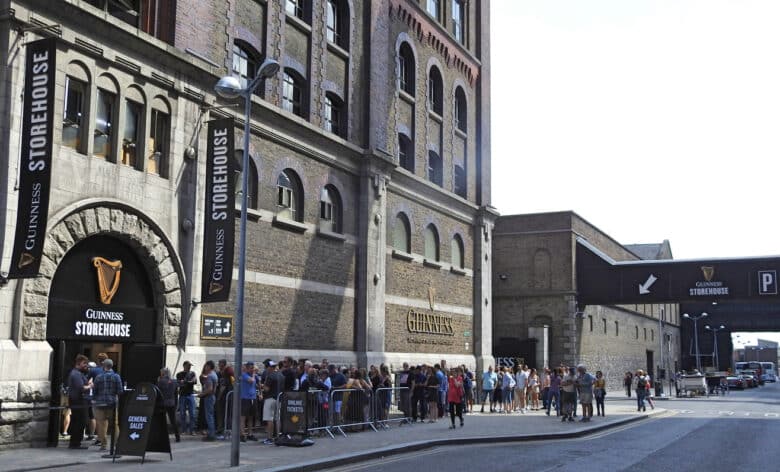
4. Tour the Guinness Storehouse
No Dublin visit is complete without experiencing Ireland’s most famous export! The Guinness Storehouse, housed in a converted 1904 fermentation building, takes you through the fascinating history and brewing process of Ireland’s iconic stout.
The seven-floor Guinness Experience is designed in the shape of a giant pint glass and covers everything from Guinness ingredients and brewing techniques to the brand’s iconic advertising campaigns. Your tour culminates at the Gravity Bar on the top floor, where floor-to-ceiling windows offer spectacular 360° views across Dublin while you enjoy your perfectly poured, complimentary pint.
Visitor Information:
- Guinness Storehouse Tickets: €22 (with optional add-ons available)
- Time needed: 90+ minutes
- Tip: Visit early in the day to avoid crowds and secure window spots at the Gravity Bar
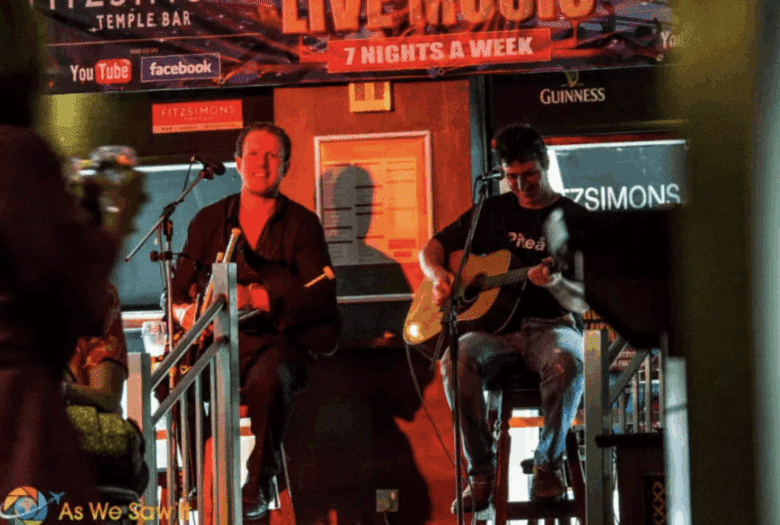
5. Enjoy Dublin’s Pub Culture
Dublin’s best attractions are great for the weekend, but what should you do at night?
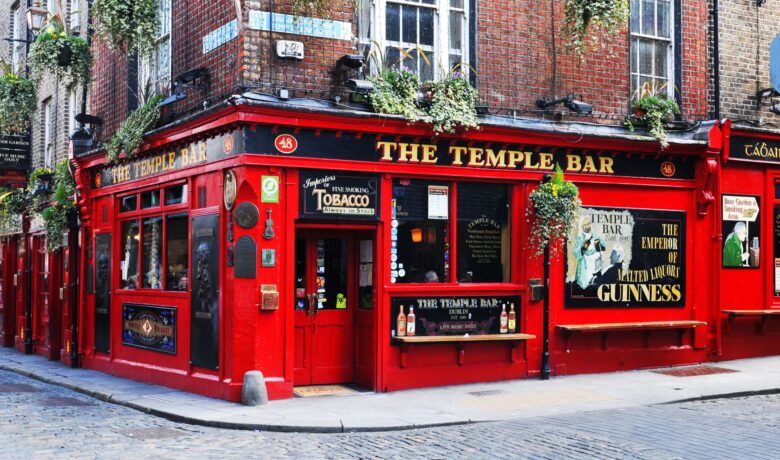
With over 700 pubs across the city, Dublin’s pub scene is the heartbeat of its social life. These establishments are far more than just drinking venues—they’re community gathering spaces where you’ll experience live music, storytelling, and the famous Irish craic (fun/entertainment).
Temple Bar is Dublin’s most famous pub district, located in the city center with its cobblestone streets and lively atmosphere. While popular with tourists, it’s worth experiencing, especially for the traditional Irish music sessions that take place nightly.
For a more authentic local experience, venture to these neighborhood favorites:
- Cassidy’s Pub—a casual spot with board games and a relaxed vibe
- Brazen Head— Dating to 1198, it claims to be Ireland’s oldest pub
- O’Donoghues—Known for the most authentic traditional Irish music sessions
Visitor Information:
- Most pubs open until midnight on weekdays and 2am on weekends
- No entrance fees (except for special music events)
- Tip: Visit O’Donoghues after 9pm for the best traditional music

6. Shop on Grafton Street
Known as Ireland’s premier shopping district, Grafton Street combines retail therapy with street performance art. This bustling pedestrianized thoroughfare features everything from high-end boutiques to familiar brands, all housed in beautiful historic buildings.
Even if shopping isn’t your priority, Grafton Street delivers exceptional people-watching and street performances. On any given day, you’ll encounter talented musicians, magicians, and artists performing for the passing crowds—many renowned Irish musicians, including U2’s Bono, once performed here as street buskers!
Visitor Information:
- Most shops are open 9am-6pm (with late shopping until 8pm on Thursdays)
- Free to visit and enjoy the performances (buskers appreciate tips, though!)
- Tip: Use Grafton Street as your central landmark—it connects many major Dublin attractions
Even if you are on a budget, it’s a fun place to window shop and watch the live musicians and street performers.
7. Stroll Along the River Liffey
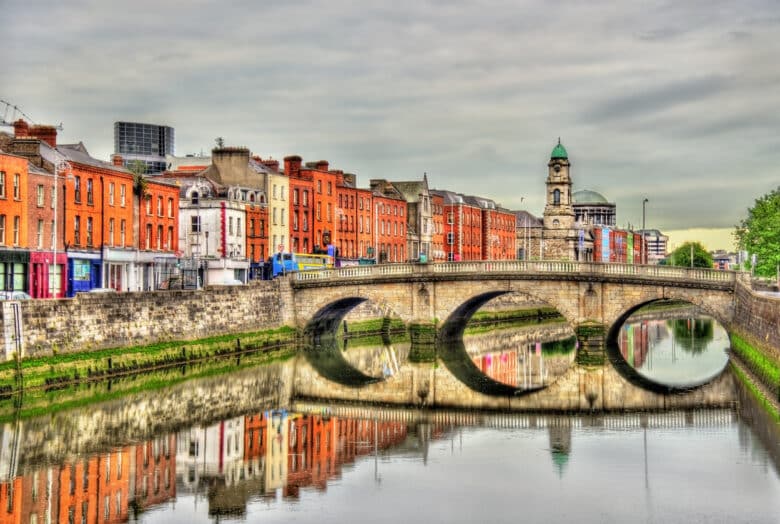
The River Liffey divides Dublin into northside and southside, with each bank offering distinct character and attractions. A riverside walk provides a perfect orientation to the city’s layout and architecture, particularly beautiful at sunset when building lights reflect on the water.
Start your walk at the modern Docklands area with its striking contemporary architecture, then head west past iconic bridges, including the picturesque Ha’penny Bridge—named for the historical toll once charged to cross it.
Continue toward Phoenix Park, Dublin’s massive urban green space that’s twice the size of New York’s Central Park.
Visitor Information:
- Completely free activity
- Walkable in sections or as a longer 2-3 hour journey
- Tip: The riverside walk is particularly magical at dusk when city lights come on
Where to eat in Dublin
Dublin’s food scene has evolved dramatically recently, offering everything from traditional Irish cuisine to international flavors. Here are standout options for your visit:
- Traditional Irish Food
The Winding Stair offers elevated Irish cuisine in a charming setting overlooking the River Liffey and Ha’penny Bridge. Housed above an independent bookshop, this restaurant serves locally sourced dishes that honor traditional recipes while adding contemporary sophistication. Particular praise is given to the venison dishes, and their Irish breakfast surpasses the offerings of hotels. - Casual Traditional Fare
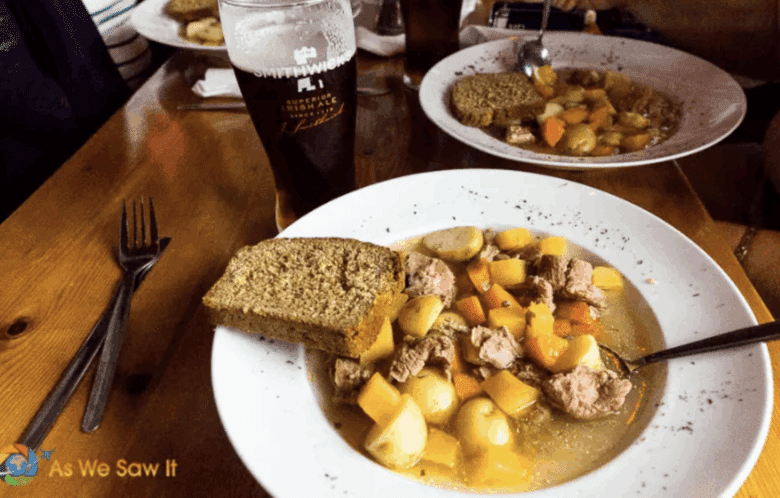
Almost any Dublin pub serves reliable Irish classics like beef stew, shepherd’s pie, and colcannon (mashed potatoes with cabbage). Try these with a perfectly poured Guinness for the quintessential Dublin dining experience. - Fine Dining
Chapter One represents the pinnacle of Dublin’s fine dining scene. This Michelin-starred restaurant beneath the Dublin Writers Museum offers exceptional tasting menus that pair premium Irish ingredients with French-inspired techniques. The intimate basement setting creates a special atmosphere that’s perfect for celebrating special occasions. - Quick bites
Pi Pizzas serves what readers of local food blogs consistently vote as Dublin’s best pizza. Located near Trinity College, this busy spot features wood-fired Neapolitan-style pizzas with perfectly charred crusts and high-quality toppings. This place is perfect for a quick and satisfying lunch in between sightseeing stops. - Vegetarian Option
Sova Vegan Butcher offers Dublin’s most creative plant-based cuisine. Their innovative menu transforms traditional meat dishes into sophisticated vegan versions, with standouts including plant-based “seafood” platters and hearty vegetable-based kebabs that satisfy even dedicated carnivores.

Getting Around Dublin
Dublin’s compact center makes it highly walkable for tourists. Most major attractions lie within a 20- to 30-minute walk of each other, making foot travel often the most pleasant option.
For longer journeys or rainy days, Dublin offers several public transportation options:
- Dublin Bus—extensive network covering the entire city
- LUAS—Two tram lines connecting suburbs to the center
- DART—Coastal train perfect for day trips to nearby towns
PRO TIP: If you plan to use public transportation frequently, consider purchasing a Leap Visitor Card. For €16, you’ll get 72 hours of unlimited travel on all Dublin public transit, including service to and from the airport.
Taxis are readily available throughout the city center, and while Uber does exist in Dublin, it connects to licensed taxis rather than private vehicles.
Airport Transfer: The Dublin Express provides reliable service between Dublin Airport and the city center for less than €10 each way. Private shuttles are also available for door-to-door service.
You do NOT need to rent a car if you plan to stay in Dublin. However, if you plan to explore Ireland’s countryside and nature attractions, or if you want to easily travel between the cities, you may want to consider renting a car.
Where to stay in Dublin for a weekend
If you’re only spending a few days in Dublin, stay in or near City Centre to maximize your sightseeing time. While you can find cheaper places to stay further out, it’s not worth it when you factor in the added transportation time and cost.
Dublin offers accommodation options across all budget levels:
Luxury:
- The Merrion—Georgian elegance with 5-star service
- The College Green Hotel—Historic building with perfect central location
Mid-range:
- Brooks Hotel—Boutique property near Grafton Street
- Maldron Hotel Parnell Square—Modern comfort near O’Connell Street
Budget:
- Easy Hotel—Central location with affordable dormitory options
- Generator Hostel—Stylish hostel with private rooms available

Final thoughts about visiting Dublin
Even a short weekend in Dublin provides enough time to experience the city’s unique character and warm hospitality. From ancient manuscripts to perfectly poured pints, Dublin offers the perfect introduction to Ireland’s rich culture and history.
While you could spend weeks exploring the capital’s hidden corners, even a brief visit will leave you understanding why so many travelers fall in love with this welcoming city and find themselves planning return trips before they’ve even left!
Related:
Like MediaFeed’s content? Be sure to follow us.
This article originally appeared on Aswesawit.com and was syndicated by MediaFeed.org