There’s always a cost to doing business. And that includes mining cryptocurrencies like Bitcoin — a cost that is often expressed as a trading fee, a transaction fee or a “mining fee.”
As many Bitcoin enthusiasts know, one way to add to your holdings is to mine. Bitcoin mining is a validation process that takes place on a blockchain and rewards the miner with additional tokens or coins. There are often fees associated with mining. What is a mining fee and who pays it? We’ll get into it all below.
Related: What is a blockchain explorer?
Bitcoin Mining Basics
Since Bitcoin is decentralized — meaning it’s not regulated or issued by a central authority like a bank or government — Bitcoin miners are the ones who make sure everything is above board.
Bitcoin mining is the process that validates and secures Bitcoin transactions and also creates new Bitcoin tokens (out of a total 21 billion Bitcoins in existence). It’s an intricate, resource-intensive process that utilizes high-powered computers to solve complex math problems.
Once Bitcoin transactions are executed, they need to be verified. That means that they’ve been added to the public record and stored on the blockchain, and verified to be accurate (not a duplicate transaction, for instance).
Miners solve math problems (this is called proof of work) using Bitcoin mining software. The miner who does so unearths the next block on the blockchain, which will store the transaction data and information. As a reward for doing so, miners receive Bitcoin or fees as a reward.
Bitcoin mining can also be done through cloud mining, using cloud-based software to mine. Bitcoin mining pools exist, too, in which miners “pool” their resources to mine.
What Are Mining Fees?
When miners are rewarded for participating in the validation and expansion of the blockchain network, they’re rewarded — either with Bitcoin or with a portion of the harvested fees. Mining fees are like transaction fees you might get charged by merchants or banks. Resources are required to run a credit card and handle the back-end of a transaction, and it isn’t free. Often, merchants assume the costs.
For instance, if you swipe your credit card at a big chain store, you’re not likely to be charged a credit card transaction fee by the store — the company eats the cost. But, if you go to a small, mom-and-pop restaurant, they may add a credit card processing fee to your transaction (around 2%, usually). Another similar type of fee would be a foreign transaction fee, a fee that’s incurred for transacting between two different currencies.
Miners fees are similar to those processing fees. In short: Miner fees are an incentive to miners to process transactions on the blockchain and to verify and secure the network.
Who Pays Bitcoin Mining Fees?
The answer to who pays mining fees depends, based on certain factors. Remember the earlier example about credit card transaction fees at big-box stores vs. small mom-and-pop restaurants? The same dynamic is at play when it comes to mining fees. Depending on the exchange you’re using to transact your cryptocurrencies, you may or may not be responsible for paying them.
Coinbase, for example, “incurs and pays these fees directly,” according to company documents. But Coinbase also charges a fee to end-users for conducting the transaction — it’s similar to paying a commission to a stockbroker for executing a trade. In effect, a transaction fee like this is more or less the same as paying a Coinbase mining fee, albeit in a slightly different form.
Kraken, another popular crypto-trading platform, likewise charges small “trade fees” to execute transactions. Binance, another popular platform, also charges trading fees but offers discounts to certain users, and those that use its in-house token, BNB.
What Determines Mining Fees?
The specific amount of a Bitcoin miner fee depends on the specific blockchain network in question. Different blockchain networks will have different calculation methods. But in general, a mining fee will depend on the state of the network at any given time, and also the size of the transaction. It’s a lot like a ridesharing app calculating prices on the go: the state of the market (i.e., supply and demand) ultimately determines the end price.
When it comes to the Bitcoin blockchain network, mining fees depend on the available supply and the corresponding demand for space on the blockchain. When there are a lot of transactions to process, the network becomes congested as there’s a lot of competition for space. As a result, fees increase. And vice versa.
For example, during spring 2021, the crypto market was soaring, and trades were happening left and right. As a result, fees spiked — at one point, transaction fees averaged more than $62. But as things settled down during the following months, prices decreased. Throughout the late summer and early fall months of 2021, fees averaged between $3 and $4. If you find yourself asking why are mining fees so high, the answer is likely because many other traders are trying to execute transactions at the same time you are.
Bitcoin Mining Fee Example
Here’s how a crypto investor might run into a transaction, trading or mining fee:
Let’s say you’re using an exchange and want to send a friend, F, one Bitcoin. Technically speaking, you’re transferring X amount of Bitcoin from your address, or crypto wallet, to F’s. Using your keys, you sign off on the transaction by specifying your Bitcoin’s address, F’s address (or public key) and how much you want to send.
A message is then sent to the network containing that information, and it reaches a mining node, where miners get to work validating and verifying it and “mining” a new block on the blockchain. Before that change to the network takes place, you will be notified of the applicable mining fee for executing the transaction (which will depend in part on how busy the network is and the size of the transaction). That fee is attached to your transaction order, in most cases, and is paid in Bitcoin. The fee is paid to the miners doing the “mining” on the blockchain.
In effect, you’ll have sent F one Bitcoin, plus X% of a Bitcoin (whatever the fee amounts to at the given time) as a mining, trade or transaction fee.
The Takeaway
Crypto may be a decentralized asset, but that doesn’t mean it’s a free-for-all. And that’s particularly true when it comes to paying fees necessarily to facilitate transactions, like mining fees. Miners get paid to validate transactions, and their fee comes from somewhere — often from the person initiating the transaction.
Learn more:
This article originally appeared on SoFi.com and was syndicated by MediaFeed.org.
SoFi Invest
The information provided is not meant to provide investment or financial advice. Investment decisions should be based on an individual’s specific financial needs, goals and risk profile. SoFi can’t guarantee future financial performance. Advisory services offered through SoFi Wealth, LLC. SoFi Securities, LLC, member FINRA / SIPC. SoFi Invest refers to the three investment and trading platforms operated by Social Finance, Inc. and its affiliates (described below). Individual customer accounts may be subject to the terms applicable to one or more of the platforms below.
1) Automated Investing—The Automated Investing platform is owned by SoFi Wealth LLC, an SEC Registered Investment Advisor (“Sofi Wealth“). Brokerage services are provided to SoFi Wealth LLC by SoFi Securities LLC, an affiliated SEC registered broker dealer and member FINRA/SIPC, (“Sofi Securities).
2) Active Investing—The Active Investing platform is owned by SoFi Securities LLC. Clearing and custody of all securities are provided by APEX Clearing Corporation.
3) Cryptocurrency is offered by SoFi Digital Assets, LLC, a FinCEN registered Money Service Business.
For additional disclosures related to the SoFi Invest platforms described above, including state licensure of Sofi Digital Assets, LLC, please visit www.sofi.com/legal. Neither the Investment Advisor Representatives of SoFi Wealth, nor the Registered Representatives of SoFi Securities are compensated for the sale of any product or service sold through any SoFi Invest platform. Information related to lending products contained herein should not be construed as an offer or pre-qualification for any loan product offered by SoFi Lending Corp and/or its affiliates.
Crypto: Bitcoin and other cryptocurrencies aren’t endorsed or guaranteed by any government, are volatile, and involve a high degree of risk. Consumer protection and securities laws don’t regulate cryptocurrencies to the same degree as traditional brokerage and investment products. Research and knowledge are essential prerequisites before engaging with any cryptocurrency. US regulators, including FINRA, the SEC, and the CFPB, have issued public advisories concerning digital asset risk. Cryptocurrency purchases should not be made with funds drawn from financial products including student loans, personal loans, mortgage refinancing, savings, retirement funds or traditional investments. Limitations apply to trading certain crypto assets and may not be available to residents of all states.
Third Party Brand Mentions: No brands or products mentioned are affiliated with SoFi, nor do they endorse or sponsor this article. Third party trademarks referenced herein are property of their respective owners.
Financial Tips & Strategies: The tips provided on this website are of a general nature and do not take into account your specific objectives, financial situation, and needs. You should always consider their appropriateness given your own circumstances.
External Websites: The information and analysis provided through hyperlinks to third party websites, while believed to be accurate, cannot be guaranteed by SoFi. Links are provided for informational purposes and should not be viewed as an endorsement.
More from MediaFeed:
5 most private cryptocurrencies
Bitcoin is the most secure cryptocurrency, with a hash rate so high that it eclipses that of all other proof-of-work coins combined. But transactions made on the bitcoin blockchain are transparent and can be seen by anyone using widely-available blockchain explorer websites.
While future upgrades to the bitcoin core code could make transactions more anonymous, for now any bitcoin transaction can potentially be traced back to its source. This has led developers on a quest to create the most private cryptocurrency.
Jirapong Manustrong / istockphoto

There are a variety of technological methods that cryptocurrencies use to anonymize transactions. Which method works best to create the most private cryptocurrency is a subject of heated debate within the community.
For investment purposes, it should be noted that all of these coins are highly speculative, risky, and can require opening a digital currency exchange account to trade them. As a general rule, the smaller the market capitalization and daily trading volume, the higher the risk.
Here are some of the top privacy coins available on the market today.
Cemile Bingol/istockphoto
Bytecoin, which is based on the CryptoNote technology, claims to be the “first private untraceable currency.” CryptoNote was created with the goal of making transactions both a) untraceable and b) un-linkable.
Untraceable means observers cannot tell who sent a transaction to a specific recipient, while un-linkable means that observers cannot tell whether or not any two transactions were sent to the same source. The untraceable aspect is accomplished through ring signatures.
These ring signatures make its transactions opaque, meaning observers can’t see who sent the transaction, how much it was for, or who received it. Ring signatures basically string transactions together in a way that makes it difficult (but not entirely impossible) to tell them apart from each other.
To achieve un-linkable transactions, CryptoNote uses one-time keys. With ring signatures, it’s still possible to see incoming transactions to a single public key (wallet address). To fix this, CryptoNote automatically generates one-time keys whenever someone receives coins. It’s based on an encryption method known as the Diffie-Hellman Key Exchange, which allows for the sharing of secret data between two parties.
When someone sends Bytecoin to another Bytecoin address, the sender creates a unique code that gets used in the transaction. This unique code makes it look like the coins were sent to a different wallet each and every time.
At the time of writing, BCN had a market cap of only $25.2 million and daily trading volume of about $20,000.
Bytecoin
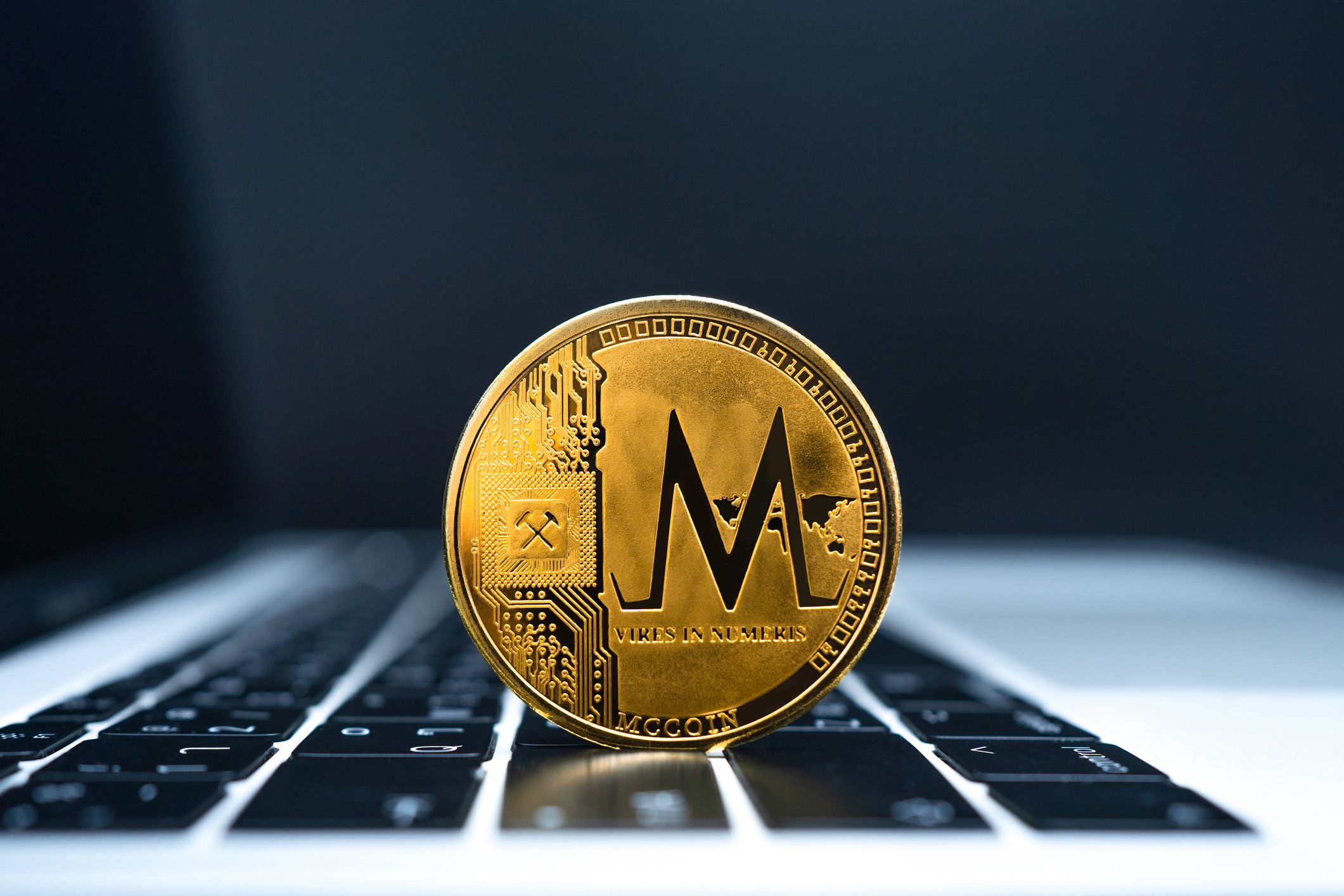
Like Bytecoin, Monero is a private cryptocurrency that has privacy features built into all its transactions. XMR is actually a hard fork of BCN. That means Monero uses the same privacy tech as Bytecoin and shares most of the underlying characteristics.
When Bytecoin was created in 2012, 80% of the total supply was already in existence, as opposed to most mineable cryptocurrencies that begin with very little supply in existence.
This led seven of the developers working on Bytecoin to create a new coin by hard forking the BCN network. They called this new coin Bitmonero, which was then changed simply to Monero, which means “coin” in Esperanto.
Monero has become one of the most widely-used private cryptocurrencies, as evidenced by the fact that the coin is among the top 20 coins by market cap. Because of this, the IRS once offered a $625,000 contract to anyone who could crack the privacy features of Monero.
XMR is the largest private cryptocurrency by market cap on this list. As of the time of writing, Monero is the 14th largest cryptocurrency by market cap, worth over $2.05 billion with a daily trading volume of about $1.6 billion.
Monero (XMR)
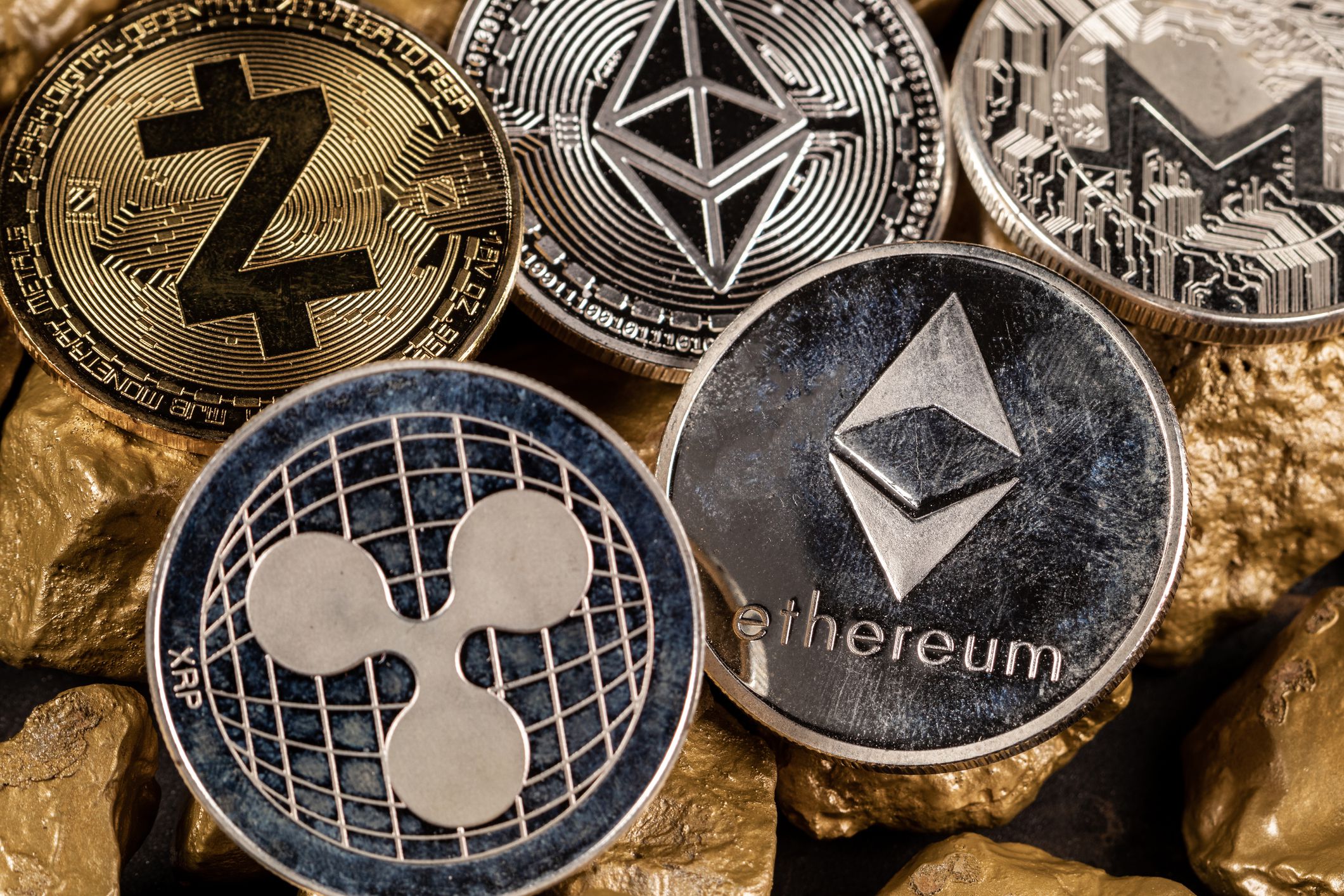
Some people believe that Zcash is the most private cryptocurrency. It even received an informal endorsement from Edward Snowden via Twitter
Zcash uses a technology called “zk-SNARKs,” short for zero-knowledge succinct non-interactive arguments of knowledge.
The exact details are about as complicated as the name makes it sound. What matters is that zk-SNARKs allow one party to prove to another that something is true without revealing anything specific, making this solution ideal for private crypto transactions.
However, privacy is not a default feature of Zcash, meaning that transactions are not automatically made anonymously. Zcash allows for four different types of transactions with varying levels of privacy.
The pros of Zcash is that it has some of the strongest privacy protocols on the market and the second-highest market cap of any coin on this list. The con might be the different types of transactions leading to confusion among users, some of whom might assume all Zcash transactions to be private.
As of the time of writing, Zcash is the 33rd cryptocurrency by market cap, valued at $564 million with a daily trading volume of about $495 million.
24K-Production / iStock
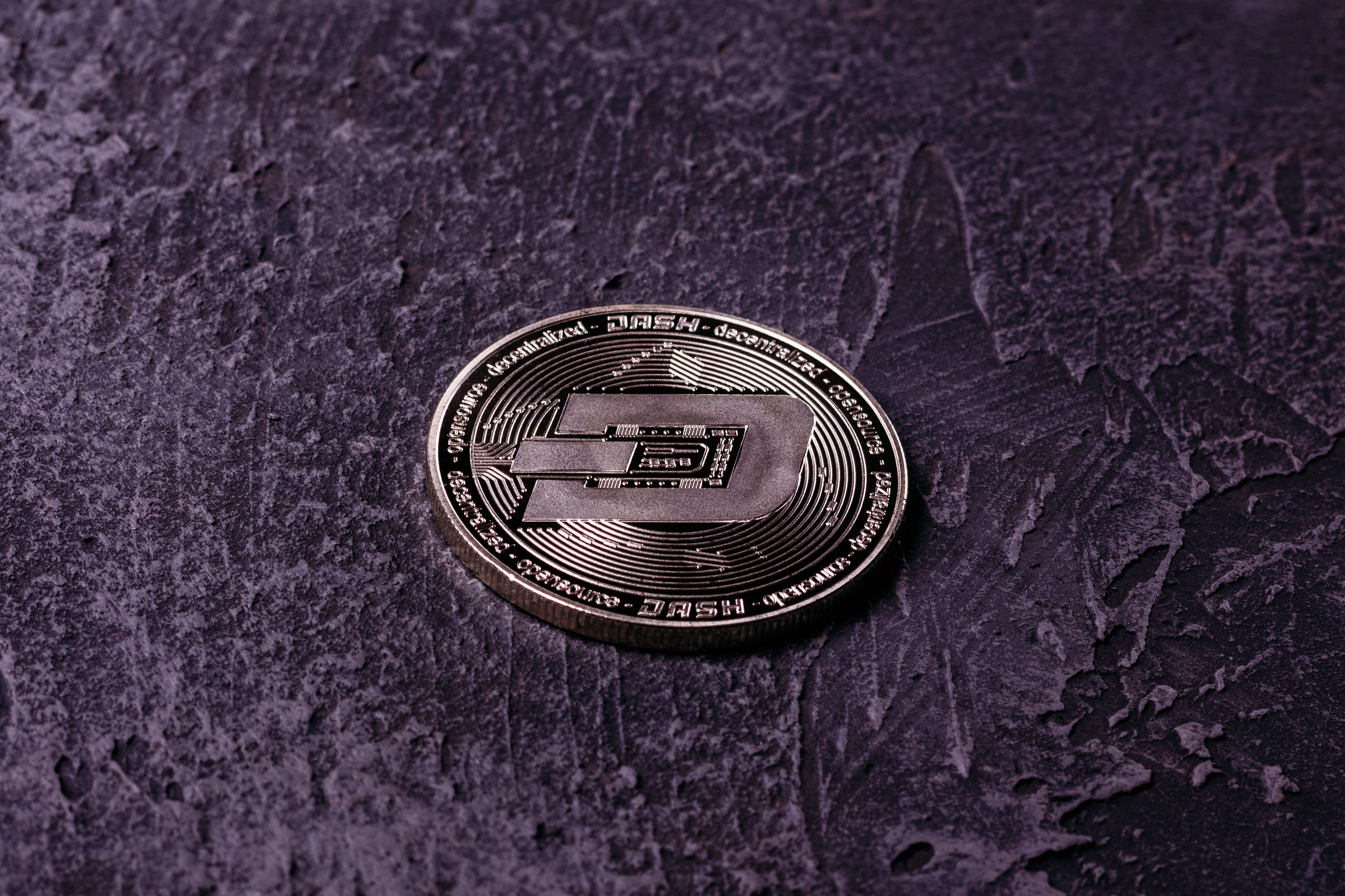
Dash was the first private cryptocurrency created in 2014. Originally called DarkCoin, the coin eventually rebranded itself as DASH, short for “digital cash.”
As the name implies, Dash is meant to be used as a medium of exchange.
Transactions can clear in a second and can cost less than a penny.
In addition to the typical crypto miners, Dash uses something called “masternodes.”
These central masternodes receive 45% of all DASH mining rewards in exchange for performing essential functions on the network, including making transactions private and processing them quickly.
One of the potential cons of DASH is that these masternodes make the network more centralized than some other crypto networks.
As of the time of writing, DASH is the 29th largest cryptocurrency by market cap, valued at $634 million with $521 million in daily trading volume.
Artsiom Malashenko / iStock
Verge describes itself as a “cryptocurrency designed for people and everyday use.” Verge was created in 2014 as DogeCoinDark. Like Dash, DogeCoinDark rebranded itself shortly after its inception, changing its name to Verge.
Verge uses a technology called the Wraith Protocol to make transactions private. Wraith Protocol anonymizes transactions through the Tor Network (short for The Onion Router).
By routing internet connections through multiple anonymous nodes around the world, The Tor Browser works to hide IP addresses. Wraith Protocol uses this tech for the purpose of anonymizing cryptocurrency users. This feature is optional and must be turned on.
Some benefits of Verge include fast transactions, low fees, and the potential to scale and be used by more people. The big drawback is that most of the total supply of XVG is already in circulation, so the coin will likely lose value in the long-term due to inflation, just like Bytecoin.
As of the time of writing, Verge is the 113th largest cryptocurrency by market cap, valued at $63 million with a daily trading volume of around $1.8 million.
Verge
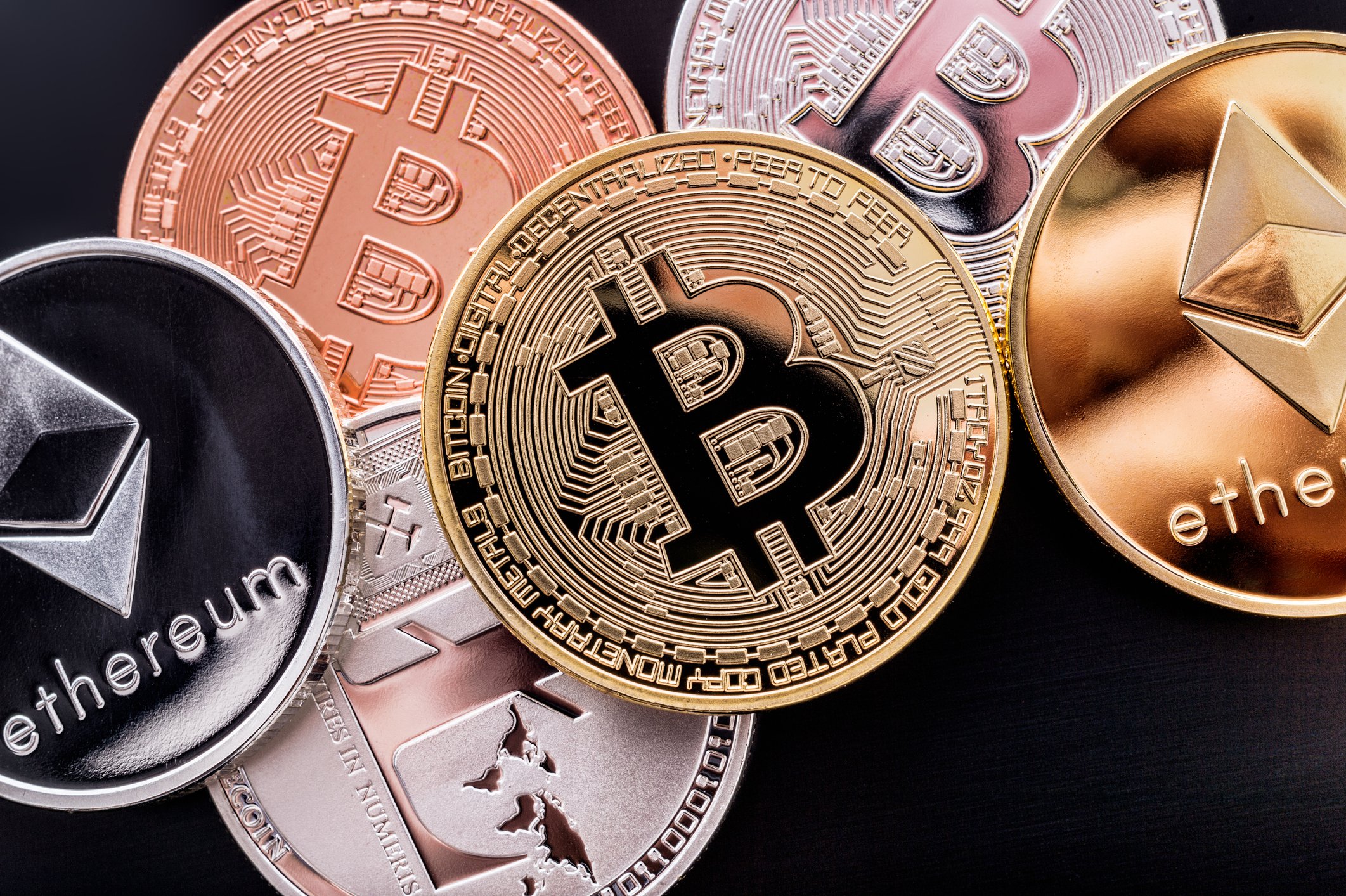
Monero is thought to be one of the most private cryptocurrencies, so much so that it has been the subject of scrutiny by regulatory agencies. But some privacy enthusiasts argue that coins like Zcash have better privacy protocols.
The subject is still up for debate.
Marc Bruxelle / istockphoto

One important note on privacy and cryptocurrency: The majority of dark web transactions are still conducted using bitcoin, despite the fact that bitcoin users are only pseudonymous, meaning the transactions could possibly be traced back to a user’s wallet.
There are likely a multitude of reasons, but for one, Bitcoin is the most secure cryptocurrency and the most widely-used. Niche privacy coins like Zcash, Dash, Monero, etc., on the other hand, have smaller transaction volumes (as does every coin other than bitcoin).
This means that even if a user’s individual transactions are anonymous, it might be easier to single them out as a user of one of the top privacy coins simply because there are so few people using them overall.
Grindi / istockphoto
In addition, most of these coins require the privacy feature to be “turned on,” which may turn off some potential users. Many might not know how to make a transaction private in the first place.
Finally, it should be noted that privacy coins have only existed since 2012, and didn’t really burst onto the scene in a big way until 2014. The tech is even newer than bitcoin, and the landscape is constantly changing.
Learn More:
- How-to: Building a well-balanced crypto portfolio
- Different types of crypto airdrops and how to find them
This article
originally appeared on SoFi.comand was
syndicated by MediaFeed.org.
SoFi Invest
The information provided is not meant to provide investment or financial advice. Investment decisions should be based on an individual’s specific financial needs, goals and risk profile. SoFi can’t guarantee future financial performance. Advisory services offered through SoFi Wealth, LLC. SoFi Securities, LLC, member FINRA / SIPC . The umbrella term “SoFi Invest” refers to the three investment and trading platforms operated by Social Finance, Inc. and its affiliates (described below). Individual customer accounts may be subject to the terms applicable to one or more of the platforms below.
Crypto: Bitcoin and other cryptocurrencies aren’t endorsed or guaranteed by any government, are volatile, and involve a high degree of risk. Consumer protection and securities laws don’t regulate cryptocurrencies to the same degree as traditional brokerage and investment products. Research and knowledge are essential prerequisites before engaging with any cryptocurrency. US regulators, including FINRA , the SEC , and the CFPB . PDF File, have issued public advisories concerning digital asset risk. Cryptocurrency purchases should not be made with funds drawn from financial products including student loans, personal loans, mortgage refinancing, savings, retirement funds or traditional investments.
Third Party Brand Mentions: No brands or products mentioned are affiliated with SoFi, nor do they endorse or sponsor this article. Third party trademarks referenced herein are property of their respective owners.
Neither the Investment Advisor Representatives of SoFi Wealth, nor the Registered Representatives of SoFi Securities are compensated for the sale of any product or service sold through any SoFi Invest platform. Information related to lending products contained herein should not be construed as an offer to sell, solicitation to buy or a pre-qualification of any loan product offered by SoFi Lending Corp and/or its affiliates.
For additional disclosures related to the SoFi Invest platforms described above, please visit www.sofi.com/legal.
Fund Fees
If you invest in Exchange Traded Funds (ETFs) through SoFi Invest (either by buying them yourself or via investing in SoFi Invest’s automated investments, formerly SoFi Wealth), these funds will have their own management fees. These fees are not paid directly by you, but rather by the fund itself. these fees do reduce the fund’s returns. Check out each fund’s prospectus for details. SoFi Invest does not receive sales commissions, 12b-1 fees, or other fees from ETFs for investing such funds on behalf of advisory clients, though if SoFi Invest creates its own funds, it could earn management fees there.
Stock Bits
Stock Bits is a brand name of the fractional trading program offered by SoFi Securities LLC. When making a fractional trade, you are granting SoFi Securities discretion to determine the time and price of the trade. Fractional trades will be executed in our next trading window, which may be several hours or days after placing an order. The execution price may be higher or lower than it was at the time the order was placed.
Financial Tips & Strategies: The tips provided on this website are of a general nature and do not take into account your specific objectives, financial situation, and needs. You should always consider their appropriateness given your own circumstances.
Stanislav Palamar/istockphoto
Featured Image Credit: Adrian Vidal/istock.