Creepy artifacts from real historical witch trials that are still locked away
On January 11, 2023, officials from the Peabody Essex Museum and the Massachusetts Supreme Judicial Court gathered at the State Archives in Boston to hand back 527 original documents from the Salem witch trials.
Dan Lipcan, who runs the museum’s Phillips Library, had looked after them for years. “I feel the heavy weight and the heavy responsibility of history,” he said as he examined some of them.
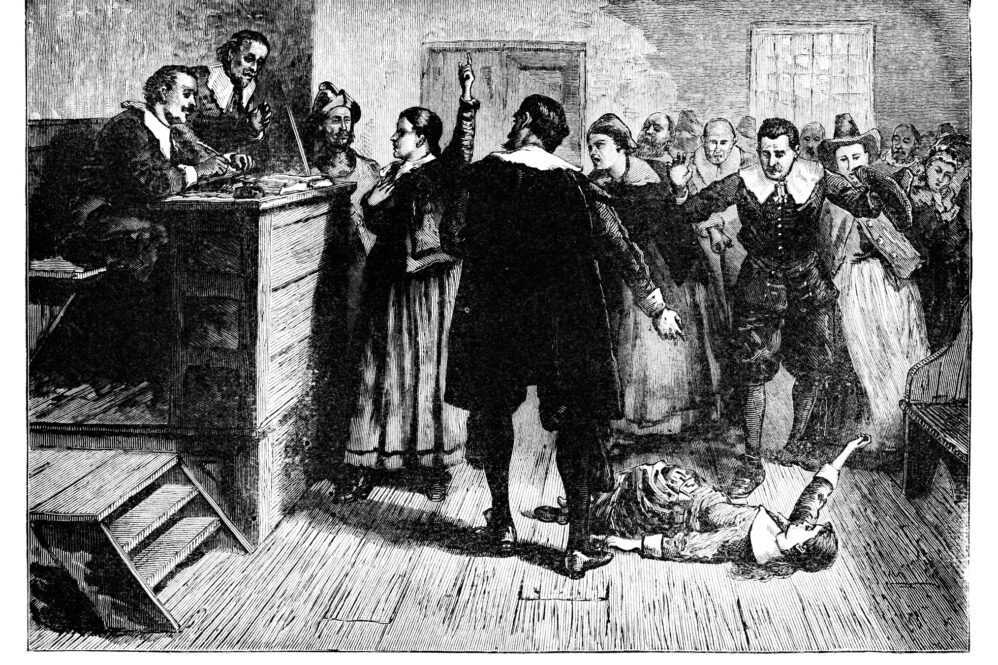
Six artifacts from real witch trials follow, from Salem’s courtroom to a German archive. Some sit in climate-controlled vaults, and others come out only for the occasional exhibition. All of them are real.
70 degrees, 50 percent humidity, low light
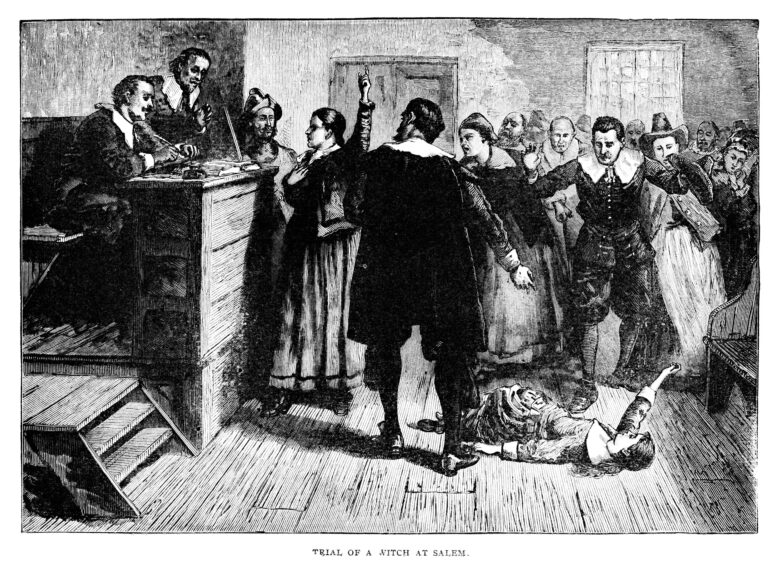
Those are the proper environmental conditions for the Salem papers, according to Lipcan: at or below 70°F, 50 percent relative humidity, and low light. The collection includes testimony, depositions, warrants, and other legal papers from 1692. It now lives at the Judicial Archives at Columbia Point in Boston.
Anyone who wants to see the originals in person must contact the court, though digitized scans are available online.
June 8, 1692
Chief Justice William Stoughton signed the warrant for Bridget Bishop’s execution that day and pressed his wax seal into it. Bishop was hanged two days later, the first of 19 people executed. The court records catalog the warrant as Box 2, Folder 31.
Mary Easty wrote to the judges
She had been condemned, and she asked that “no more innocent blood may be shed.” Her petition was among 47 rare pieces shown for the first time in a 2020 exhibition, where historian Emerson Baker noted how much she had already lost. Her sister Rebecca Nurse was gone, and another sister, Sarah Cloyce, was in prison. Cloyce survived.
Pins in a courthouse display case
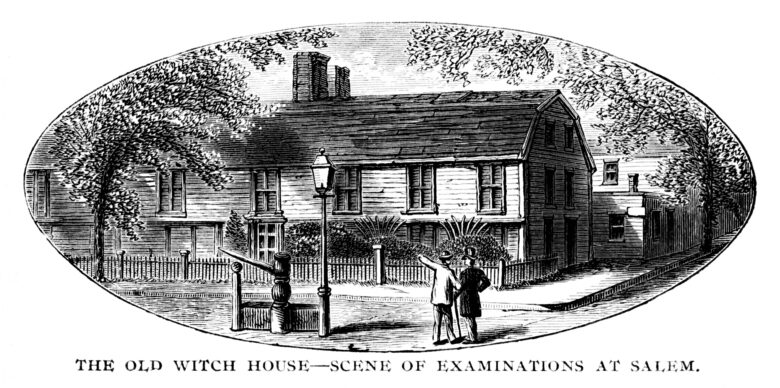
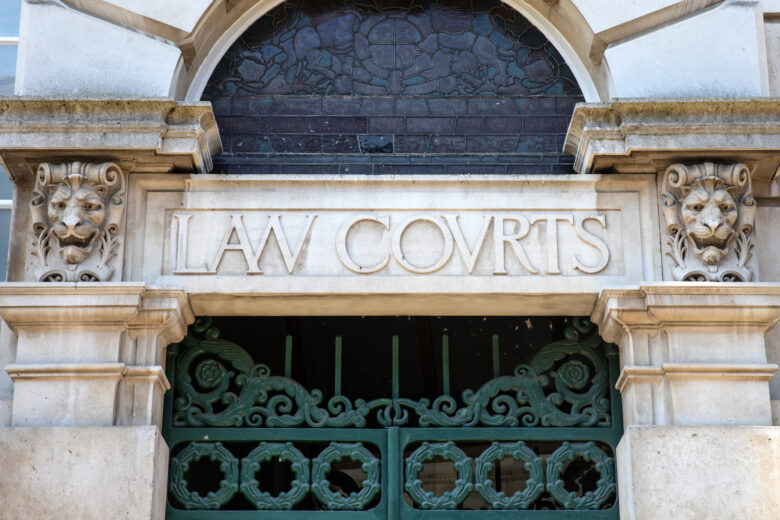
A glass-topped case in the law library of the Essex County Superior Court in Salem holds pins the accusers claimed “witches” had used to injure them. Historians still debate whether the pins were 17th-century staples used to hold court papers together or entered into evidence. The county seal beside them, first used in 1687, is genuine.
A walking stick, a sundial, and a cabinet
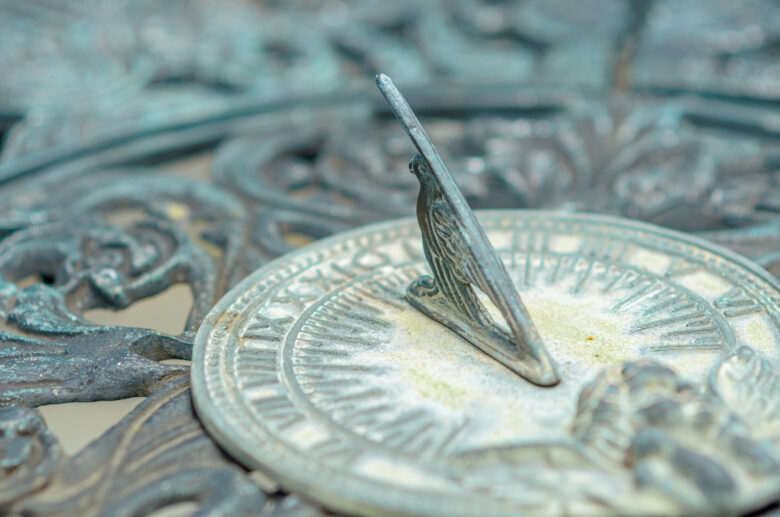
The museum’s collection includes George Jacobs Sr.’s walking stick, a set of his canes, and a sundial that belonged to John Proctor. Both men were hanged on August 19, 1692. A small valuables cabinet that belonged to Joseph and Bathsheba Pope, who was a notorious accuser, sits not far away in the gallery.
What did Johannes Kepler do when his mother was accused?
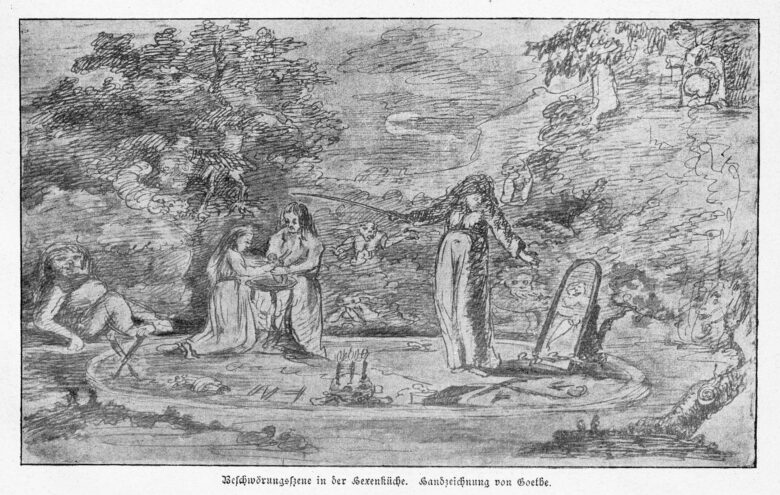
Katharina Kepler was one of 15 women accused of witchcraft in Leonberg, Germany, in 1615. Her son Johannes, the imperial mathematician, took over her defense. She spent 14 months chained in prison, was shown the instruments of torture, and refused to confess. She was acquitted in October 1621 and died six months later.
The case cost Kepler more than 900 guilders, more than two years’ salary. The Cambridge historian Ulinka Rublack found the trial file in the Württemberg state archives, and it’s one of Germany’s best-documented witch trials.
The bottom line
Most of what survives from the witch trials is paper, plus a few pins, a cane, and a sundial. Almost all of it is kept dim and cool.
Ask us! What questions do you have about content, strategy, pop culture, lifestyle, wellness, history or more? We may use your question in an upcoming article!
Related:
- Your cozy (or spooky!) Halloween movie, according to your horoscope
- Historical “discoveries” that turned out to be elaborate hoaxes
Like MediaFeed’s content? Be sure to follow us.
This article was syndicated by MediaFeed.co.