Cosmetic surgery after 60: Why doctors say timing matters more than age
Research shows health matters more than age when determining cosmetic surgery safety. Doctors say timing your procedure correctly produces better results than waiting until you’re “too old.”

The age myth debunked
A large study of 129,007 patients found no substantial difference in outcomes between those over and under 65. Researchers examined patients aged 65 to 93. Less than 2 percent of people over 65 experienced postoperative complications. Your physiological health trumps chronological age.

Why timing matters more
Doctors prioritize personalizing surgical plans to fit each individual. Seniors have varied body compositions. Some maintain better physiques than others, decades younger, but often have reduced skin tone, requiring conservative approaches. Timing surgery during stable weight periods produces better results.
Health factors doctors evaluate
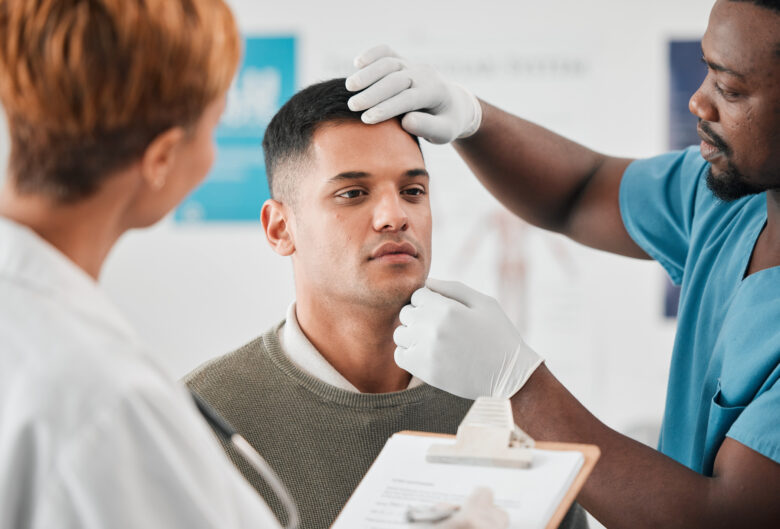
Pre-operative assessments identify underlying conditions affecting safety. Medical conditions need to be addressed before surgery. Patients actively losing weight are not at nutritional best, negatively impacting recovery and scar healing. Surgeons evaluate heart function, lung capacity, and medication interactions.

Popular procedures after 60
Almost half of facelifts are performed on individuals over 55. Facelift surgery recontours the lower face and often includes neck lifts. Eyelid surgery improves wrinkles and removes bags. Optimal facelift timing falls between 40 and 60 years when deeper lines form.

Conservative approach needed
Doctors recommend choosing smaller implants due to increased skin and breast tissue laxity. Additional internal support using a scaffold mesh helps. For tummy tucks, proceed cautiously when combining procedures to reduce blood clot risks. Baby boomers often prefer phased approaches.

Recovery considerations
Recovery timelines stretch longer for individuals over 60. Age influences how anesthesia affects the body. Older adults require careful monitoring during surgery. Schedule plenty of rest and avoid strenuous activities, ensuring proper healing.

Nutritional support matters
Nutritious meals and hydration support tissue repair and boost energy during recovery. Regular follow-ups track progress. Surgeons may suggest lymphatic drainage massages to reduce swelling. Proper nutrition proves especially critical for older patients.

Modern techniques reduce risks
Today’s techniques are safer and more tailored. Combining surgeries with non-invasive treatments like fillers and Botox helps achieve natural results. Infrared therapy decreases inflammation, promotes well-being, and aids healing.

Choosing qualified surgeons
Finding board-certified plastic surgeons with experience treating older adults holds significant importance. Age influences surgical approaches. Expert understanding of skin elasticity, healing capacity, and health considerations ensures personalized care. Verify credentials through the American Society of Plastic Surgeons.

Setting realistic expectations
Older patients know their priorities and have informed opinions. Doctors ask what bothers patients most and tailor plans accordingly. The goal involves aligning how you look with how you feel. Natural improvements work better than dramatic transformations.

Wrap up
Age presents no barrier to cosmetic surgery when you maintain good health. Timing procedures during stable weight, addressing medical conditions first, and choosing experienced surgeons produce optimal results. Conservative approaches respecting skin elasticity ensure safety. The desire to feel confident doesn’t diminish with age.
Ask us! What questions do you have about content, strategy, pop culture, lifestyle, wellness, history or more? We may use your question in an upcoming article!
Related:
- The first heart valve implant changes medical history
- Hair growth rate by age (& how to make it grow faster)
Like MediaFeed’s content? Be sure to follow us.
This article was syndicated by MediaFeed.org.