College basketball stars who Boomers loved
Before the era of one-and-done and the transfer portal, college basketball players were staples of their schools and forged legacies through years with the team. This generation solidified the NCAA’s blue bloods and revolutionized how the game is played. Some players stood out more than most and dominated the game on another level. Some became legends of the game; others were forgotten by time, but Boomers remember them and their impact on the game.
1. David Thompson (NC State)
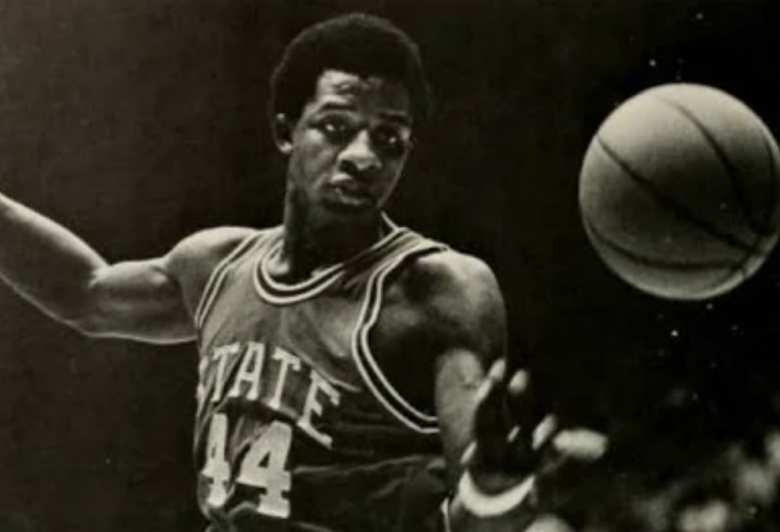
Nicknamed “Skywalker,” every fan knew his athletic ability. Thompson is widely regarded as the best player in North Carolina State’s basketball program and led them to their first National Championship. In his senior year, he averaged 29.9 points and 8.2 rebounds per game, winning his second AP Player of the Year honor. He went on to be drafted 1st overall in the 1975 draft and was inducted into both the basketball and collegiate basketball Hall of Fame.
2. Austin Carr (Notre Dame)
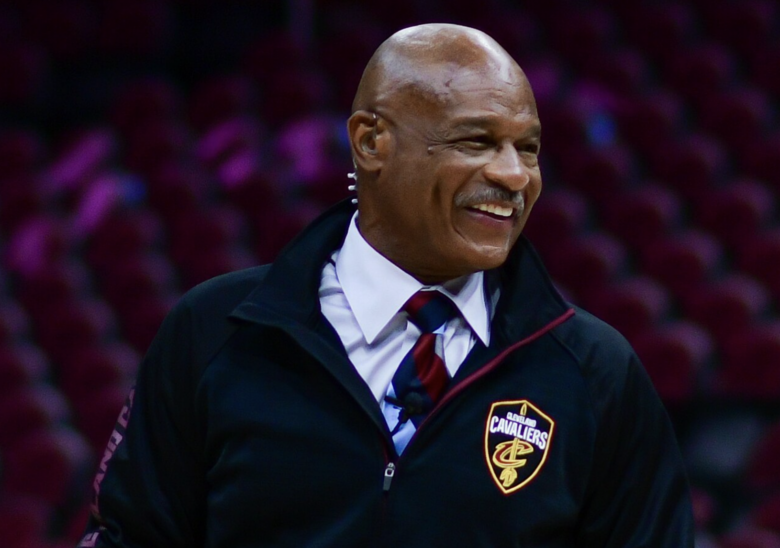
Austin Carr was a scoring machine at Notre Dame, averaging 38 points per game in back-to-back seasons. He still holds the record for most points scored in a single March Madness game with 61 points against Ohio University in the first round of the 1970 tournament. Although he was known for his postseason play, he never led Notre Dame to a national championship. Austin Carr was known as a perimeter player before the game became all about that. He was drafted No. 1 overall in the 1971 draft by the Cleveland Cavaliers, where he spent most of his NBA career.
3. Calvin Murphy (Niagara)
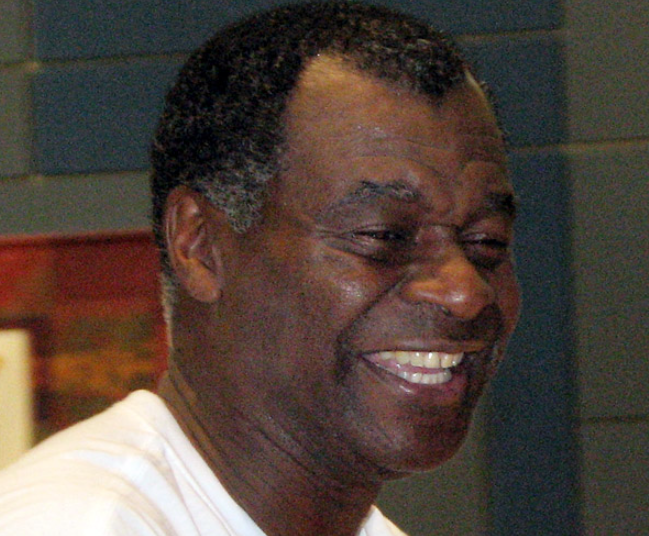
Calvin Murphy embodies the phrase, “It’s not the size of the dog in the fight; it’s the size of the fight in the dog.” At 5’9, Murphy wasn’t someone to be messed with on or off the court. He was known for his short body, short temper, and shiftiness in getting to the rim against the biggest defenders. At Niagara, he averaged 33.1 points per game and was a consensus All-American 3 straight times, making the first team twice. Murphy lived as the underdog, going to mid-major Niagara and only making March Madness once. In the 1970 tournament, they beat Penn in the first round before falling to Villanova in the second. In the 1970 draft, the San Diego Rockets selected him with the first pick of the second round, and he became a franchise legend.
4. Phil Ford (North Carolina)
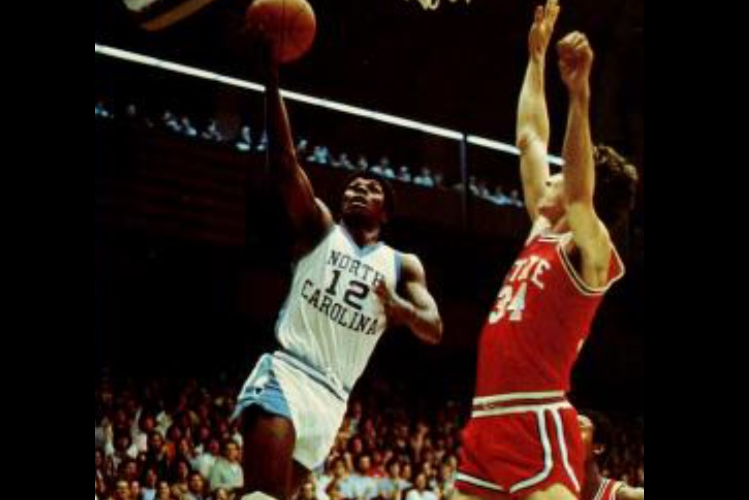
Phil Ford was the definition of a floor general, leading the ACC in assists for three straight seasons. He led Dean Smith’s iconic offense at UNC to a national championship appearance in 1977. His leadership earned him the Wooden Award in 1978. His feel for the game helped him post efficient numbers, including a 52.7 field goal percentage and an 80.8 free throw percentage over his 4 years in college.
5. Rick Mount (Purdue)
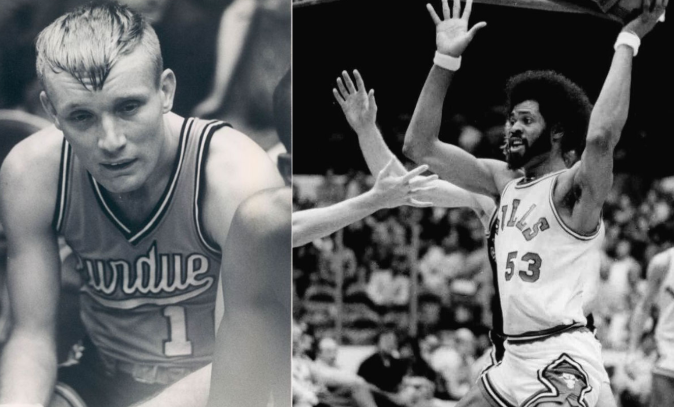
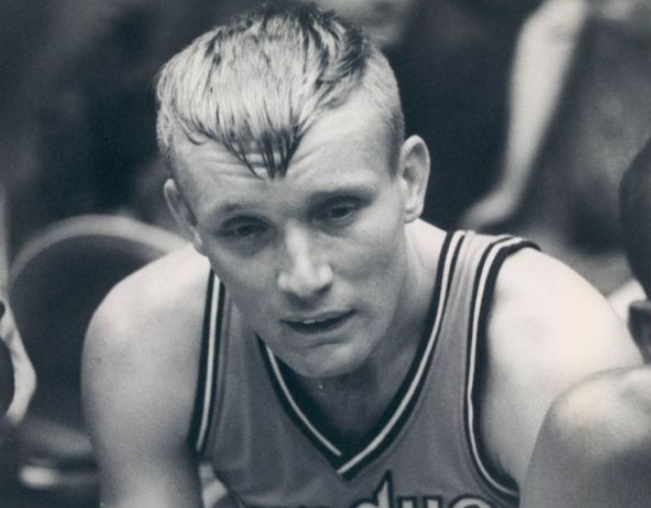
Rick Mount was another player who excelled in the perimeter before it was cool. In the same vein as Pete Maravich, who knows how many points he would’ve averaged with a three-point line. In his three years starting at Purdue, he averaged 32.3 points per game, 35.4 his senior year. The high school basketball legend was a 2-time first-team All-American at Purdue and All-Big Ten every year. In 1969, he led Purdue to the national championship game, where the Boilermakers lost to Kareem Abdul-Jabbar (then known as Lew Alcindor) and UCLA, but his play earned him a spot on the All-Tournament team.
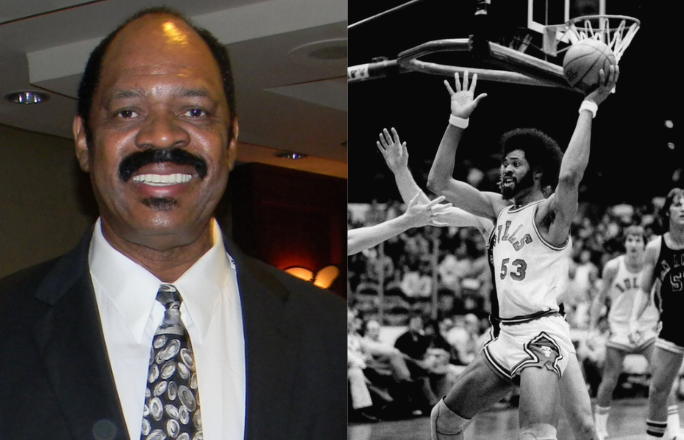
6. Artis Gilmore (Jacksonville)
With a 7’2”, 240-lb frame and his iconic afro, Artis Gilmore was hard to miss and hard to score on. Gilmore is one of the greatest centers in ABA and NBA history, but it all started at Jacksonville. In 1970, he took small Jacksonville to the National Championship, beating bigger schools and future Hall of Famers like Dan Issel, only losing to UCLA, a college basketball juggernaut. In his senior year (1970-1971) at Jacksonville, he averaged 269 blocks and 23.2 rebounds per game. His ability to control the interior on both ends made him stand out from any other big man in college basketball.
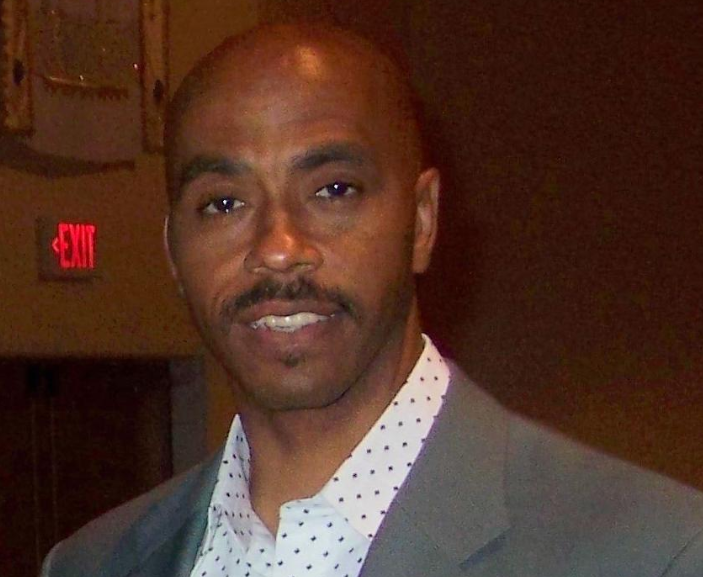
7. Darrell Griffith (Louisville)
Anyone who’s seen Darrell Griffith play knows how he earned the nickname Dr. Dunkenstein. At only 6’4, his dunks were even more explosive and memorable. He wasn’t just flashy; in his senior year at Louisville, he averaged 22.9 points per game, won Metro Conference Player of the Year and the Wooden Award, and led his team to the National Championship against UCLA. In 1980, the Utah Jazz drafted him 2nd overall, where he spent his entire career.
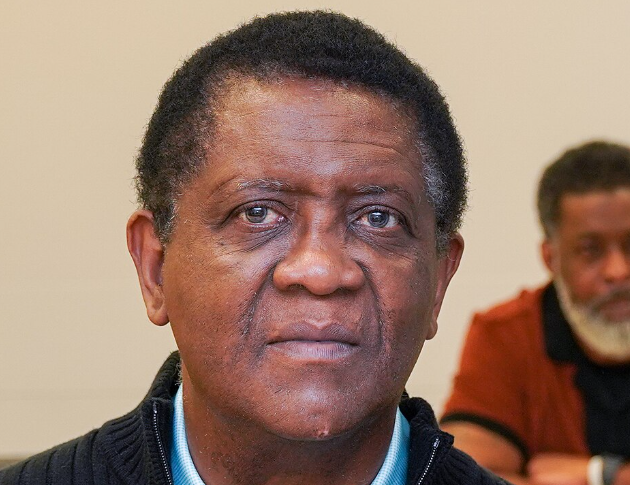
8. Bill Cartwright (San Francisco)
Bill Cartwright was the definition of a traditional back-to-the-basket big man. He didn’t play flashy or shoot from half-court; he had a touch around the rim, played hard, and led to wins. With Cartwright at the helm, San Francisco consistently ranked No. 1 in the conference and appeared in the NCAA tournament. Cartwright was a two-time consensus second-team All-American and earned first-team honors from some selectors. He was selected third overall by the New York Knicks, where his playstyle translated into an NBA career that lasted from 1979 to 1995.
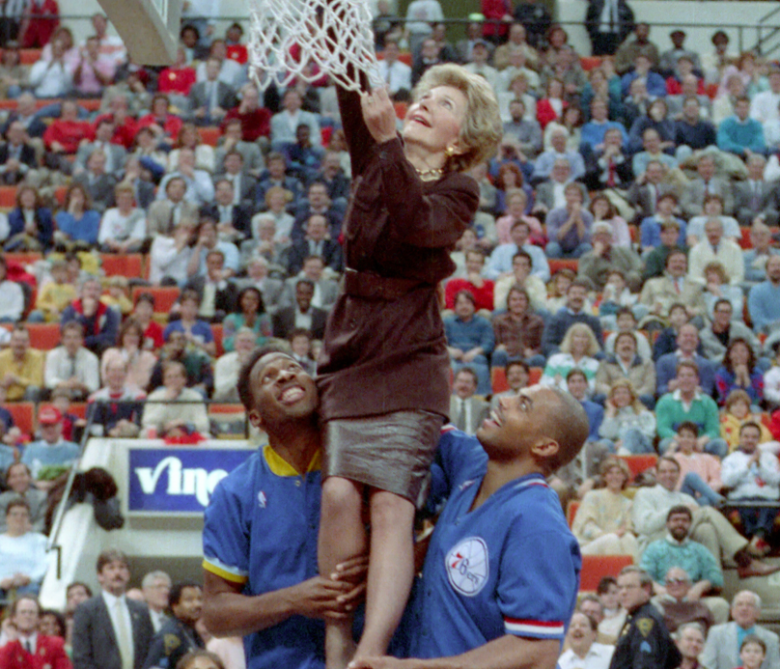
9. Wayman Tisdale (Oklahoma)
Wayman Tisdale was the ideal college basketball player. 6’9 do-it-all forward who averaged a 25-point and 10-rebound double-double in his time at Oklahoma. In his three years at Oklahoma, he was a three-time first-team All-American, three-time Big 8 player of the year, and two-time Big 8 tournament MVP. He also got it done on the defensive end, averaging 2 blocks for his career. Tisdale was drafted 2nd overall in the 1985 draft, and you could argue he would’ve gone first overall if he wasn’t competing with a generational superstar like Patrick Ewing.
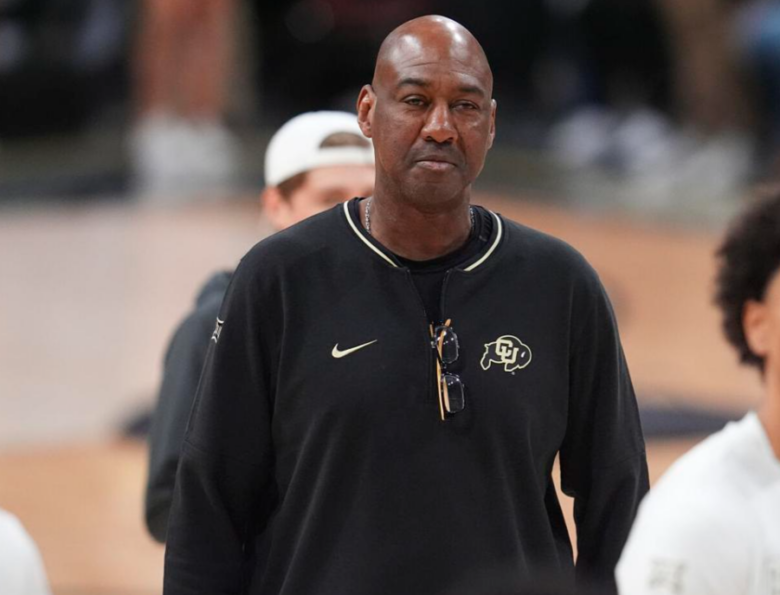
10. Danny Manning (Kansas)
Very few players in college basketball history have a better resume than Danny Manning; he was the No. 1 overall pick in the 1988 draft for a reason. From All-American to Tournament MVP to the Wooden Award. He had every accomplishment the Big 8 had to offer. His senior year at Kansas, he topped it all off with a National Championship win against Oklahoma. Manning was the full package of scoring, defense, and rebounding with the leadership needed to win championships. Knee injuries limited his NBA career, though he made two All-Star teams and won Sixth Man of the Year in 1998.

Wrap Up
These 10 stars shaped the way basketball is played today by popularizing versatility. Boomers remember all the iconic shots and clutch tournament upsets. The game was simpler, and the players were more loyal.
Which of these classic college basketball icons was your favorite to watch in March?
Related:
- The ’60s parenting practices we now know were terrible for kids’ brains
- Golf’s biggest prize was always called a purse
Ask us! What questions do you have about content, strategy, pop culture, lifestyle, wellness, history or more? We may use your question in an upcoming article!
Like MediaFeed’s content? Be sure to follow us.
This article was syndicated by MediaFeed.co