The Golden Era, Tainted by Air
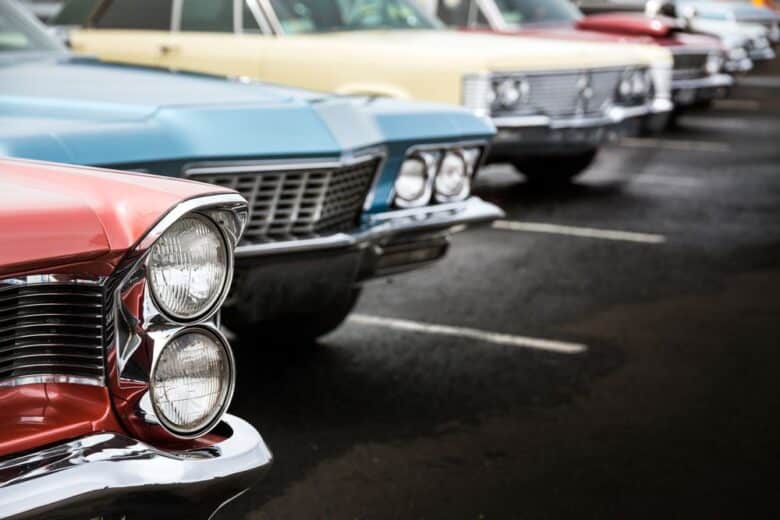
The 1960s and 70s represent a zenith in automotive history: a golden era of muscle cars, sleek convertibles, and iconic rides that defined American freedom and power. Think of the roar of a V8, the unmistakable silhouette of a fastback, and the sheer thrill of speed. These machines are enshrined in pop culture, representing a simpler, perhaps wilder time.
But underneath the hood of that nostalgia lurked a hidden health risk: the air we were breathing. With non-existent cabin air filtration, high-lead fuels, and a complete absence of catalytic converters, many beloved classic cars were, quite frankly, hazardous to inhale. This is not just a tale of horsepower; it’s a closer look at the exhaust fumes, poor cabin air quality, and the surprising respiratory price paid for driving the coolest cars on the road.
This article takes a nostalgic, yet honest, look at the classic rides that were exhilarating to drive but surprisingly detrimental to your lungs.

Feature 1: The High-Octane Haze of Muscle Cars
No conversation about this era is complete without mentioning the titans: the Mustang, the Camaro, and the Charger. These machines were all about raw power, and power meant uninhibited combustion.
Built during a time when emission control was an afterthought, these engines operated with high emissions and no catalytic converters. This meant that the byproduct of their roaring performance included significant amounts of pollutants like unburnt hydrocarbons and, most dangerously, carbon monoxide (CO). While the thrill of pinning the needle was undeniable, it came with the hidden risks of elevated CO exposure and general lung irritation from the rich, unfiltered exhaust. The sound was thrilling; the air quality was anything but.

Feature 2: The Soot and Smoke of Vintage Diesel Trucks
Before modern engineering tamed it, early diesel technology was a different beast. Vintage diesel trucks, particularly those from the commercial sector, were known for emitting an undeniable cloud of visible exhaust.
The primary culprit was the high level of particulate matter (PM)—tiny, inhalable particles of soot and unburnt fuel. For mechanics, long-haul truckers, and even those sharing the road, chronic exposure carried real risks, including respiratory irritation and a heightened cancer risk. This stands in stark contrast to modern diesel technology, which uses sophisticated filters and urea-based systems (like DEF) to scrub over 90% of harmful PM before it leaves the tailpipe.

Feature 3: The Sealed but Stale Air of Poor Ventilation
In many classics, especially luxury sedans, the goal was a quiet, sealed cabin for a smooth ride. However, without effective positive pressure or any meaningful filtration, this design could often trap what was outside.
This led to the subtle, yet dangerous, accumulation of exhaust gases inside the vehicle. A leaky trunk seal or an old gasket could turn a comfortable, long drive into a low-level exposure event. Today, the comparison is striking: modern HVAC systems use HEPA-grade filters and smart recirculation systems to actively purify the air and maintain positive pressure, effectively keeping the street’s pollution out.
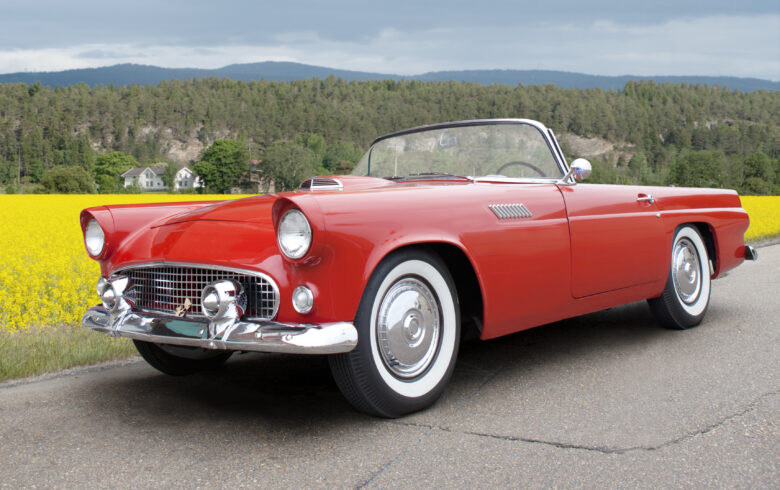
Feature 4: Convertibles Without Wind Protection
The convertible is the quintessential symbol of motoring freedom—hair blowing in the wind, sun on your face. Yet, this open-air pleasure came at a hidden cost.
By definition, open-top cruising meant the lungs were directly exposed to the chaotic currents of street-level pollution. In congested urban areas, that meant unfiltered exposure to brake dust, tire particles, and high concentrations of tailpipe emissions. While a rural drive was likely fine, the joy of a city cruise today is mitigated by a heightened awareness of particulate matter, an awareness simply absent half a century ago.

Feature 5: The Era of Leaded Gas Dependency
Perhaps the most significant invisible toxin of the mid-20th century was lead. Gasoline was heavily supplemented with lead additives (tetraethyllead) to boost octane and engine performance throughout the 1950s, 60s, and 70s.
Every classic car running during this time was spewing lead into the air. Lead exposure has been conclusively linked to neurological damage and respiratory risks, especially in children. The global, decades-long phase-out of leaded gas is one of the most critical public health triumphs of the modern era, directly mitigating the invisible danger posed by every car running on the road.

Feature 6: Smoky Exhaust Designs
The image of a classic car spewing a plume of visible black smoke during a cold start or heavy acceleration is a classic movie trope. While seemingly a sign of power, that smoke was a clear sign of poor engine tuning and high emissions.
This visible output translated to exceptionally poor ambient air quality and concerning long-term lung health implications for anyone living near busy roads. Today, robust modern emission controls and catalytic converters ensure that the exhaust output is nearly invisible, reflecting a drastic reduction in harmful pollutants.
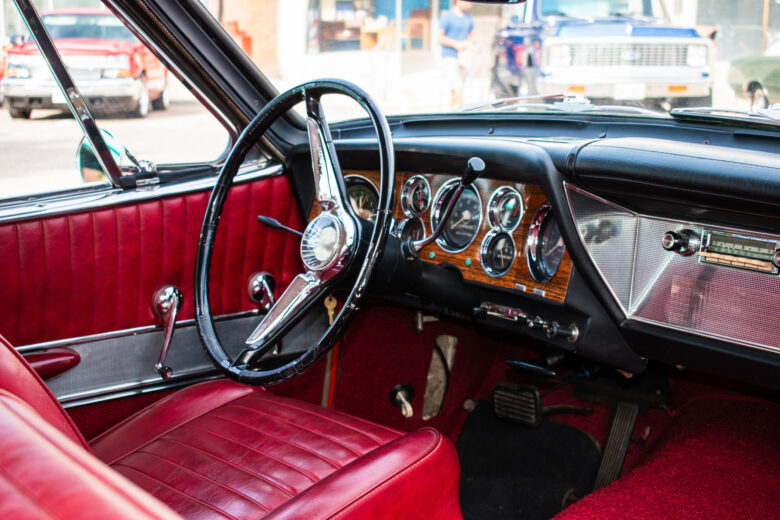
Feature 7: The Utter Lack of Cabin Filtration
This is perhaps the most straightforward difference between classic and modern cars. The majority of vehicles made before the late 1980s did not come with an air filter for the cabin.
This meant dust, pollen, and raw exhaust gases easily entered the interior through the vents. For passengers suffering from asthma or other respiratory conditions, a simple drive could be a challenge. It’s a stark contrast to today’s multi-stage HVAC systems designed to scrub the air before it ever reaches your face.
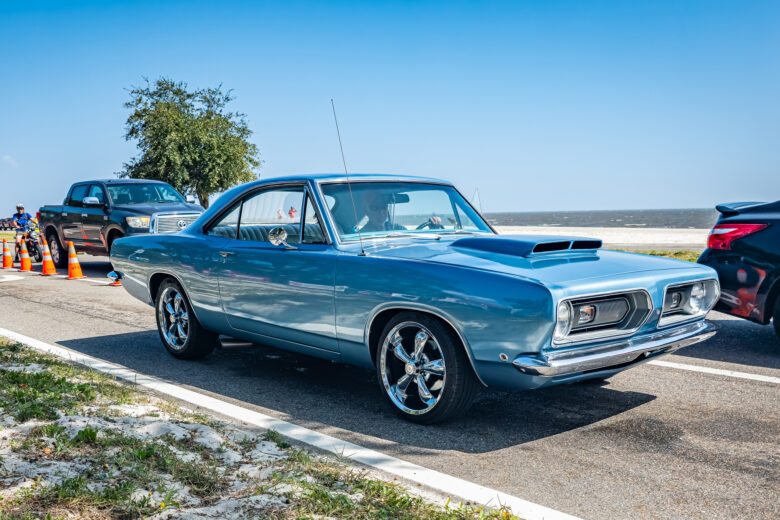
Feature 8: Performance Modifications That Backfired
For many enthusiasts, a classic was a canvas for performance. However, modifications like replacing the factory exhaust system with a straight-pipe setup or tweaking carburetors for maximum power often came at the direct expense of clean combustion.
These aftermarket modifications increased engine noise and short-term performance but dramatically boosted air pollution and reduced efficiency. Today’s tuning culture is far more safety-conscious, focusing on electronic engine control units (ECUs) and high-flow catalytic converters that balance power with health and legal compliance.

Feature 9: The Invisible Danger of Indoor Parking
The danger wasn’t confined to the road. Cars stored or worked on in garages without proper ventilation created a concentrated, chronic exposure risk to fumes, particularly odorless, deadly carbon monoxide.
Countless DIY mechanics and car owners unknowingly subjected themselves to low-level, chronic carbon monoxide exposure by idling their vehicles in enclosed spaces. Modern garages, influenced by building codes and safety awareness, are increasingly equipped with carbon monoxide detectors and automated ventilation systems.

Feature 10: Smoking in Cars as a Cultural Norm
The final, and perhaps most potent, double lung hazard was the normalization of smoking. Classic pop culture glamorized the act of lighting up behind the wheel.
The combination of an already polluted cabin environment from the engine and the thick, concentrated smoke from cigarettes created an exceptionally toxic microclimate. Today’s heightened awareness of air quality and wellness is reflected in widespread smoking bans and a general cultural shift toward prioritizing clean air in all enclosed spaces.
Why We Didn’t Know Better
The primary reason these vehicles were designed and operated this way was a combination of factors:
- Lack of Standards: There were almost no federal emission standards until the late 1960s, and they were very loose at first.
- Cultural Obsession: The priority was firmly on horsepower, style, and freedom over long-term environmental or health costs.
- Lack of Awareness: Public knowledge about the subtle, long-term effects of particulate matter and carbon monoxide was minimal.
This contrasts sharply with today’s automotive landscape, defined by strict regulations, constant monitoring, and a cultural focus on sustainability and wellness.

Nostalgia Tempered with Awareness
Classic cars remain masterpieces of design and engineering—they are exhilarating, beautiful, and deeply woven into our cultural fabric. Yet, a contemporary look requires that our nostalgia be tempered with an awareness of the hidden health costs they represented.
We can celebrate automotive history—the muscle, the speed, the style—while acknowledging and appreciating the tremendous modern innovations in engine design and air quality that have made today’s vehicles exponentially cleaner and safer to breathe in.
Next time you see a spotless ’69 Mustang, appreciate its beauty, but also appreciate the quiet, filtered air of your modern ride.
Related:
- The mindfulness of maintenance: Why fixing old cars soothes the soul
- These lost ’90s cars are a lesson in slowing down & smelling the gasoline
Like MediaFeed’s content? Be sure to follow us.
This article was produced and syndicated by MediaFeed.us.