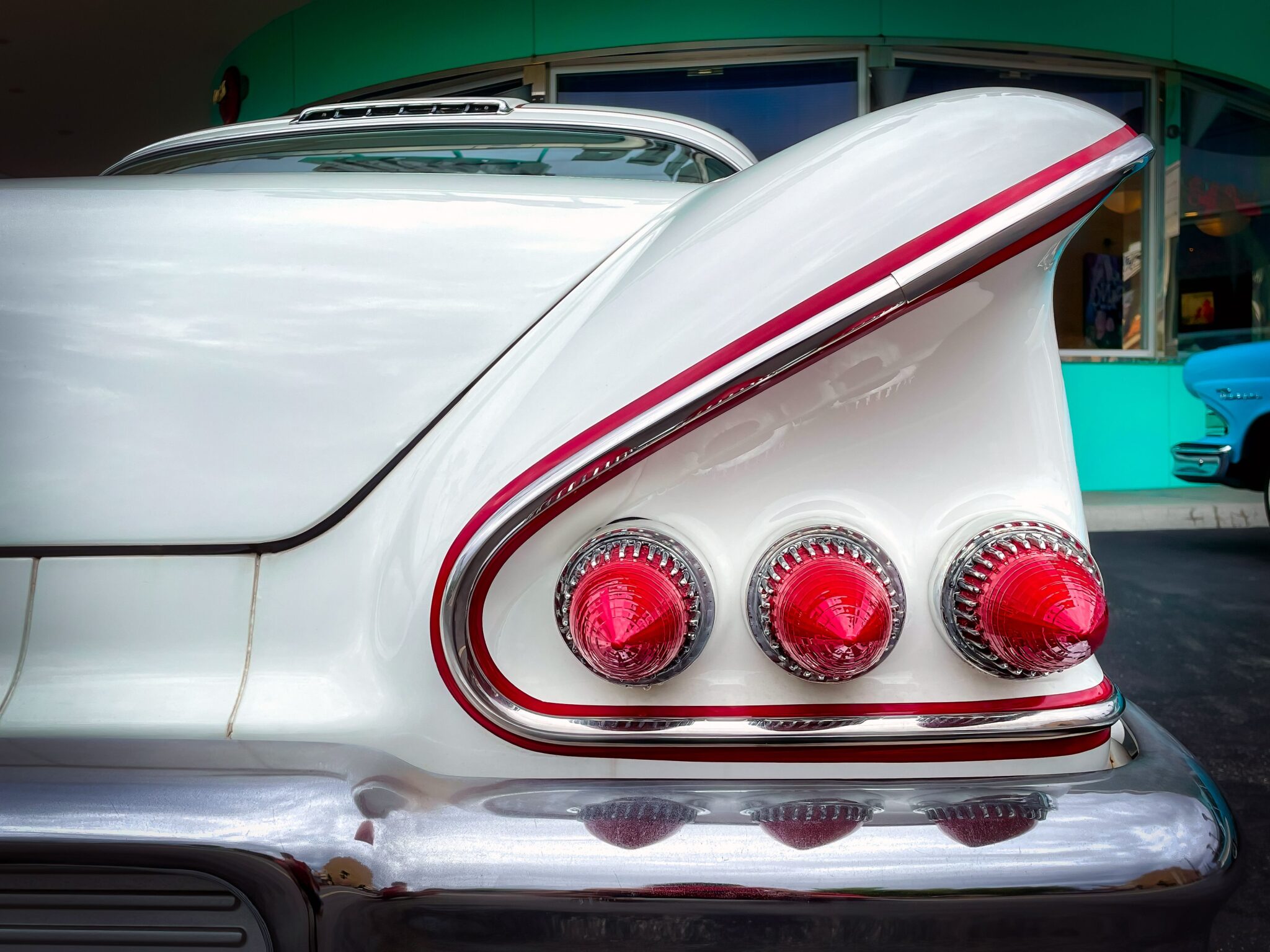
Cars that were rushed to market and paid the price
Automakers sometimes prioritize speed over safety, rushing vehicles to market before they’re ready. These hasty decisions cost companies billions in lawsuits and recalls while leaving owners with worthless investments and dangerous vehicles.
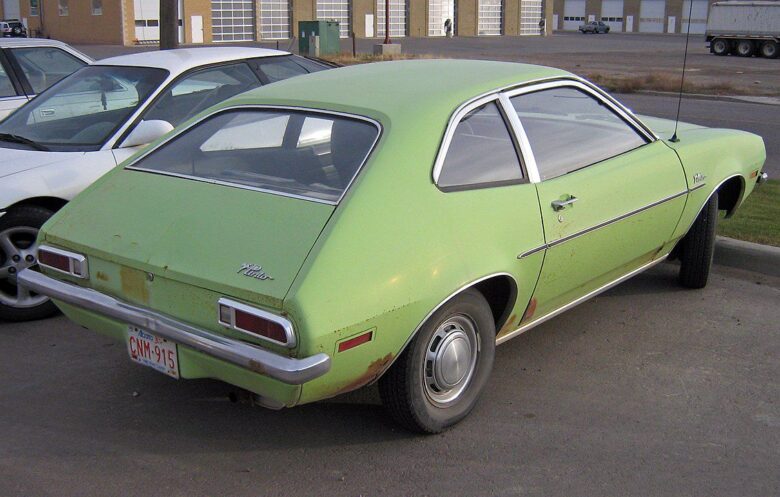
Ford Pinto (1971-1980)
The Ford Pinto’s flammable rear fuel tank became one of automotive history’s deadliest design flaws. Ford crash-tested prototypes that failed safety standards but proceeded anyway, calculating that lawsuits would cost less than fixes. The company faced over $150 million in lawsuits and recalled 1.5 million vehicles. Owners in accidents faced $5,000 to $20,000 or more in damages.
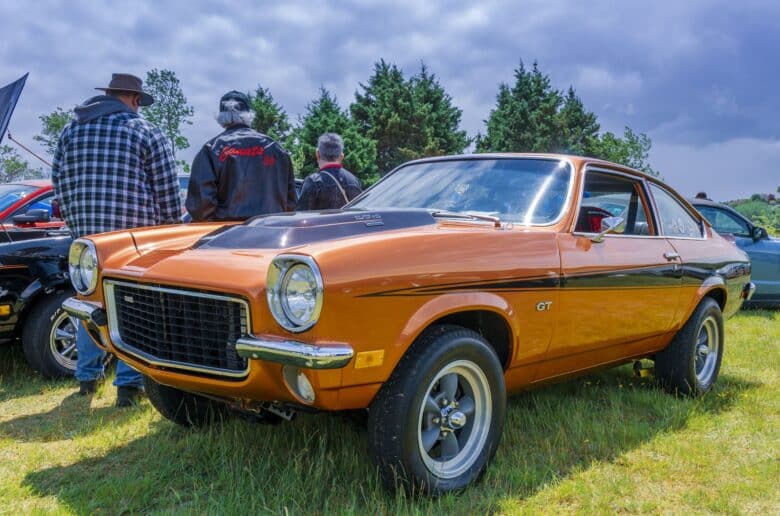
Chevrolet Vega (1971-1977)
Chevrolet rushed the Vega to market with an innovative lightweight aluminum engine that proved disastrous. The engine overheated, cylinders distorted, and rust appeared on new vehicles. Frequent repairs cost $500 to $1,500, while resale values plummeted. GM absorbed millions in warranty claims.

DeLorean DMC-12 (1981-1983)
The DeLorean’s underpowered engine and quality control problems killed the gull-wing dream despite massive hype. The company went bankrupt, investors lost tens of millions, and owners spent $3,000 to $7,000 fixing constant mechanical issues on vehicles worth less every day.

Pontiac Aztek (2001-2005)
General Motors rushed the Aztek’s unconventional design to capture the SUV market quickly, creating one of history’s most polarizing vehicles. Poor ergonomics and awkward styling doomed it from launch. Resale values dropped to just $5,000 to $8,000 within years.
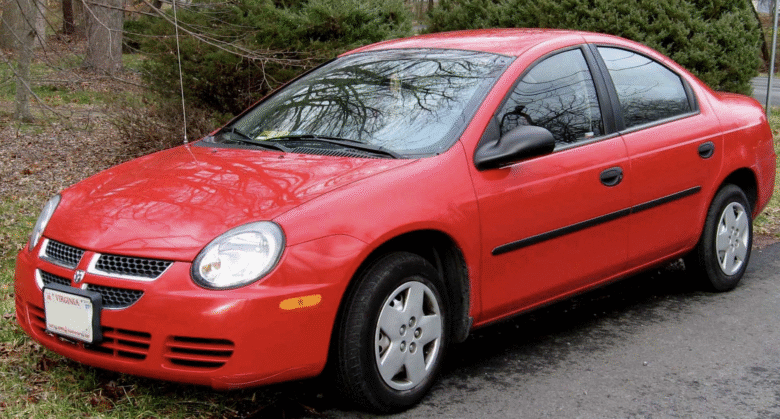
Dodge Neon (1994-2005)
Dodge pushed the Neon to market as an affordable compact but sacrificed critical build quality to meet aggressive deadlines. Poor long-term reliability meant frustrated owners faced $500 to $1,500 in frequent repairs throughout ownership. Rapid depreciation led to devastating $3,000 to $4,000 losses in value as negative reputation spread quickly.
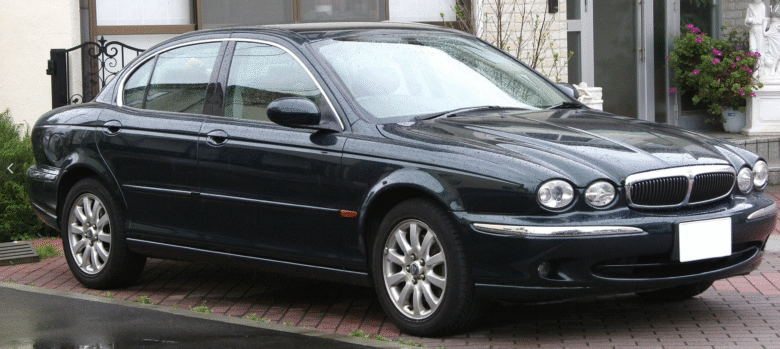
Jaguar X-Type (2001-2009)
Jaguar tried creating an entry-level luxury sedan by rushing a heavily modified Ford Mondeo platform to market without adequate refinement or testing. Persistent reliability problems and obviously unrefined parts damaged the prestigious brand’s hard-earned reputation significantly. Frustrated owners paid $1,000 to $3,000 per year in unexpected maintenance costs.

Tesla Model 3 (Early 2017)
Tesla’s rushed production scale-up to meet overwhelming customer demand created what CEO Elon Musk publicly called “production hell” with serious, lasting quality consequences. Inconsistent quality, obvious panel gaps, and persistent assembly issues plagued early models extensively throughout the first year. Repairs cost $500 to $2,000 while frustrated buyers waited months for deliveries.

Fiat 500 (U.S. launch 2011)
Fiat rushed its retro design to America to capitalize on nostalgia, but delivered a cramped, tiny interior and questionable reliability from day one. Annual repairs averaged $300 to $1,000 consistently, while resale values plummeted a shocking 40 to 50 percent below MSRP after three years.
Wrap up
Rushing vehicles to market costs automakers billions and destroys consumer trust. These cautionary tales prove that cutting corners on testing, quality control, and design creates financial disasters for companies and buyers alike. Research reliability ratings and wait for first-year issues before purchasing new models.
Related:
- 13 iconic cars from classic American movies we still love
- Family cars that defined Christmas travel in the ’80s
Like MediaFeed’s content? Be sure to follow us.
This article was syndicated by MediaFeed.org.