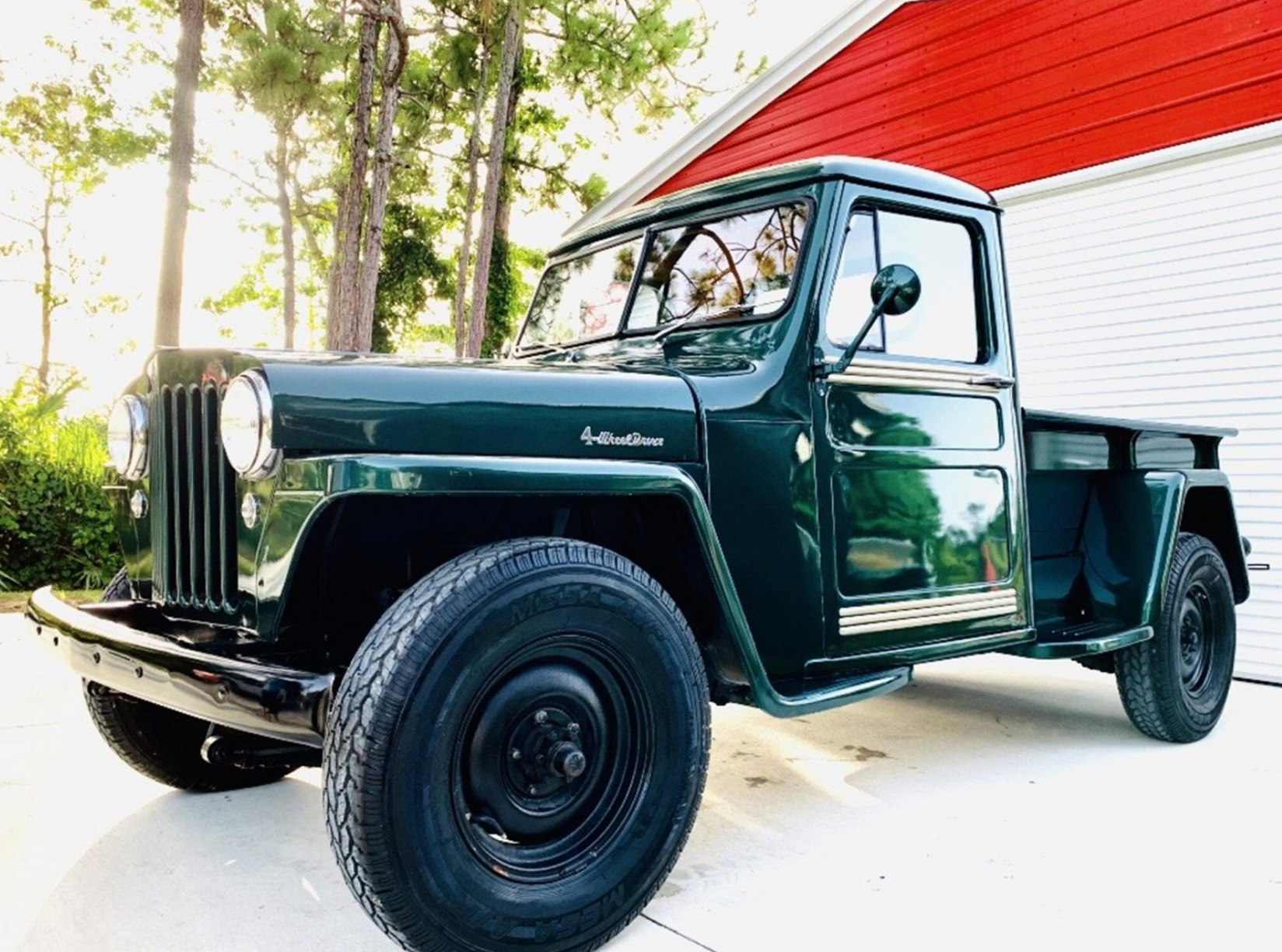
Cars that were legal for years before anyone realized how unsafe they were
Automotive history contains numerous vehicles sold legally for years despite serious safety defects. Manufacturers knew about dangerous flaws but calculated that fixing them cost more than settling lawsuits. These cars injured and killed thousands before recalls arrived.
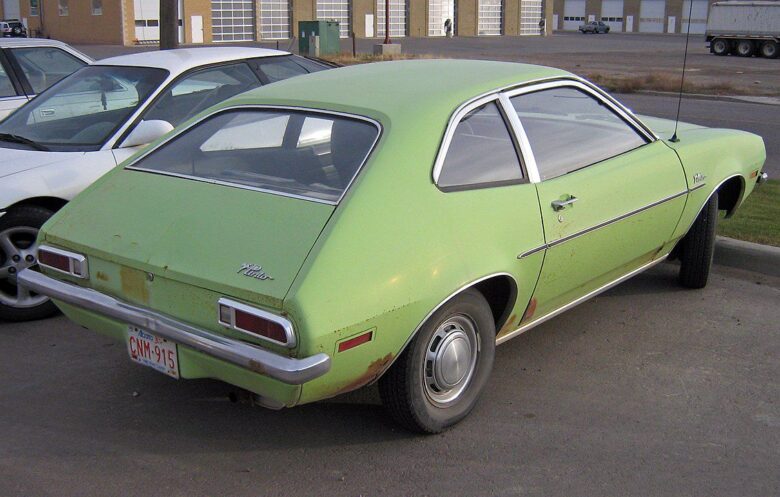
Ford Pinto exploding fuel tanks
The Ford Pinto’s fuel tank location caused deadly fires in rear-end collisions. Positioned near the rear bumper without shielding, even minor accidents ruptured the tank. Ford knew before production, but determined that paying for lawsuits would cost less than the $11 per car fix. The Pinto was sold from 1971 to 1978 before recalls.
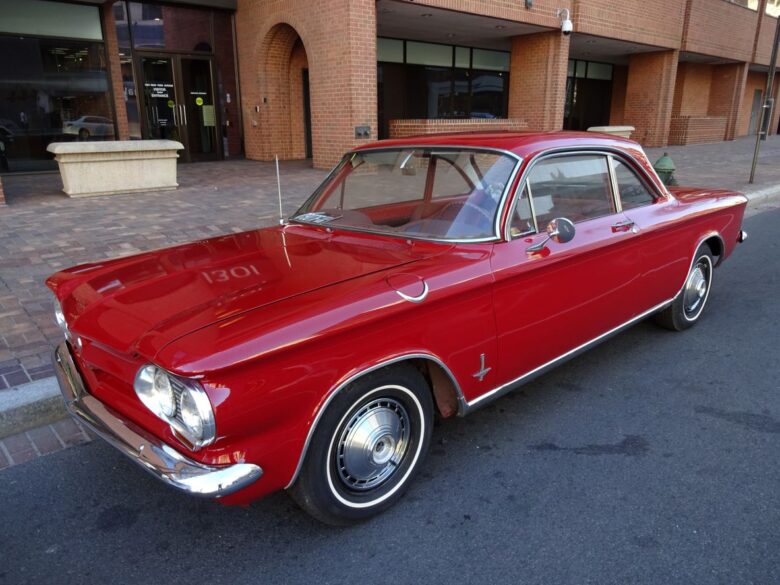
Chevrolet Corvair unsafe handling
Ralph Nader’s Unsafe at Any Speed detailed the Corvair’s dangerous oversteer tendency. The rear-mounted engine and swing-axle suspension caused unpredictable spinouts during turns. Drivers lost control at normal speeds, leading to rollovers. General Motors sold Corvairs from 1960 to 1969 despite knowing about handling problems.
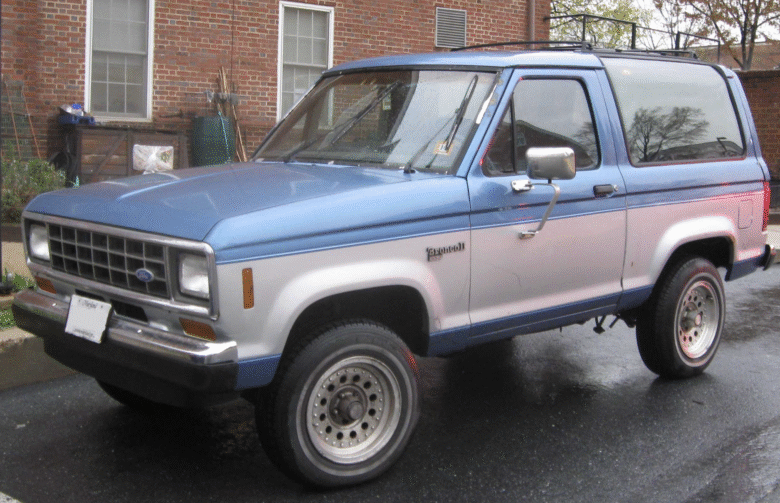
Ford Bronco II rollover epidemic
Ford knew before production that the Bronco II’s stability index was dangerously low. Engineers found it scored worse than competitors and began flipping during testing. Ford eliminated certain test maneuvers to hide the problem and rushed it to market. The rear-wheel-drive version killed 3.78 people per 10,000 vehicles between 1986 and 1990.
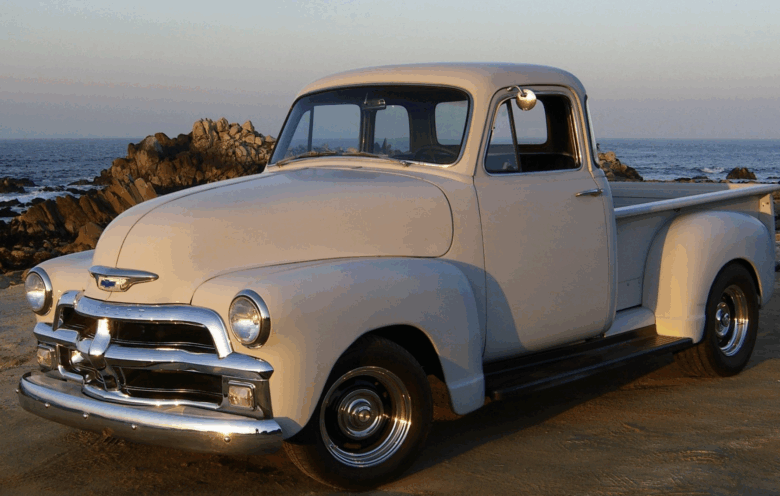
General Motors engine mount failures
Defective engine mounts in 1965-1969 Chevrolets caused unintended acceleration. When mounts failed, engines shifted and jammed accelerators while disabling brakes. GM received 172 failure reports, causing 63 accidents and 18 serious injuries by 1971. GM President dismissed the defect as no more serious than a flat tire before the government forced a recall of seven million vehicles.
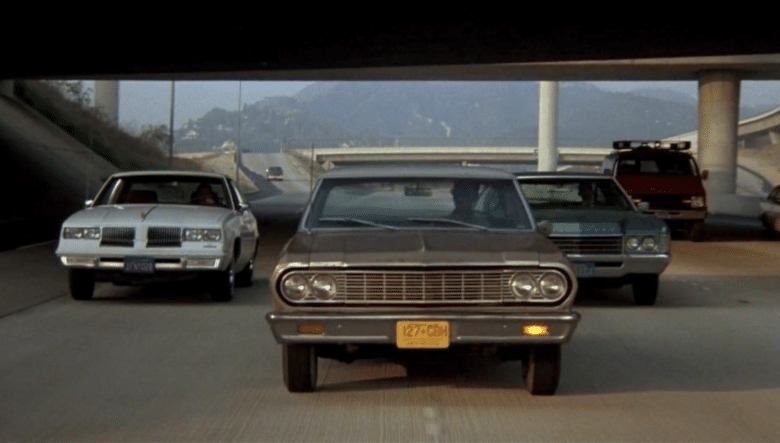
Chevrolet Malibu steering failures
A loose suspension bolt in 1981 Chevy Malibus disabled steering columns while driving. Drivers suddenly lost all steering control without warning. Chevrolet recalled six million Malibu cars along with other GM brands.
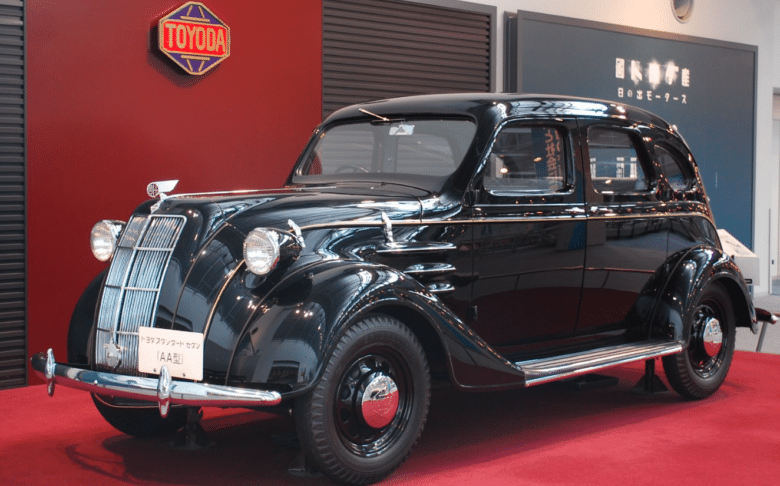
Toyota sudden acceleration
Toyota vehicles experienced gas pedals stuck in the down position, causing fatal runaway acceleration. The company initially blamed floor mats despite evidence of electronic throttle failures. NHTSA received 6,200 complaints over a decade before Toyota recalled 5.2 million vehicles in 2009, then another 2.3 million a year later.
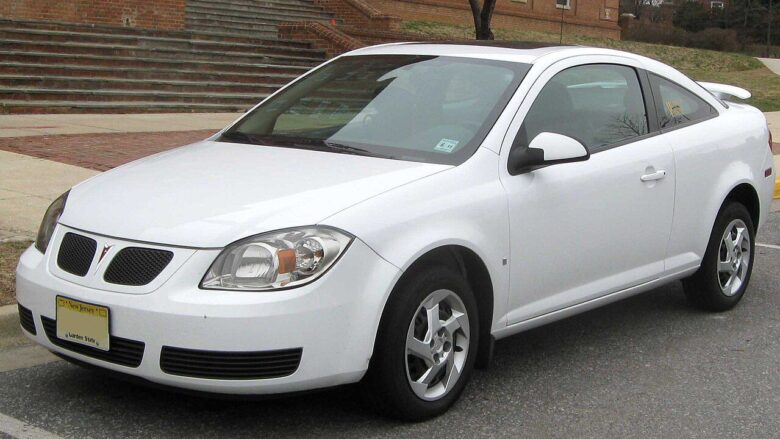
GM ignition switch disasters
General Motors knew for years that faulty ignition switches caused vehicles to stall and disable airbags. The switches slipped out of position during driving, cutting engine power and preventing airbag deployment. GM delayed recalls despite knowledge of at least 120 deaths and 275 injuries, finally acting in 2014.

Takata airbag shrapnel
Takata airbags contained defective inflators that ruptured during deployment, shooting metal shrapnel into cabins. The defect affected millions of vehicles over decades. The resulting recall became the largest in automotive history, affecting over 100 million airbags worldwide.

Wrapping up
These vehicles remained legal for years simply because manufacturers prioritized profits over safety. Modern safety standards exist because of these tragedies. Today’s recalls happen faster, but automotive safety requires constant vigilance from regulators, manufacturers, and consumers.
Related:
- Cars that were rushed to market and paid the price
- Family cars that defined Christmas travel in the ’80s
Like MediaFeed’s content? Be sure to follow us.
This article was syndicated by MediaFeed.org.