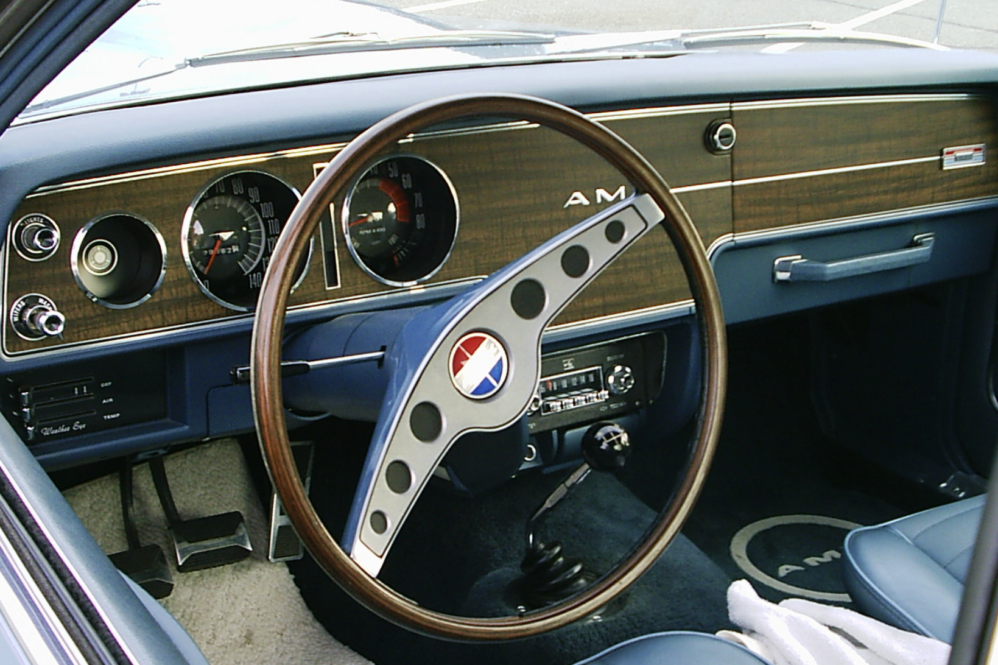
Car safety features from the ’60s that were an optical illusion
Marketing has a problematic habit of promising more than it actually delivers, and trusting the commercialization of anything, cars included, means trusting a company’s incentive to sell over its incentive to protect. The 1960s put that gap on full display, with automakers advertising a sense of safety that the underlying engineering rarely matched.
These six features looked reassuring but mostly weren’t.
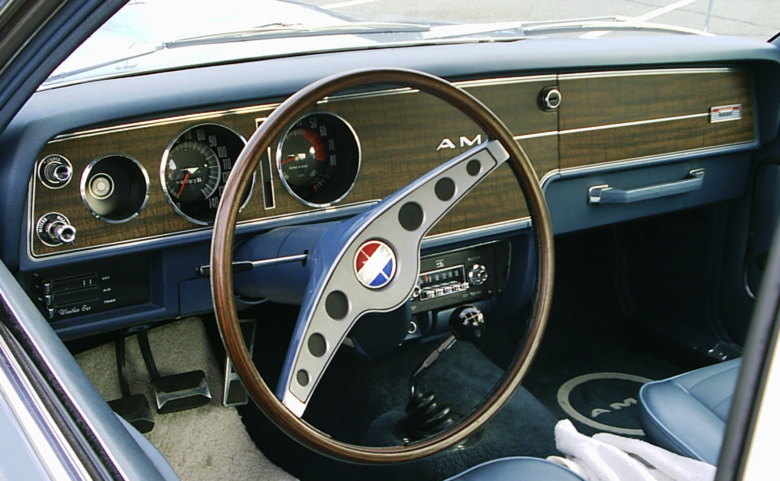
“Safety Doesn’t Sell,” and Detroit learned that lesson the hard way
Ford’s 1956 “Lifeguard Design” package offered a deep-dish steering wheel, safety door latches, plus an optional padded dashboard and lap belts, genuinely ahead of its time for the era. Then Chevrolet outsold Ford that same year, and the industry drew exactly the wrong lesson from it: safety features got quietly deprioritized across the board for the next decade.
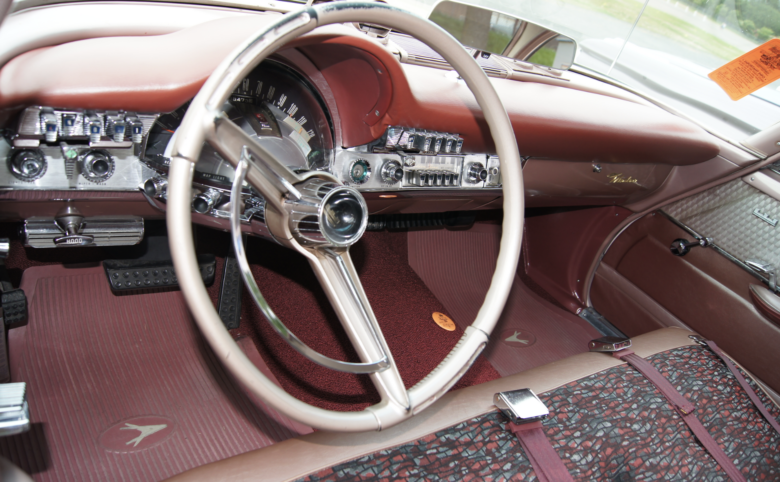
The padded dashboard
Marketed as a cushion against injury during a crash, the padding sat over the exact same rigid metal frame underneath. It softened the surface a driver’s head might hit. It did essentially nothing to address the forces actually causing the injury in the first place, since the unyielding structure beneath the padding remained just as capable of causing serious harm on real impact.
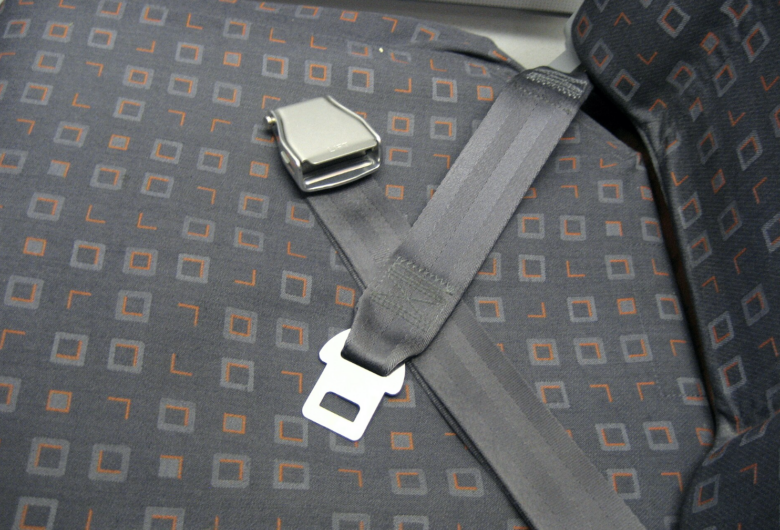
Lap belts alone
Seat belts existed on World War I aircraft decades before most 1960s cars offered them standard, and even once lap belts arrived, they came without any shoulder harness. A lap belt could keep a body from being ejected. It couldn’t stop the upper body from folding forward into a steering wheel or dashboard, which is exactly the injury pattern Ralph Nader’s 1965 investigation spent an entire chapter documenting.

Safety glass windshields
Advertised as shatter-resistant, and technically accurate. Laminated glass genuinely reduced full shattering compared to older tempered glass. What the marketing left out: the same glass still lacerated badly on impact, and Nader’s book specifically flagged “unsafe safety glass” as one of several engineering shortcuts that looked better on a spec sheet than in an actual accident.
The rigid steering column
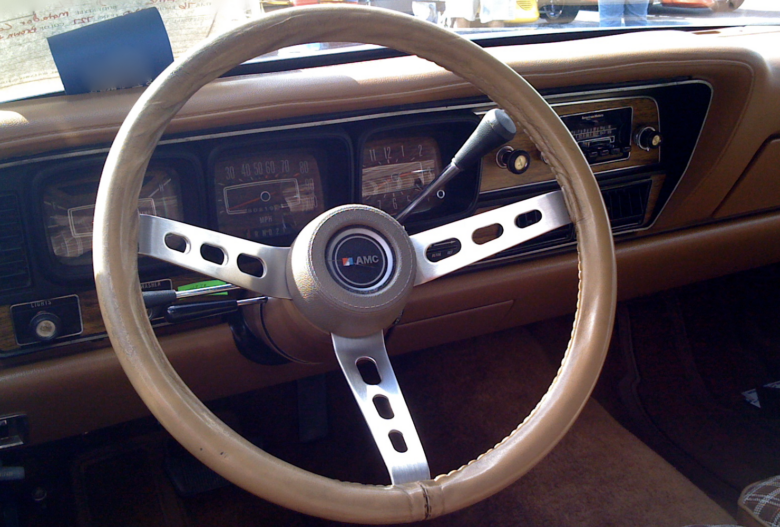
Before collapsible designs existed, a steering column functioned almost like a spear aimed directly at the driver’s chest in a frontal collision. Manufacturers knew this. Ralph Nader later put it bluntly: cars were shipping with columns that could be “driven rearward into the driver’s chest fatally”, a design flaw hiding in plain sight behind a wheel that looked perfectly ordinary.

Chrome trim and glossy dashboards
None of this was ever marketed as a safety feature directly, but it illustrates the same underlying priority problem. Nader’s book devoted an entire chapter to dashboards finished in bright chrome and glossy enamel specifically because they reflected sunlight and oncoming headlights straight into a driver’s eyes, a hazard the industry understood and simply chose not to fix.

The bottom line
Every one of these features let a manufacturer put a reassuring word on a window sticker without necessarily changing what actually happened in a real crash. A federal law in 1966, forced by public outrage over this gap, finally closed it.
Ask us! What questions do you have about content, strategy, pop culture, lifestyle, wellness, history or more? We may use your question in an upcoming article!
Related:
Like MediaFeed’s content? Be sure to follow us.
This article was syndicated by MediaFeed.co.